

St. Maarten
St. Maarten, a dazzling island in the Caribbean, is renowned for its unique blend of Dutch and French cultures, reflecting its dual governance. The capital, Philipsburg, on the Dutch side, invites visitors with its vibrant Front Street, lined with duty-free shops, colorful markets, and charming eateries. The island’s cultural tapestry is further showcased in the Museum of Sint Maarten, where artifacts and exhibits illustrate the island's rich history and heritage.
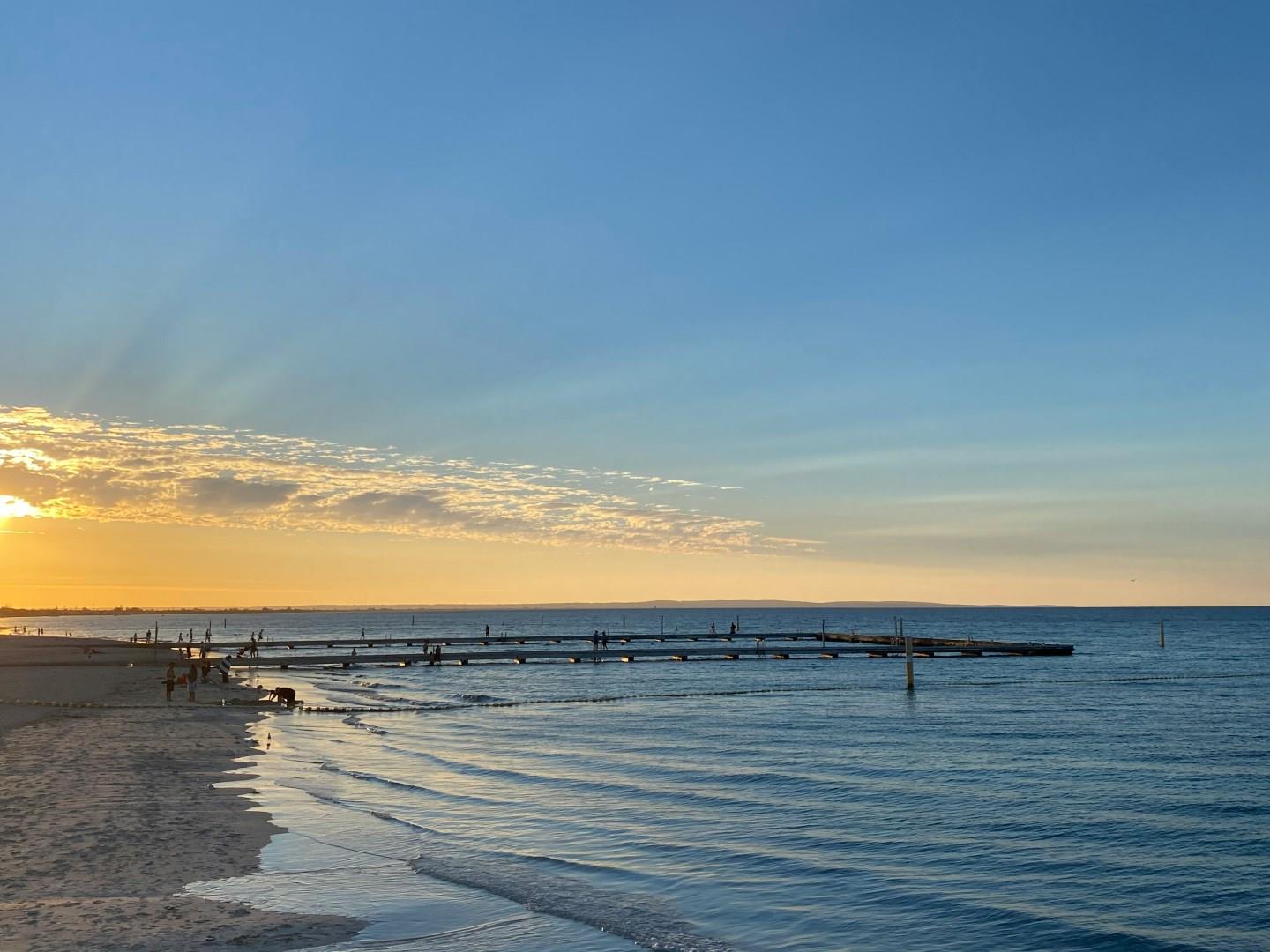
Busselton
Busselton is a relaxed coastal town in Western Australia, set along the calm, sheltered waters of Geographe Bay.
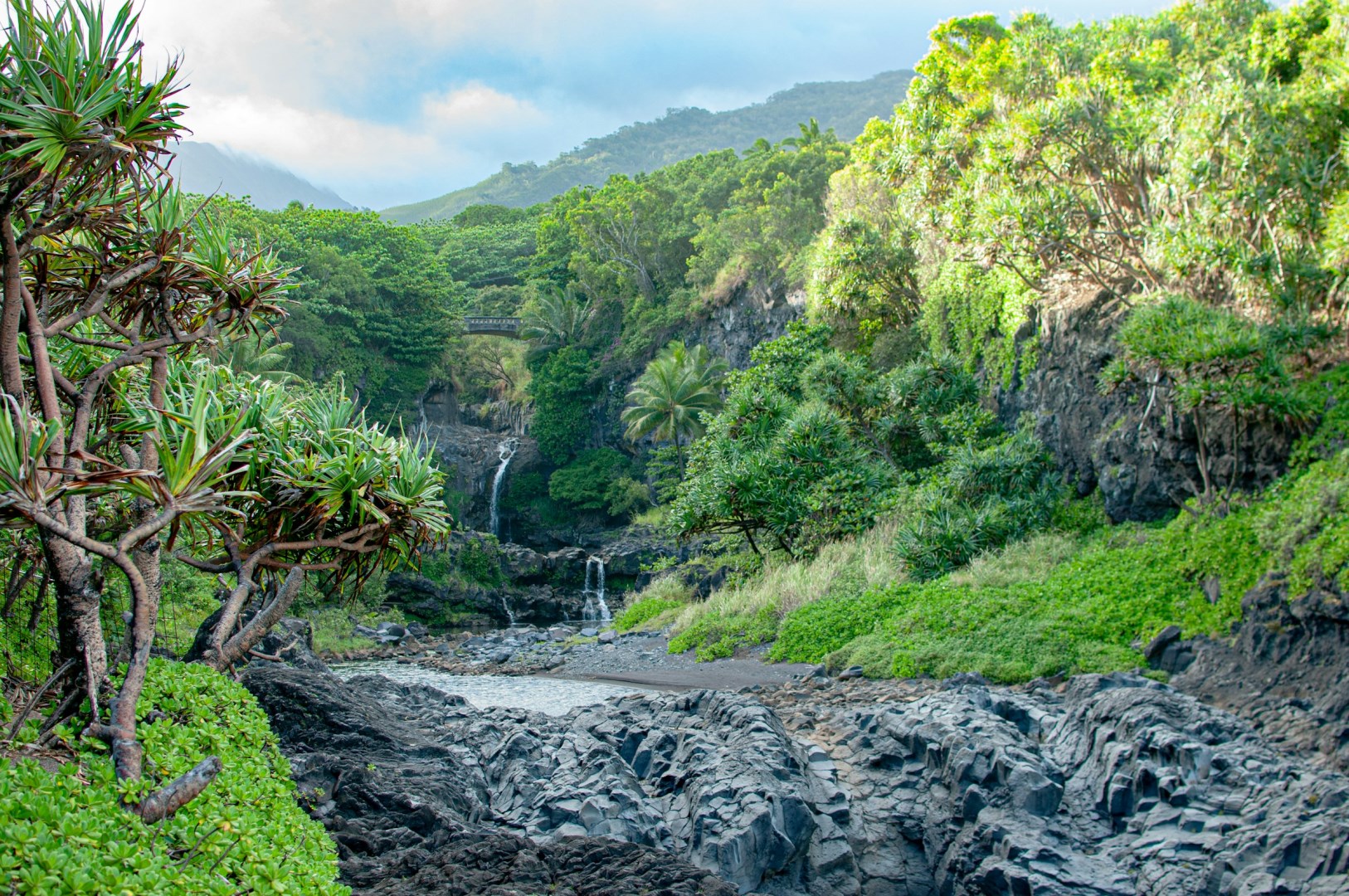
Haleakalā
Maui, both second youngest and second largest of the Hawaiian Islands, is home to the world's largest dormant volcano, Haleakala, meaning "House of the Sun." Last erupting about 200 years ago, it makes up the eastern end of the island. Maui was formed by volcanic activity from Haleakala on the east and the West Maui Mountains to the west. The connecting isthmus between the two spots was formed from joining lava from both and gives Maui its nickname, the Valley Isle.

Fiordland National Park
Fiordland National Park, located on the southwestern tip of New Zealand's South Island, is a breathtaking wilderness that captivates visitors with its dramatic landscapes of towering fjords, cascading waterfalls, and lush rainforests. Established in 1952, Fiordland is part of the Te Wahipounamu UNESCO World Heritage site, recognized for its stunning natural beauty and unique biodiversity.
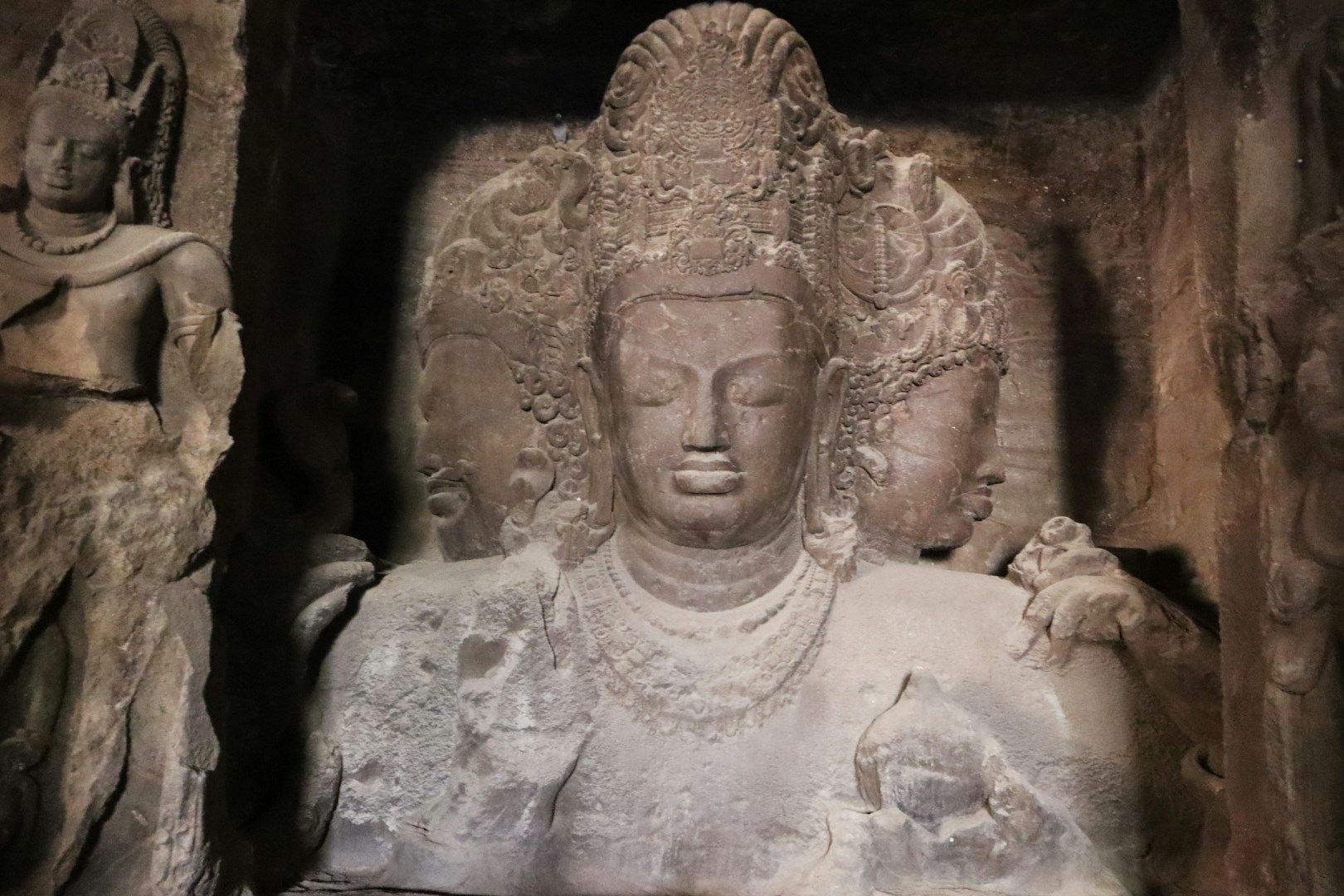
Elephanta Caves
Elephanta Caves are a group of rock-cut temples on Elephanta Island in Mumbai Harbour, Maharashtra, reached by ferry from Mumbai. Carved into basalt cliffs, the caves contain sculptures and architectural features dedicated mainly to Shiva, along with smaller Buddhist remains. The island is covered by forest and rises above the surrounding waters, creating a marked contrast with the dense urban landscape of Mumbai. The cave complex is recognized as an important example of Indian rock-cut architec
