
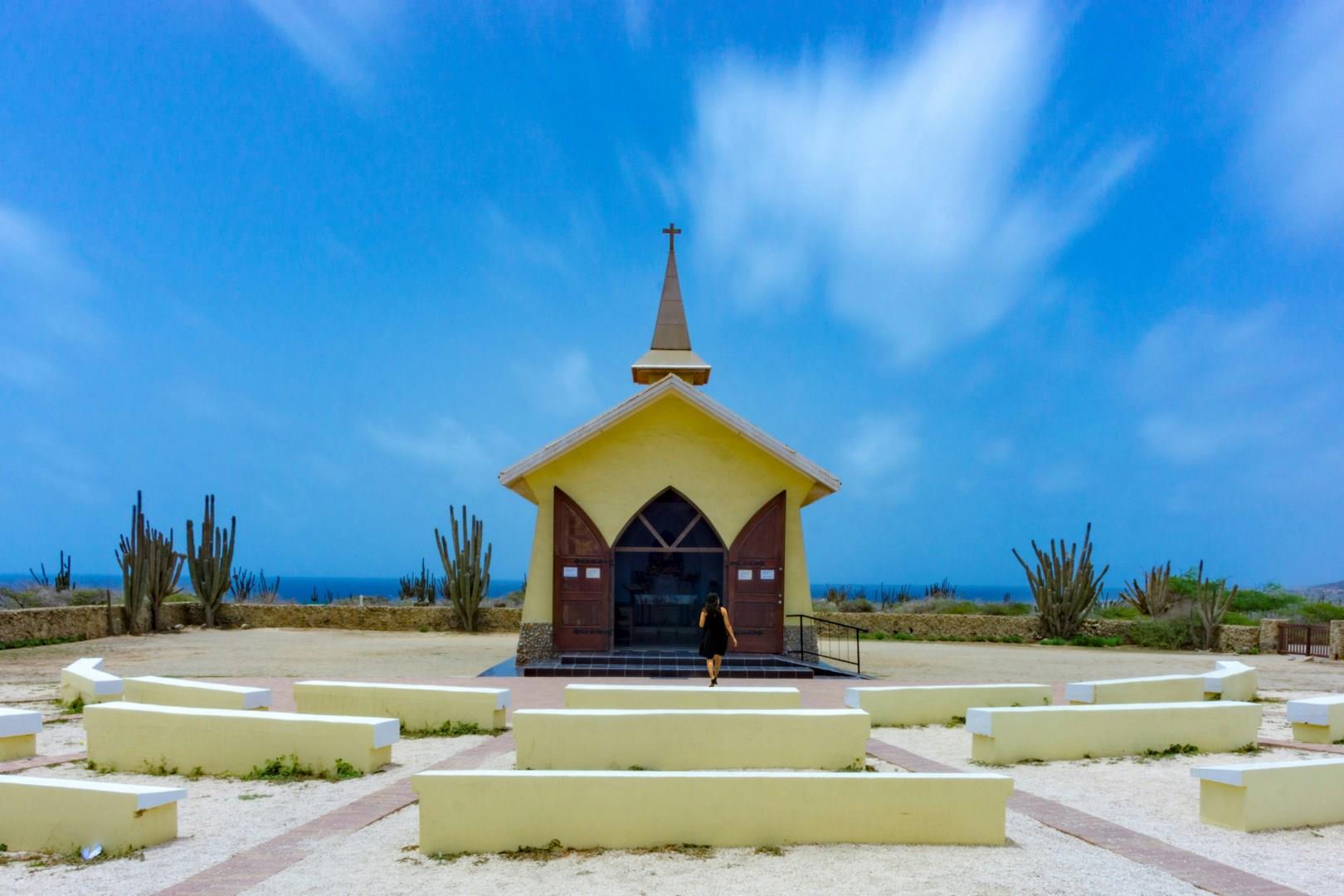
Noord
Noord, located on the northern tip of Aruba, is where much of the island’s lively tourism scene comes to life. This district is home to the famous Palm Beach, a two-mile stretch of soft sand lined with high-rise resorts, chic beach clubs, and a vibrant mix of restaurants and nightlife.

Klaksvik
Klaksvík, the second-largest town in the Faroe Islands, is a must-visit destination for those seeking a blend of nature, culture, and modern amenities. Nestled between two majestic fjords, this picturesque fishing town is surrounded by towering mountains and offers a stunning natural backdrop at every turn.
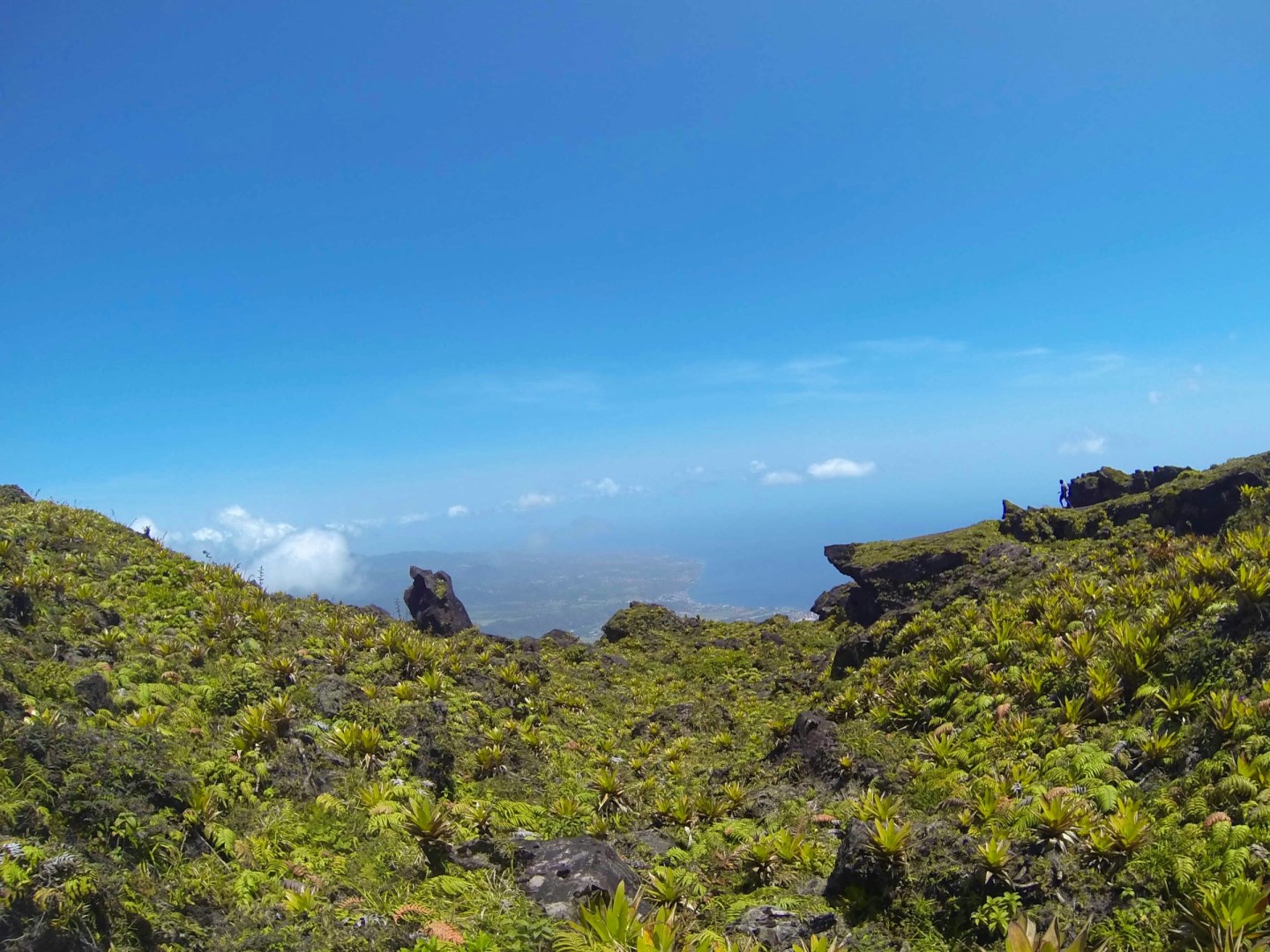
Saint-Pierre
Saint-Pierre is a historic coastal town in northern Martinique, set between the Caribbean Sea and the slopes of Mount Pelée. Once the island’s principal port and commercial centre, the town was destroyed by the volcano’s eruption and later rebuilt around surviving ruins and archaeological remains. Today, Saint-Pierre is recognized as a Town of Art and History, with a landscape that combines the sea, volcanic mountain, historic streets, and remnants of the former city.
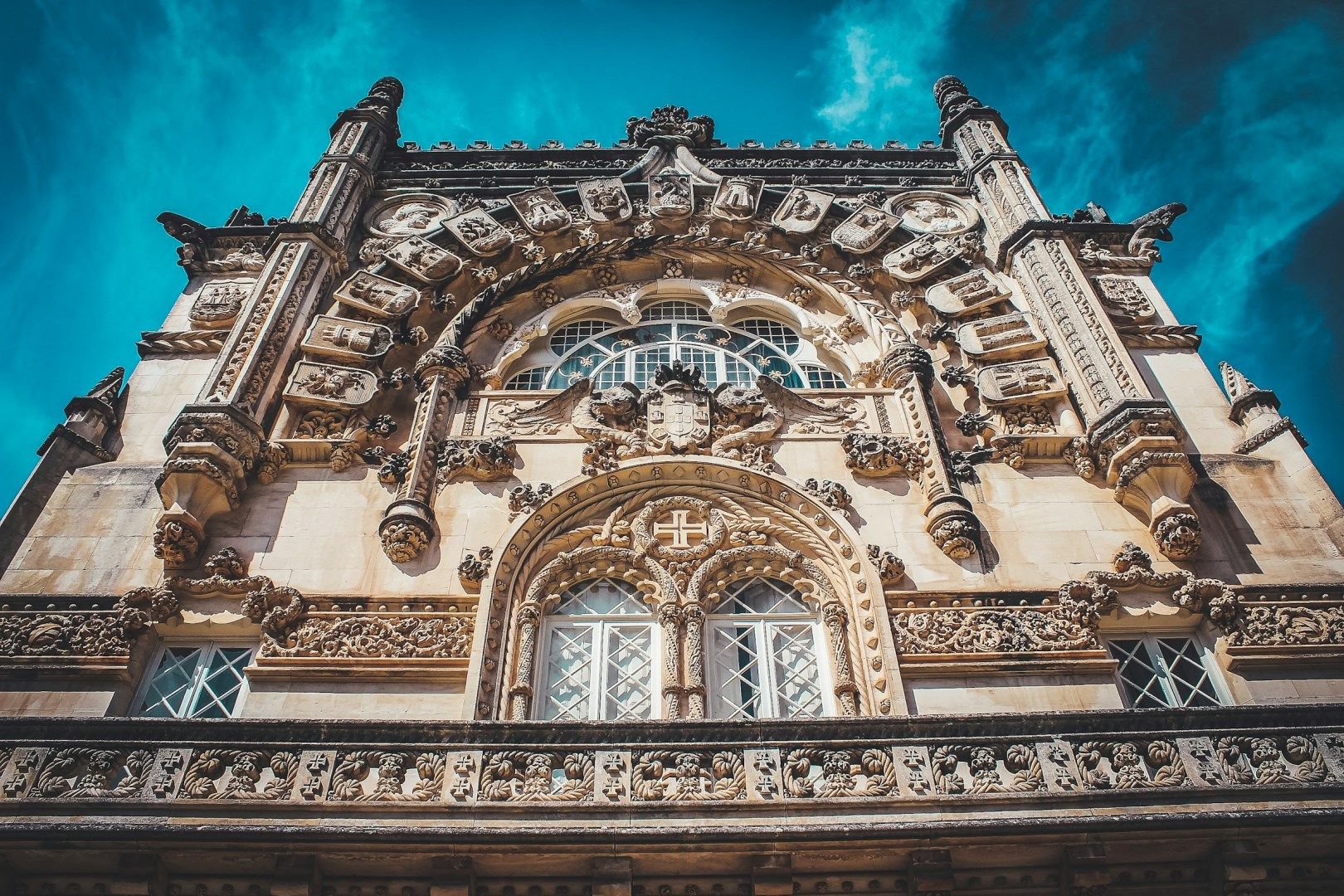
Portugal
Portugal offers a layered experience shaped by maritime history, deep-rooted traditions, and a coastline that stretches for nearly 1,800 kilometers. In Lisbon, the streets of Alfama wind uphill toward São Jorge Castle, where views of red-tiled rooftops and the Tagus River reveal how the city was rebuilt after the 1755 earthquake. Trams still clatter through narrow streets, and fado music, often performed in candlelit taverns, tells stories of longing and the sea.

Lesbos
Lesbos, an enchanting island in the northern Aegean Sea, is a destination that seamlessly blends rich history with natural beauty. Known for its picturesque landscapes, Lesbos is also famous for its ancient sites and vibrant cultural scene. One of its key historical attractions is the ancient city of Mithymna, also known as Molivos, where you can explore the ruins of a Byzantine castle and enjoy stunning views of the surrounding sea and hills.
