

Virgin Islands
The Virgin Islands, an archipelago in the northeastern Caribbean, are divided between the United States and the United Kingdom, each offering a distinct flavor while sharing the same breathtaking landscapes. These islands are known for their lush hillsides, crescent-shaped beaches, and some of the clearest waters in the region.

Santa Cruz de La Palma
Santa Cruz de La Palma is the capital of the island of La Palma, one of the seven Canary Islands. Although often forgotten in favor of the similarly named Santa Cruz de Tenerife, it is a compact and colorful colonial town well worth a visit. Swimming, paragliding, and hiking and some of the most popular daytime activities, while stargazing is a favorite pastime after the sun goes down.
Liberia
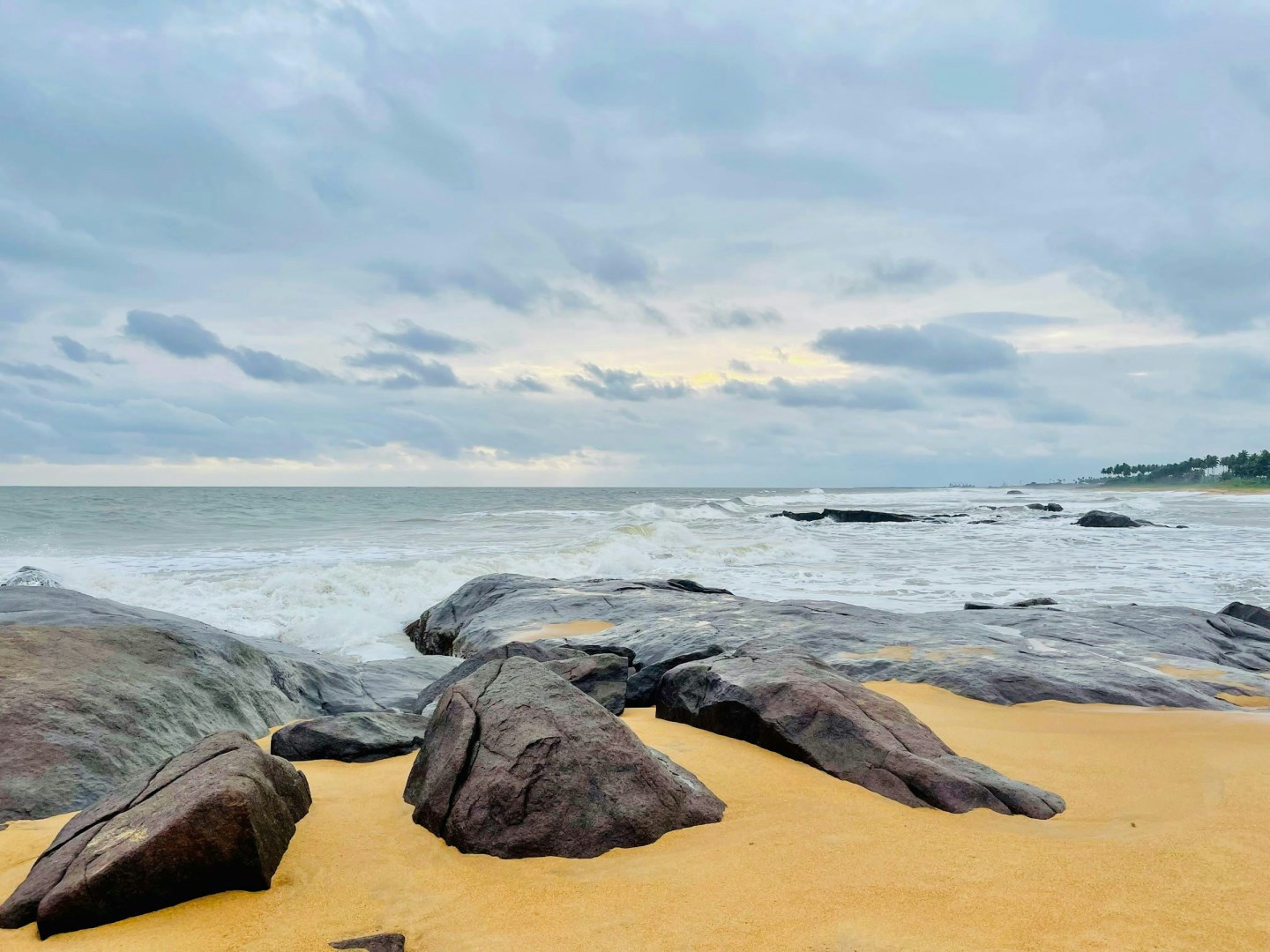
Liberia, republic in western Africa, bounded on the north by Sierra Leone and Guinea, on the east by Côte d'Ivoire, and on the south and west by the Atlantic Ocean. Liberia has an area of 99,067 sq. km (38,250 sq. mi.). Liberia was founded in the early 1800s by freed American slaves. Monrovia is the capital and largest city.
Milne Bay
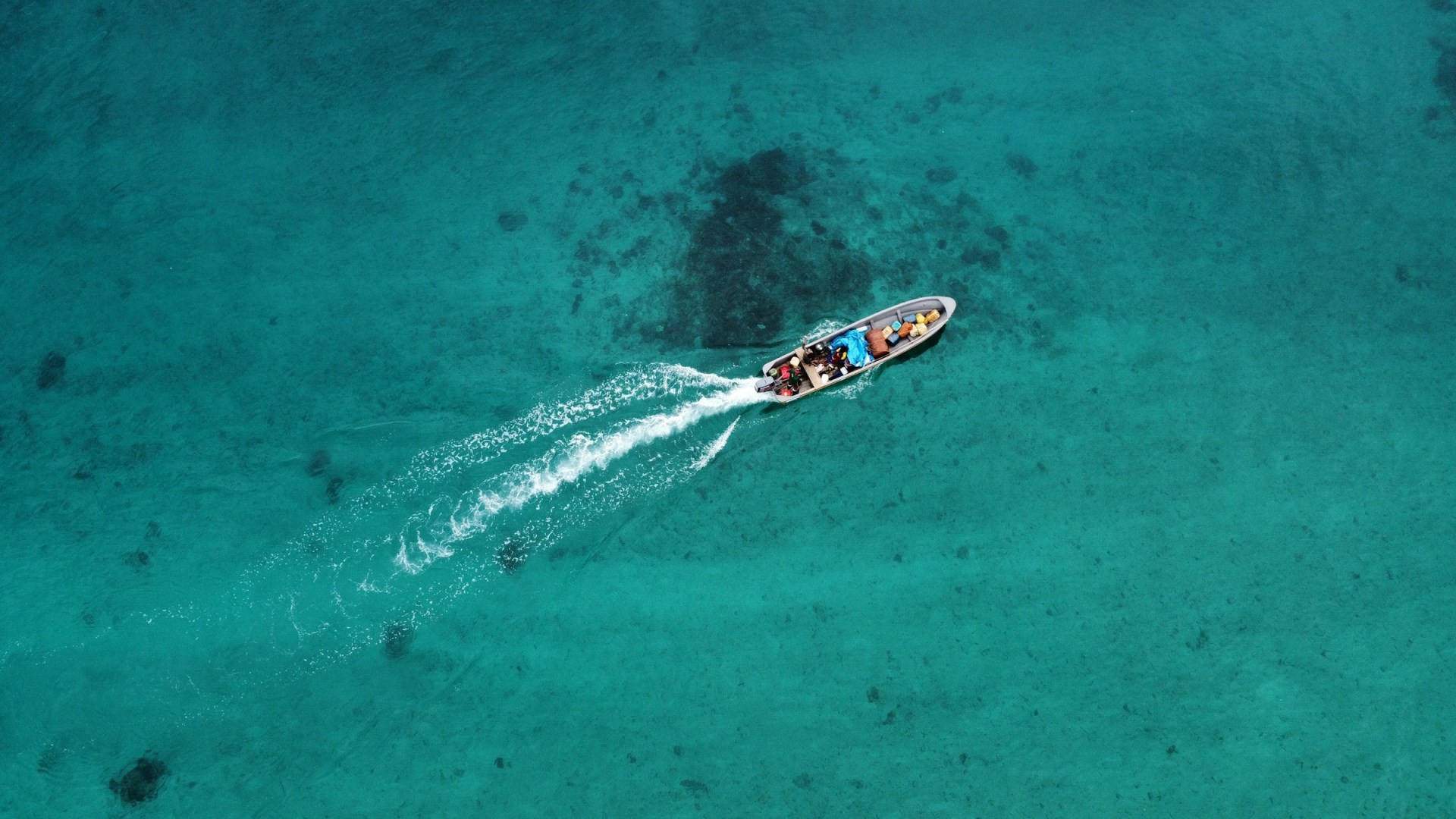
Milne Bay is a large, island-dotted body of water in southeastern Papua New Guinea and the center of a province with one of the country’s most complex coastal landscapes. The bay extends around the southeastern tip of New Guinea and includes numerous islands, reefs, channels, and sheltered coves.
Peso da Régua
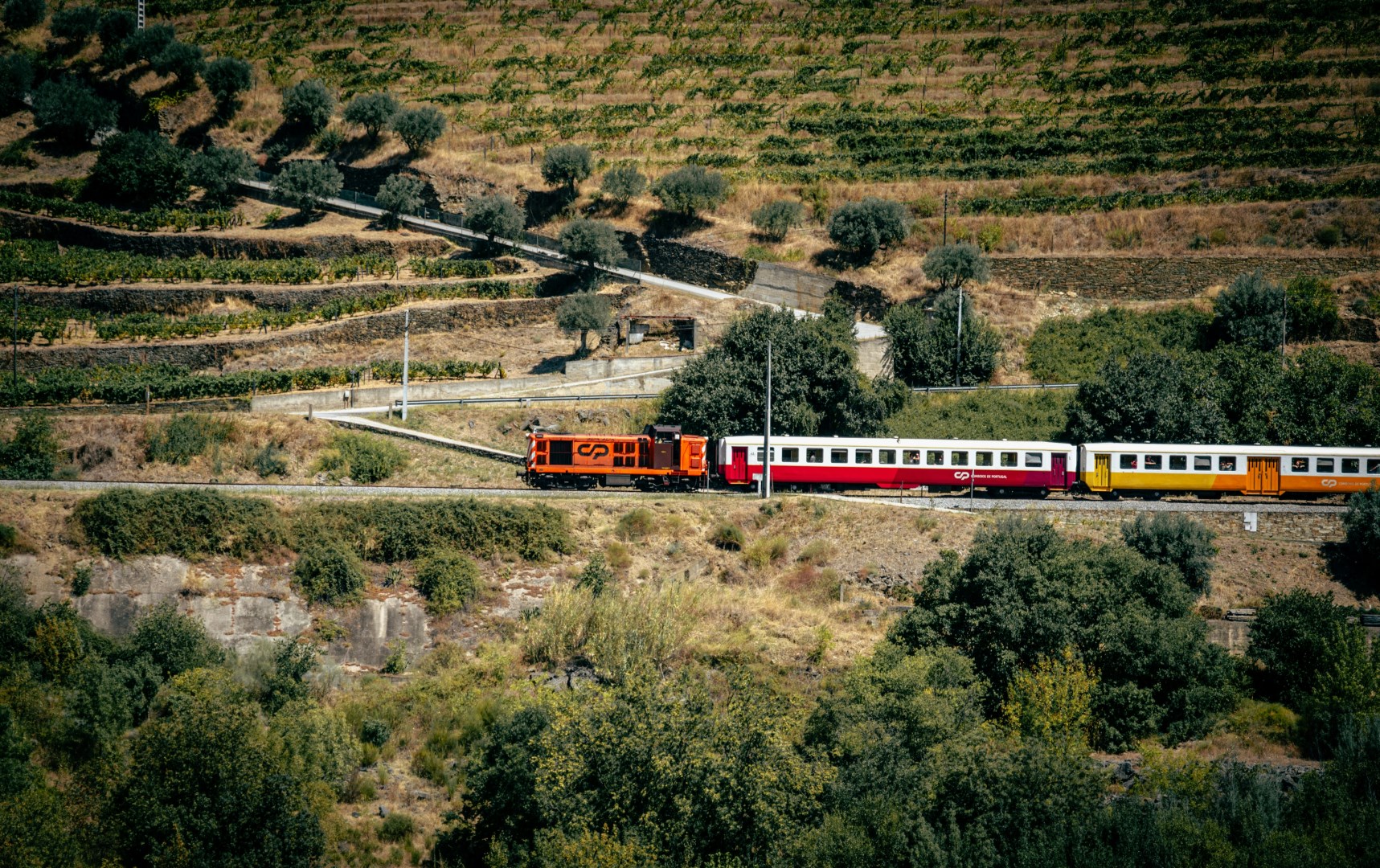
Peso da Régua, often called the gateway to Portugal's Douro Valley, sits along the banks of the Douro River and is surrounded by steep, terraced vineyards. The town has long been central to the production of the world-famous Port wine, and visitors can explore the rolling hills covered with neatly arranged grapevines that climb dramatically from the river’s edge. The town itself offers a quiet riverside charm, with narrow streets, historic buildings, and scenic viewpoints.
