
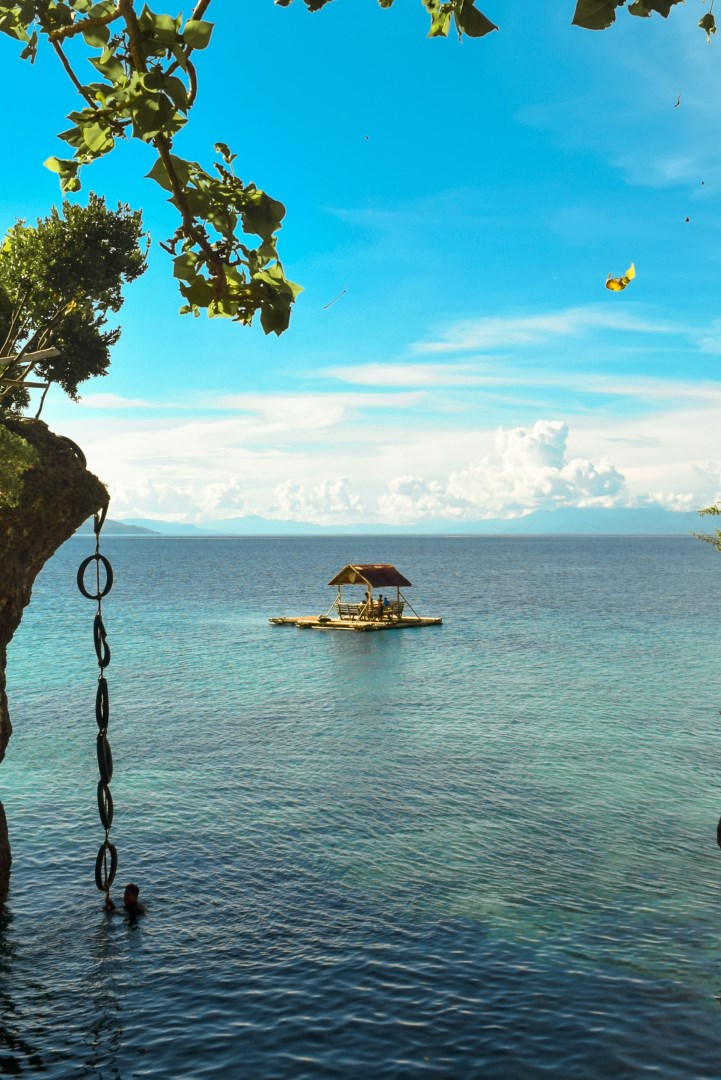
Limasawa
Limasawa is a small island municipality in Southern Leyte, Philippines, located at the southern end of Leyte Gulf. Its landscape is defined by forested hills, rocky and sandy shorelines, clear coastal waters, and small agricultural areas. The island is made up of several barangays, with Limasawa town serving as the local administrative center.

Haugesund
Haugesund, located on the southwestern coast of Norway, is known for its rich Viking heritage and natural landscapes. The town's maritime history is celebrated at the Nordvegen History Centre, where you can learn about the Viking kings who once ruled the area. Nature enthusiasts will appreciate the proximity to the Folgefonna Glacier, where they can enjoy guided glacier hikes and breathtaking views of the surrounding fjords.
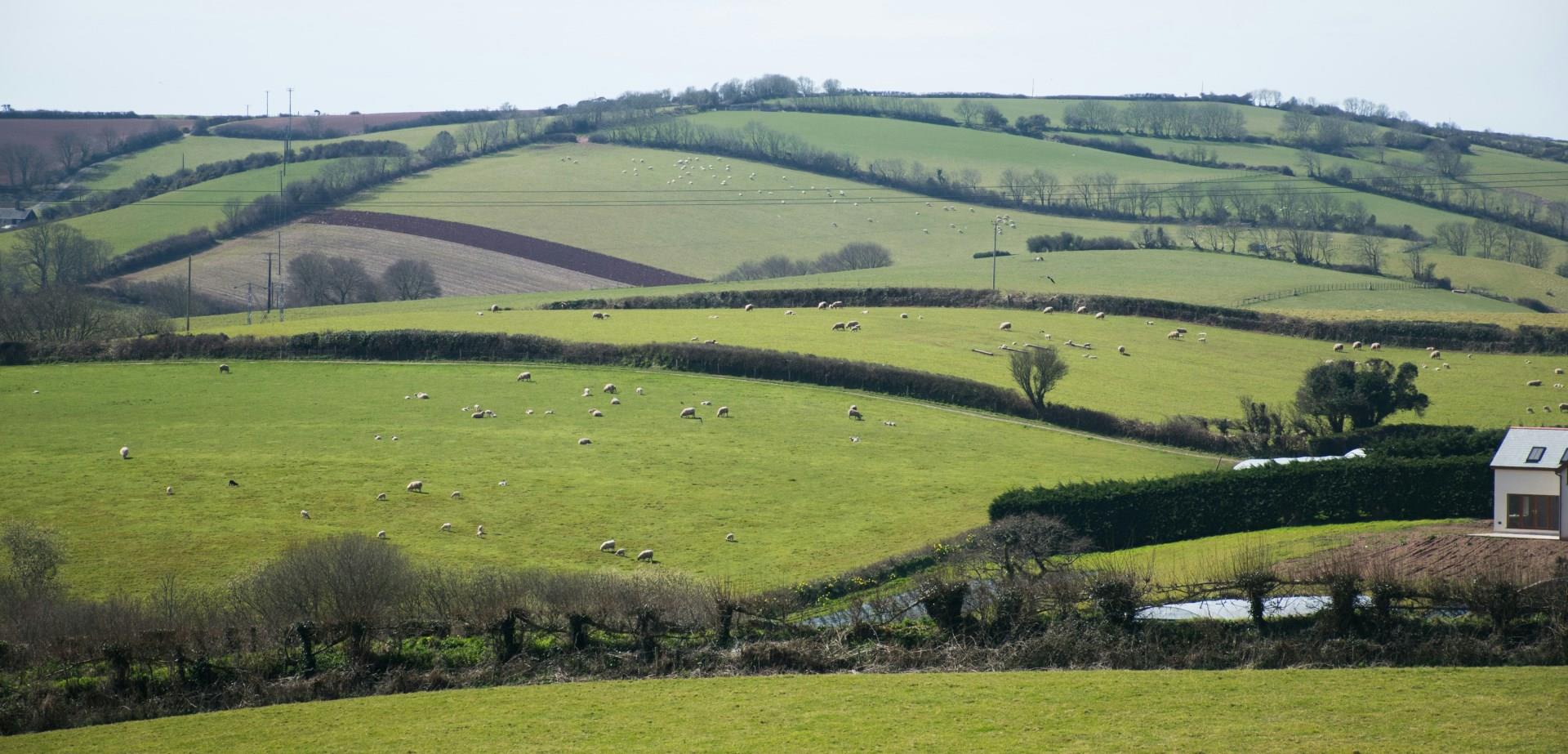
Devon
Devon occupies England’s southwest peninsula, a county shaped by seafaring, farming, and long continuity of settlement. Its history stretches from prehistoric sites on Dartmoor through Roman roads and medieval ports to towns that grew wealthy on trade and shipbuilding.

Speyer
Speyer, located in the Rhineland-Palatinate region of Germany, is a city rich in history and culture. One of its most notable landmarks is the Speyer Cathedral, a UNESCO World Heritage Site and one of the largest Romanesque churches in the world.

Puno
Situated on the shore of Lake Titicaca, Puno is referred to as the folkloric capital of Peru due to its artistic and cultural expressions, particularly dance. Notable landmarks include the Andean baroque-style Puno Cathedral and the Yavari, a 19th-century steamship. Products created from alpaca, llama, or sheep wool are a signature of the area, as well as musical instruments like the siku.
