
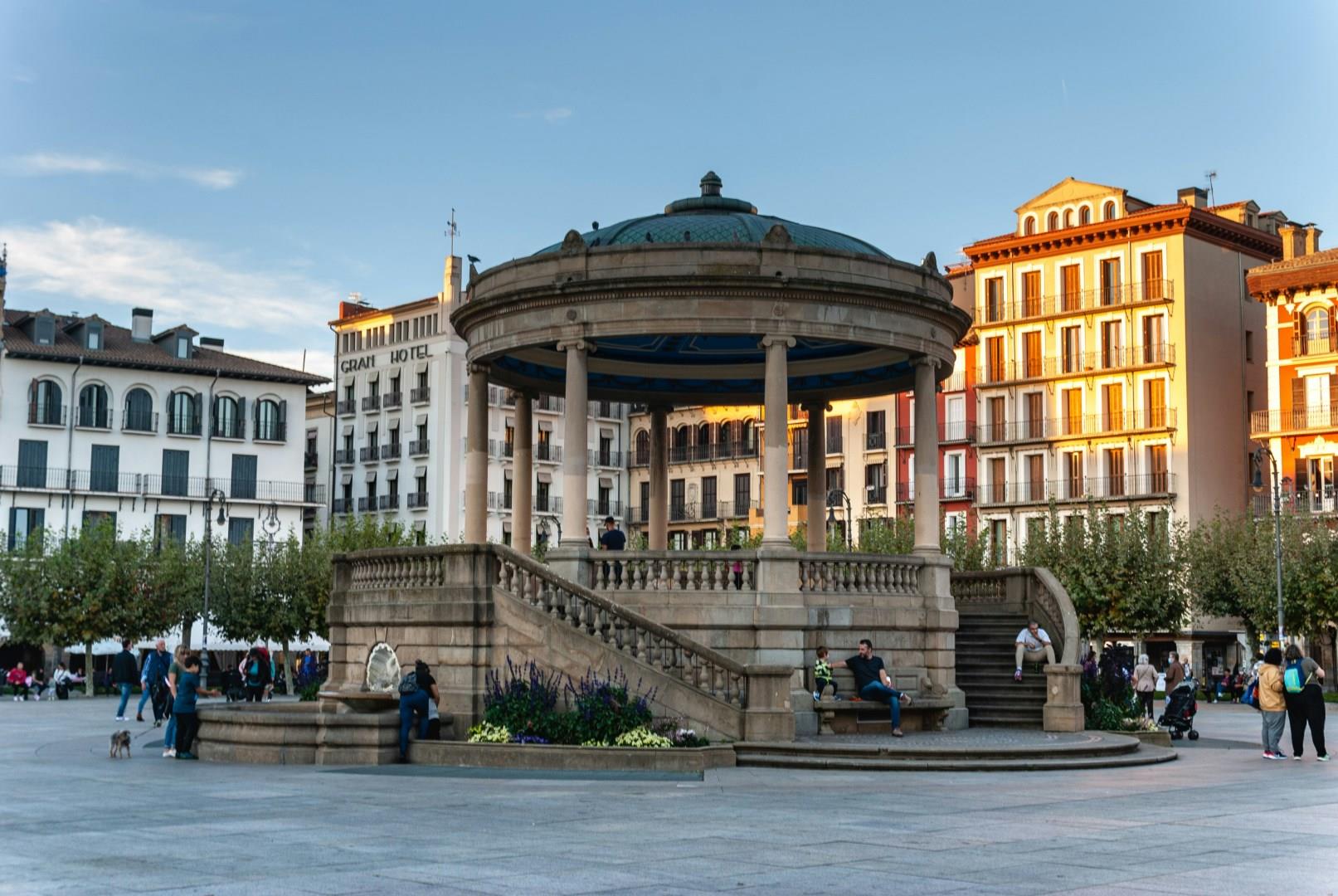
Pamplona
Pamplona, the capital of Spain’s Navarre region, is best known worldwide for the Running of the Bulls during the San Fermín festival each July. But beyond the brief rush of that event lies a city steeped in medieval history, Basque influence, and a slower pace that surprises many visitors. One of the most significant aspects of Pamplona is its place on the Camino de Santiago, the ancient pilgrimage route to Santiago de Compostela.

Lewa Wildlife Conservancy
Lewa Wildlife Conservancy lies in northern Kenya at the foothills of Mount Kenya, where open savannah, wooded hills, and seasonal rivers create a varied and striking landscape.

Kraków
Kraków lies in southern Poland along the Vistula River and serves as one of the country’s most recognized cultural centers. Its layout is shaped by a well-preserved historic core, with streets radiating from a large central square. The city retains a human scale, where daily life unfolds among historic buildings, universities, and markets. It stands apart for its continuity of urban life, where medieval structures coexist with modern institutions without dramatic contrast.
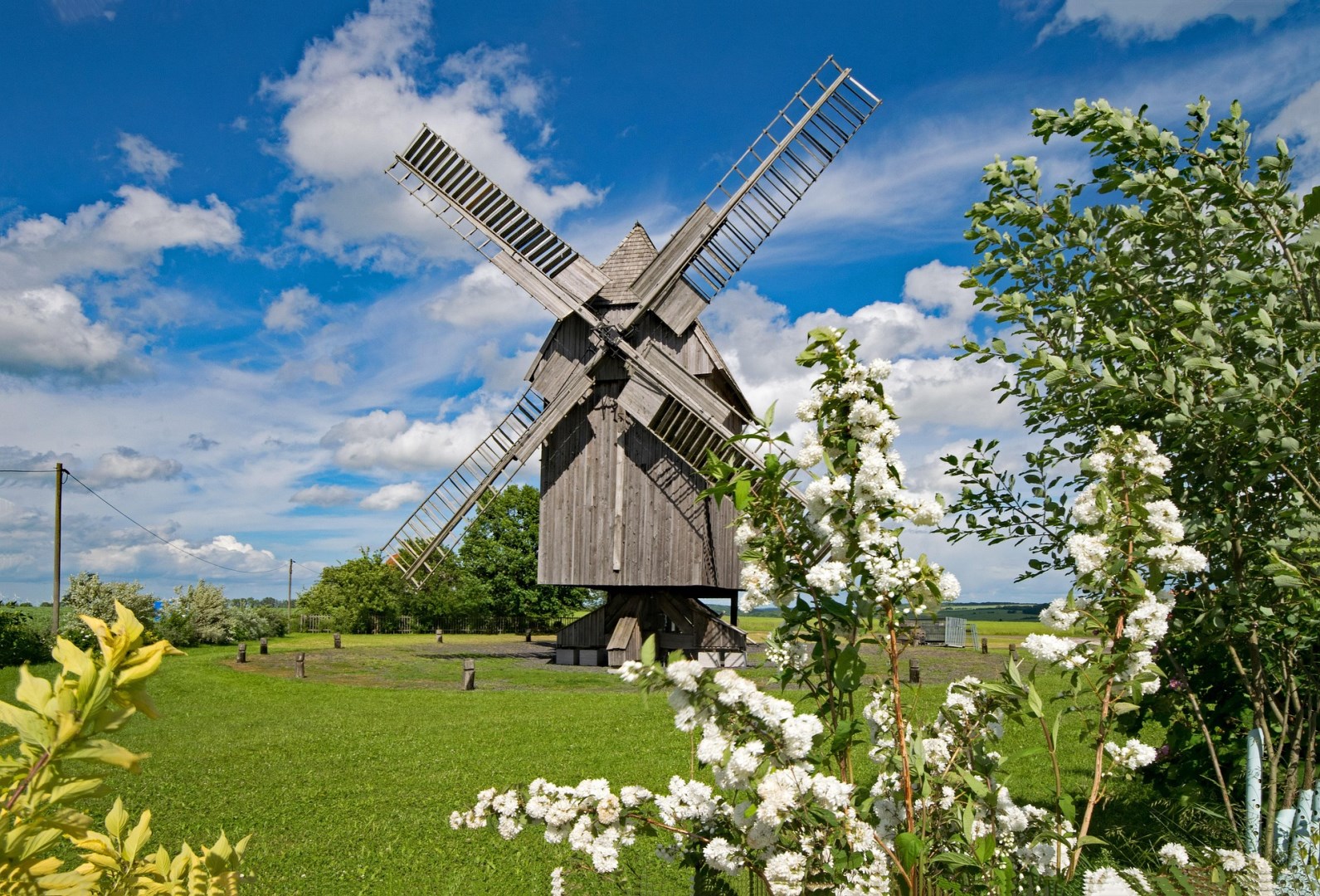
Jena
Jena is surrounded by limestone slopes about 400 m high, botanical and geological features ,amongst which are 40 types of orchids. Jena is also famous for the Optical Museum.
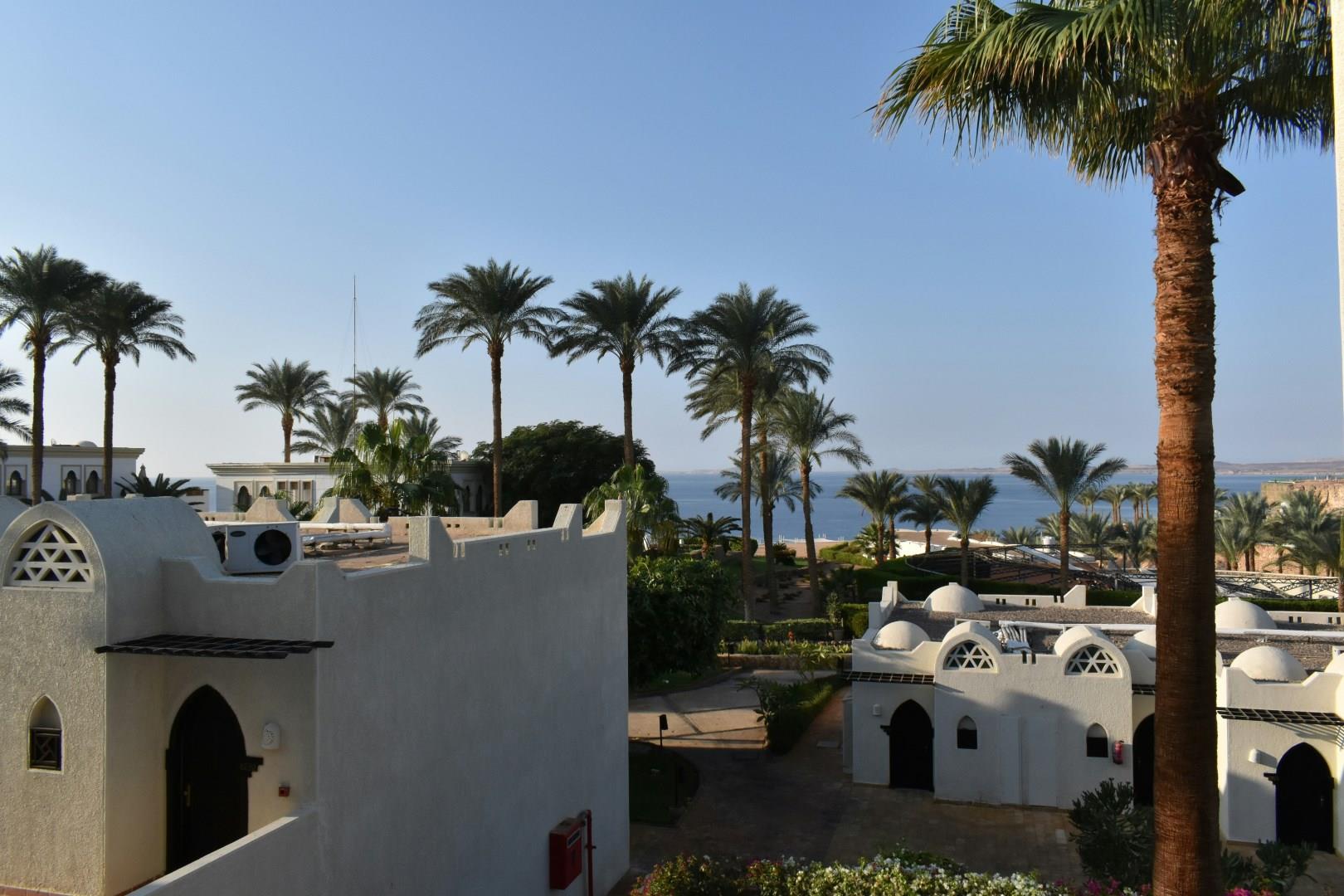
Sharm El Sheikh
Sharm El Sheikh sits on the southern tip of Egypt’s Sinai Peninsula, where the sparkling Red Sea meets desert ridges and wide skies. From its beginnings as a small fishing village it has grown into one of the world’s most recognized seaside destinations, drawing travelers to explore coral reefs, seaside promenades, and desert landscapes all within easy reach.
