

Oregon
Oregon invites travelers to experience landscapes and stories that shift dramatically from one region to the next. In the south, Crater Lake National Park holds the title of deepest lake in the U.S., formed inside the remains of an ancient volcano. With its intense blue color and dramatic cliffs, the lake draws visitors year-round for hiking, snowshoeing, or simply standing in awe.

Island Of Mozambique
The Island of Mozambique, a UNESCO World Heritage Site, is a historical gem nestled off the northern coast of Mozambique. This small island, which was once a pivotal trading post, boasts a rich tapestry of history and culture. The island's main attraction is the Fort São Sebastião, an imposing 16th-century fortress built by the Portuguese to protect their trading interests.

Húsavík
Nestled on the shores of Skjalfandi Bay in northern Iceland, Husavik offers visitors the unique chance to witness humpback whales, minke whales, and even the occasional blue whale in their natural habitat. The town is also home to the Husavik Whale Museum, which provides fascinating insights into the marine life of the region and the history of whaling in Iceland.
Reynosa
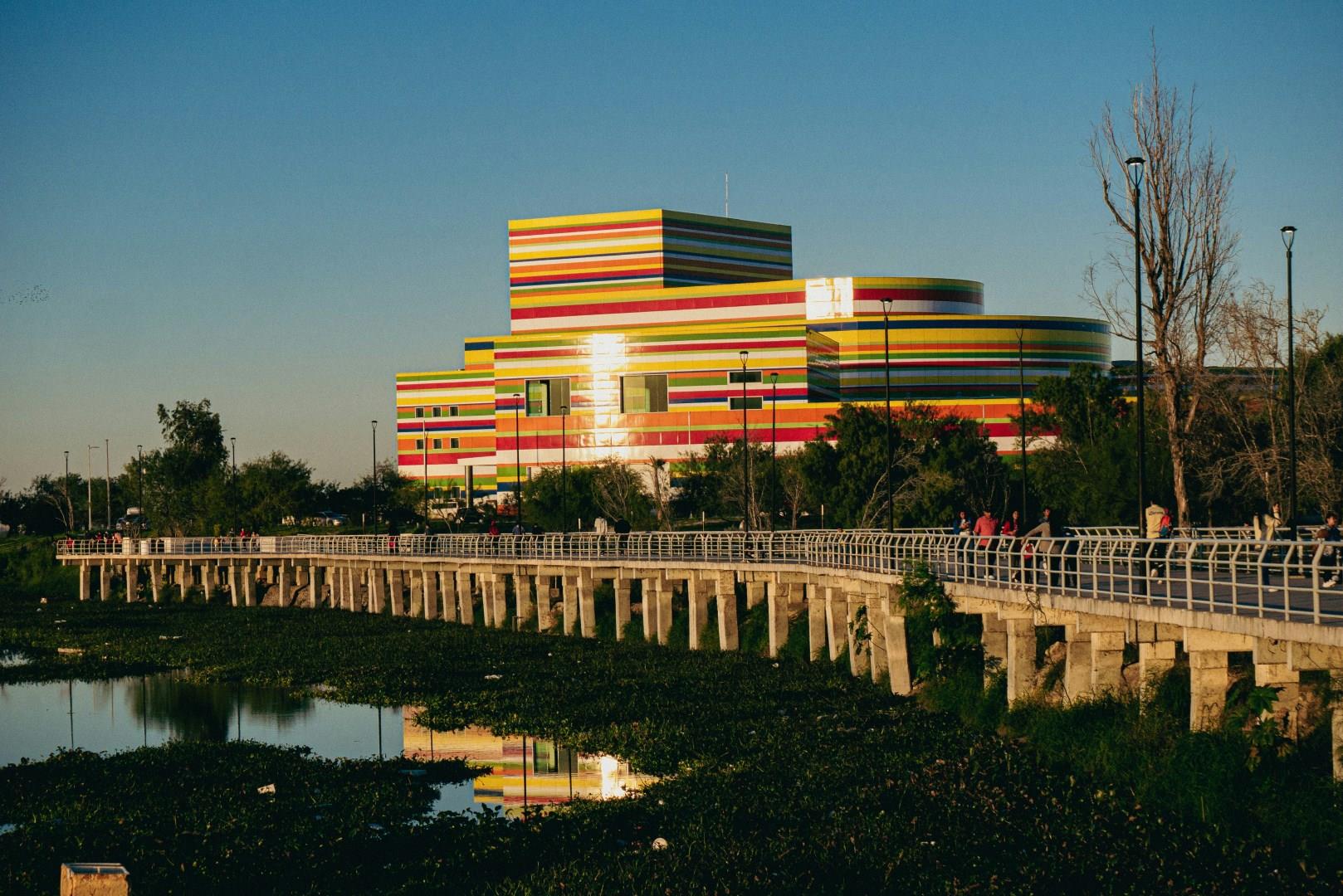
Reynosa, located along the northern border of Tamaulipas, is a city shaped by its position as a cultural and economic bridge between Mexico and the United States. Founded in 1749, Reynosa has grown into a vital manufacturing and trade center, but it also holds onto traditions that reflect both its regional roots and binational influences. The Plaza Principal is a popular gathering spot, often hosting live music and seasonal festivals.
St Ouen
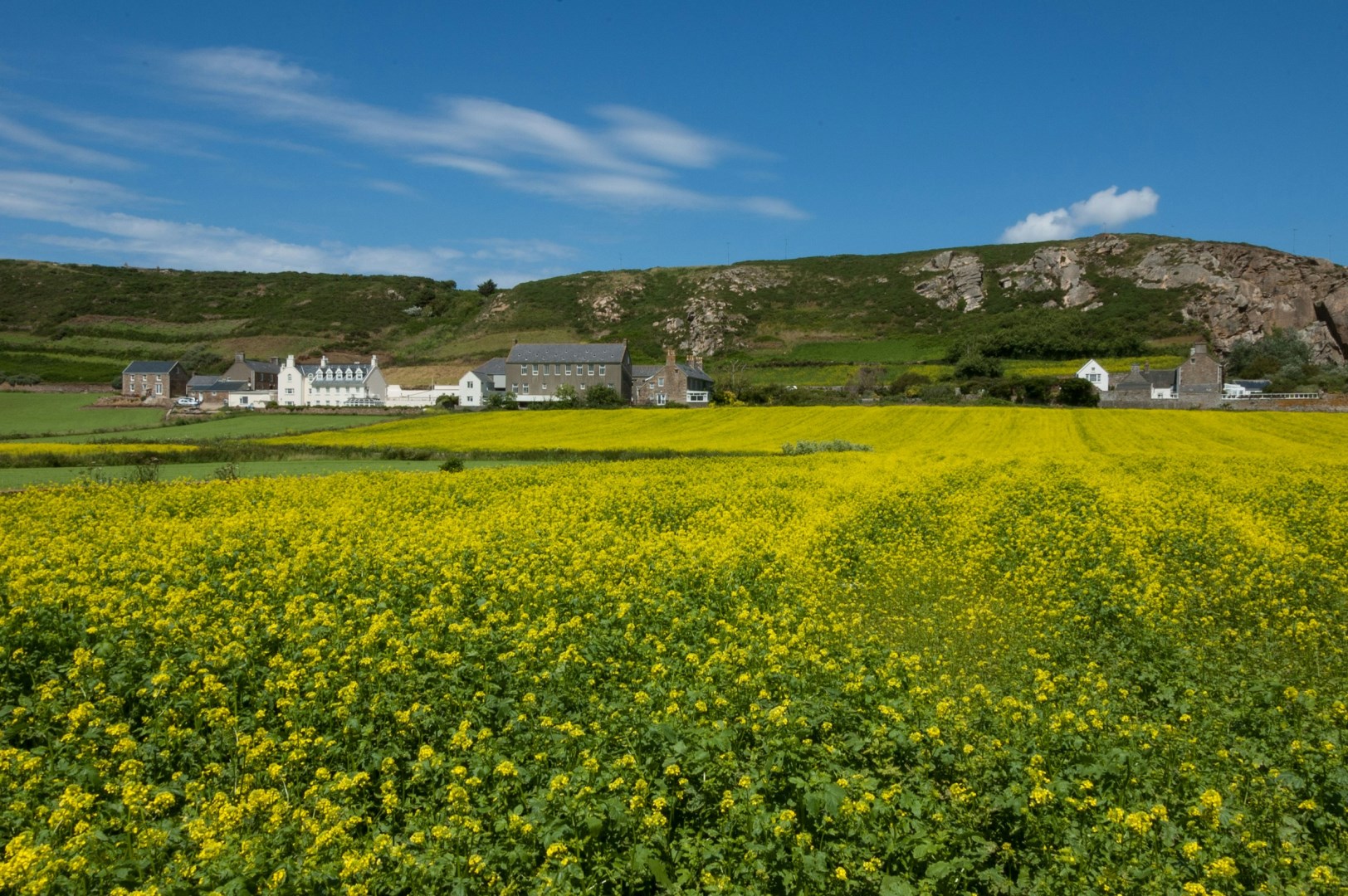
St Ouen is a rural parish on the northwestern side of Jersey, occupying much of the island’s largest bay and a broad area of open countryside. Its landscape is defined by long beaches, dunes, heathland, fields, and a rugged Atlantic coastline. St Ouen’s Bay stretches for about eight kilometres and is closely associated with Jersey’s surfing tradition, while the parish’s inland lanes lead through farmland and small settlements.
