

Aberdeen
ABERDEEN -- Scotland's third-largest city (pop. 187,000) is characterized by buildings of beautiful white granite. Set beside the North Sea, Aberdeen is both a university town and the capital of the Scottish oil boom. It is also one of Scotland's largest seaside resorts (though its appeal is confined to those who like their water well-chilled).
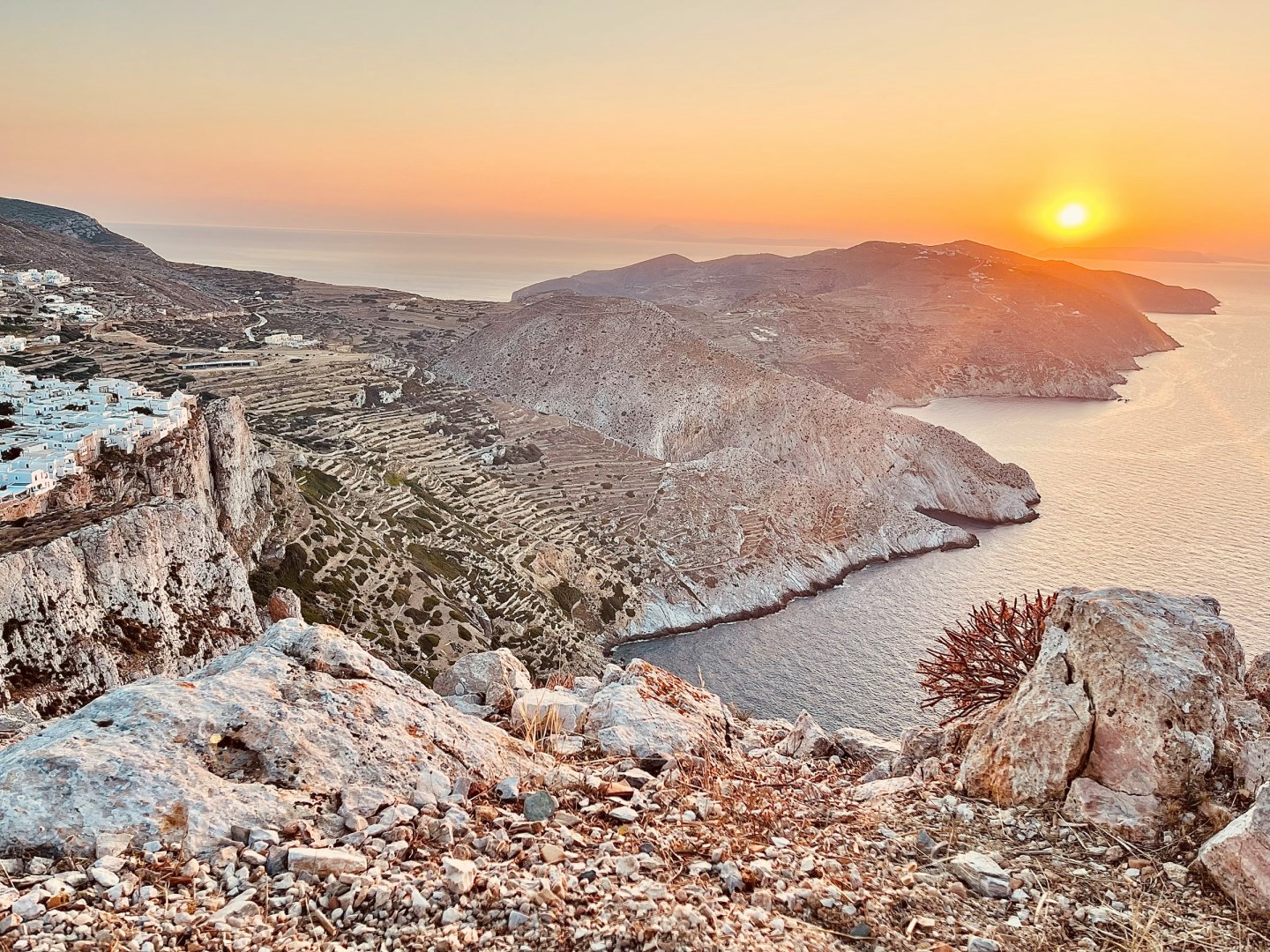
Folégandros
Folégandros is a small Cycladic island in the Aegean Sea, known for its steep cliffs, dry hills, whitewashed villages, and traditional stone architecture. Its main settlement, Chora, sits more than 200 metres above sea level and extends around the medieval Kastro, a fortified district built near the edge of the cliffs.

Norway
Norway offers a landscape shaped by glaciers, framed by fjords, and steeped in Viking history. The country's coastline stretches for over 100,000 kilometers if you count every inlet and island, which makes it one of the longest in the world. Travelers can take a ferry through the Geirangerfjord or cruise along the Lofoten Islands, where steep mountain peaks rise dramatically from the sea. These routes aren’t just scenic; they’ve been lifelines for coastal communities for centuries.
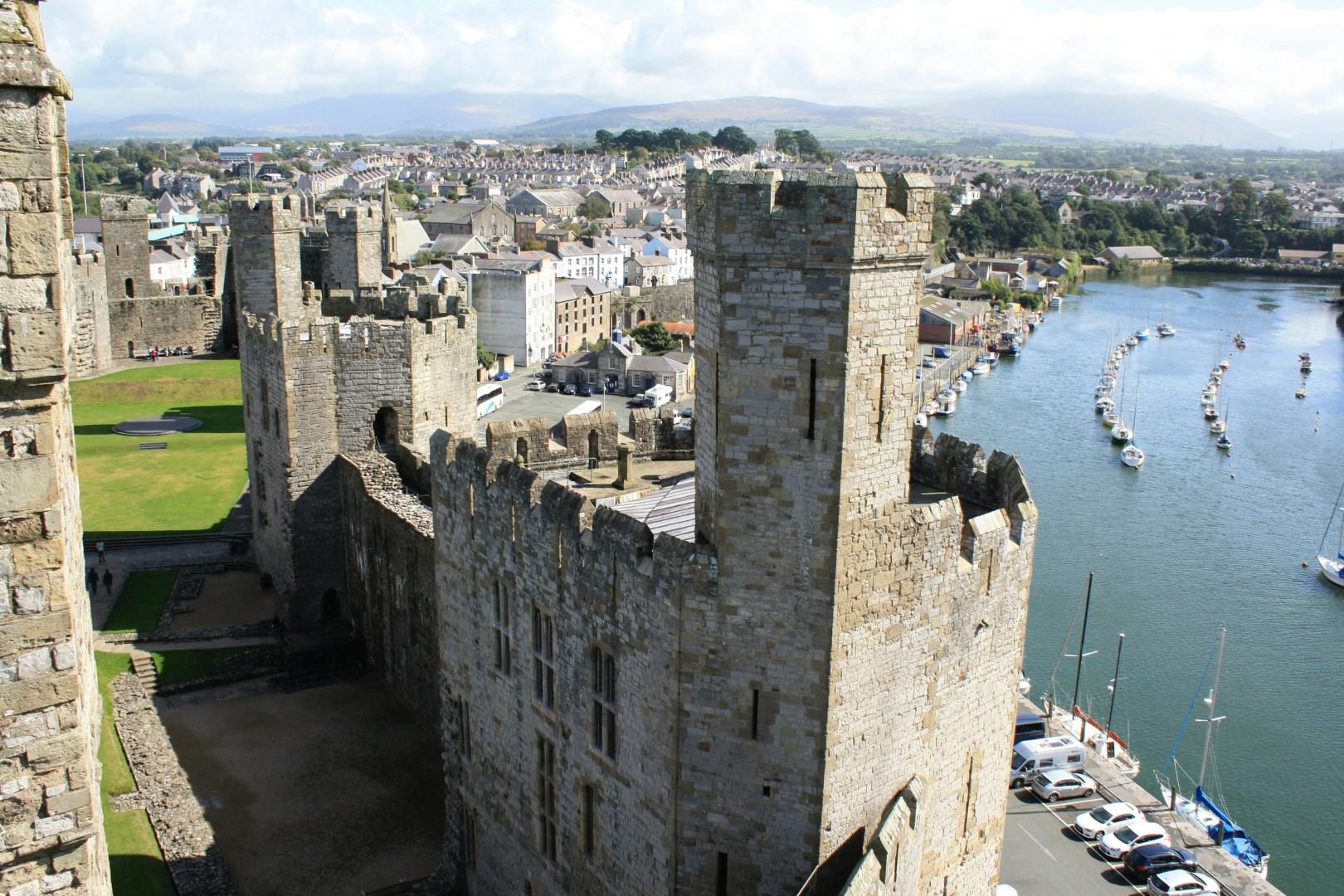
Caernarfon
Caernarfon, a town in northwest Wales, is famed for its medieval heritage, most notably Caernarfon Castle, a UNESCO World Heritage Site built by Edward I in the late 13th century.
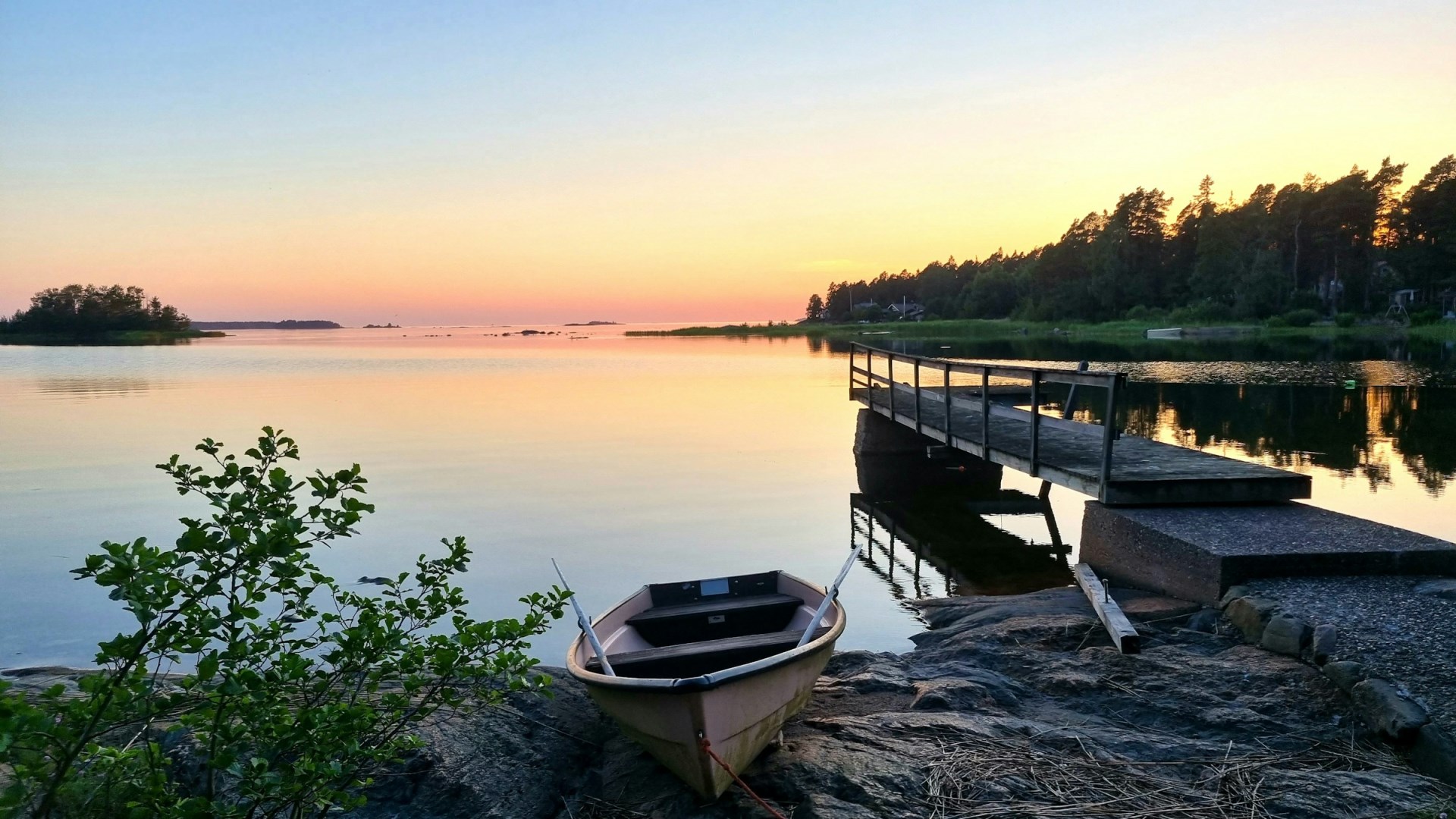
Rauma
Rauma is a historic coastal town in western Finland, located on the Gulf of Bothnia and known for its well-preserved wooden Old Rauma district. Narrow lanes, colorful timber houses, small courtyards, and irregular street patterns give the historic center a distinctive appearance. Outside the old town, Rauma remains an important port and industrial center, while the surrounding coast contains islands, rocky shores, and forested landscapes.
