
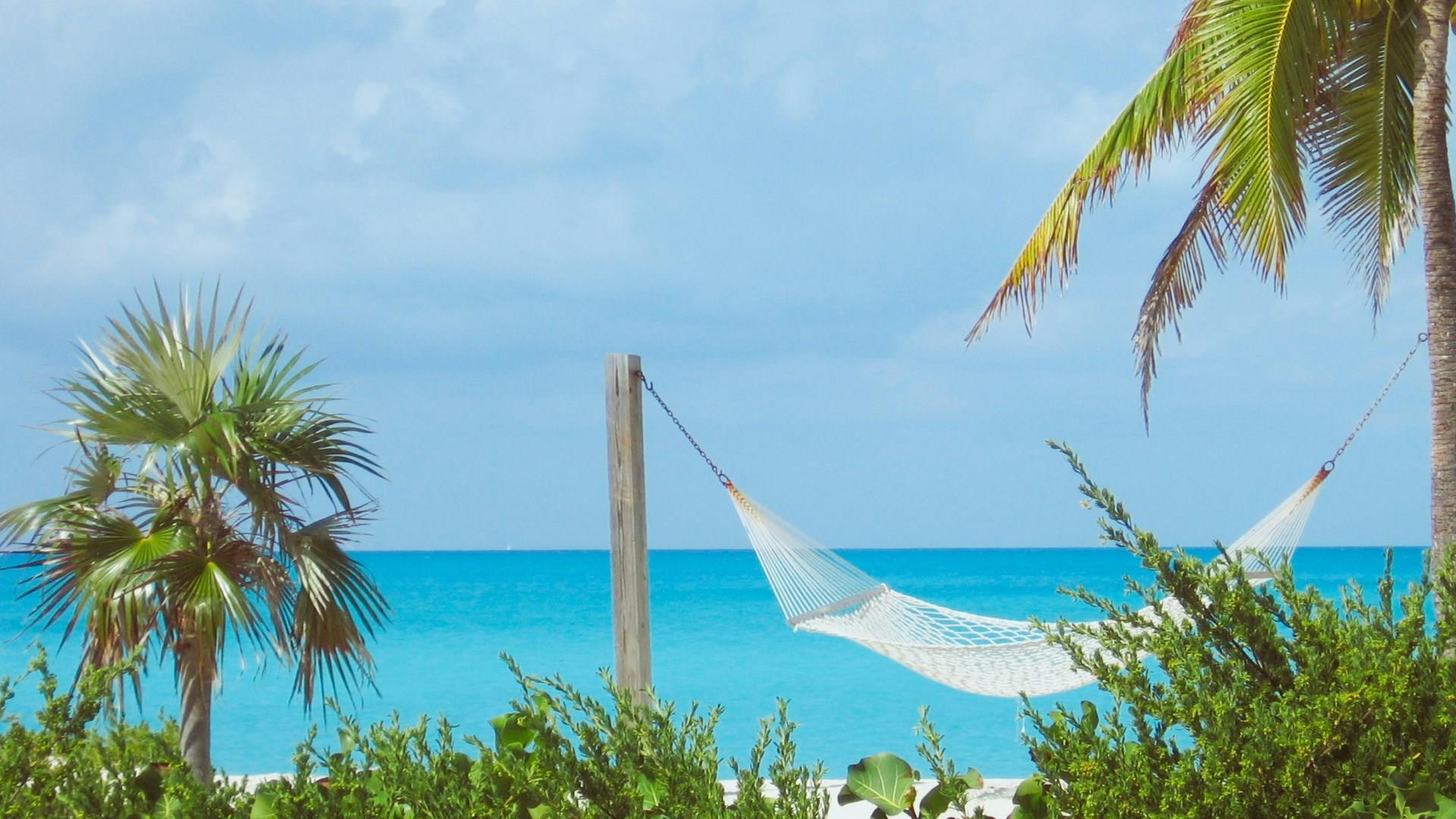
Cat Island
Cat Island, one of the more unspoiled Out Islands of The Bahamas, is a destination that feels worlds away from the busier resort hubs. Stretching about 50 miles long, the island is lined with pink-sand beaches, rolling green hills, and quiet fishing villages where time seems to stand still.
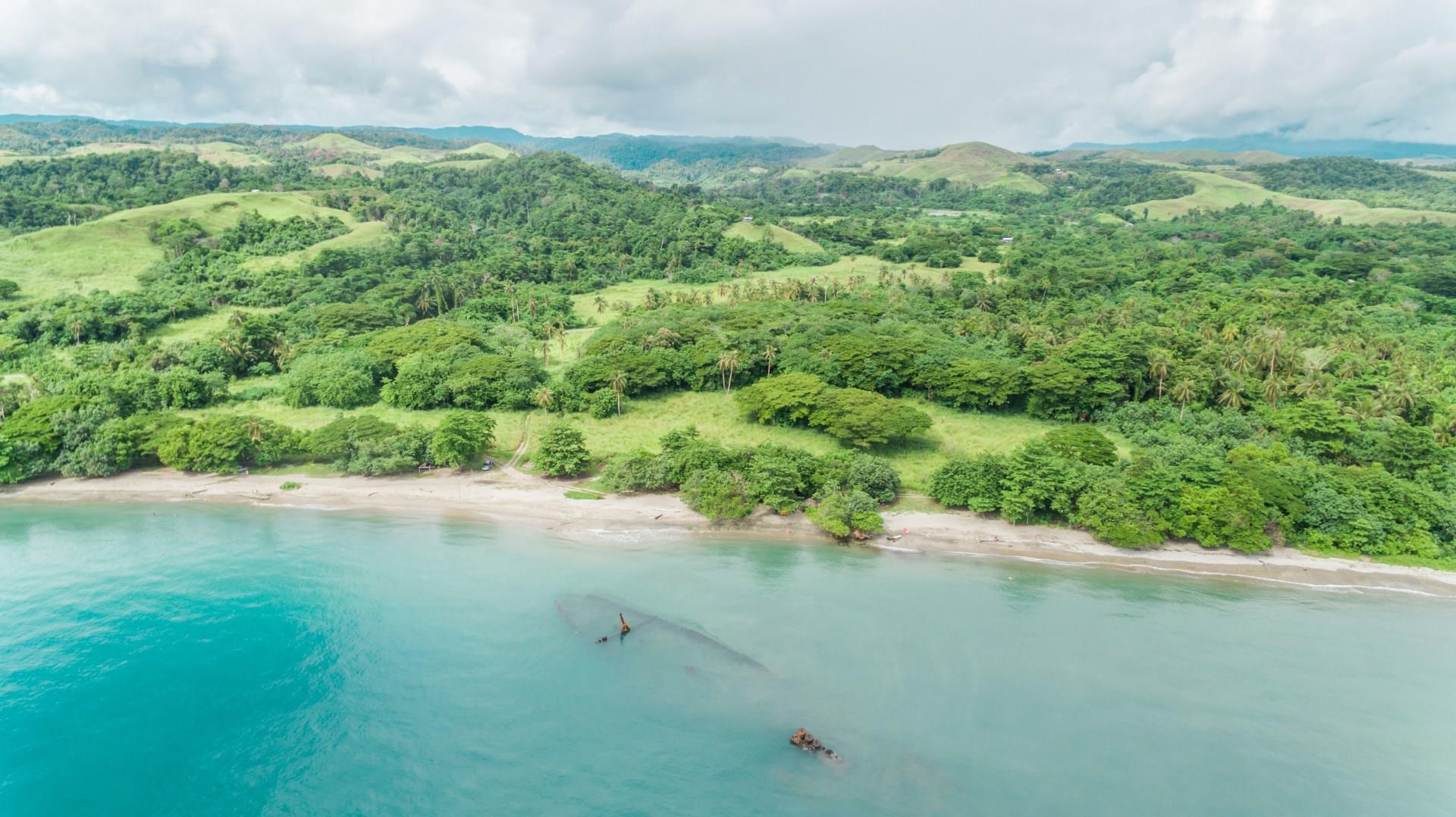
Guadalcanal Island
Guadalcanal, the largest island in the Solomon Islands, offers a captivating blend of history, natural beauty, and vibrant culture. This Pacific paradise is most famously known as the site of a pivotal World War II battle, where Allied forces fought fiercely against Japanese troops. Visitors can explore this rich history at the Vilu War Museum, which houses relics, artifacts, and memorials that bring the island's past to life.
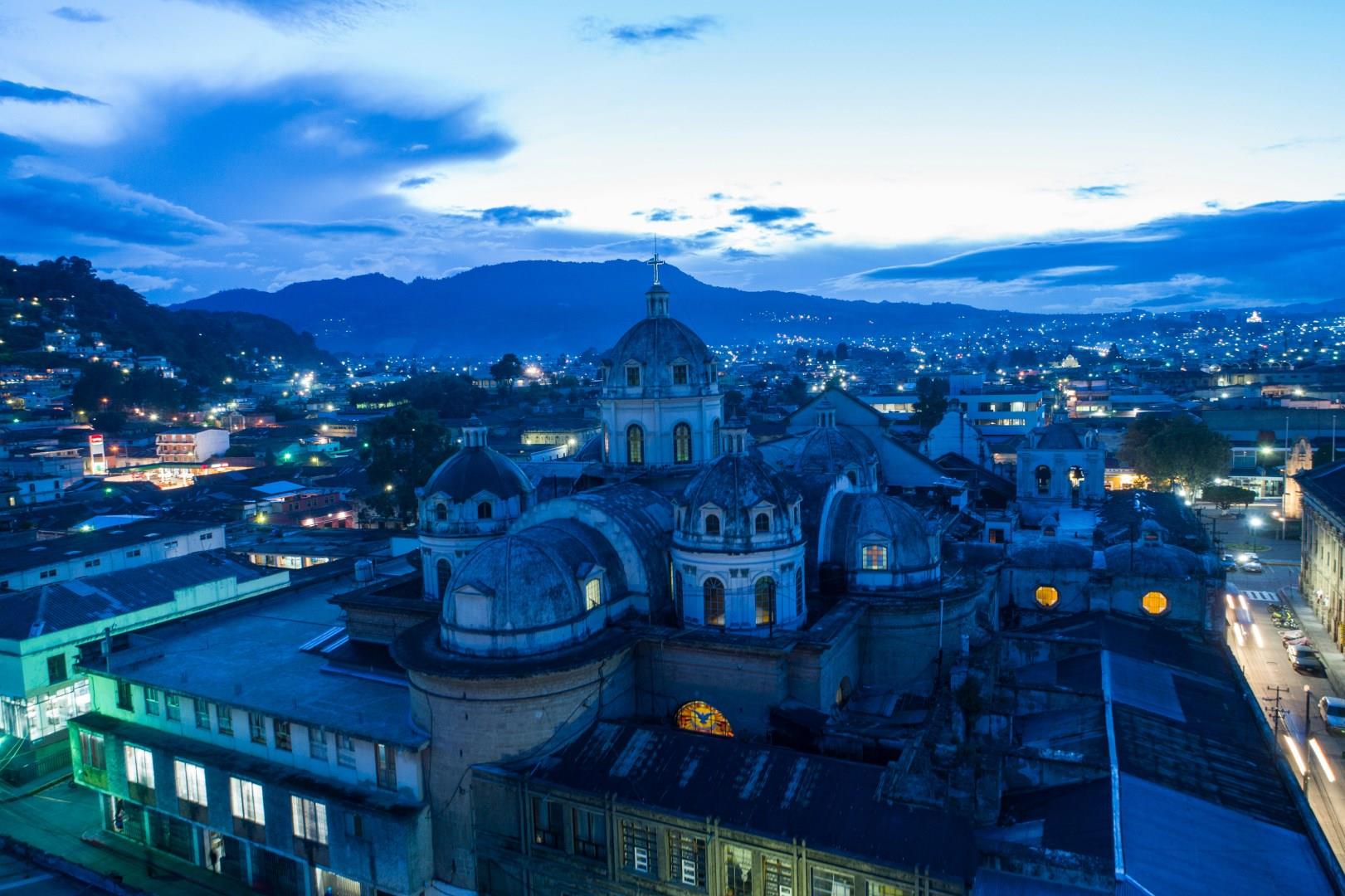
Quetzaltenango
Quetzaltenango, often called Xela by locals, is Guatemala’s second-largest city and a hub of indigenous culture, colonial history, and highland landscapes. Surrounded by volcanoes, including the towering Santa María, the city sits at over 7,600 feet above sea level, giving it a crisp mountain climate that contrasts with the country’s tropical lowlands.
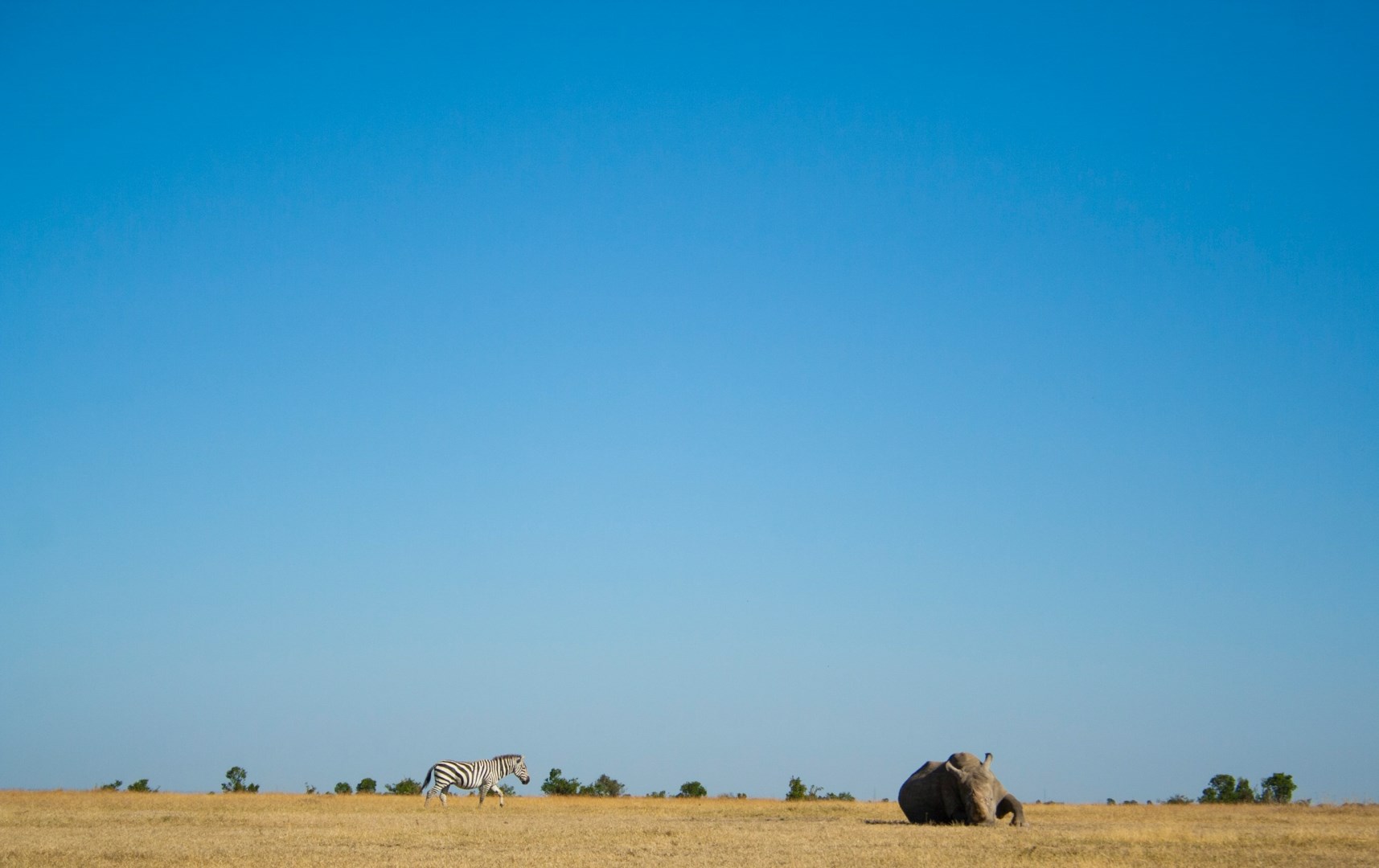
Nanyuki
Nanyuki, located on the equator in central Kenya, is a lively town that serves as a gateway to Mount Kenya and the Laikipia Plateau. Founded by British settlers in the early 20th century, it still carries traces of its colonial past while embodying the energy and diversity of modern Kenya.
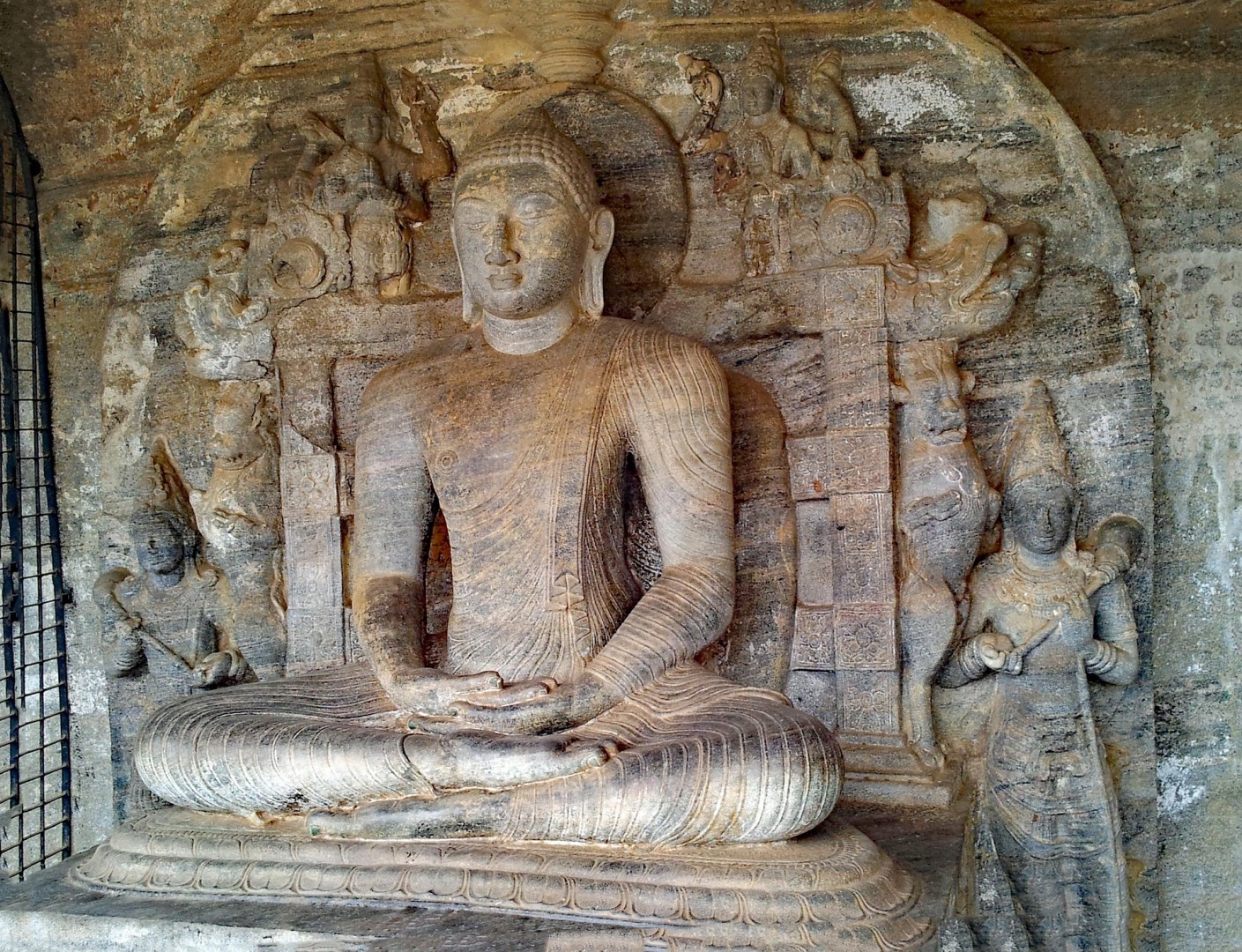
Polonnaruwa
Polonnaruwa, located in Sri Lanka’s North Central Province, served as the island’s capital nearly a thousand years ago. Today, it offers one of the most extensive and well-preserved archaeological sites in South Asia. Visitors can walk among the ruins of royal palaces, Buddhist monasteries, and intricately carved stone temples. One of the highlights of Polonnaruwa is the Gal Vihara, a group of colossal Buddha statues carved directly into granite.
