

Seyðisfjörður
Nestled in the picturesque Eastfjords of Iceland, Seyðisfjörður is a small town that offers a unique blend of natural beauty and cultural charm. Surrounded by steep mountains and cascading waterfalls, the town is renowned for its vibrant arts scene and well-preserved wooden houses. Seyðisfjörður’s colorful architecture contrasts beautifully with the dramatic fjord landscape, creating a captivating setting for visitors.
Gythion
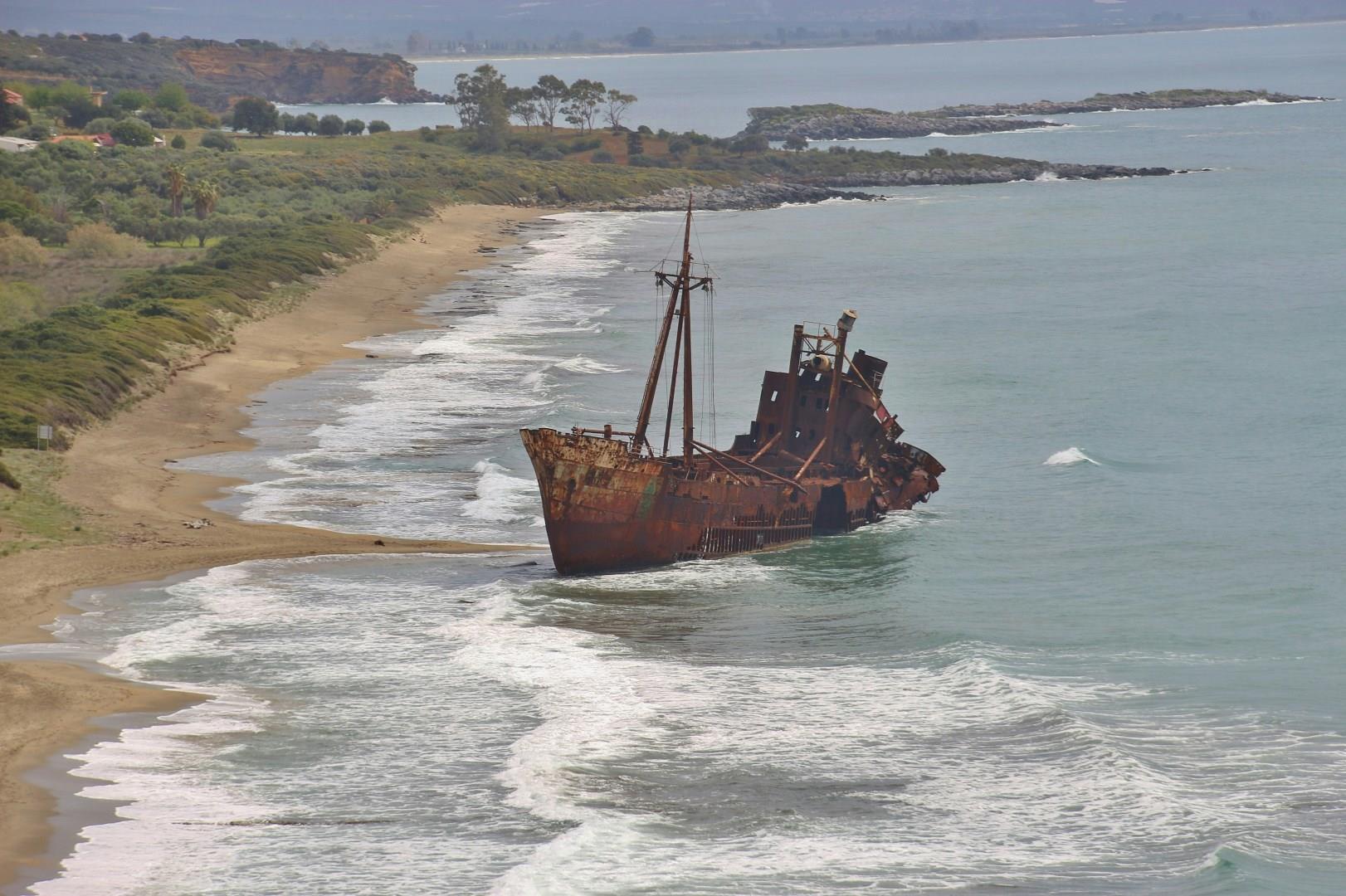
Greece’s southern coastline is home to Gythion, a historic port town nestled in the Peloponnese region. Once the naval base of ancient Sparta, Gythion has played a key role in maritime history for centuries. Today, its harbor is lined with colorful neoclassical buildings and fishing boats, creating a picture of daily life that remains connected to its seafaring roots. Just offshore lies Cranae Island, linked to the mainland by a stone causeway.

Austin
The capital of Texas, Austin is located in the south-central area. It was named the capital of the Republic of Texas in 1839. The main campus of the University of Texas is located here, founded in 1881.

Padua
Padua, a hidden gem in Northern Italy’s Veneto region, is a city where medieval splendor meets a vibrant modern atmosphere. Known for its ancient university, founded in 1222, Padua is one of the oldest and most prestigious in the world, having nurtured the minds of great scholars like Galileo Galilei.
Durango
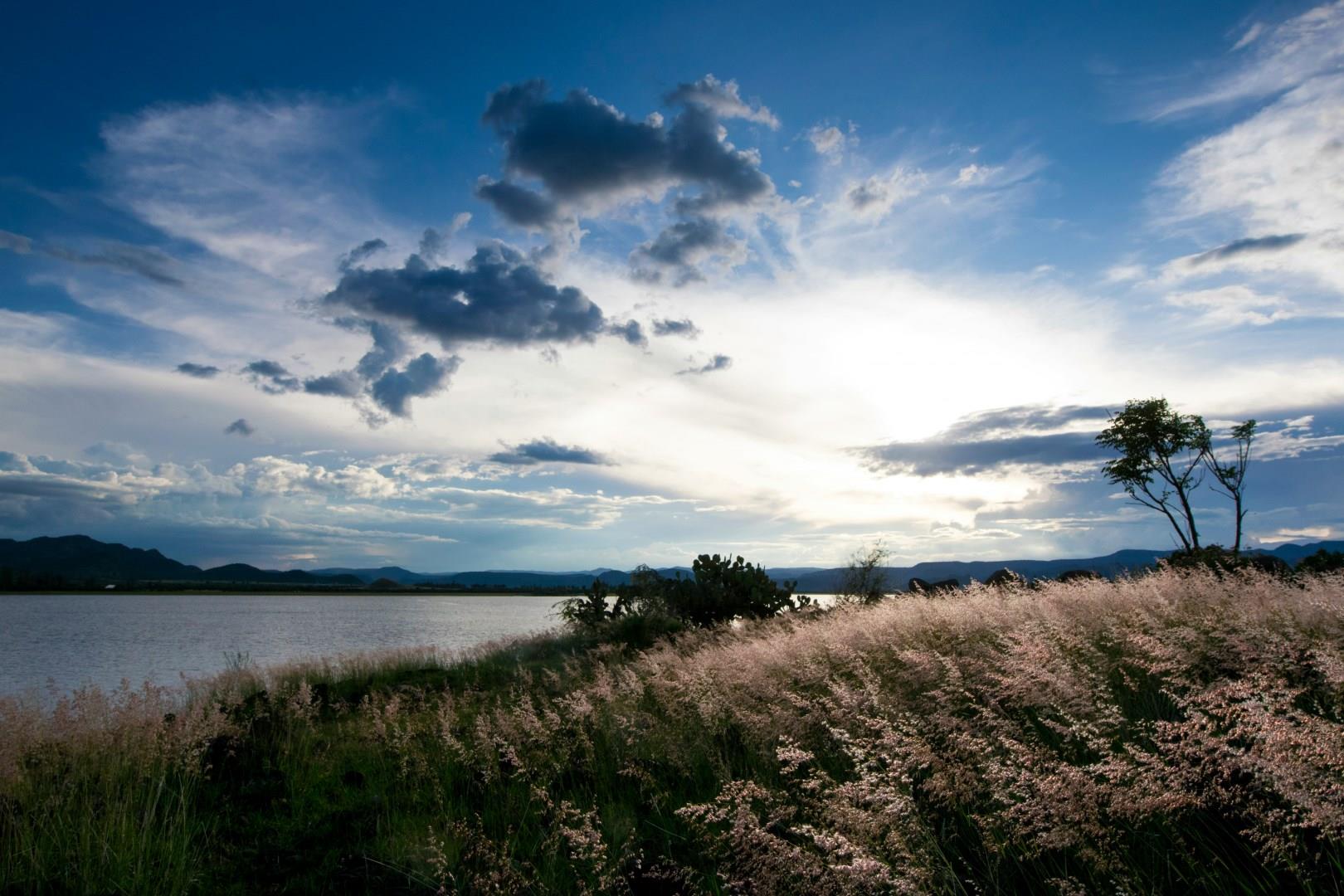
Durango, located in north-central Mexico, is a destination rich in history, dramatic landscapes, and cultural traditions that date back centuries. Once a key outpost during Spanish colonization, Durango played an important role in the development of northern Mexico. The city of Victoria de Durango, the state capital, features cobblestone streets and more than 1,000 officially registered historical structures.
