
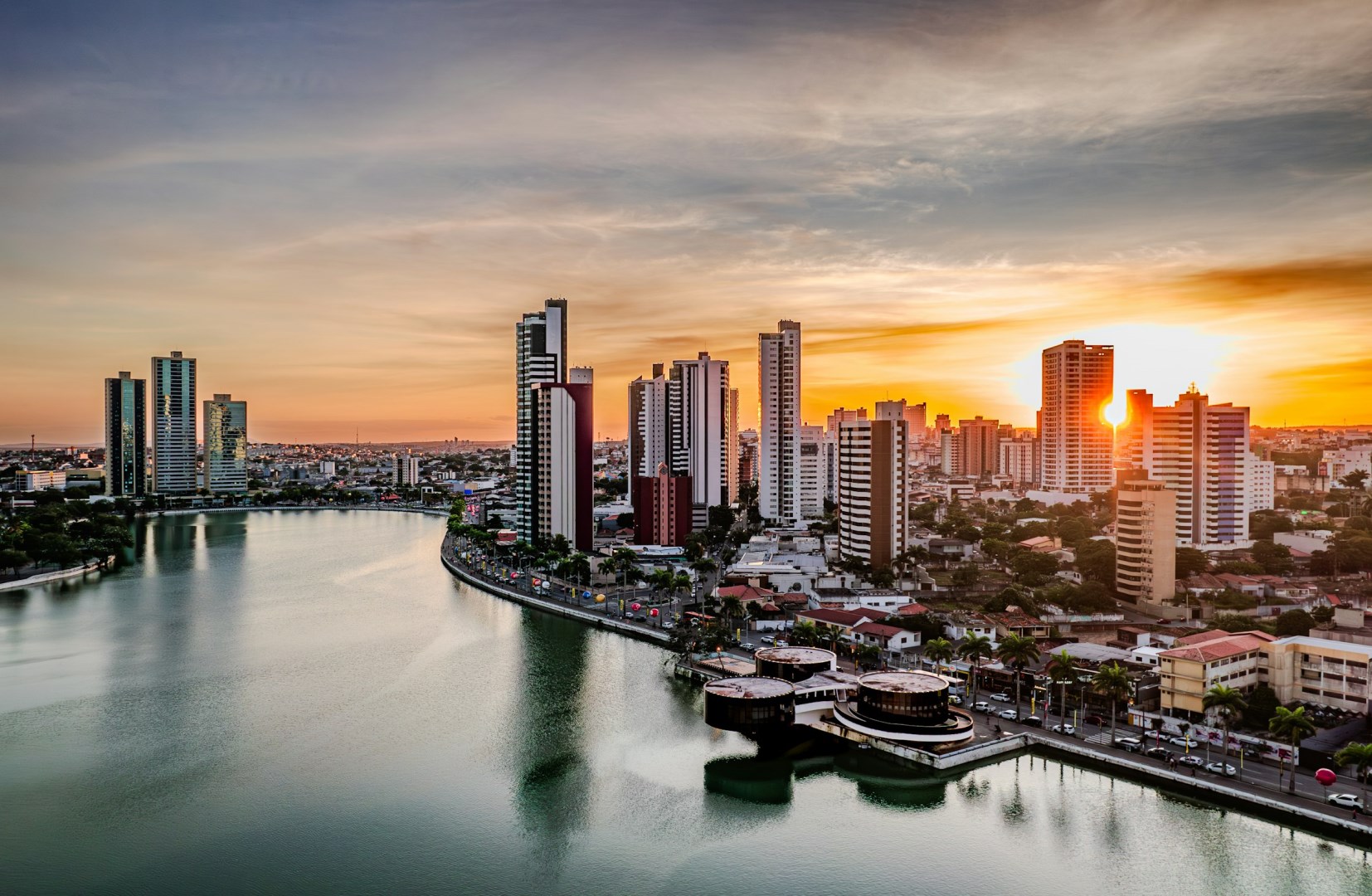
Campo Grande
Campo Grande is the capital of Mato Grosso do Sul in central-western Brazil and an important urban gateway to the southern Pantanal and destinations such as Bonito. The city is often known as Cidade Morena, a reference to the reddish soil found across the region. Its broad avenues, parks, and low-density neighborhoods reflect its location on the edge of the Brazilian interior, where urban life meets ranching country and cerrado landscapes.

Honolulu, Oahu
Honolulu, the capital of Hawaiʻi and the largest city in the Pacific, blends the energy of a major urban center with the deep roots of Native Hawaiian culture. Set on the island of Oʻahu, it’s home to iconic beaches, royal history, and a rhythm all its own. This sunny capital city is the main portal to the larger Hawaiian archipelago, and the perfect base for exploring Oahu.
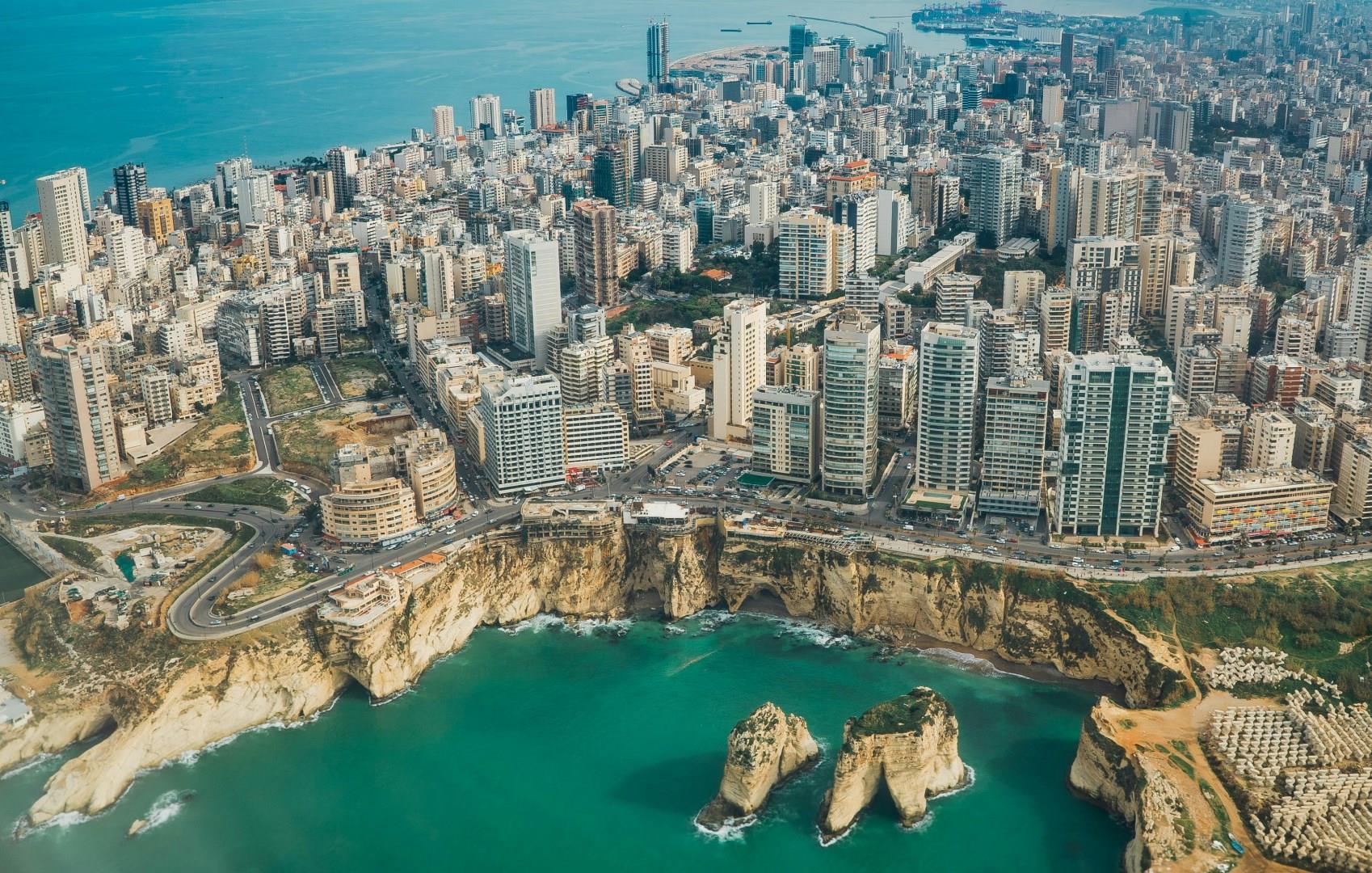
Beirut
Beirut traces its roots back over 5,000 years. Once called Berytus during the Roman era, it grew into a key port of the Mediterranean. Today’s visitors can follow the Beirut Heritage Trail, a 2.5 km walking route marked with bronze medallions, that links archaeological sites, historic courtyards, and restored Ottoman buildings. The path unveils layers of the city's past one block at a time.
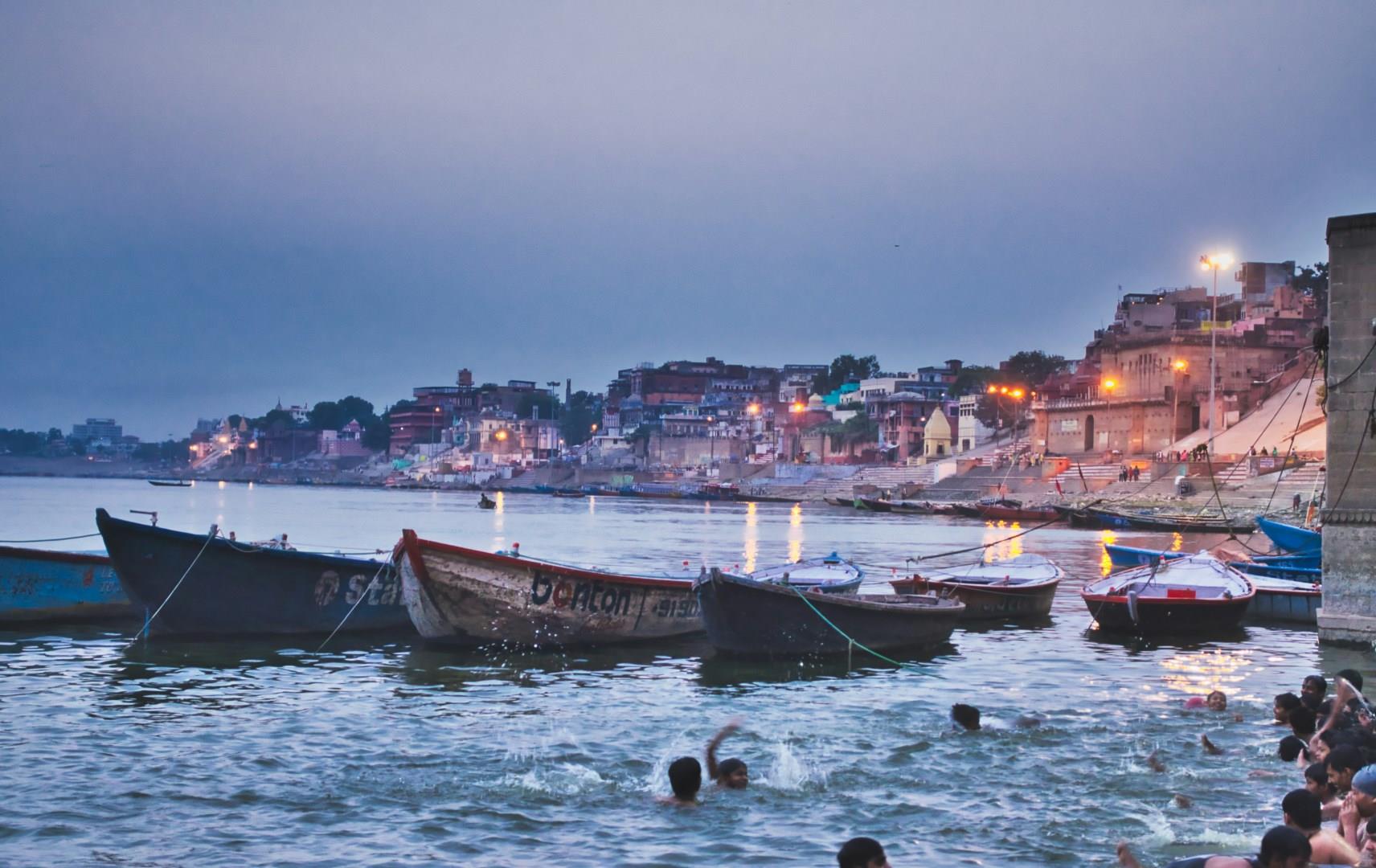
Varanasi
Varanasi sits along the sacred Ganges River in northern India as one of the oldest continuously inhabited cities in the world. It is a place where daily life and rituals flow together on the long stone steps called ghats that reach down to the water. Visitors often rise early for a sunrise boat ride, watching as light spreads across the river and pilgrims make gentle offerings to the water.

Pécs
Pécs, Hungary, is a city that seamlessly blends history, culture, and a vibrant modern atmosphere. Nestled at the foot of the Mecsek Mountains in southern Hungary, Pécs boasts a rich heritage that dates back over 2,000 years. Visitors are often captivated by the city’s unique blend of Roman, Ottoman, and Hungarian influences.
