
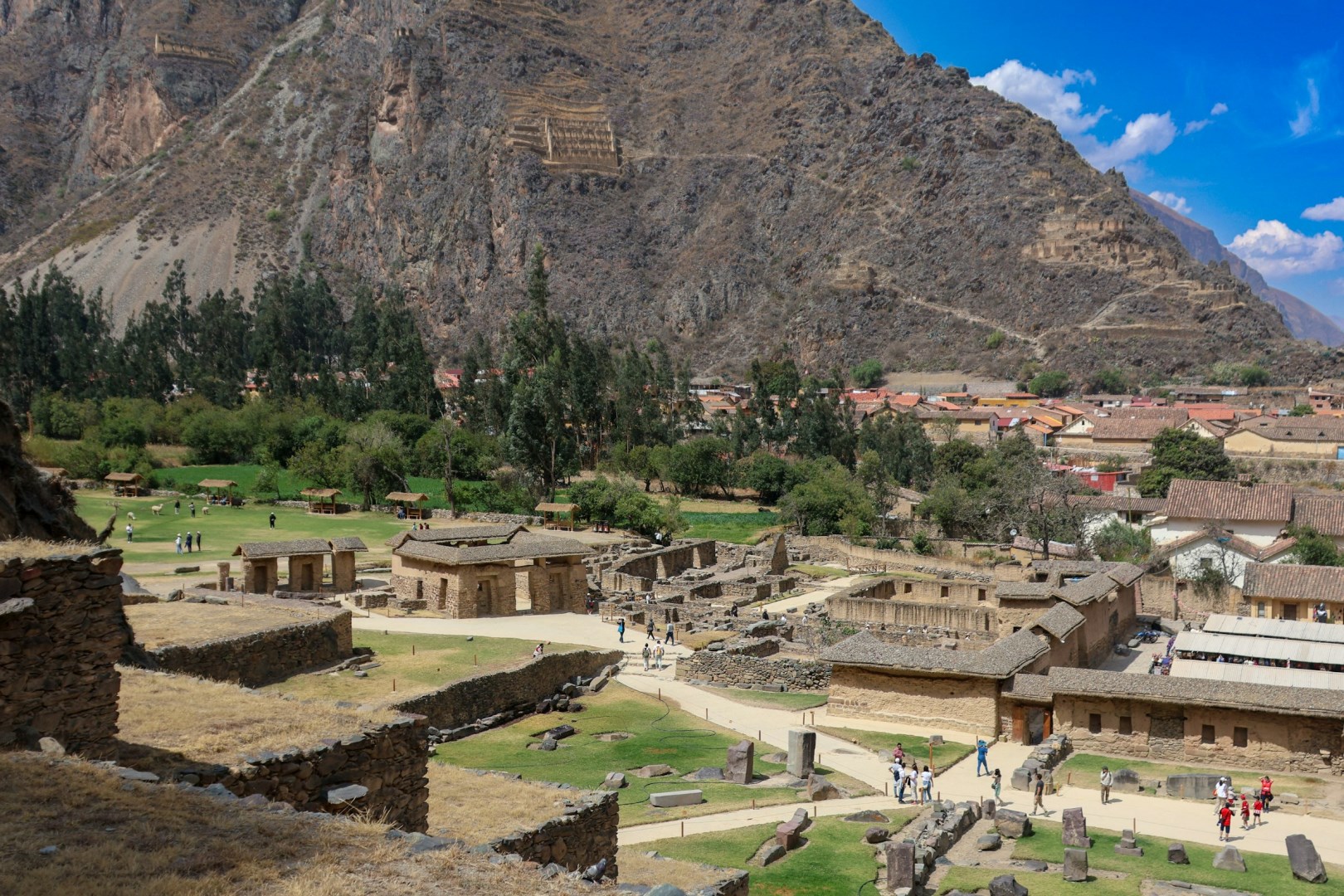
Ollantaytambo
Most commonly reached via travel from Cusco, Ollantaytambo is an Incan archaeological site in the Sacred Valley of southern Peru. The town dates from the late 15th century and is home to some of the oldest continuously-occupied dwellings in South America.
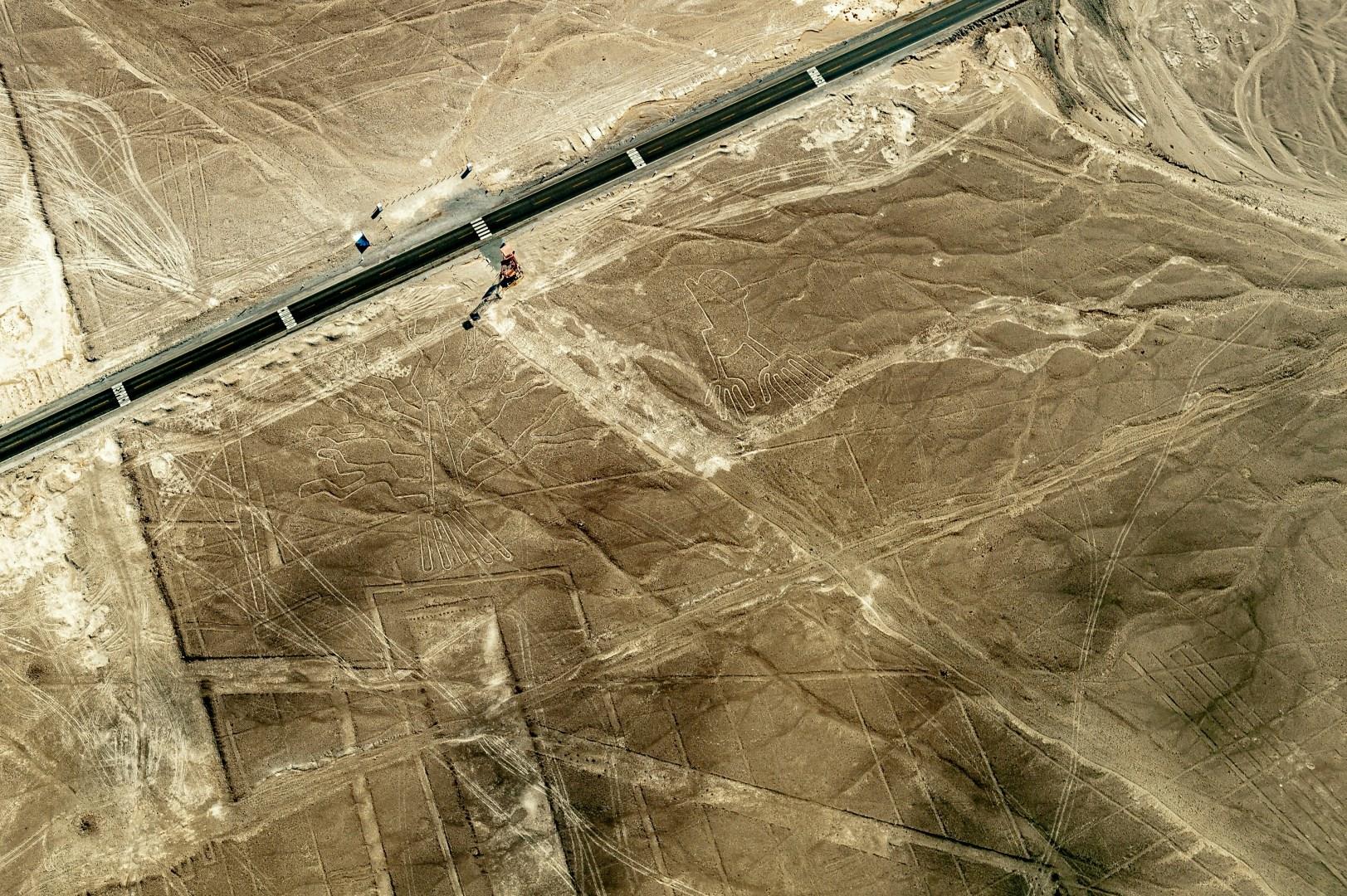
Nazca
In the southern deserts of Peru, Nazca invites visitors to look beyond the horizon. This small city is world-famous for the mysterious Nazca Lines, enormous geoglyphs etched into the desert floor more than 1,500 years ago. From the air, shapes like hummingbirds, monkeys, and even a stylized astronaut come into view, some stretching over 300 meters. Their exact purpose remains a mystery, fueling decades of theories.

Melk
Nestled along the south bank of the Danube, this historical Austrian city bursts with charm. A favorite stop on European river cruises, the city's most famous attraction is Melk Abbey, which dates back to the 11th century. The original Benedictine structure was lost to fires and foreign invasion, then rebuilt during the 18th century in lavish Baroque style, including a library and inner church covered in magnificent frescoes and gilded fixtures.
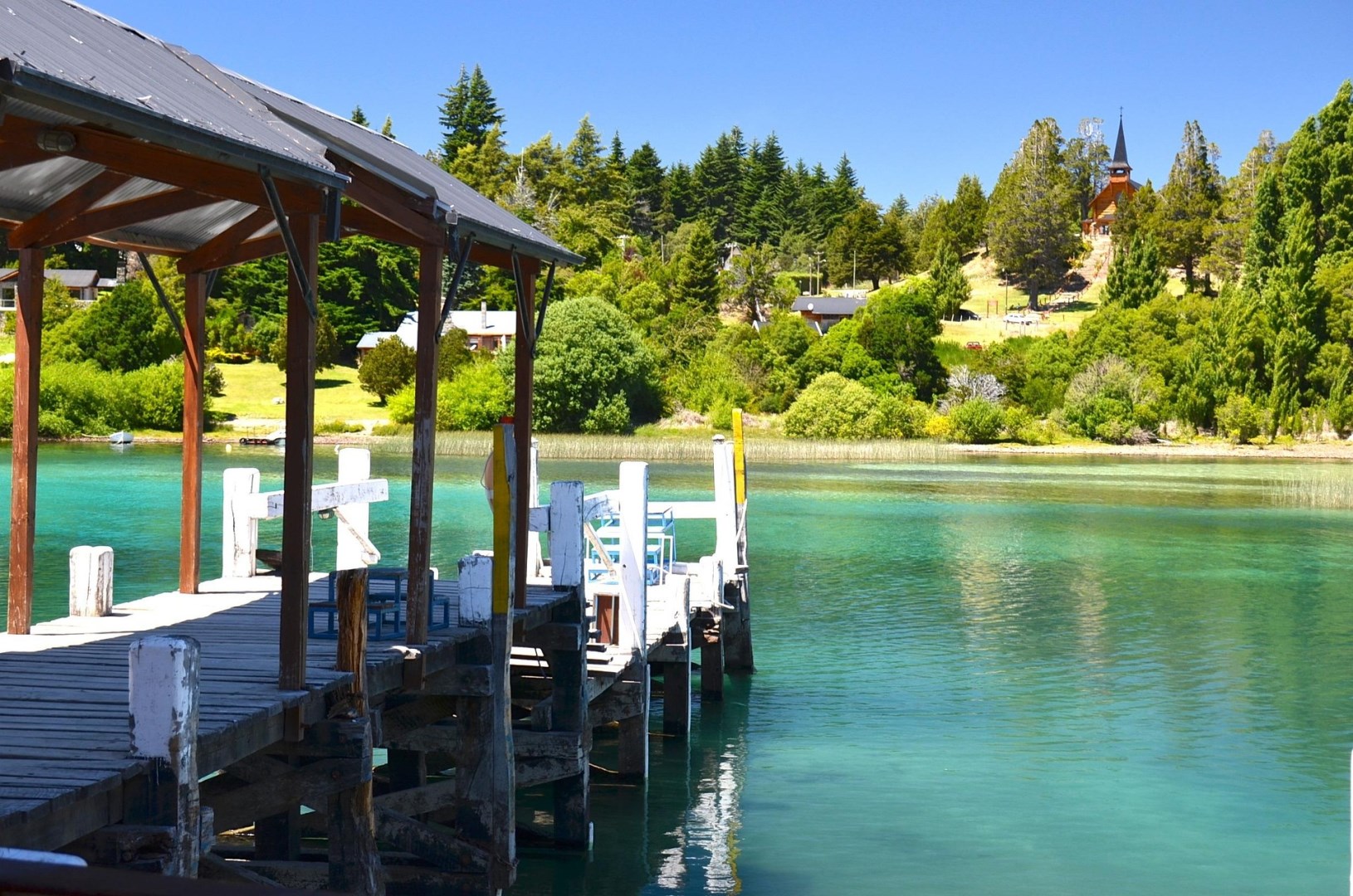
Bariloche
Bariloche, tucked into the foothills of the Andes in Argentina’s Patagonia region, is a town that feels both alpine and uniquely Argentine. With its wooden chalets, Swiss-style architecture, and chocolate shops on every corner, many visitors are surprised to find a lakeside town that resembles parts of Europe. But Bariloche’s identity is all its own, shaped by deep indigenous roots, waves of immigration, and the striking presence of Lake Nahuel Huapi.

Cyprus
In Cyprus, travelers are immersed in a culture that draws on Europe, the Middle East, and 9000 years of constant invasion. Crusader castles rub shoulders with ancient vineyards, frescoed monasteries overlook citrus orchards, and sandy, sun-soaked feet tread Roman mosaic floors.
