
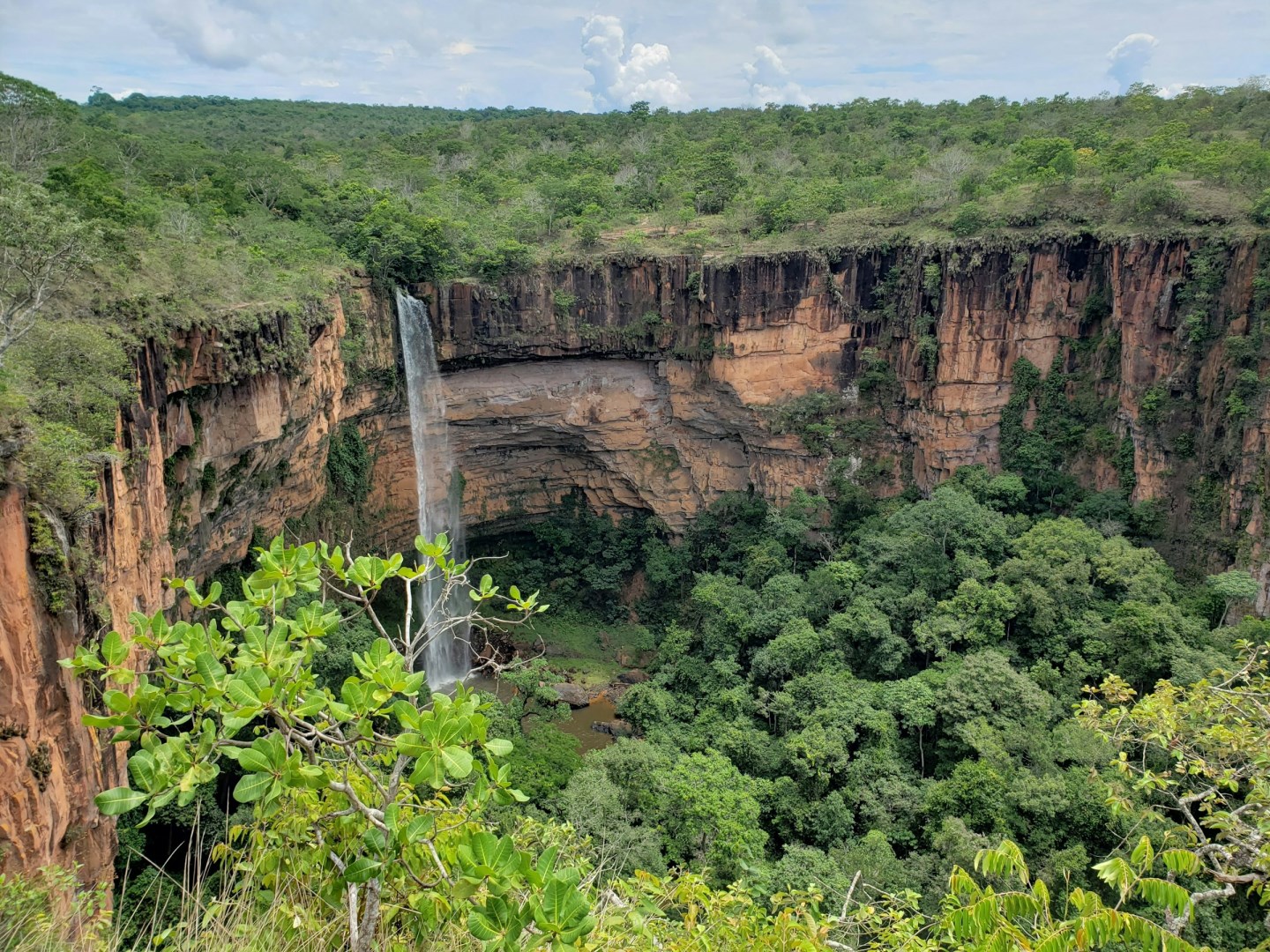
Cuiabá
Cuiabá is the capital of Mato Grosso in central-western Brazil and an important gateway to the Pantanal, Chapada dos Guimarães, and other natural areas of the state. The city developed around gold mining and later became an important regional center along the Cuiabá River. Its historic center contains colonial churches, traditional houses, and public squares, while newer districts extend well beyond the old city.
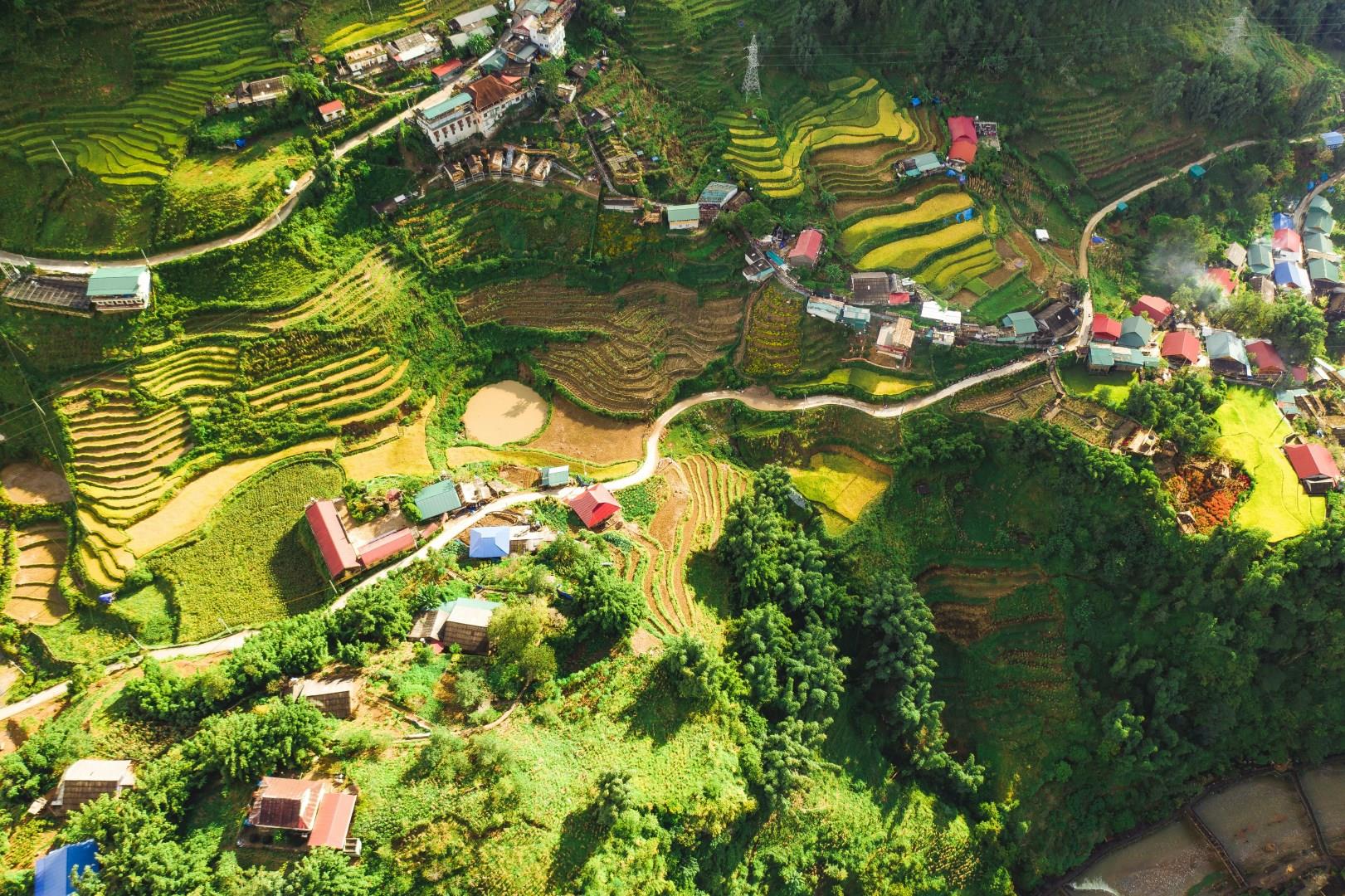
Sapa
Sapa sits high in Vietnam’s northwest mountains, shaped by French colonial planning and long-standing settlement by Hmong, Dao, and other ethnic communities.
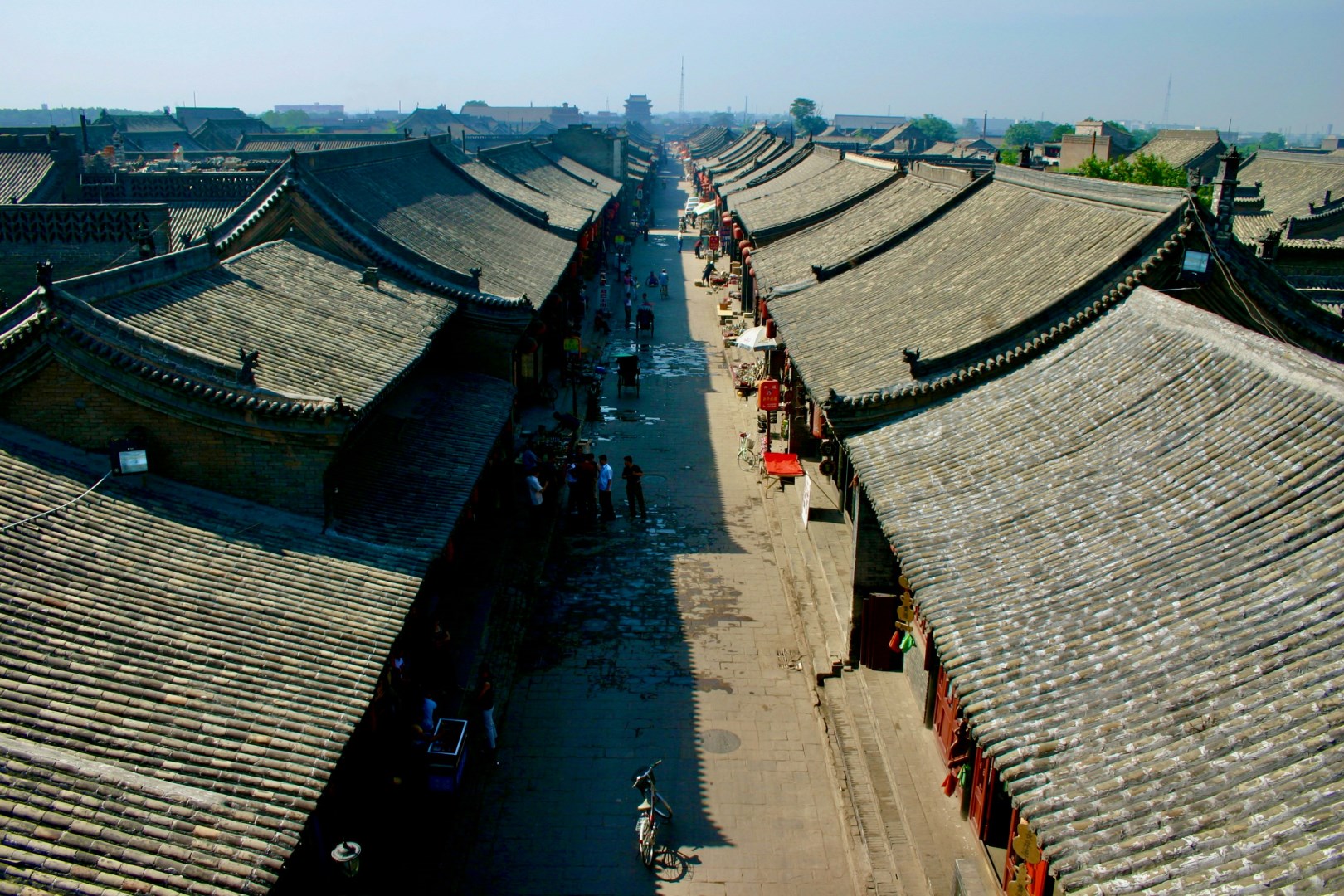
Pingyao
Pingyao, a city steeped in ancient charm, offers a remarkable glimpse into China’s rich history. This well-preserved city, a UNESCO World Heritage Site, is renowned for its classical ancient architecture, which remains largely intact since the Ming and Qing dynasties. Wander through the Pingyao Ancient City Wall, a formidable structure that encircles the city and provides panoramic views of the surrounding landscape.
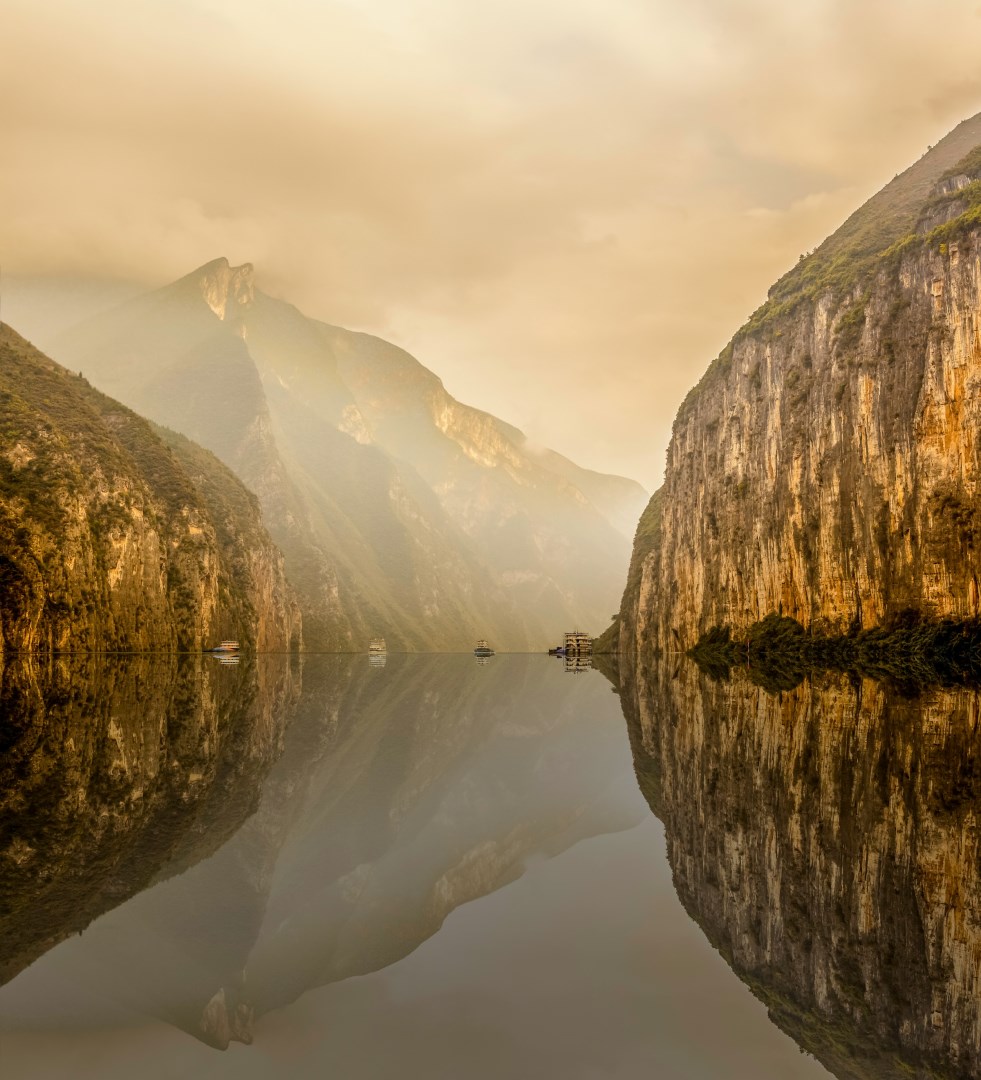
Yangtze River
The Yangtze River, a magnificent artery of China, stretches over 6,300 kilometers (3,917 miles) from the Tibetan Plateau to the East China Sea. As the longest river in Asia and the third longest in the world, it weaves through breathtaking landscapes and vibrant cities, making it a prime destination for travelers seeking both adventure and cultural immersion.

Penang
A dynamic island escape, Penang, Malaysia, is chock-full of exciting attractions, beautiful beaches, and stunning architecture. Head to the George Town neighborhood, a UNESCO World Heritage Site, to explore the island's best colonial architecture and historical landmarks, including the Penang Town Hall, Fort Cornwallis, and Queen Victoria Memorial Clock Tower.
