
Mont Blanc
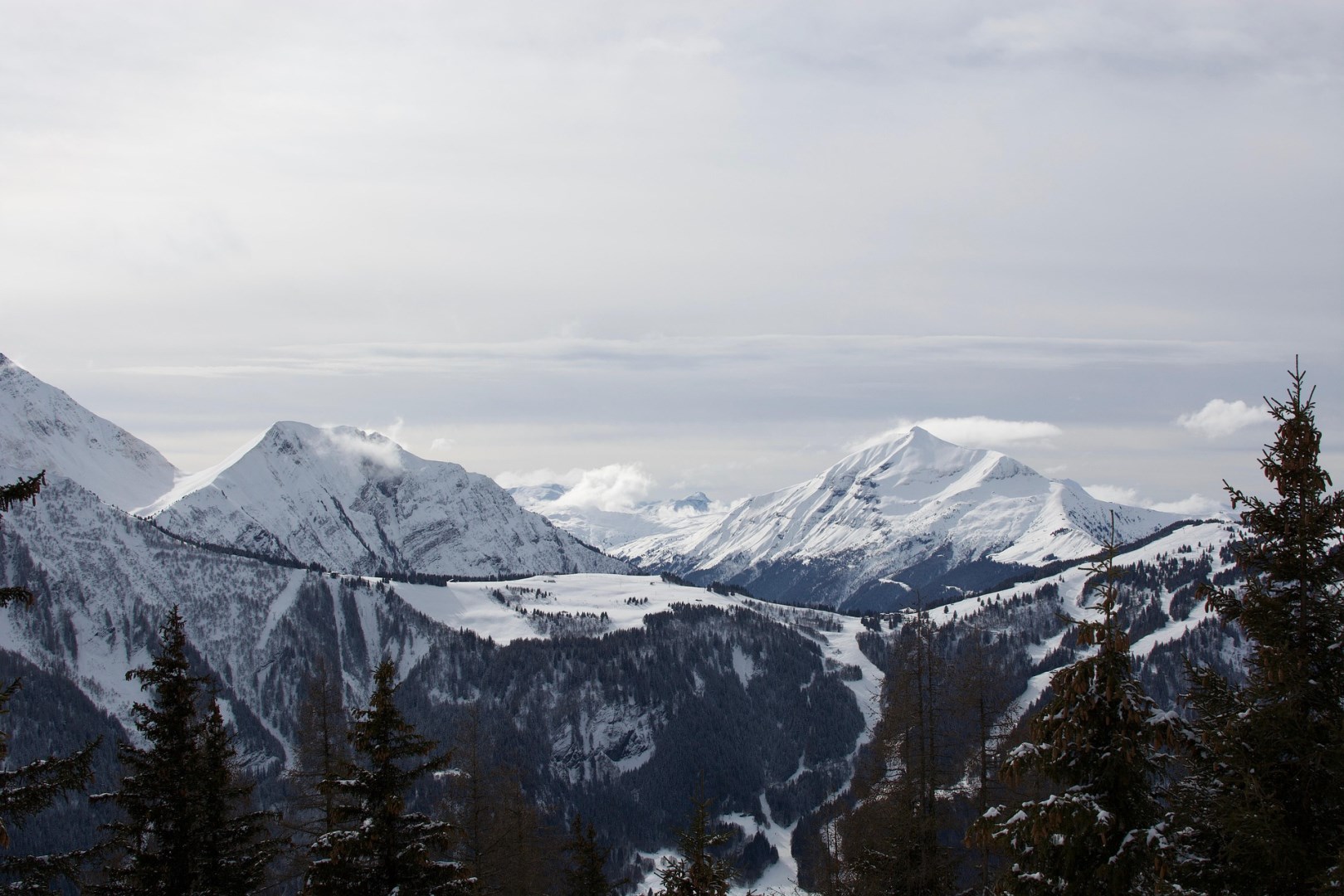
Mont Blanc is the highest mountain in the Alps, rising within the Mont Blanc massif on the border between France and Italy. Its summit reaches roughly 4,805 meters and is surrounded by glaciers, snowfields, rocky ridges, and some of the highest peaks in Western Europe. The mountain dominates views from Chamonix in France and Courmayeur in Italy, while the surrounding massif forms a major alpine landscape for mountaineering, hiking, skiing, and scientific study.
Ponte de Lima
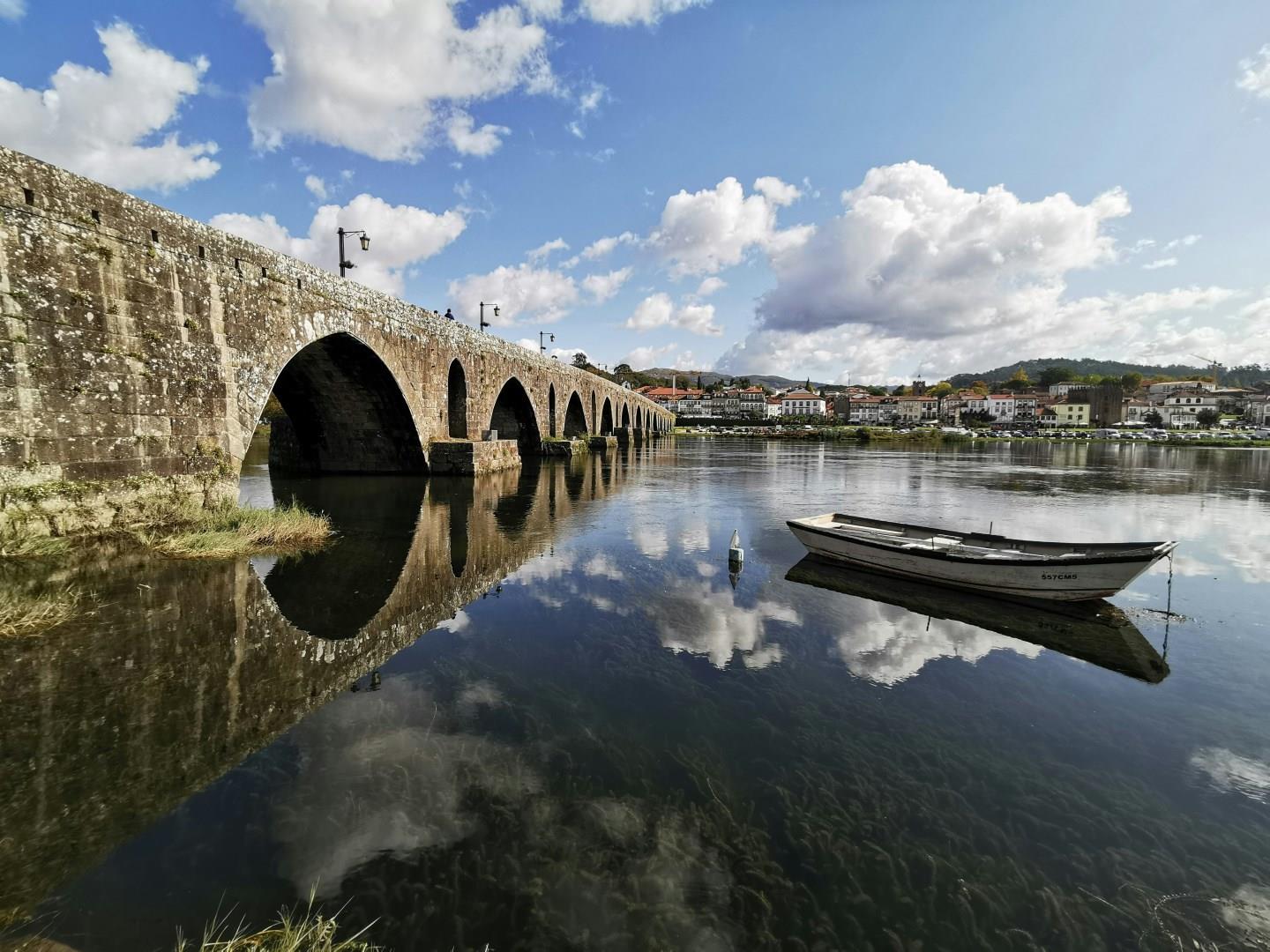
Ponte de Lima sits along the Lima River in northern Portugal and is often regarded as the country’s oldest town. Its identity centers on the medieval bridge that spans the river, parts of which date back to Roman times and still structure how the town is experienced today.
Chobe River
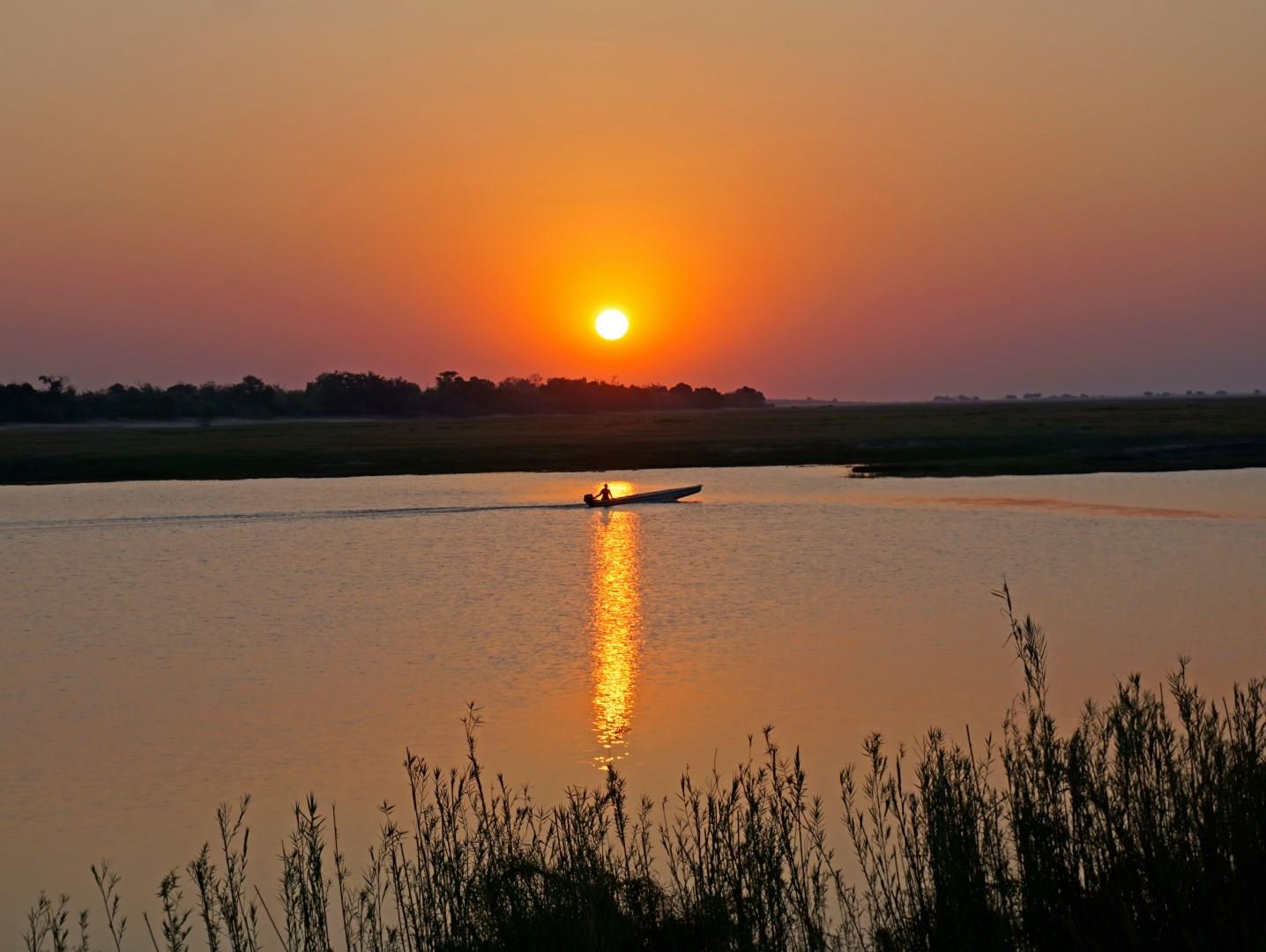
The Chobe River forms the northern boundary of the Chobe National Park. Animal lovers and safari enthusiasts know it as the place where the elephants congregate during winter's dry season and migrant birds are in full color during the wet summer months. The river itself is actually a section of the Cuando River, known as the Chobe from the seasonal lake Liambesi to its outflow at the Zambezi River.
Texel
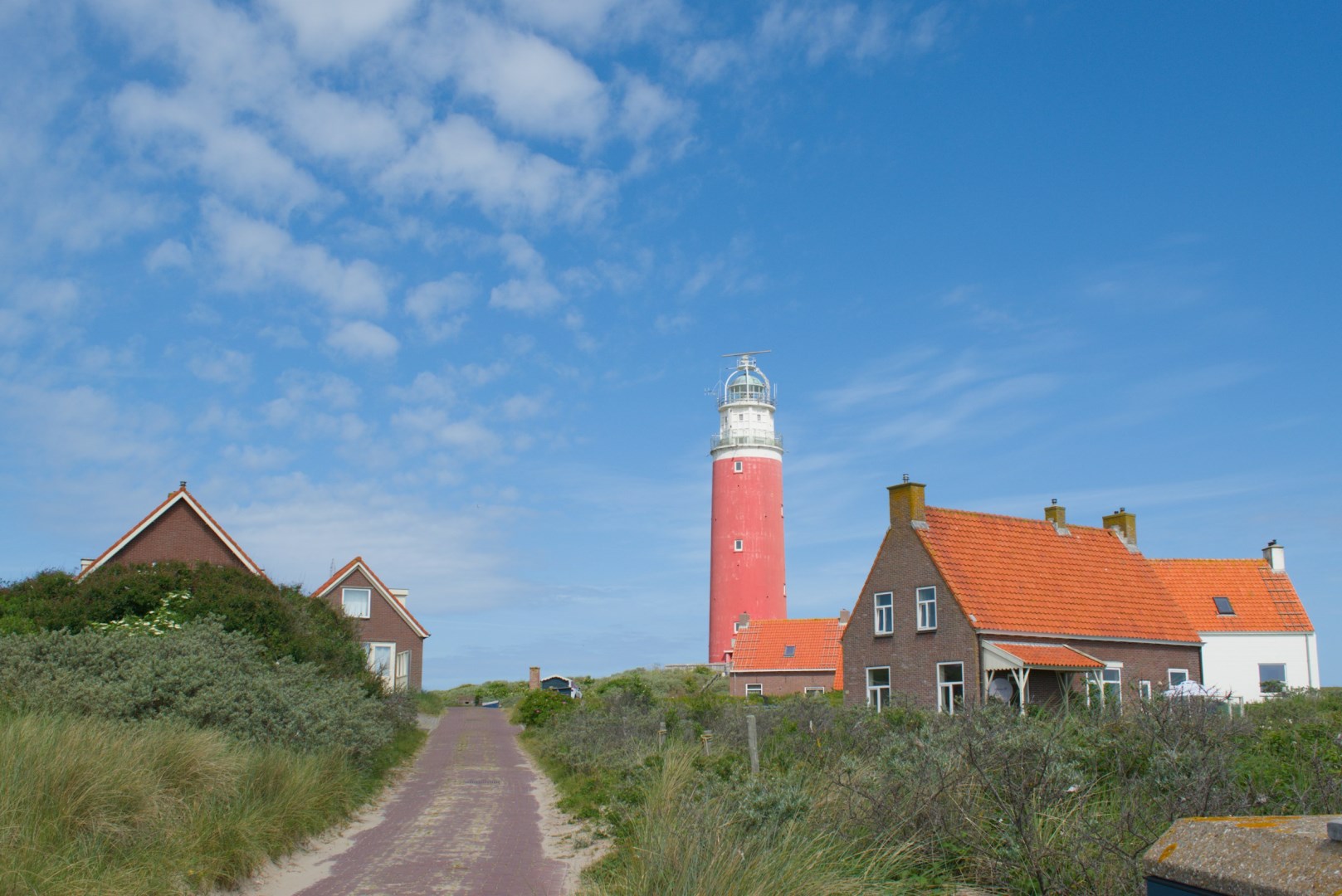
Texel is the largest of the Dutch Wadden Islands, located off the northern coast of the Netherlands and separated from the mainland by the Marsdiep Strait. Its landscape combines broad sandy beaches, coastal dunes, salt marshes, grasslands, polders, and small villages. Den Burg is the island’s main settlement, while De Koog is the principal seaside resort.

Arequipa
Arequipa, known as the "White City," is built from sillar, a pale volcanic stone that glows in the sunlight. This architectural detail gives the historic center its striking appearance and has earned it recognition as a UNESCO World Heritage Site. Towering above the city is the perfectly symmetrical Misti Volcano, which, along with two neighboring peaks, forms a dramatic backdrop.
