
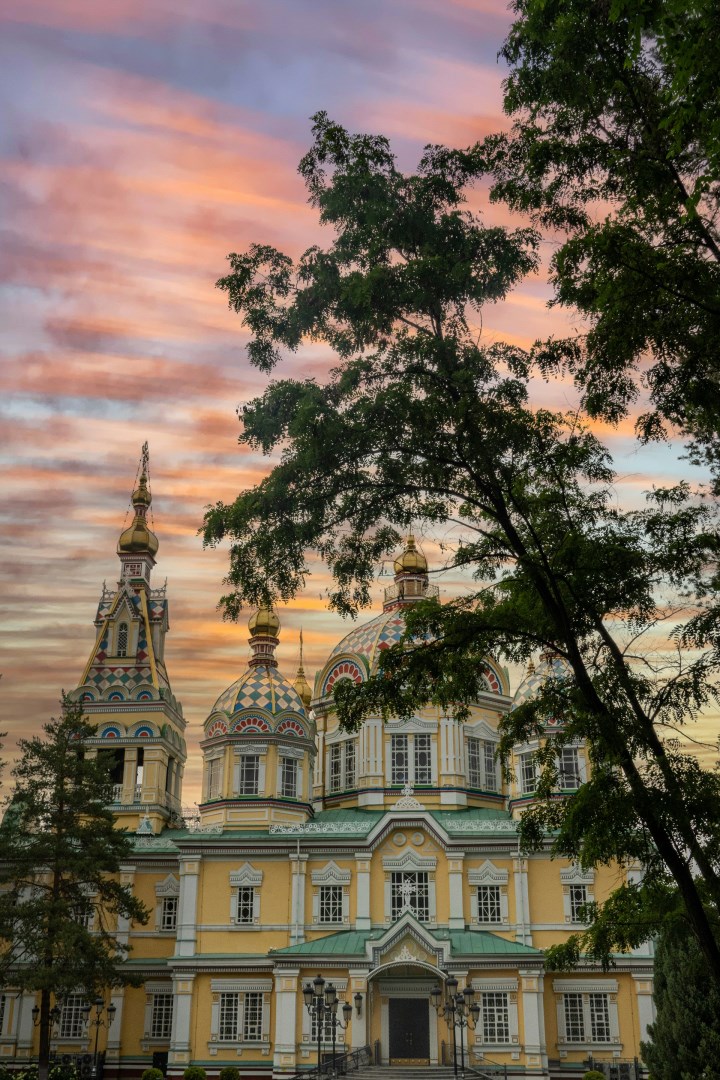
Almaty
Almaty is Kazakhstan's largest city and a major cultural and economic center in the southeast of the country. It lies at the foot of the Trans-Ili Alatau, where the broad urban area gives way to forested mountain slopes and alpine terrain. Tree-lined streets, parks, historic neighborhoods, modern buildings, and mountain views define much of the cityscape. Almaty is also known for its orchards and agricultural surroundings, reflected in the city's name, which is associated with apples.
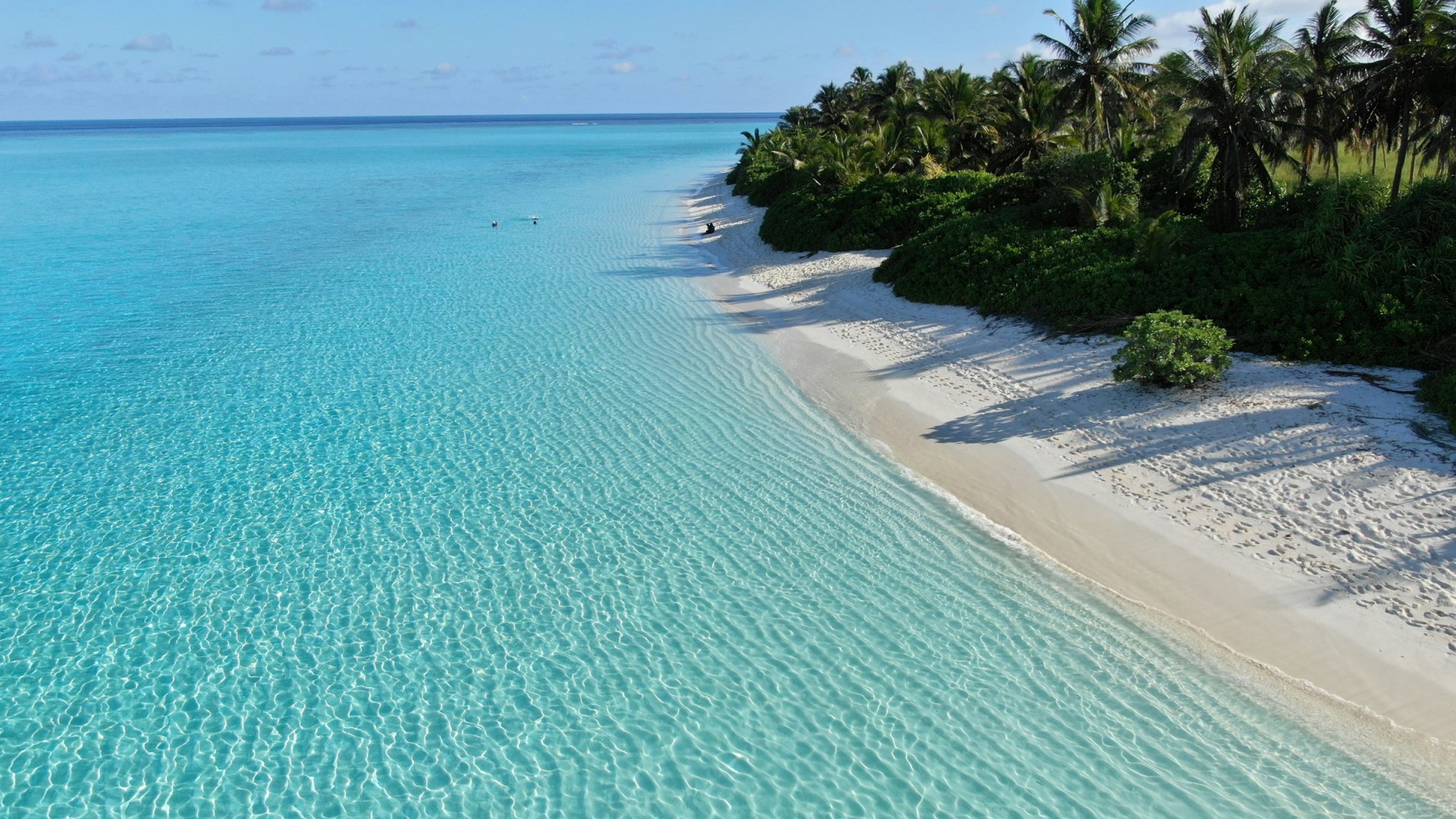
Thoddoo
Thoddoo is a local island in the North Ari Atoll of the Maldives, distinguished by its unusually strong agricultural tradition. While coral reefs, beaches, and lagoons surround the island, much of its interior is covered by productive farmland, with watermelon, papaya, eggplant, chili, drumstick, breadfruit, and other crops cultivated for local consumption and markets. The island’s broad green interior sets it apart from many smaller Maldivian islands where available land is more limited.
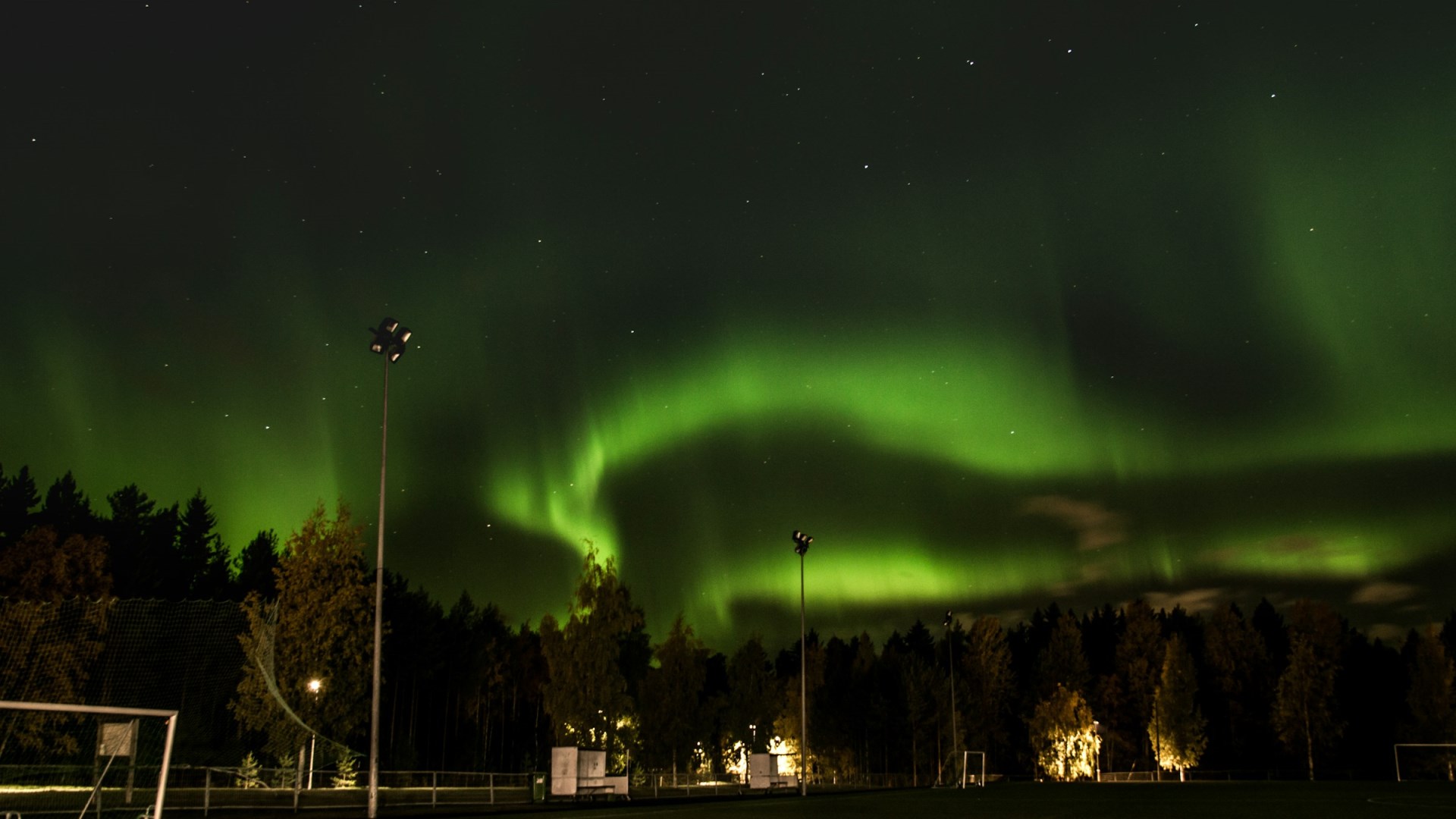
Oulu
Oulu is a coastal city in northern Finland, situated where the Oulujoki River reaches the Gulf of Bothnia. It is the largest city in northern Finland and an important center for technology, education, culture, and regional services. Water shapes much of the city, with the river, shoreline, islands, and nearby wetlands providing spaces for recreation. Oulu is also known for its extensive network of cycling routes, which connects residential districts with the city center and surrounding countrysi
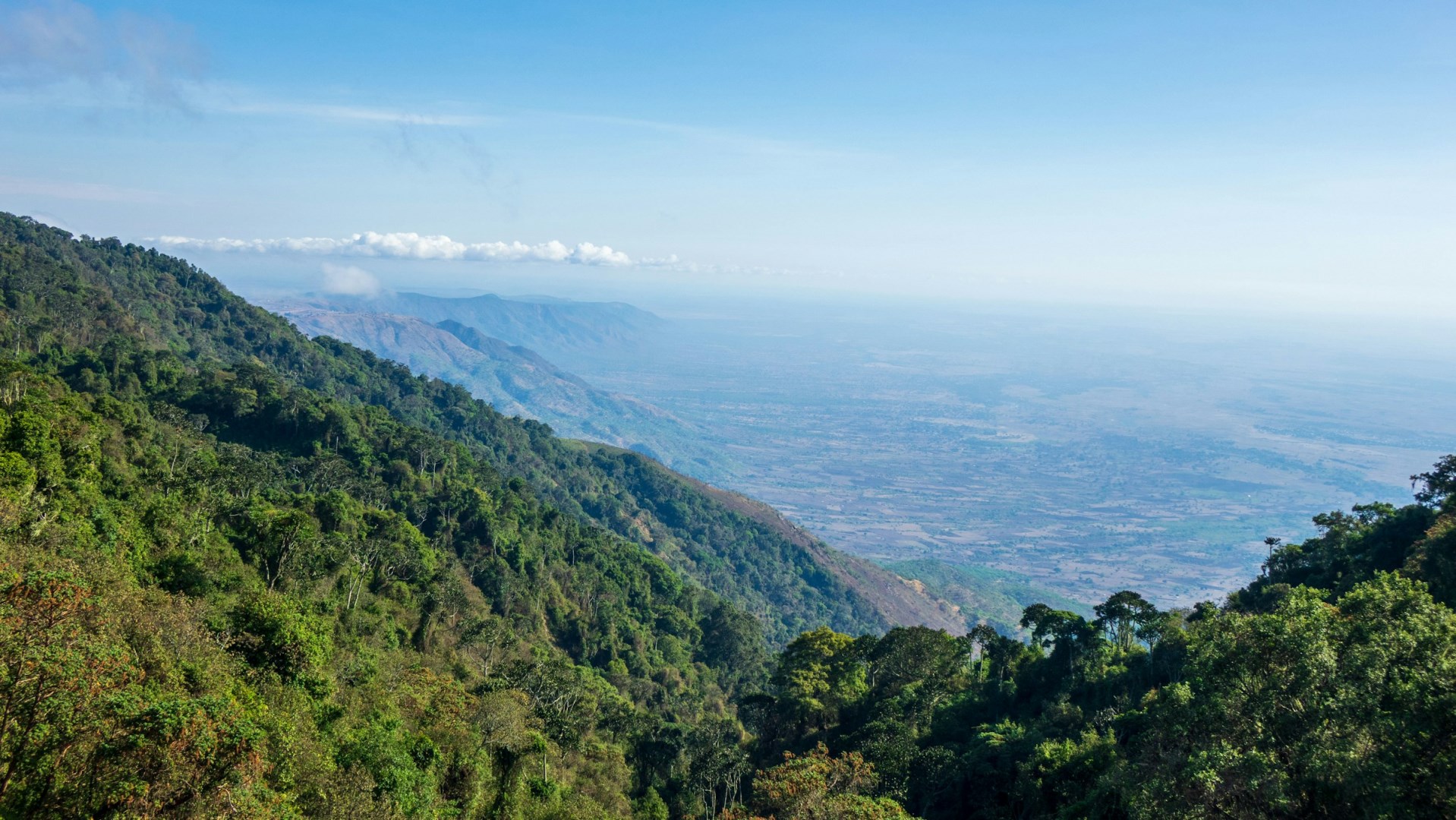
Mbeya
In southern Tanzania, this pleasant town is the capital of the Mbeya region and an important trading center for tobacco, tea, cocoa and cattle. It is the last railroad stop in the country before entering Zambia
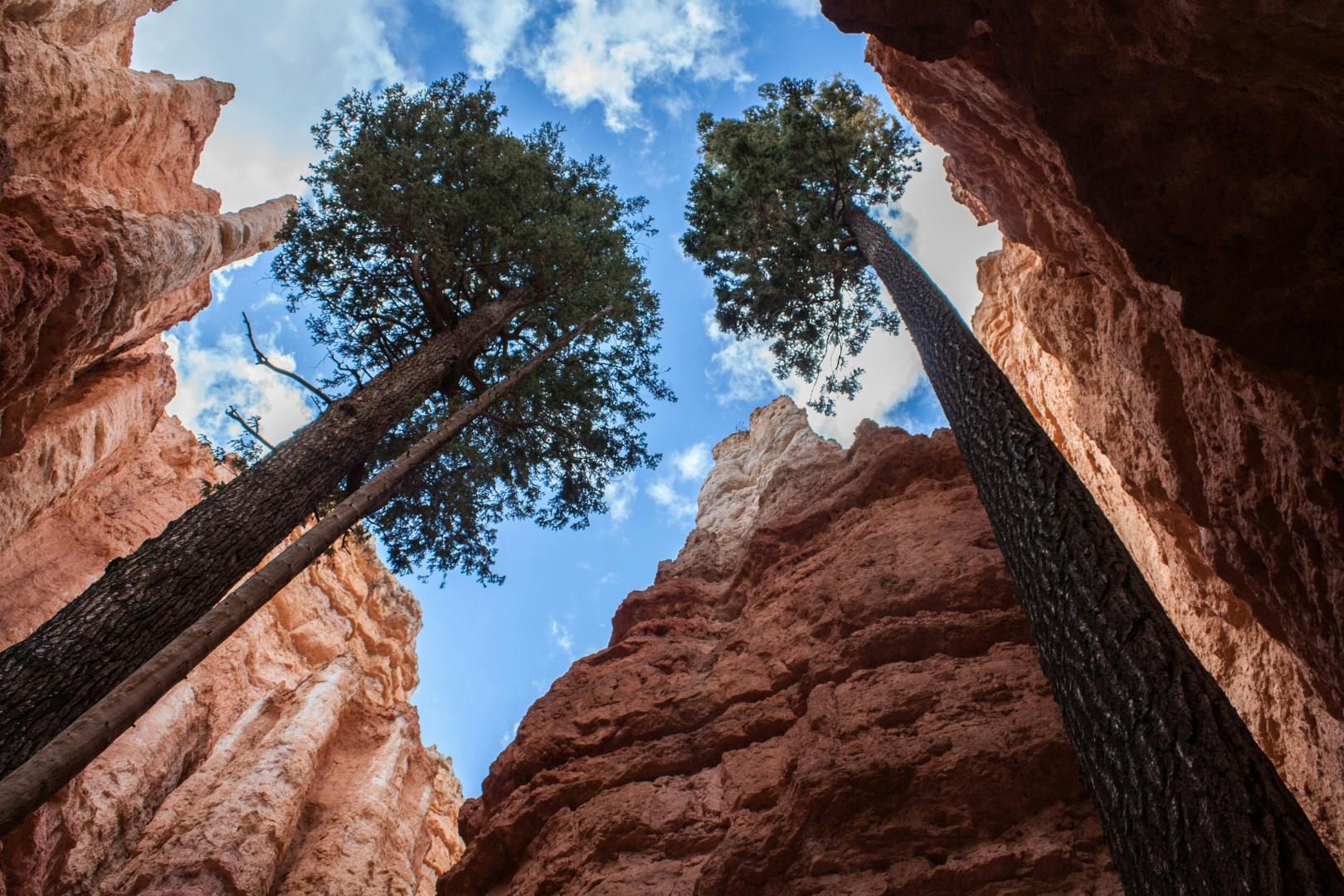
Bryce Canyon
Bryce Canyon, tucked into the high plateaus of southern Utah, offers one of the most unusual landscapes in the American Southwest. It’s not actually a canyon but a series of natural amphitheaters carved into the edge of the Paunsaugunt Plateau. What makes Bryce unique is its dense collection of hoodoos which are tall, thin spires of rock formed over millions of years by frost-wedging and erosion.
