

Antigua & Barbuda
Antigua and Barbuda, a twin-island nation in the Caribbean, is celebrated for its 365 beaches, one for every day of the year. Together, they offer a balance of culture, heritage, and natural splendor.
Helena
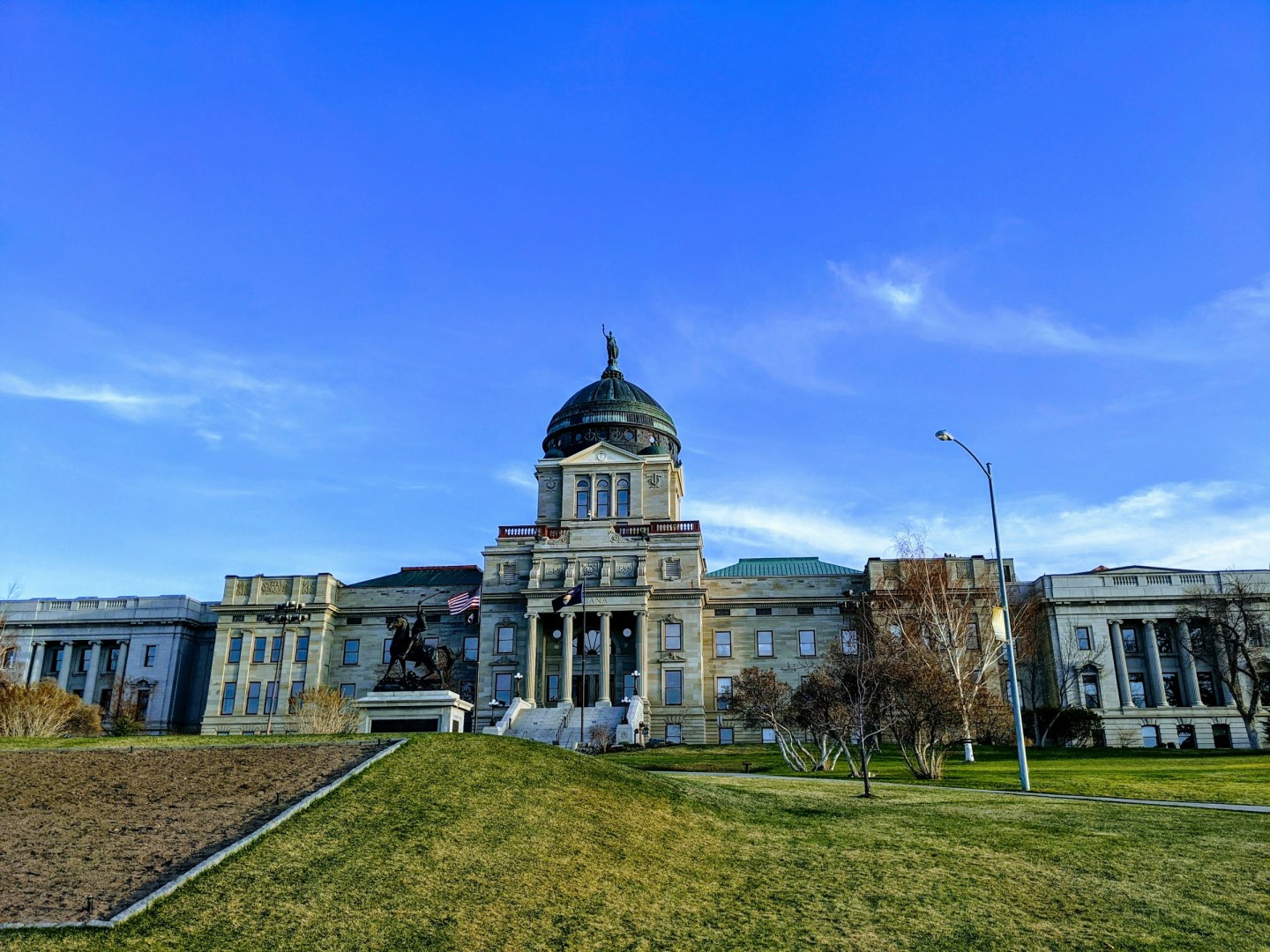
Helena is the capital of Montana, set among mountains, forests, and open valleys in the western part of the state. Its identity is closely tied to the gold mining that shaped the early settlement, while the modern city combines historic architecture with an active arts community and extensive outdoor recreation.

Casablanca
Islamic and French influences blend together in charming Casablanca, Morocco’s iconic coastal city. Frequently used as a port for Spanish and Mediterranean cruises, Casablanca lies halfway between Marrakesh and Fes and is the perfect entryway for exploring the rest of Morocco.
Transylvania
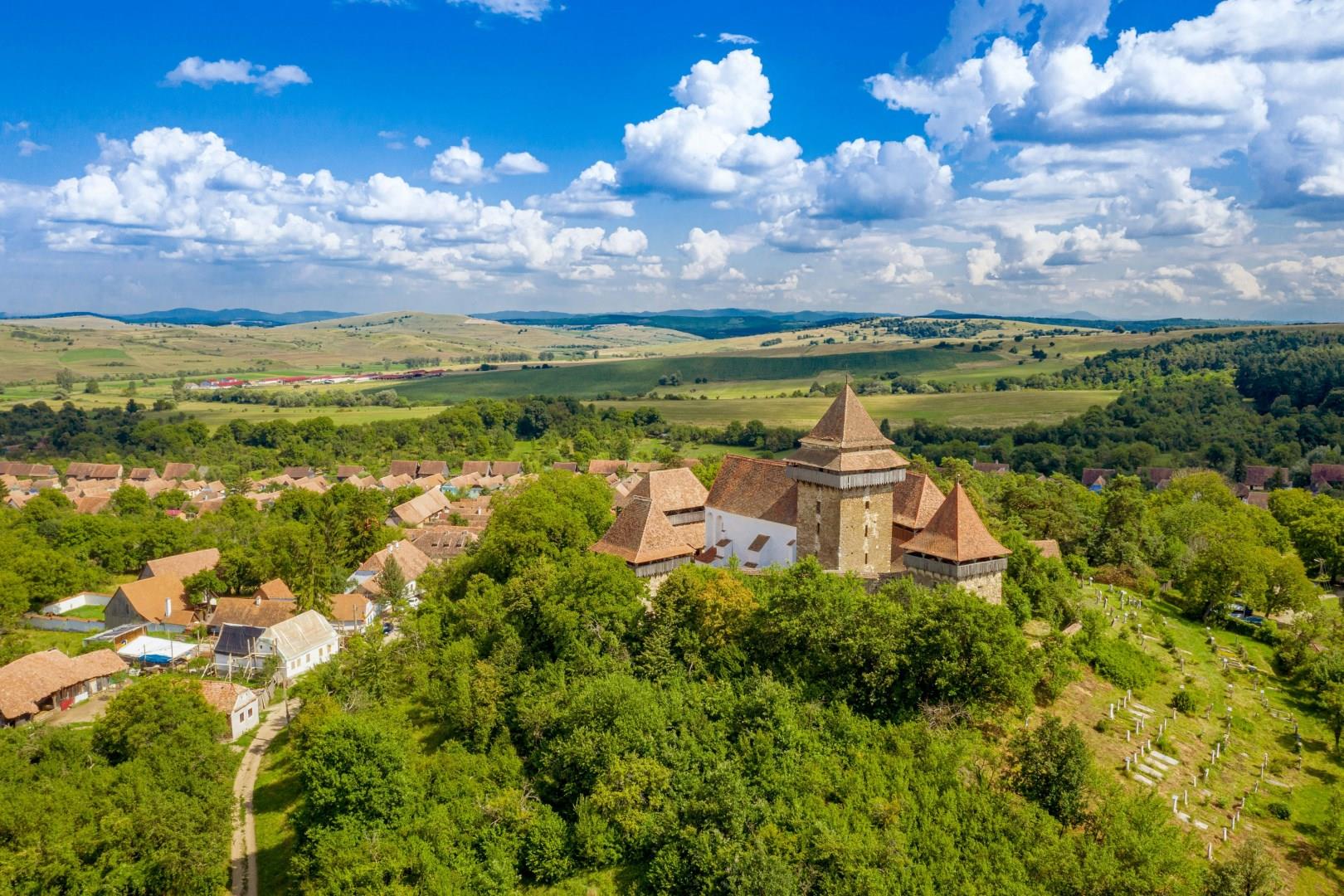
Transylvania is a historical region in central Romania, bordered by the Carpathian Mountains. It is known for its forested landscapes, medieval towns, and a mix of cultural influences shaped by Romanian, Hungarian, and Saxon communities. Cities such as Cluj-Napoca and Brașov serve as regional centers with preserved old quarters and growing modern districts. The region is often associated with folklore, but its identity is grounded in everyday rural life and long-standing settlement patterns.
Porto-Novo
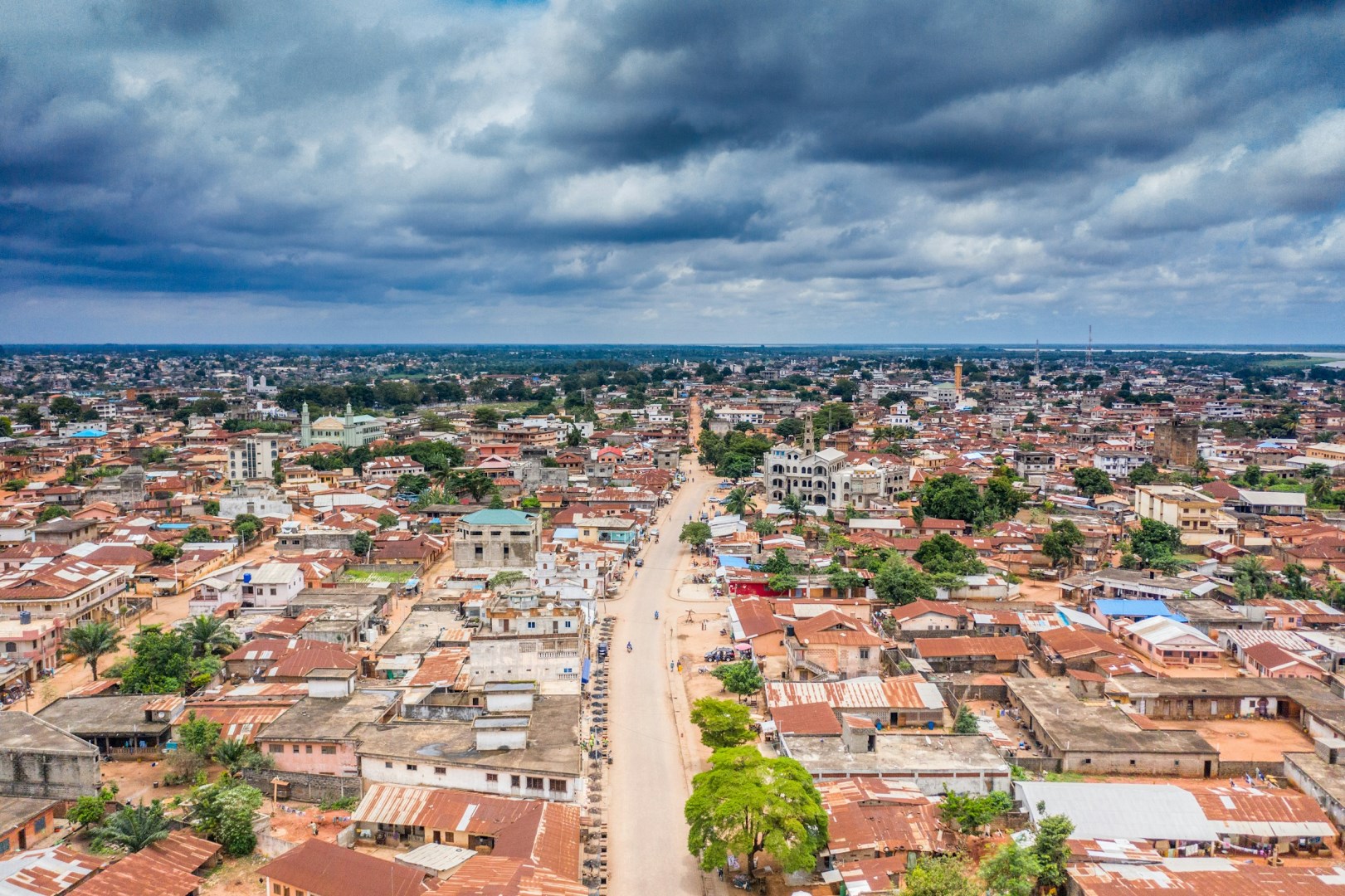
Porto-Novo is the political capital of Benin, located in the country's southeast near the Porto-Novo Lagoon and not far from the Nigerian border. The city is known for its combination of Yoruba heritage, royal traditions, and Afro-Brazilian architecture. Historic neighbourhoods contain distinctive buildings with decorated facades, while markets, workshops, museums, and religious sites remain part of everyday urban life.
