
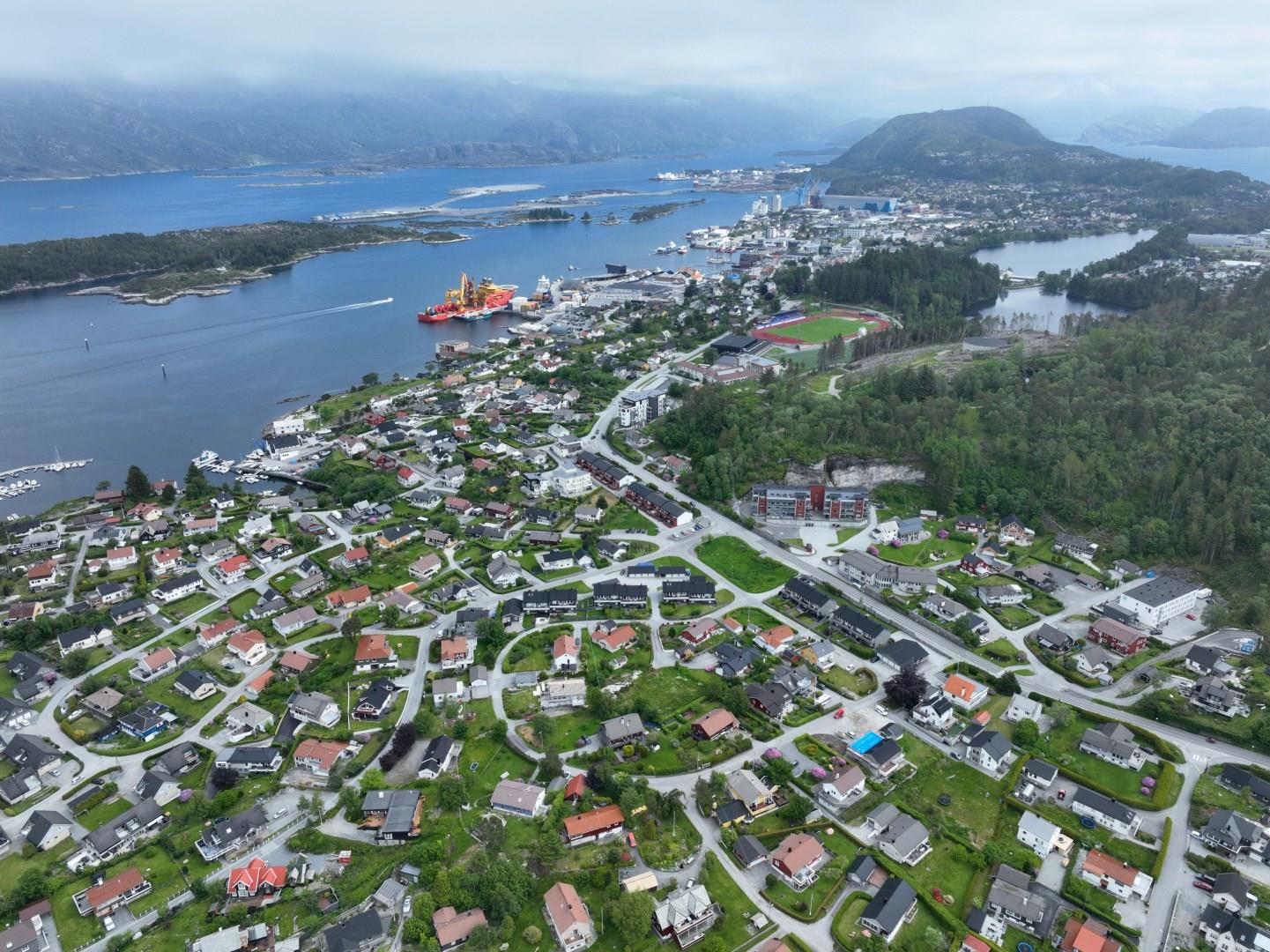
Florø
Florø, the westernmost town in Norway, sits right at the edge of the sea as a small, coastal town with deep maritime roots and front-row views of the North Atlantic. Established in 1860 as a herring fishing hub, Florø still carries the rhythm of the ocean in daily life. Though small in size, the town serves as a jumping-off point to explore the rugged coastline, scenic fjords, and a collection of islands that each have their own stories and scenery.

Aomori
One of Japan's 60 core cities, Aomori is well-known for its beautiful landscapes. Favorite landscapes include the Hakkoda Mountains and Lake Towada. Another of the city's highlights is the Nebuta Matsuri, an annual festival known for its daily parade of giant, colorful lantern floats.
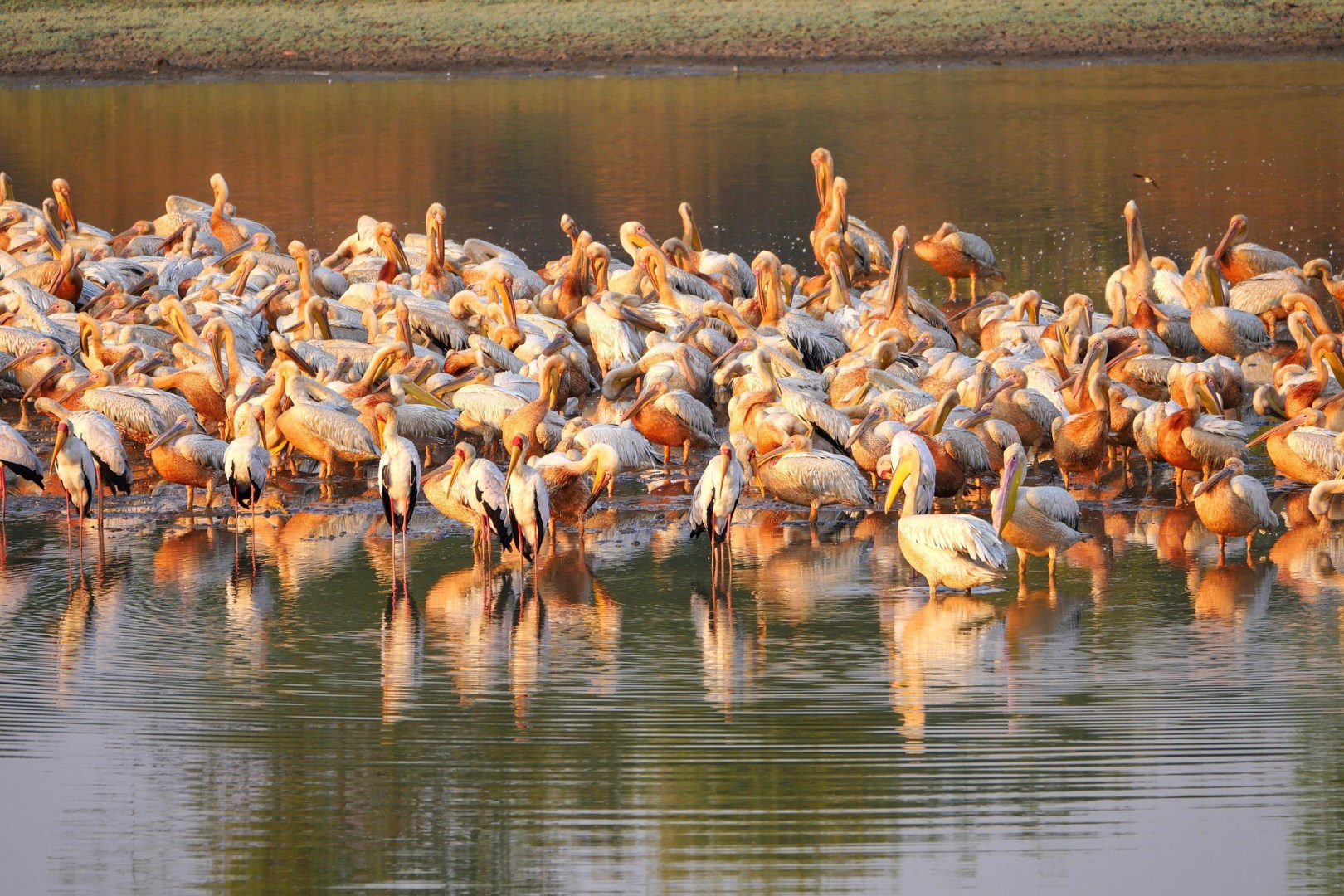
Lower Zambezi National Park
Lower Zambezi National Park is a protected area in eastern Zambia, lying along the northern bank of the Zambezi River opposite Zimbabwe’s Mana Pools. The park covers a broad area of woodland, open grassland, riverine forest, lagoons, and seasonal floodplains. The Zambezi is central to the landscape, providing water for wildlife and shaping habitats along the park’s southern boundary.

Rab
The picturesque city of Rab, located on Rab Island in Croatia, offers a delightful blend of medieval charm and stunning natural beauty. Known for its well-preserved Old Town, Rab features a network of narrow, cobblestone streets lined with historic buildings that reflect its rich past.

Salzburg
Nestled in the foothills of the Eastern Alps, Salzburg, Austria, exudes a timeless charm that combines Baroque splendor, musical heritage, and breathtaking natural beauty. The city is famously known as the birthplace of Wolfgang Amadeus Mozart, one of the world's greatest composers. Visitors can immerse themselves in the life and works of Mozart by visiting his birthplace, now a museum, on Getreidegasse, a picturesque street lined with wrought-iron signs and colorful facades.
