
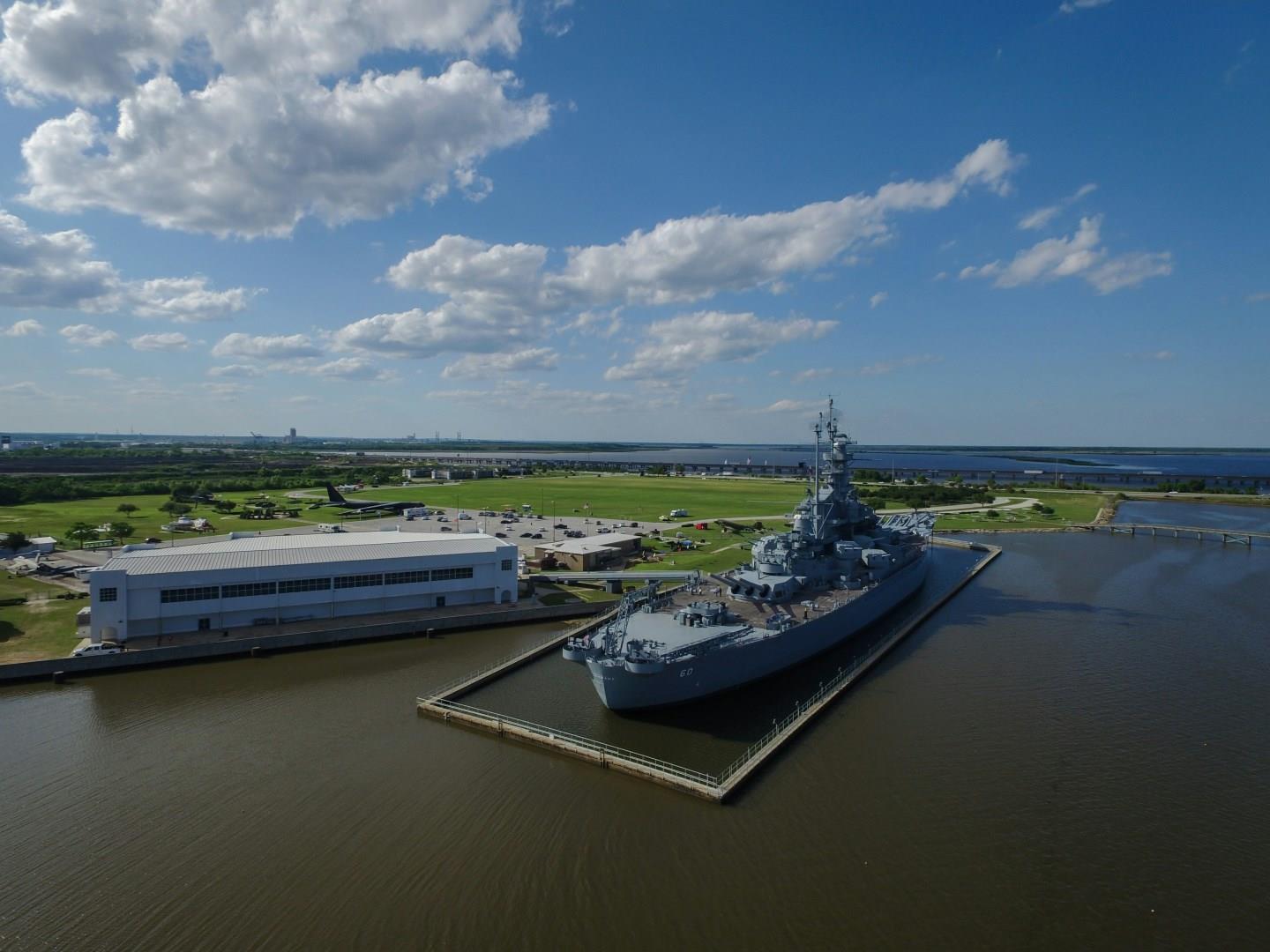
Mobile
Mobile, Alabama, offers a unique blend of Southern charm, rich history, and vibrant culture, making it an enticing destination for travelers. Situated along the Gulf Coast, Mobile is known for its well-preserved antebellum architecture and its role in America's early history. Visitors can explore the Mobile Historic District with its beautiful oak-lined streets and stately homes, or visit the USS Alabama Battleship Memorial Park to tour a World War II-era battleship, submarine, and aircraft, off

Cobh
Cobh, a colorful harbor town in County Cork, holds a unique place in Irish history and maritime heritage. Once known as Queenstown, it was the final port of call for the Titanic in 1912. Today, the Titanic Experience Cobh offers visitors a chance to step into the footsteps of the 123 passengers who boarded that day. Located in the original White Star Line ticket office, the museum tells personal stories of those who left from this very spot, blending interactive exhibits with original artifacts.

Ballarat
Ballarat is a regional city in central Victoria, known for its goldfields heritage, grand streetscapes, gardens, and strong arts scene. Located about 90 minutes from Melbourne by road or rail, it combines a historic city centre with lakes, parks, and surrounding rural landscapes. Sturt Street forms the main civic spine, lined with substantial nineteenth-century buildings, shops, cafés, and public spaces.
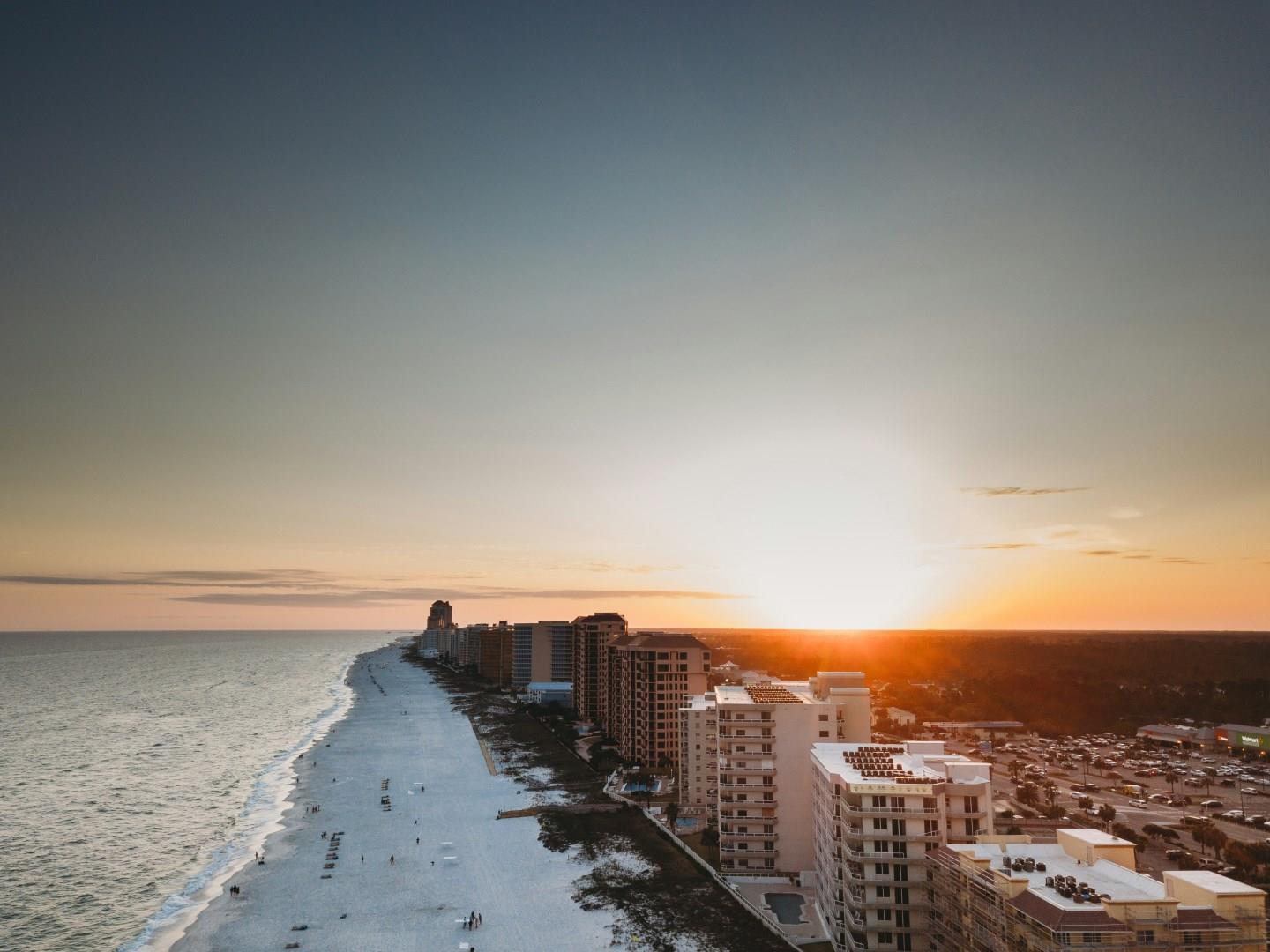
Orange Beach
Orange Beach is a coastal city in southern Alabama, located along the Gulf of Mexico between Gulf Shores and Perdido Key. It is known for wide sandy beaches, coastal dunes, inland bays, and waterways that support boating and fishing. The city extends along a narrow barrier-island setting, with residential areas, restaurants, marinas, and recreation facilities close to the water. Cotton Bayou, Terry Cove, and Wolf Bay provide access to calmer inland waters, while the Gulf shoreline offers a diffe
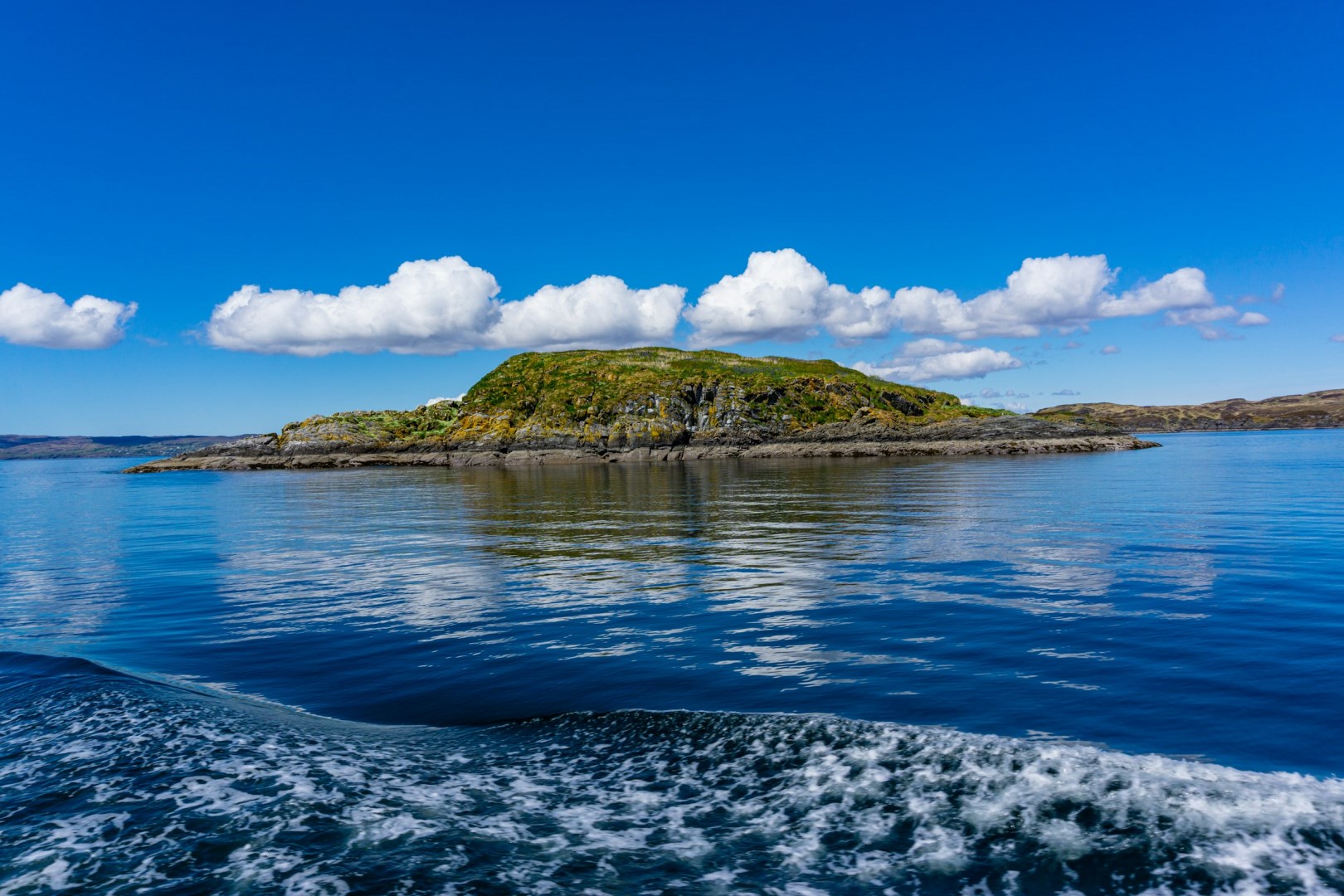
Eigg
Eigg is a small island in the Inner Hebrides, lying south of Skye and forming one of the four Small Isles. About five miles long and three miles wide, it combines a compact crofting landscape with beaches, moorland, woodland, cliffs, and volcanic formations. The island is community owned through the Isle of Eigg Heritage Trust, following a community buyout that placed its future under local control.
