
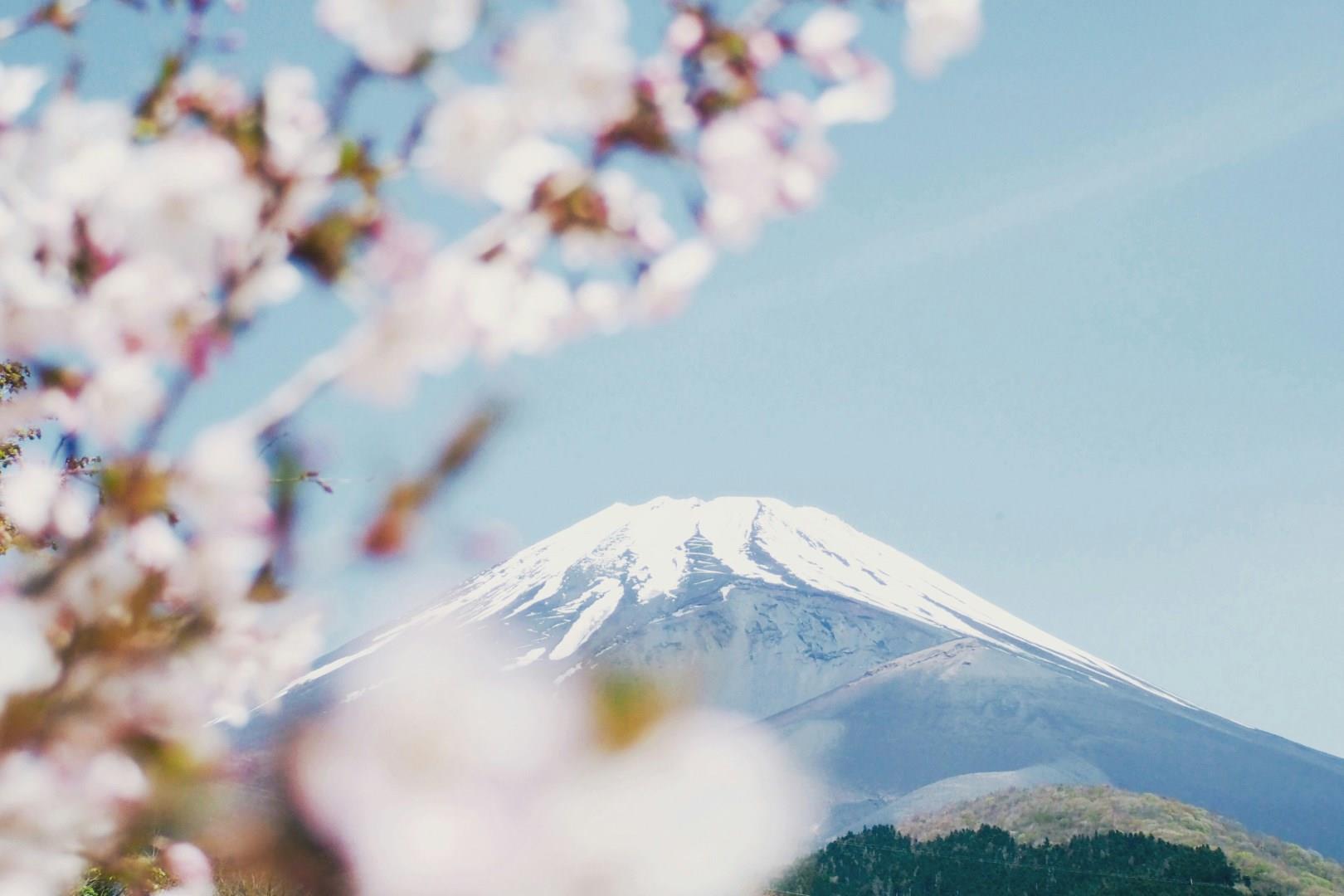
Japan
Japan is a country where deep-rooted traditions exist alongside cutting-edge innovation. From serene temples and centuries-old castles to neon-lit cities and futuristic technology, it offers travelers an extraordinary variety of experiences

Tórshavn
Tórshavn, the capital of the Faroe Islands, offers a unique blend of Scandinavian charm and rugged natural beauty. Nestled between dramatic fjords and windswept landscapes, Tórshavn is one of the smallest and most picturesque capitals in the world. Visitors can start their exploration in the historic Tinganes area, the cradle of Faroese civilization.
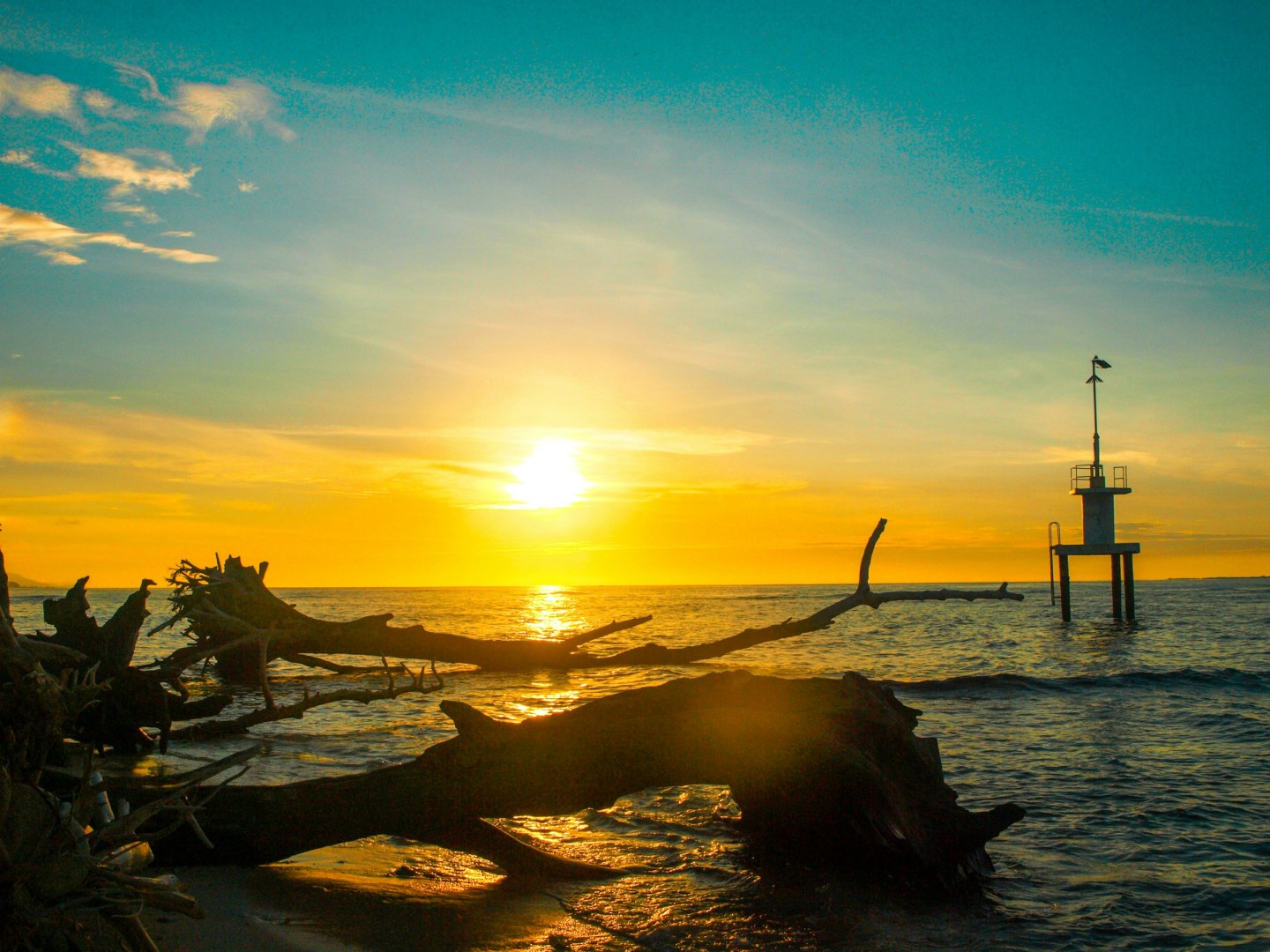
Wewak
Wewak is the capital of East Sepik Province on the north coast of Papua New Guinea, facing the Bismarck Sea. The town stretches along a coastal plain backed by low forested hills, with beaches, bays, and offshore islands forming part of the surrounding landscape. Wewak serves as the province’s main administrative and commercial center and provides access to the Sepik River region farther inland.
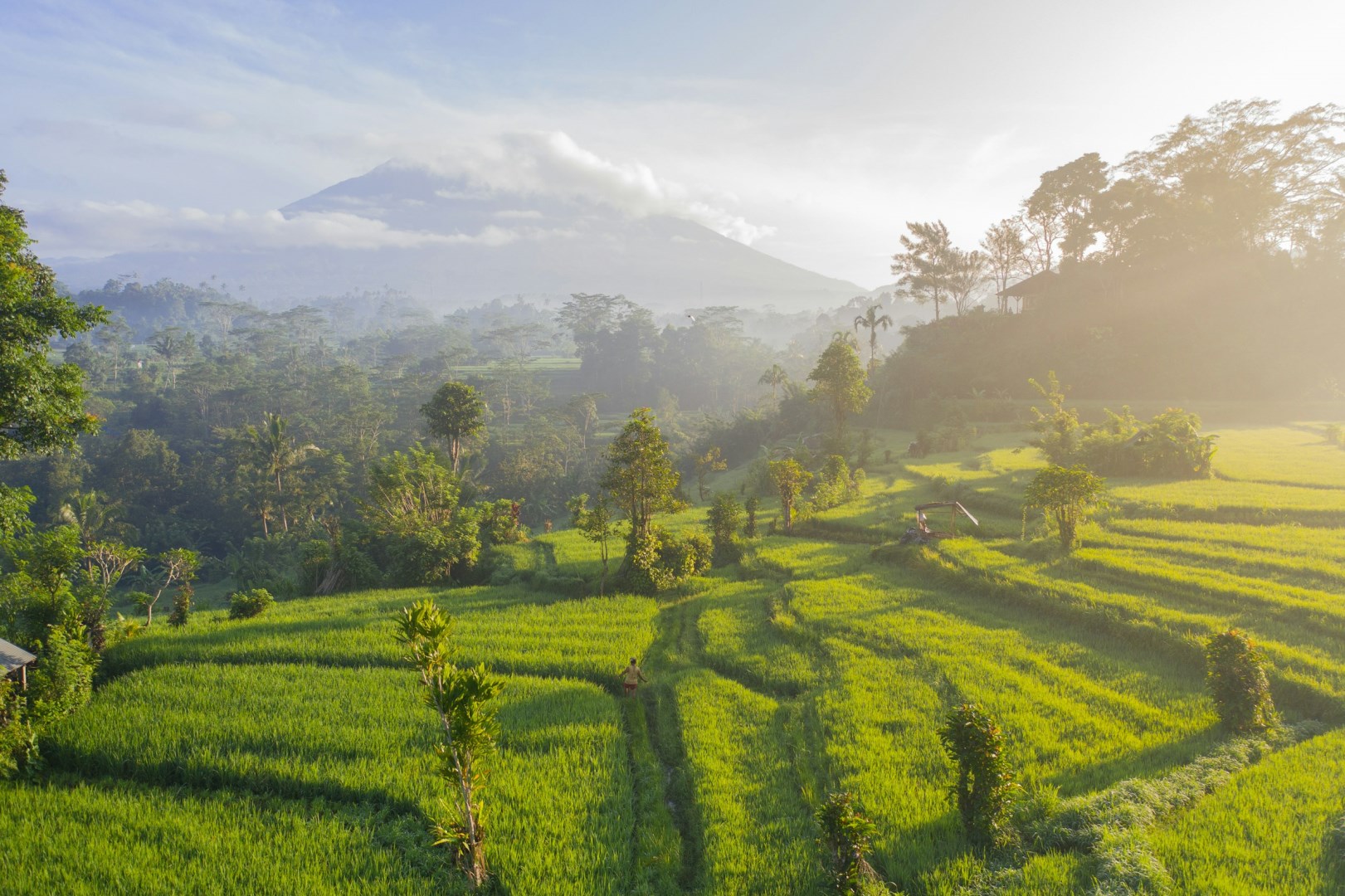
Sidemen
Sidemen is a rural valley in eastern Bali, surrounded by rice fields, wooded hills, small villages, and views toward Mount Agung. Located in Karangasem Regency, the area is known for its agricultural landscape and traditional village setting rather than a large urban center. Narrow roads and walking paths pass through cultivated fields, irrigation channels, gardens, and settlements, providing a close view of everyday life in Bali's countryside.
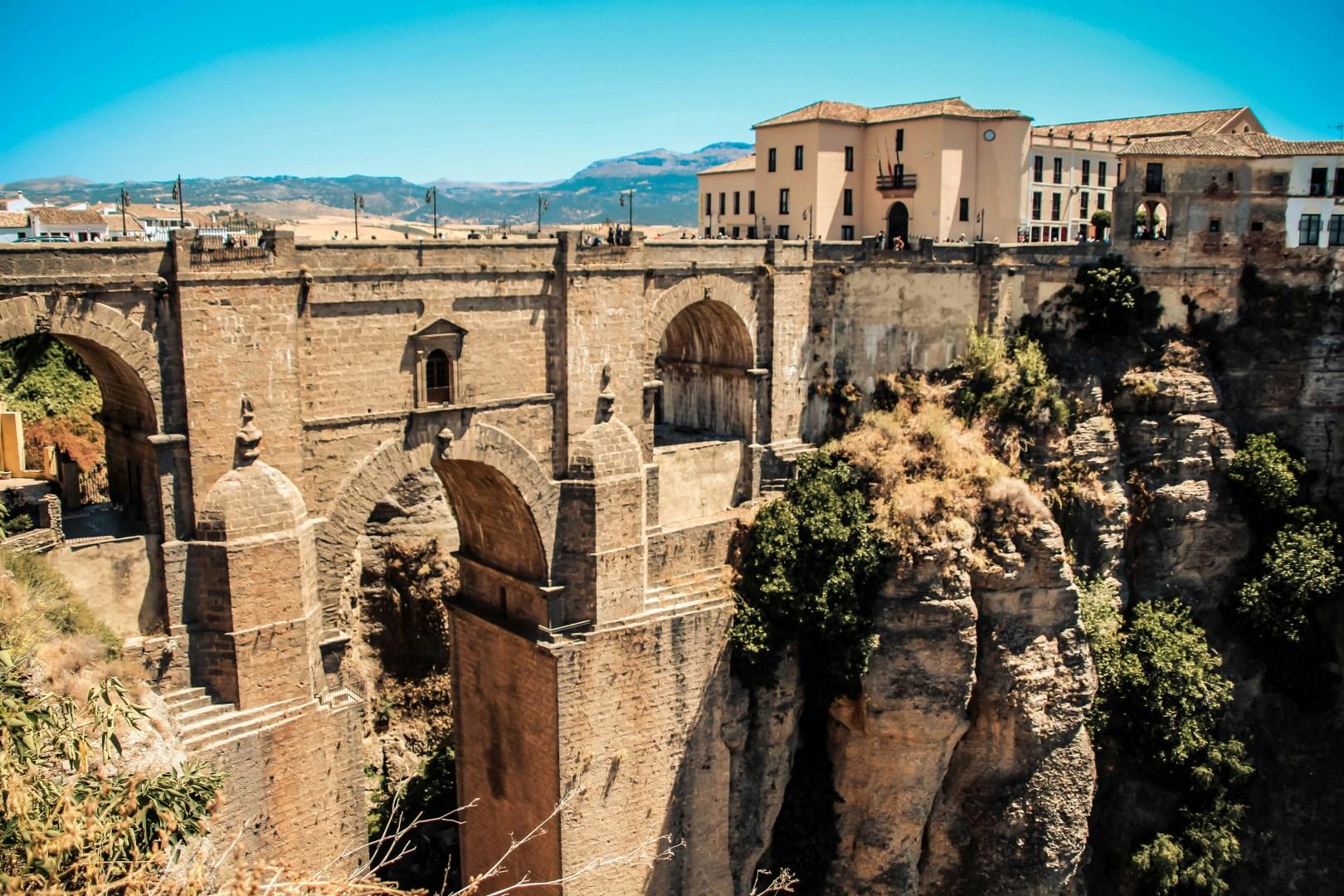
Ronda
Ronda, perched high above the El Tajo gorge in southern Spain’s Málaga province, offers one of the most dramatic landscapes in Andalusia. The city is split in two by a 120-meter-deep canyon carved by the Guadalevín River, and connected by the iconic Puente Nuevo, an 18th-century stone bridge that took over 40 years to complete. Visitors crossing the bridge can stop at the viewpoint built into the stone itself, once used as a prison.
