

Brighton and Hove
Brighton, a vibrant seaside city on England's southern coast, has long been a favorite getaway for those seeking a mix of culture, history, and the sea. Its most famous landmark, the Royal Pavilion, is an architectural wonder with its exotic, Indian-inspired domes and minarets. Originally built for King George IV as a lavish seaside retreat, the palace today offers visitors a glimpse into royal opulence with its richly decorated interiors and sprawling gardens.
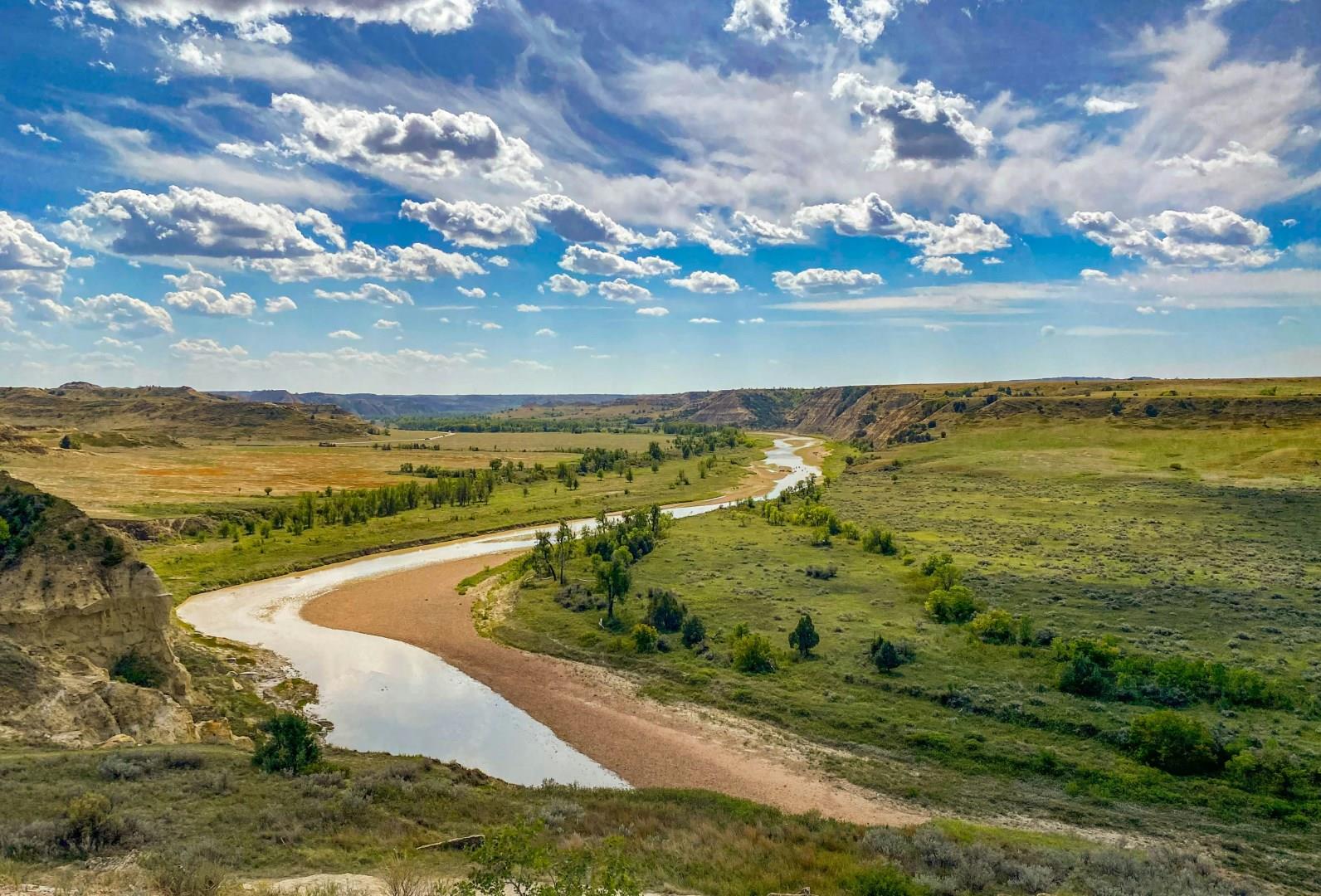
Theodore Roosevelt National Park
Theodore Roosevelt National Park, tucked into the rugged badlands of western North Dakota is where a young Theodore Roosevelt came to recover after the loss of his wife and mother in the same day. He bought a ranch, rode the open plains, and found the resolve that would later define his presidency. Today, the park named in his honor preserves that same wild spirit. Visitors can still see Roosevelt’s original Maltese Cross Cabin near the park's entrance and walk trails he once rode on horseback.
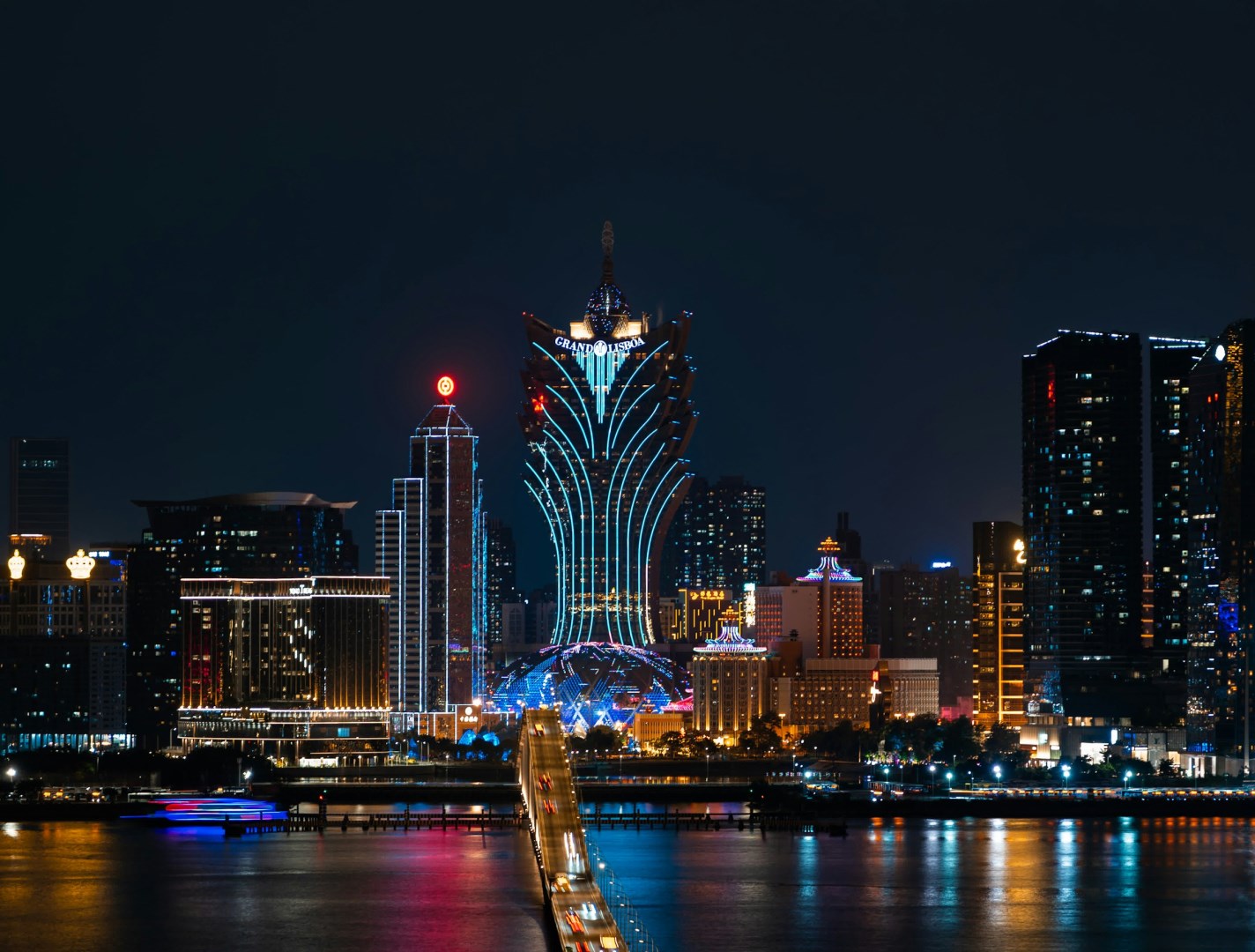
Macau
The city of Macau, located on the Pearl River Delta, is a destination where centuries of history meet modern vibrancy. Once a Portuguese colony, its streets still carry the marks of European influence: ornate churches, tiled plazas, and pastel façades sit alongside traditional Chinese temples and narrow alleyways filled with shops and markets.

Isla del Sol
Isla del Sol, or Island of the Sun, is one of the best-known islands in Lake Titicaca, Bolivia, located in the lake’s southern section near Copacabana. The island is shaped by steep hills, stone terraces, small farming communities, and broad views across the high-altitude lake toward the Andes. At about 3,810 meters above sea level, Lake Titicaca creates a distinctive setting where cultivated slopes meet deep blue water and distant mountain peaks.
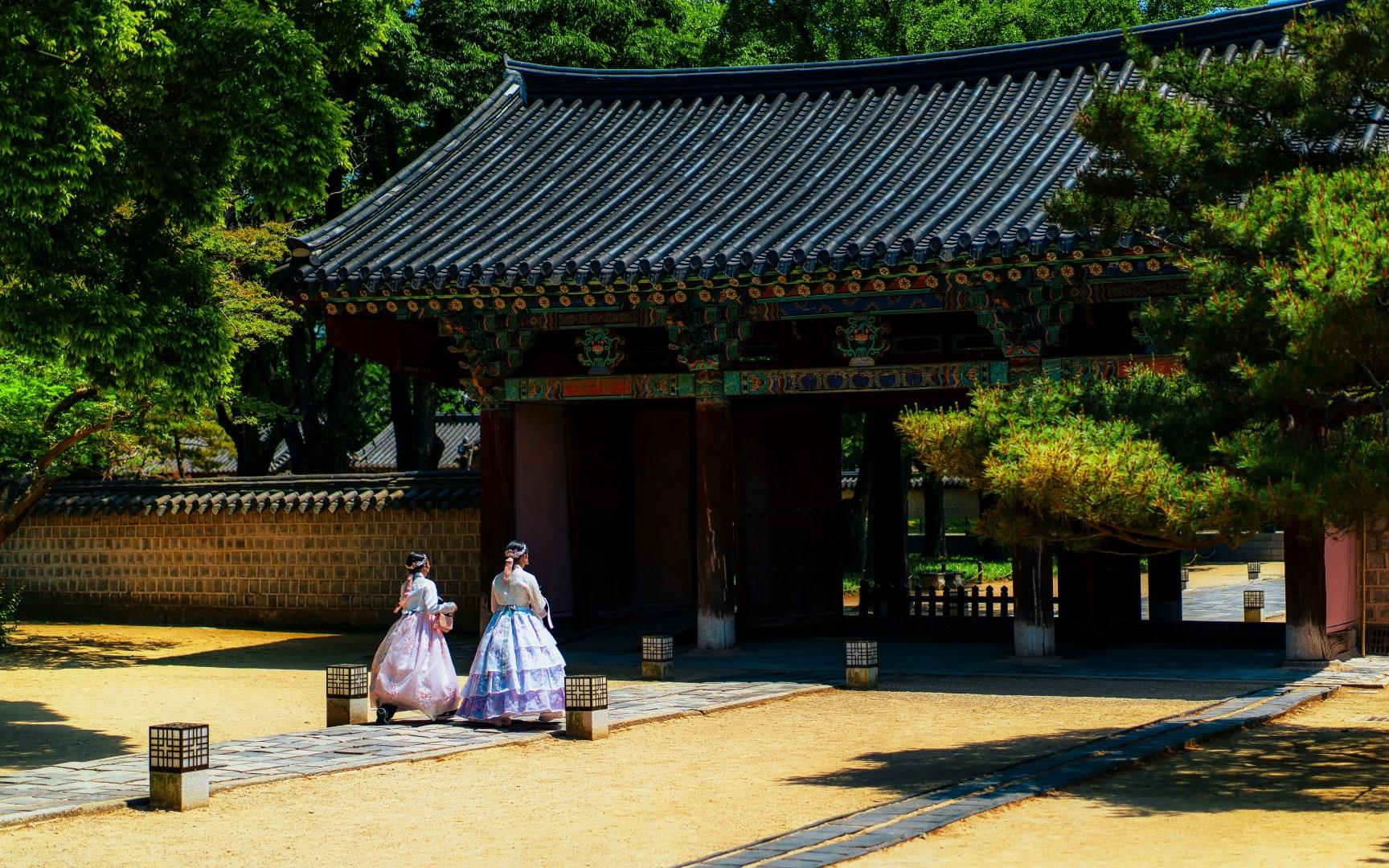
Jeonju-si
Jeonju-si, in South Korea’s North Jeolla Province, is widely associated with preservation rather than spectacle. The city’s identity is closely tied to its role as a former provincial capital during the Joseon Dynasty and as the birthplace of the royal Yi family.
