
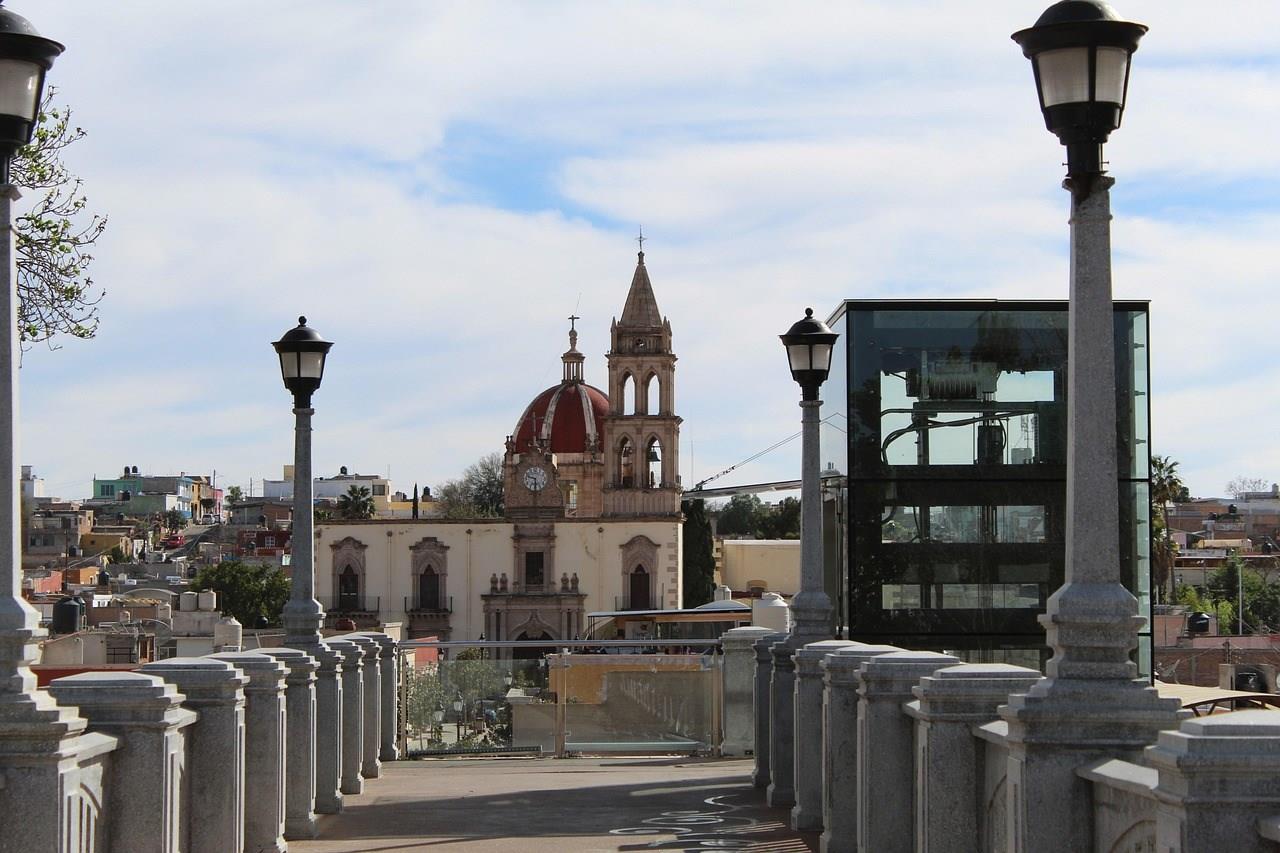
Durango
Victoria de Durango rises on a high plateau Mexico’s Sierra Madre Occidental, founded in 1563 by Francisco de Ibarra. Its streets trace layers of history: the historic center holds the most listed buildings in northern Mexico and remains a notable stop on the Camino Real de Tierra Adentro, now a UNESCO World Heritage route.

Papua New Guinea
Papua New Guinea is a land of surprises, where misty highlands give way to tropical coasts and vibrant festivals stir every sense. In the Highlands, the air carries the echoes of ceremonial drums and elaborate sing‑sings like the famed Goroka Show, where over 100 tribes gather in September to perform dances adorned with feathered headdresses, body paint, and the haunting clay masks of the Asaro Mudmen.
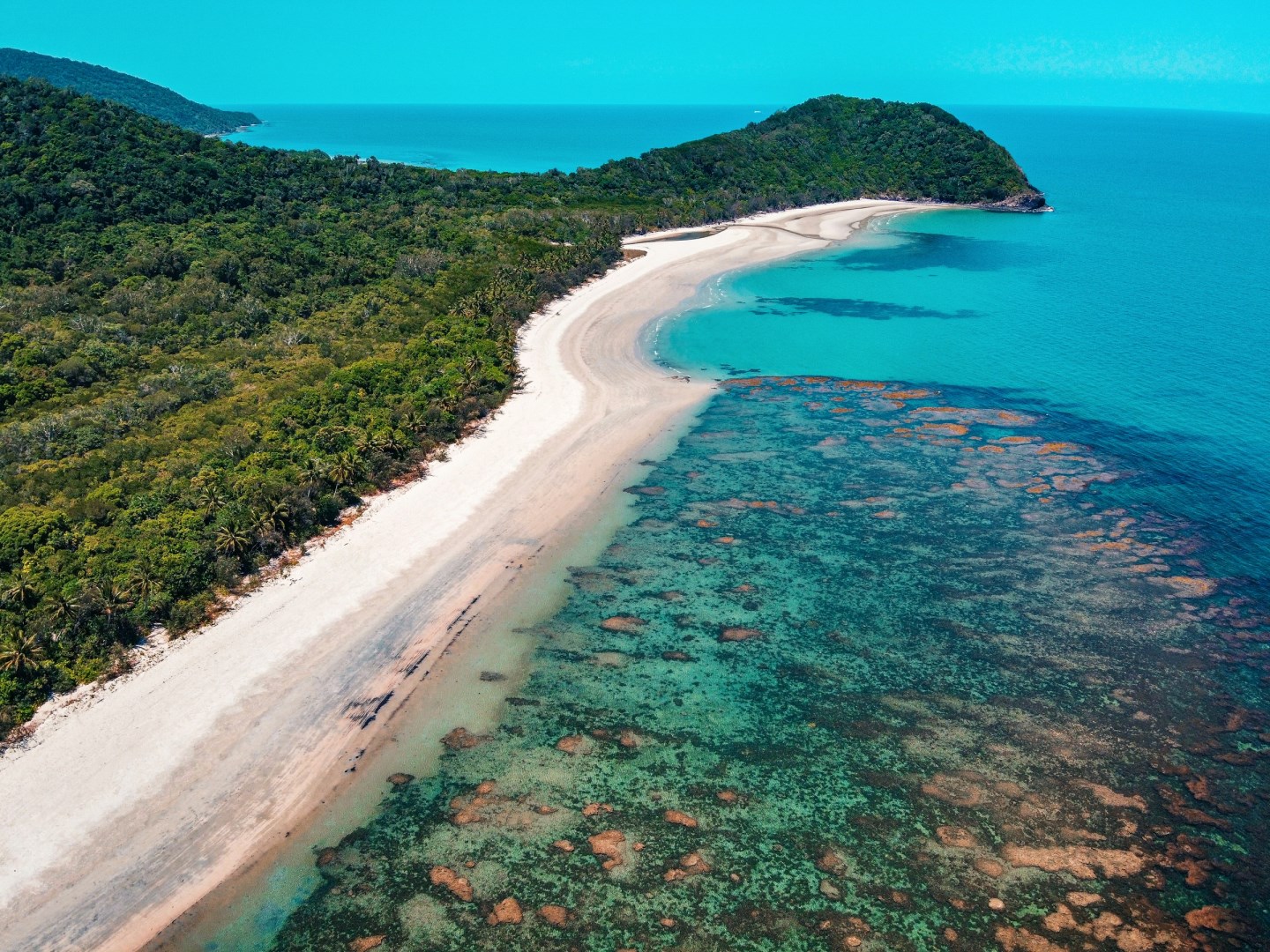
Cape Tribulation
The largest virgin tract of rainforest in Australia (and the second largest in the world), this lush, tropical World Heritage area is a living testimonial to the ancient rainforests which once covered the earth's surface. Cool forest streams, primitive rainforests, stunning mountain scenery and abundant wildlife - a naturalists and bird watchers paradise.
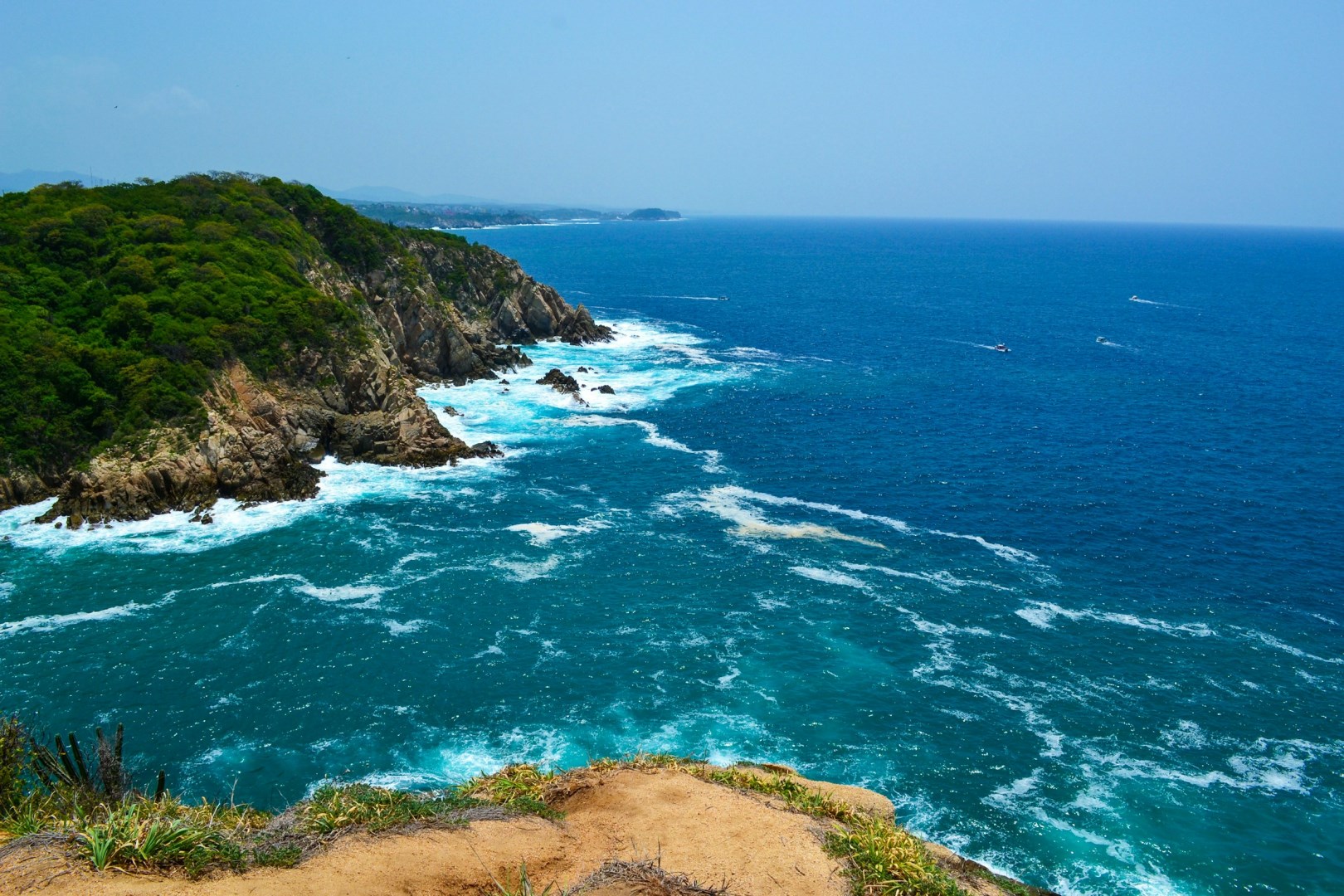
Puerto Escondido
Just a few years ago, Puerto Escondido was a fishing village. Now Puerto Escondido is still remote enough to avoid the crowds of the more established resort areas and a perfect "out of the way" spot for those looking for a great, romantic escape.
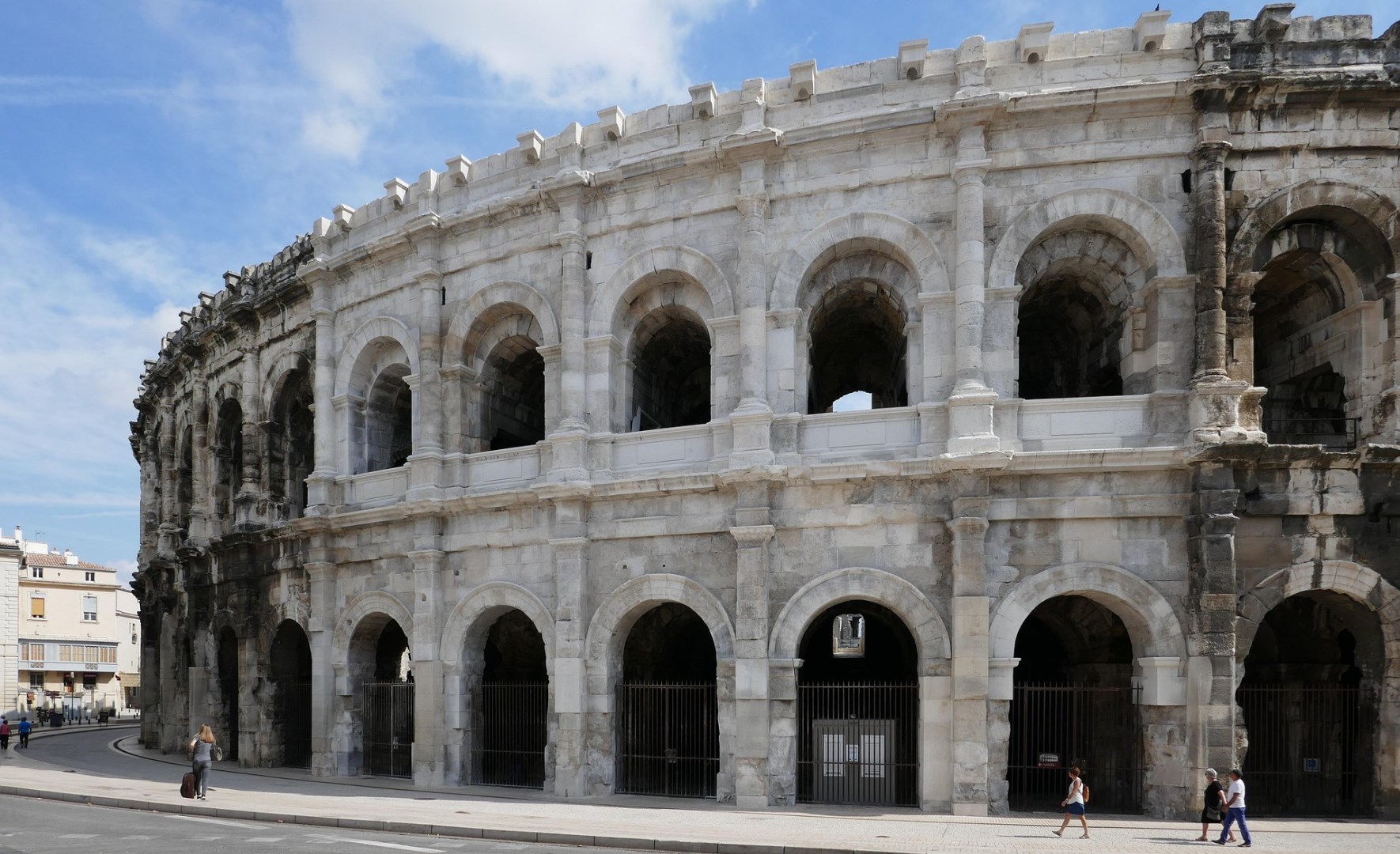
Nîmes
Located among the calcareous plateaus covered with Mideterranean scrub and alluvial deposites from the coastal plains, Nîmes appears as a city with various faces. First and foremost, the city is known as the 'French Roma', because of its famous history and its well conserved antique monuments. Nîmes is also, for many 'aficionados', the 'French Madrid'.
