
Ourika Valley
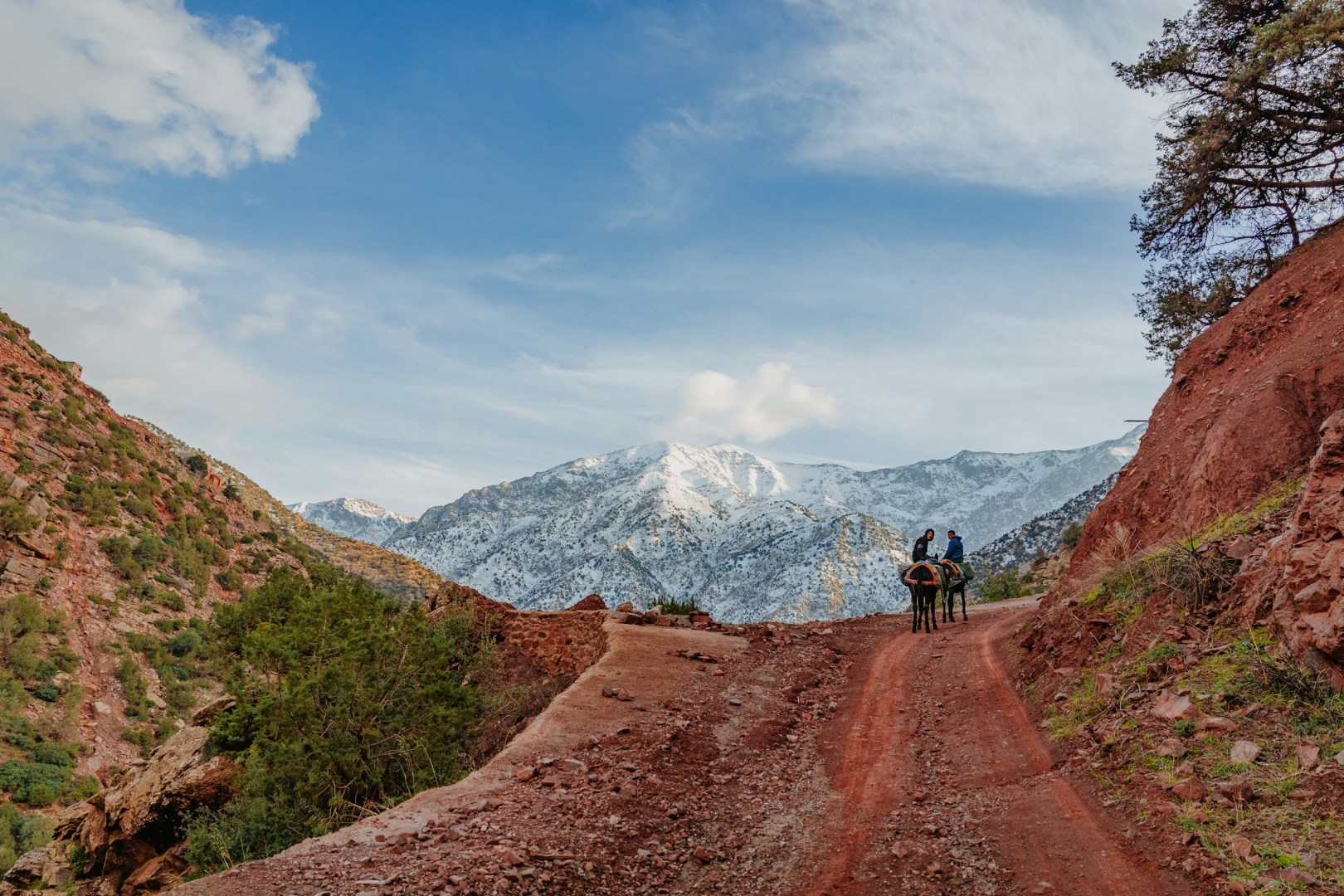
Ourika Valley lies south of Marrakesh in Morocco’s High Atlas Mountains, following the Ourika River through a narrow valley of villages, orchards, terraced fields, and steep mountain slopes. The valley is known for its relatively cool climate and access to the Atlas foothills, making it a marked contrast to the dry plains around Marrakesh. Small settlements extend along the river and up the surrounding slopes, where traditional houses are often built from earth and stone.

St. Petersburg
A family vacation favorite with glorious weather year-round. There are 102 city parks on 2400 acres, five beaches, eight public swimming pools, 2 municipal golf courses, plenty of tennis courts, fine shops, museums and restaurants to explore and enjoy in St. Petersburg.
Thar Desert
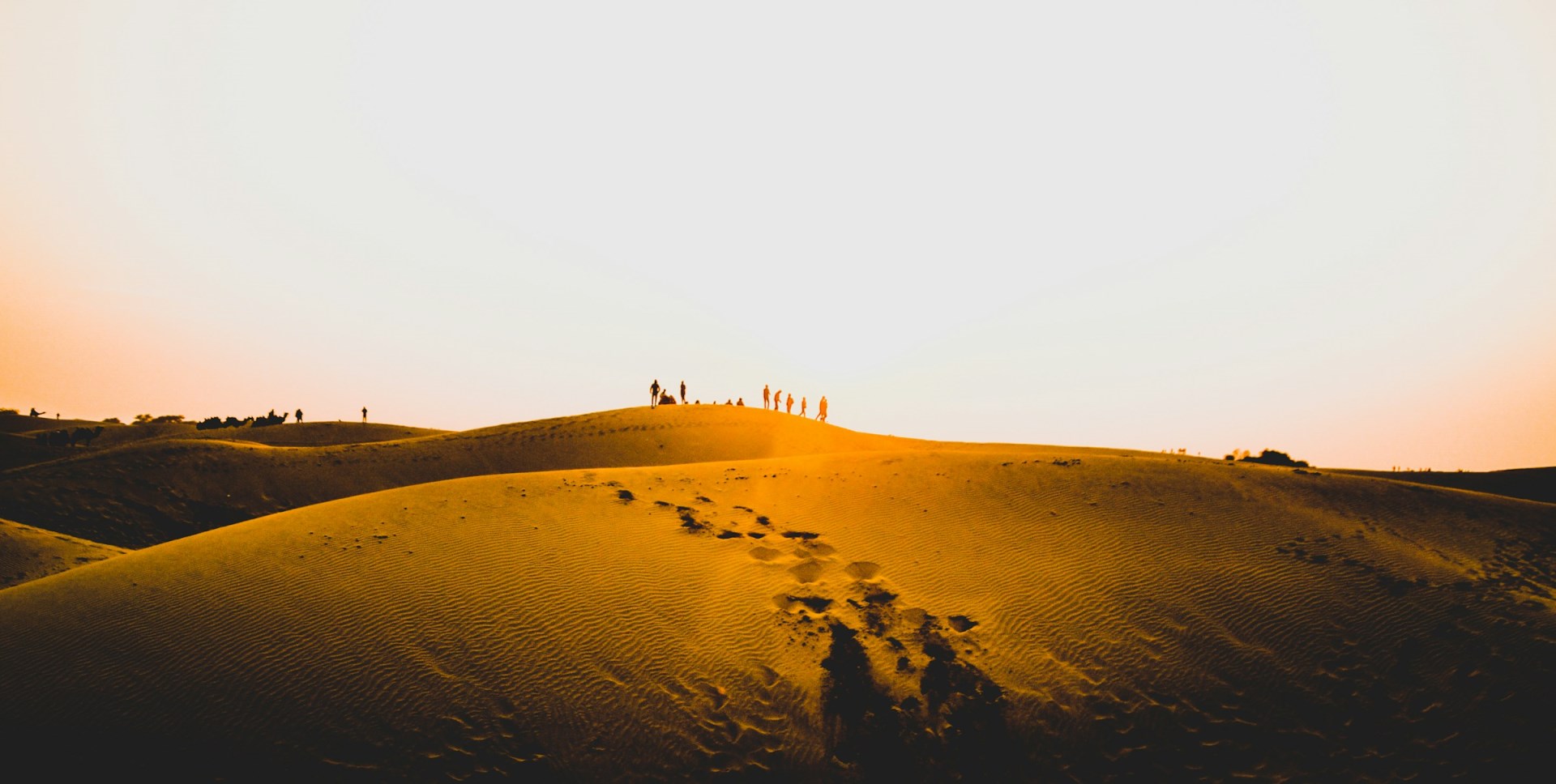
The Thar Desert stretches across northwestern India, with its largest Indian expanse lying in Rajasthan and extending toward the borders of Gujarat, Punjab, and Haryana. It is a dry landscape of sand dunes, gravel plains, rocky ground, thorn scrub, and scattered grasslands rather than an entirely sandy wilderness. Jaisalmer, Jodhpur, and Bikaner are among the best-known gateways to the desert, while smaller settlements reveal how people have adapted to scarce water and extreme temperatures. The
Bagerhat
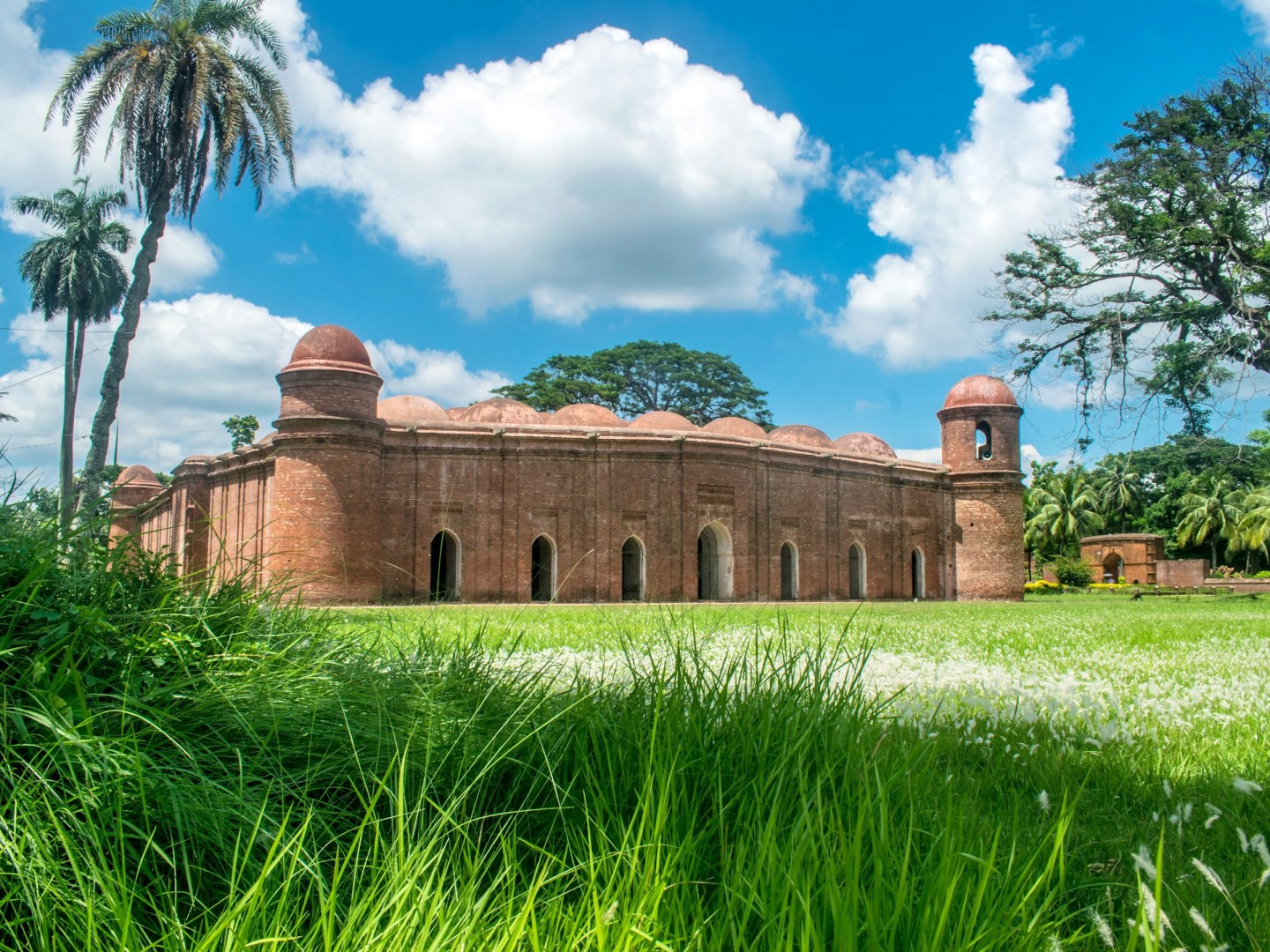
Bagerhat is a historic city in southwestern Bangladesh, known for its remarkable concentration of Islamic monuments and its setting near the former channels of the Ganges-Brahmaputra delta. The city was established by Khan Jahan Ali and developed as an important settlement surrounded by waterways, ponds, roads, and mosques. Today, Bagerhat is best known for the Historic Mosque City of Bagerhat, a UNESCO World Heritage Site containing numerous brick-built religious and civic structures. Its locat

Linz
Midway between Salzburg and Vienna, Linz boasts beautiful Baroque buildings, including Old Town Hall and the Old Cathedral, Alter Dom. Lentos Kunstmuseum Linz has a major modern art collection and across the river, the striking Ars Electronica Center focuses on society, technology, and the future. Some of Austria's most iconic figures, including Adalbert Stifter, composers Wolfgang Mozart and Anton Bruckner, and the famous scientist Johannes Kepler, once called Linz home.
