
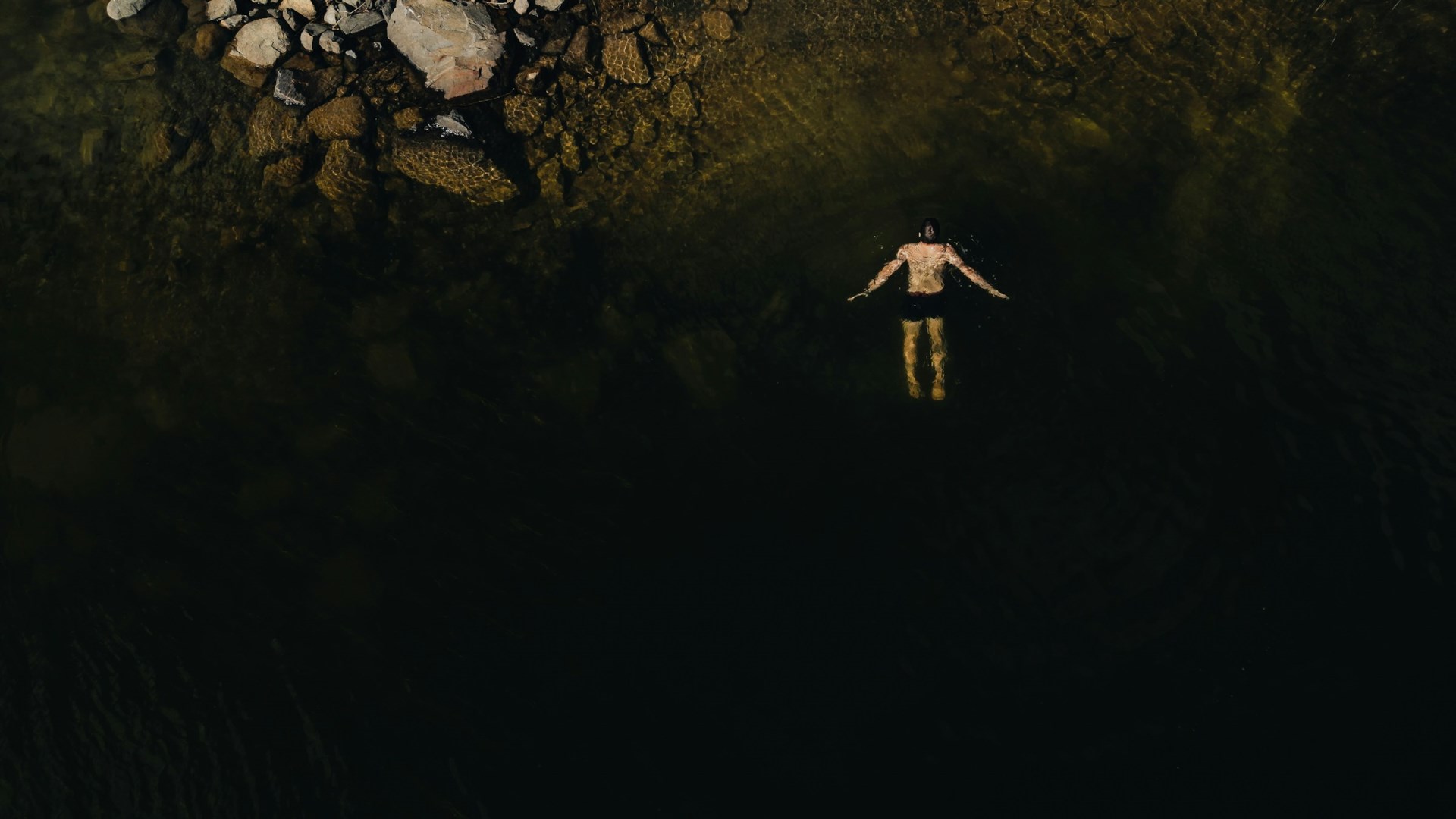
Yellowknife
Yellowknife is the capital of the Northwest Territories, set on the rocky northern shore of Great Slave Lake amid the forests and exposed Canadian Shield of the subarctic. The city developed around gold mining and later became the territorial centre for government, commerce, transportation, and northern services. Today, Yellowknife serves as a gateway to the wider Northwest Territories and the Canadian Arctic. Its location beneath the auroral oval makes the northern lights a defining feature.
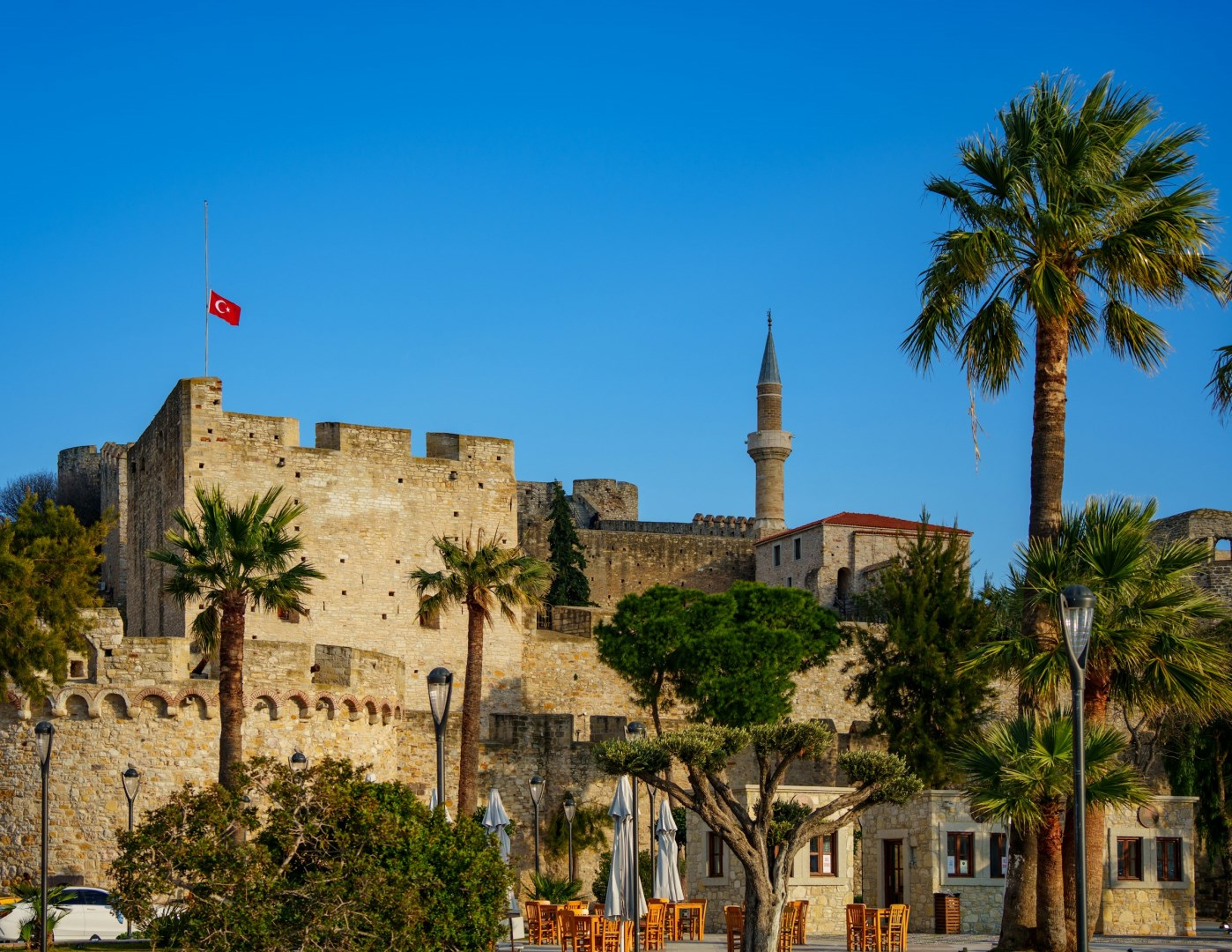
Çeşme
Çeşme is a coastal town on Turkey’s western Aegean shore, located on a peninsula opposite the Greek island of Chios. Its name means “fountain,” reflecting the numerous historic springs and fountains found around the town. Çeşme combines a busy marina and waterfront with sandy beaches, wind-swept headlands, and villages surrounded by vineyards and olive groves.
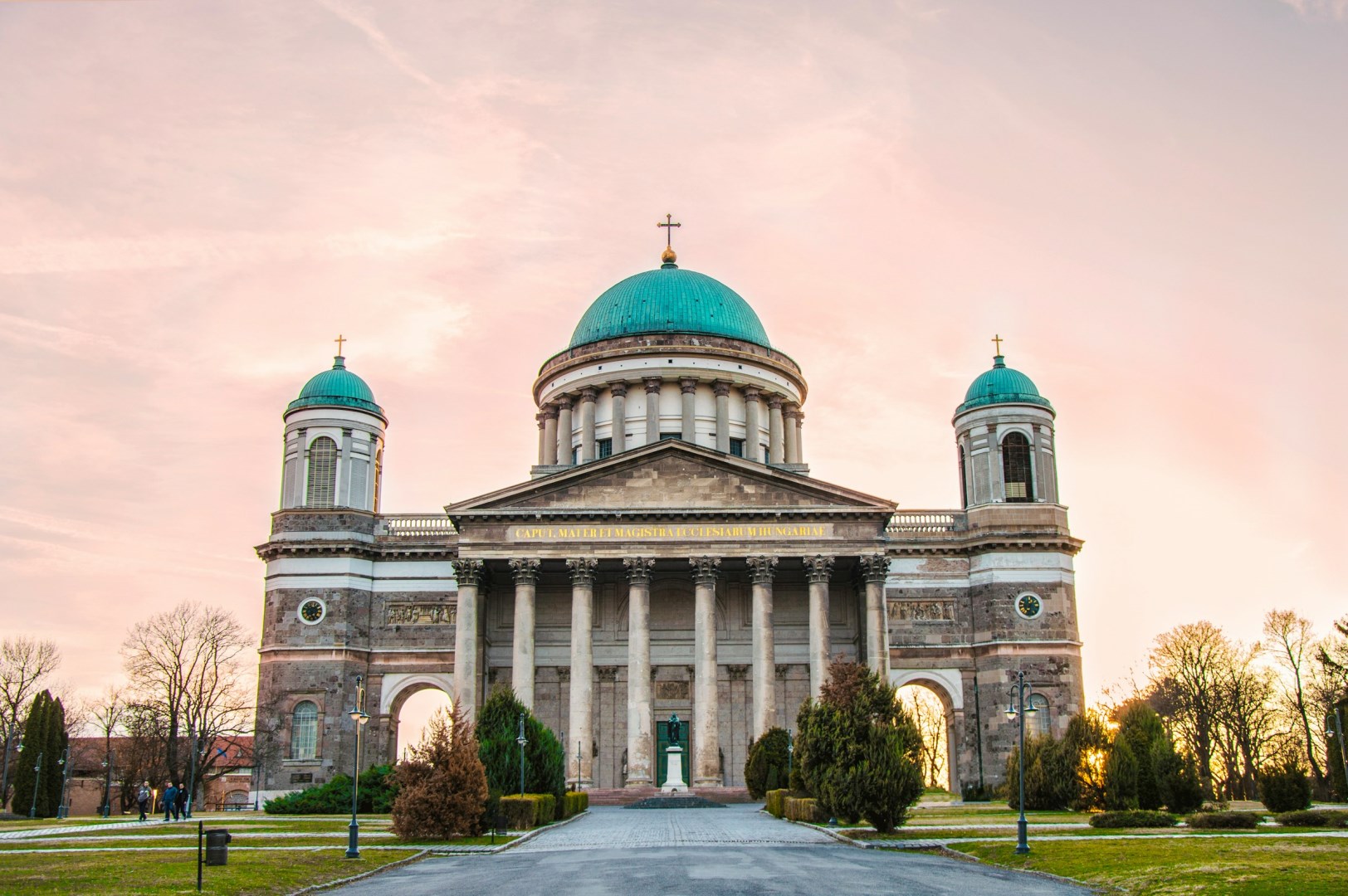
Esztergom
Esztergom is one of Hungary’s oldest and most historically significant towns, located along the Danube River just an hour north of Budapest. It was the country’s royal capital during the Middle Ages and the birthplace of its first king, Saint Stephen. Today, visitors are drawn to the Esztergom Basilica, the largest church in Hungary. Its dome rises over 70 meters high and offers panoramic views of the river, the surrounding hills, and neighboring Slovakia across the Mária Valéria Bridge.
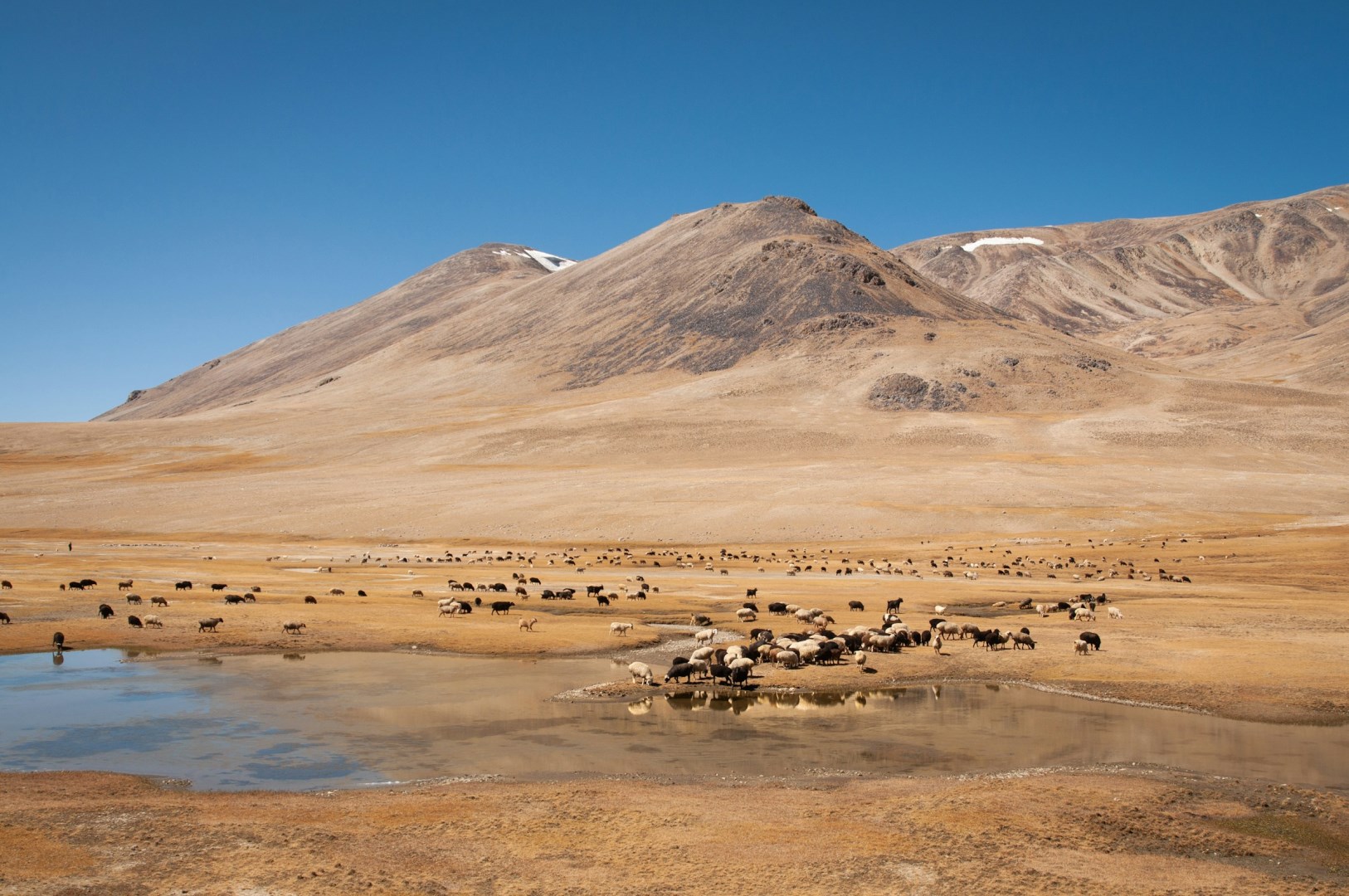
Murghab
Murghab is a remote mountain town in eastern Tajikistan, located in the high-altitude Pamirs of the Gorno-Badakhshan Autonomous Region. It sits within a broad, dry landscape of gravel plains, mountain ranges, and sparse alpine vegetation, where trees are largely absent. Murghab is an important stopping point on the Pamir Highway, connecting eastern and western parts of the Pamirs and continuing toward Kyrgyzstan.

Skagway
This small yet charming city in Alaska's panhandle is a throwback to the gold rush era. Skagway is a well-preserved part of Klondike Gold Rush National Historical Park.
