
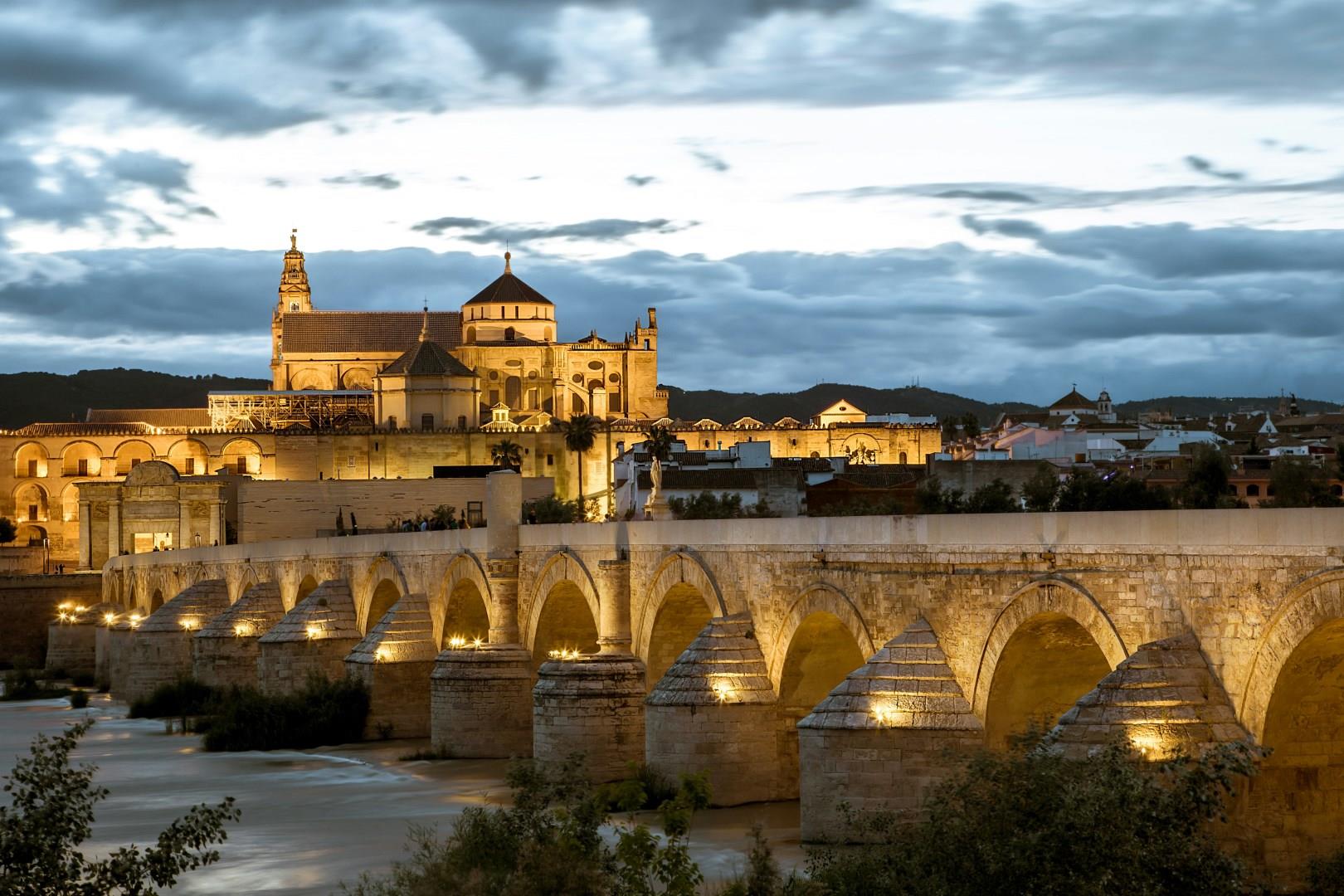
Córdoba
Córdoba, located in the heart of Andalusia, was once the most advanced city in Western Europe. During the 10th century, it served as the capital of Al-Andalus and was a center for learning, science, and art. Today, visitors walk the same streets that philosophers, poets, and physicians once crossed. The city’s most famous landmark, the Mezquita-Catedral, reflects its layered past. The red and white horseshoe arches inside are one of the most photographed interiors in Spain.
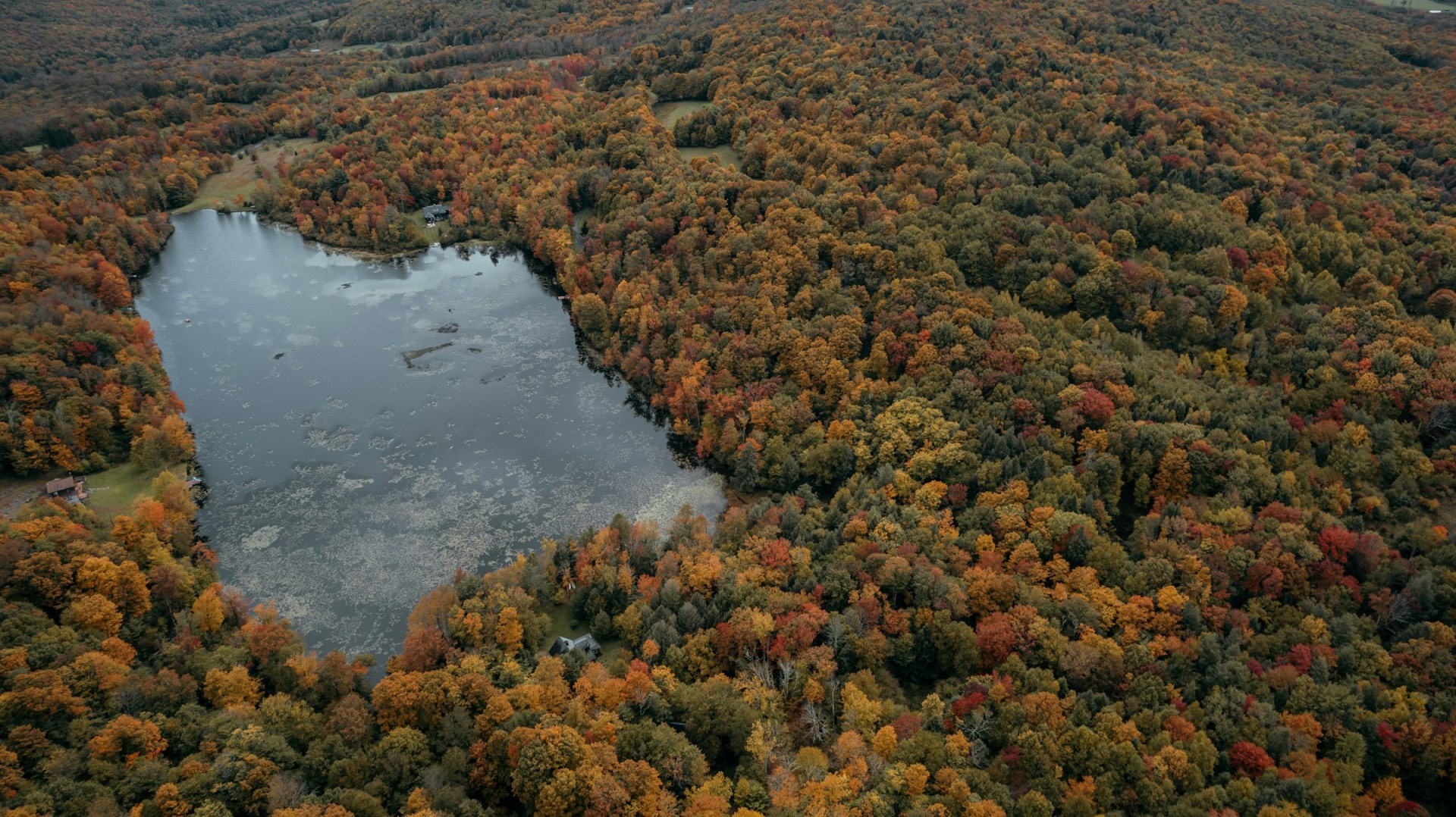
Catskill Mountains
The Catskill Mountains are a mountainous region in southeastern New York, forming part of the larger Appalachian landscape. The area is centered on the Catskill Park, which covers more than 700,000 acres across Delaware, Greene, Sullivan, and Ulster counties. Forested slopes, steep valleys, streams, lakes, and rocky overlooks define the terrain, while small towns and rural communities occupy the surrounding valleys.
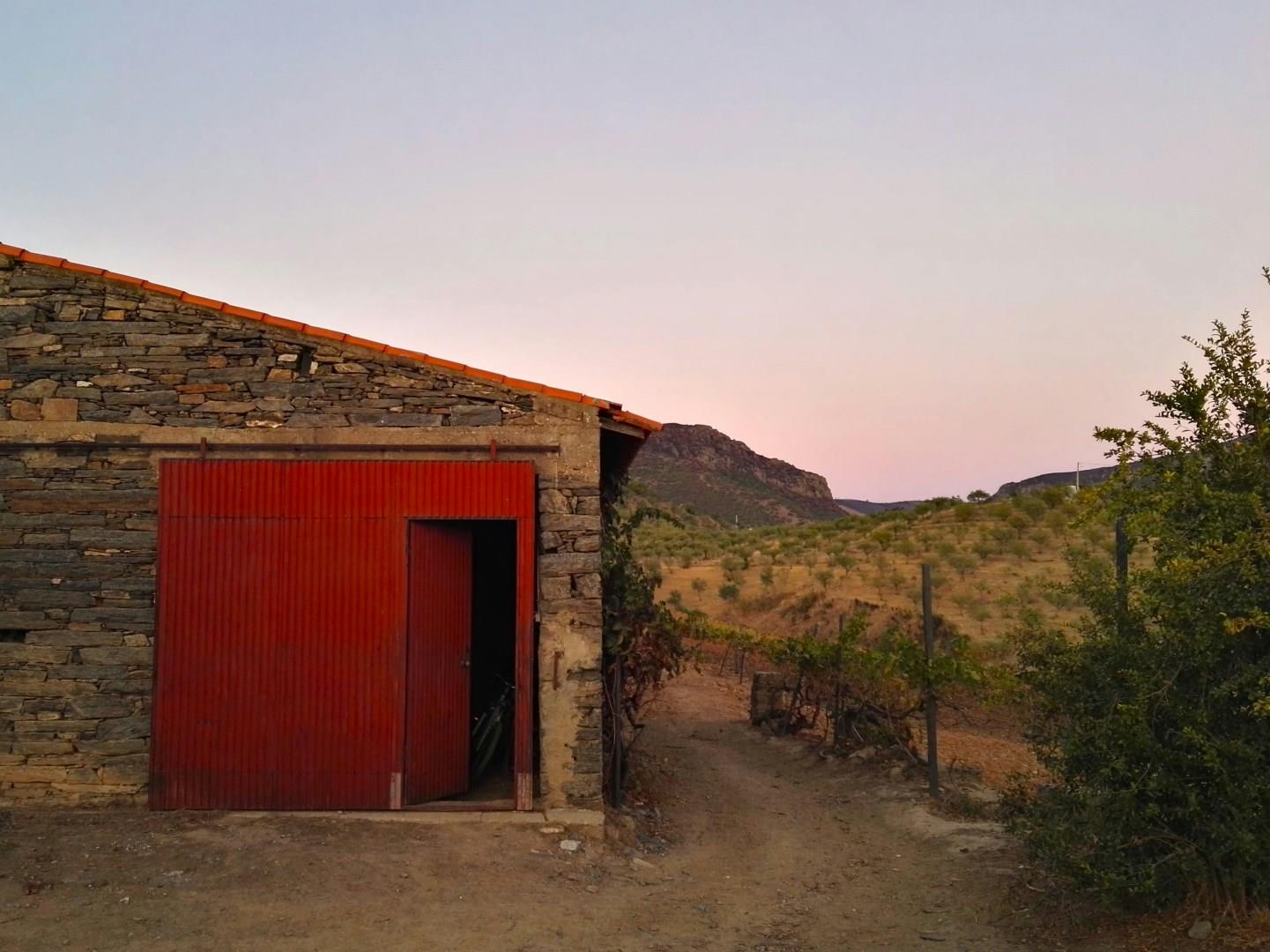
Barca d'Alva
Barca d'Alva sits quietly along the Douro River, right at Portugal’s eastern border with Spain. Once the final stop on the historic Douro railway line, this riverside village remains relatively untouched by mass tourism. The surrounding landscape filled with terraced vineyards, olive groves, and almond trees form part of the UNESCO-listed Alto Douro Wine Region.
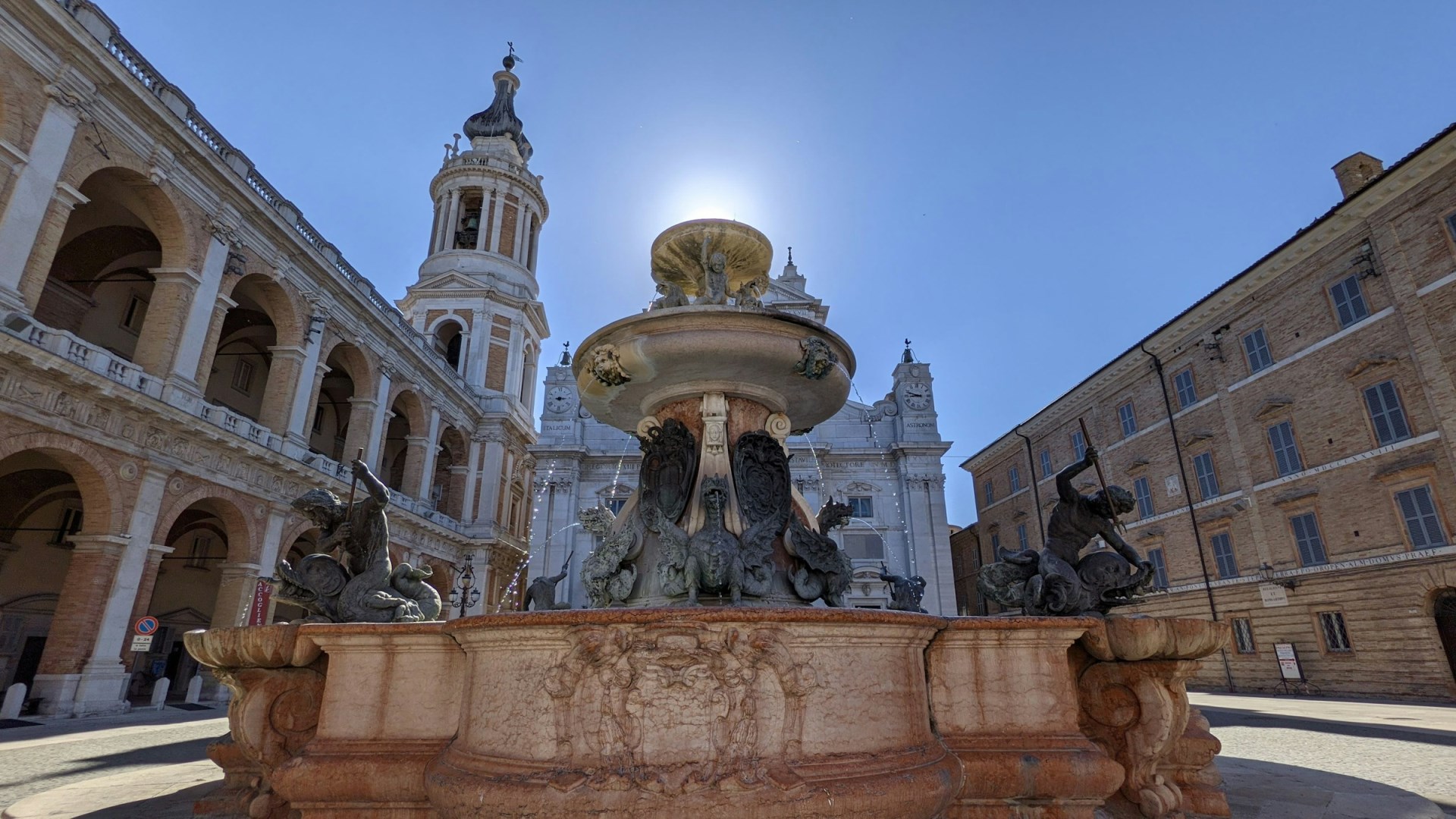
Loreto
High on a hill, dominating the sea, Loreto is a small city that lives solely for the "Santa Casa", one of the most famous and revered monuments of Christianity. According to tradition, it was the Virgin Mary's birth house, which up until that time was kept intact and venerated in Palestine, then flown by angels from Nazareth to the Adriatic Coast and set on a green hill of laurels on the night of December 10, 1294; hence the name Loreto.
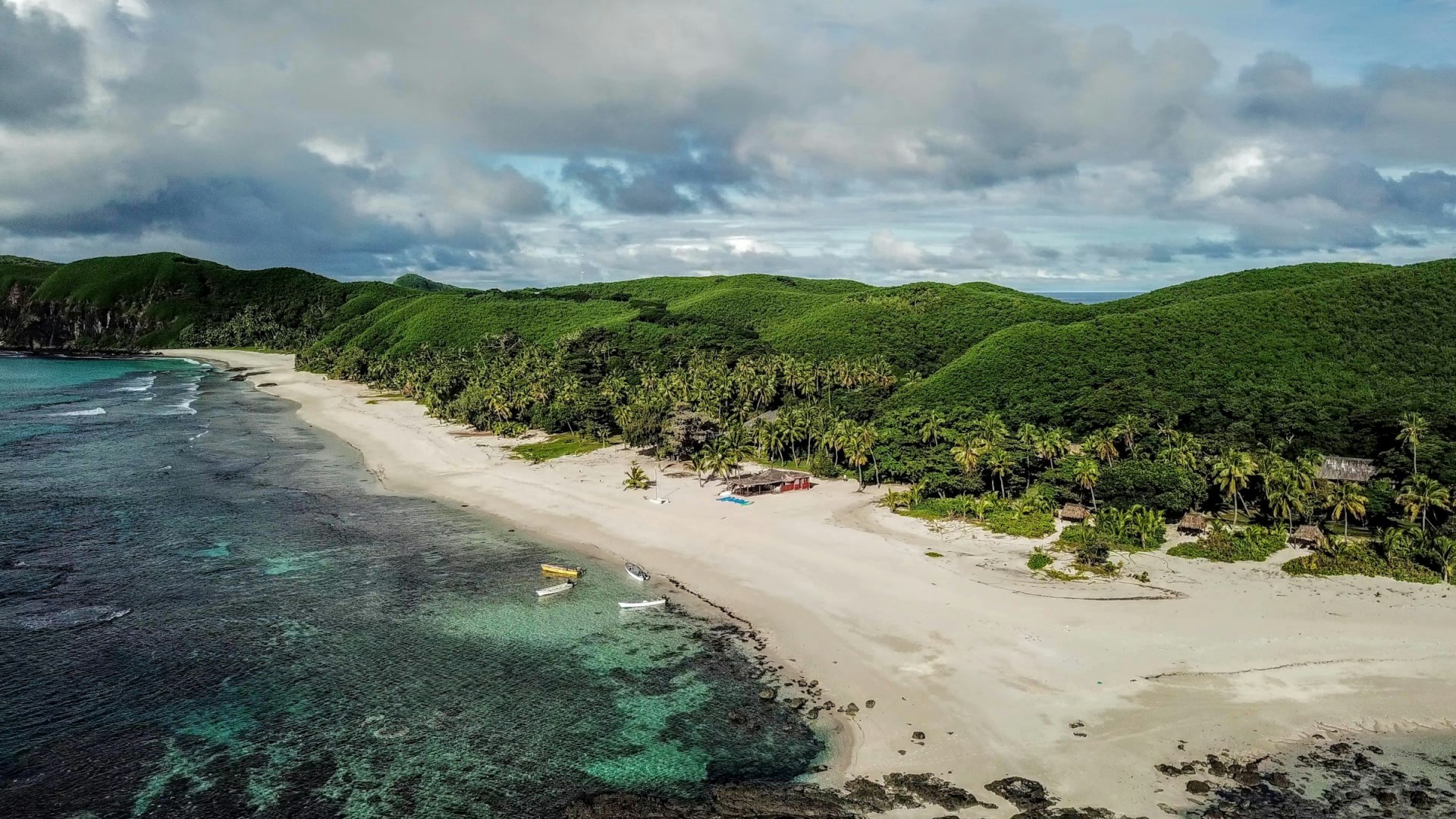
Yasawa Island
A long chain of volcanic islands form a broken ribbon of unspoiled white sand beaches through the azure waters of the Yasawa Islands.
