
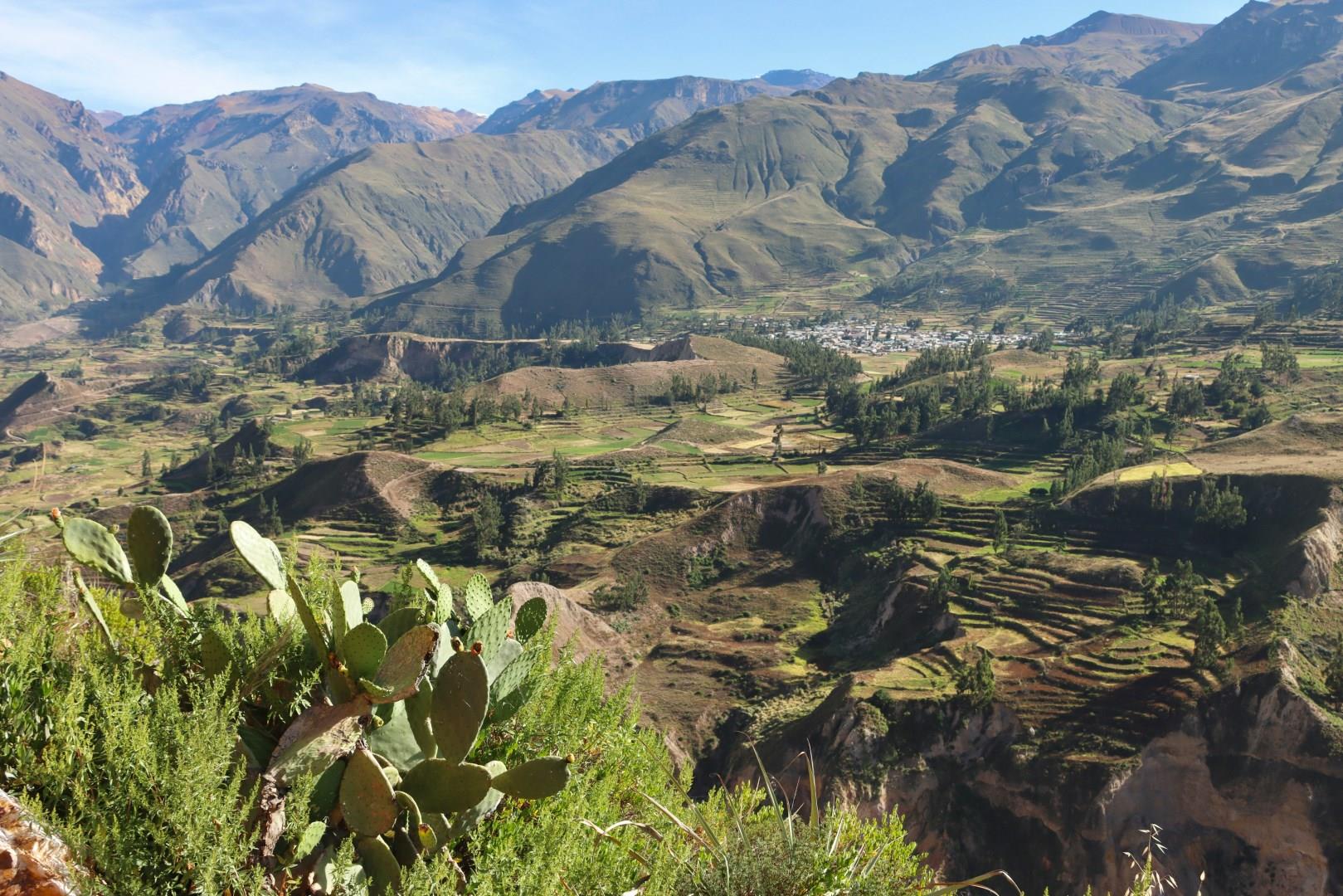
Colca Canyon
Colca Canyon, located in southern Peru’s Arequipa region, is one of the deepest canyons in the world, twice as deep as the Grand Canyon in some areas. What makes it stand out even more is how human settlements have coexisted with the landscape for centuries. Along its walls, pre-Inca agricultural terraces still hold crops like corn and quinoa. One of the main draws of the canyon is the opportunity to see Andean condors in flight.
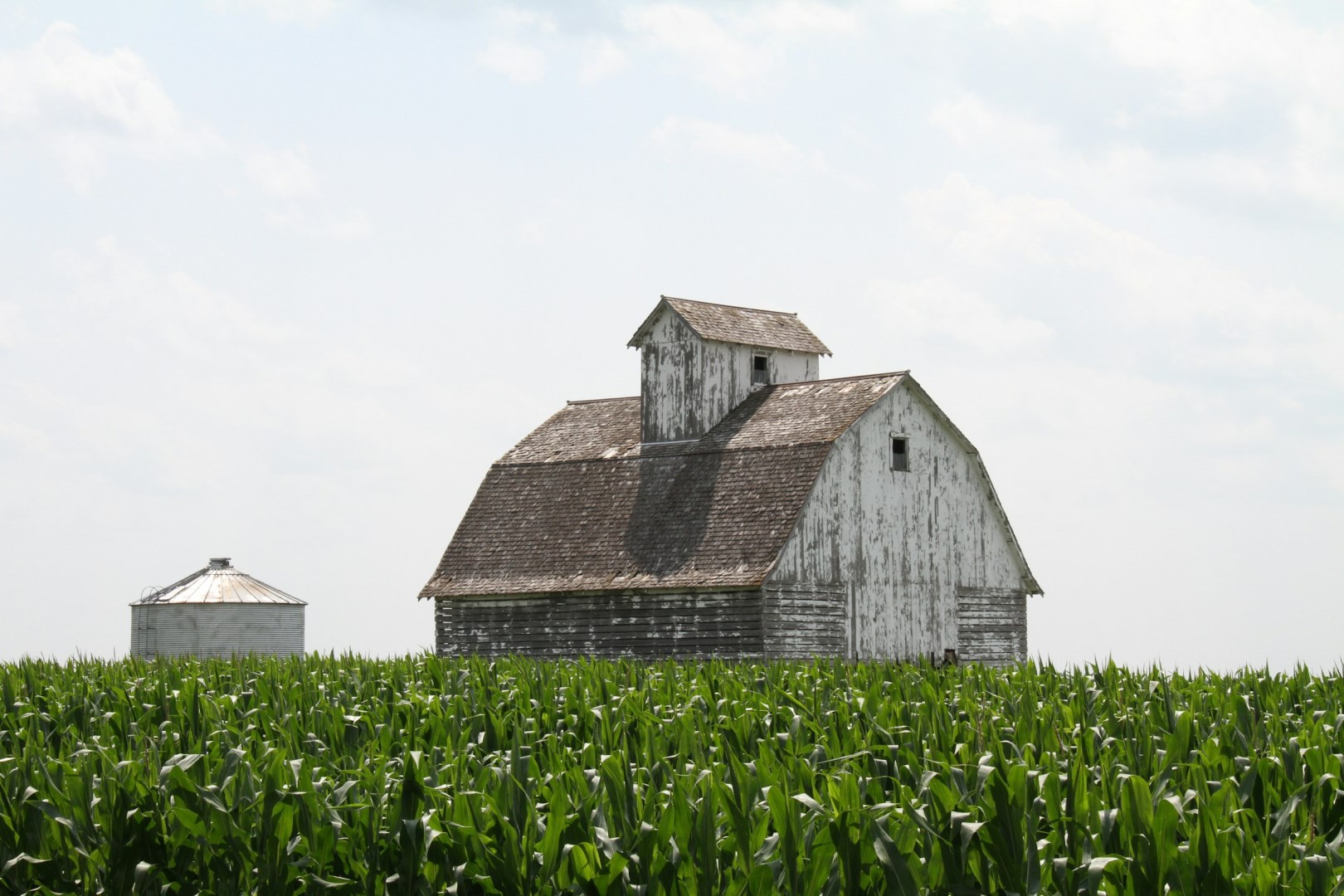
Iowa
Iowa, often overshadowed by its larger neighbors, offers a delightful array of attractions for visitors seeking a blend of natural beauty and cultural experiences. Des Moines, the state capital, is a vibrant hub with something for everyone. The Pappajohn Sculpture Park showcases large-scale works by renowned artists, set against the backdrop of downtown’s skyline. Nearby, the Science Center of Iowa engages visitors with interactive exhibits and an impressive IMAX theater.
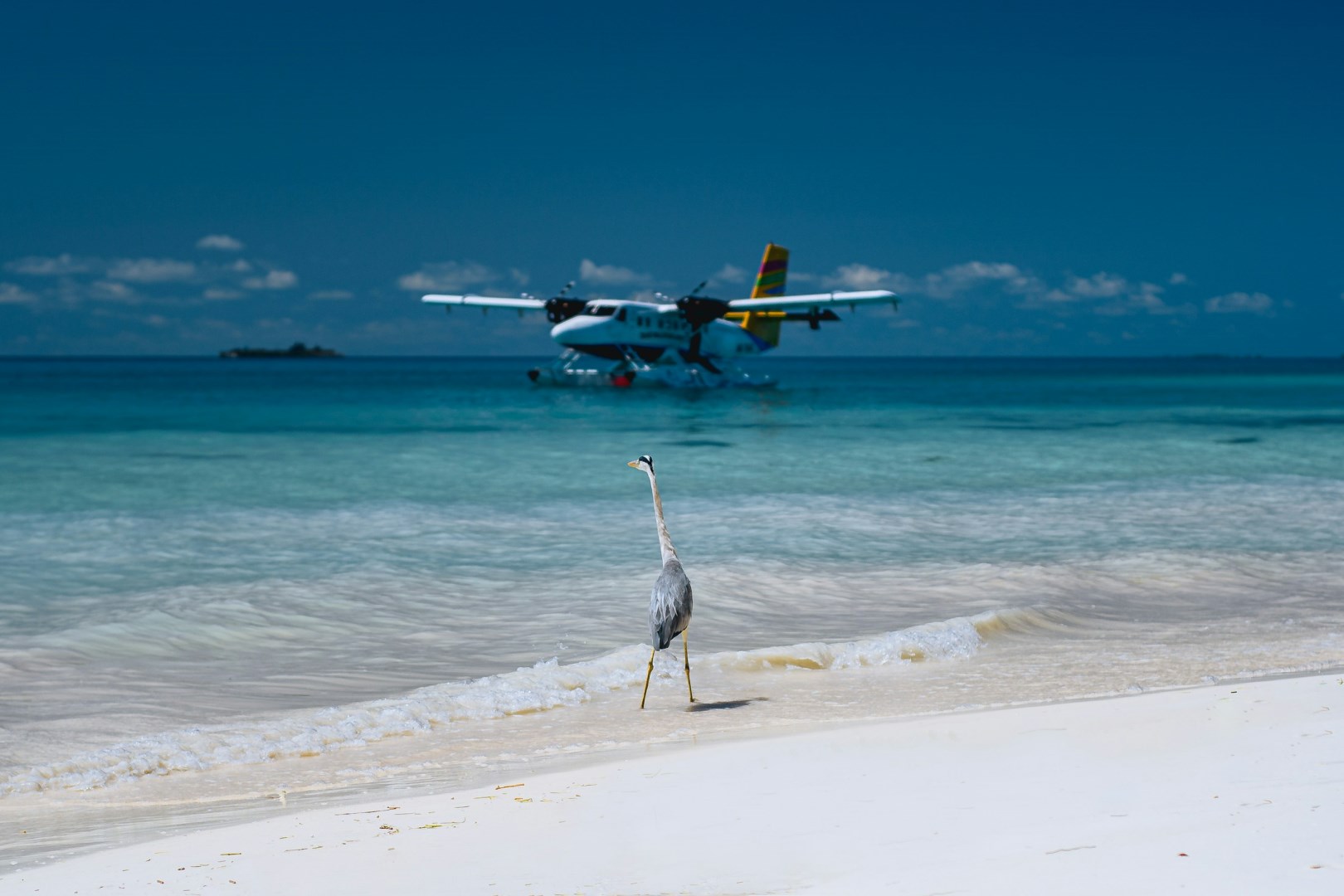
Alifu Dhaalu Atoll
Alifu Dhaalu Atoll, also known as South Ari Atoll, lies southwest of Malé in the central Maldives and includes a mixture of inhabited islands, uninhabited islets, sandbanks, and resort islands. The atoll is surrounded by coral reefs and clear lagoon waters, while many of its inhabited islands retain compact communities shaped by fishing and maritime traditions. Mahibadhoo serves as the administrative capital, with Dhangethi, Dhigurah, Omadhoo, and Mandhoo among the better-known local islands.
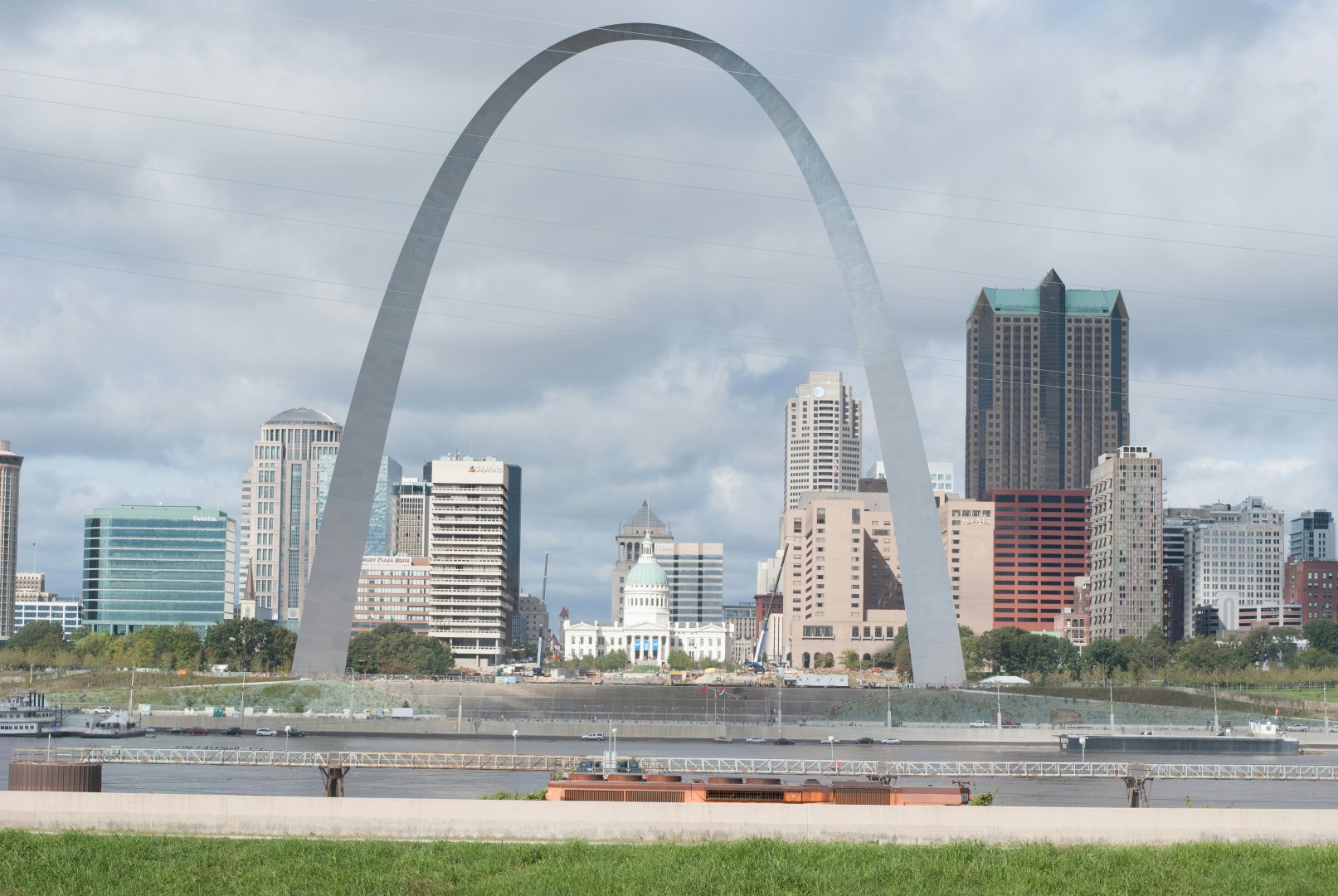
St. Louis
St. Louis is a major city in the state of Missouri, United States, located along the western bank of the Mississippi River. It is widely recognized for the Gateway Arch, which defines its skyline and reflects its historical role as a point of movement toward the western parts of the country.

Malaysia
Located in Southeast Asia, Malaysia consists of two distinct regions—Peninsular Malaysia and Malaysian Borneo—each offering unique opportunities. With its stunning landscapes and world-class food scene, Malaysia offers an unforgettable travel experience.
