
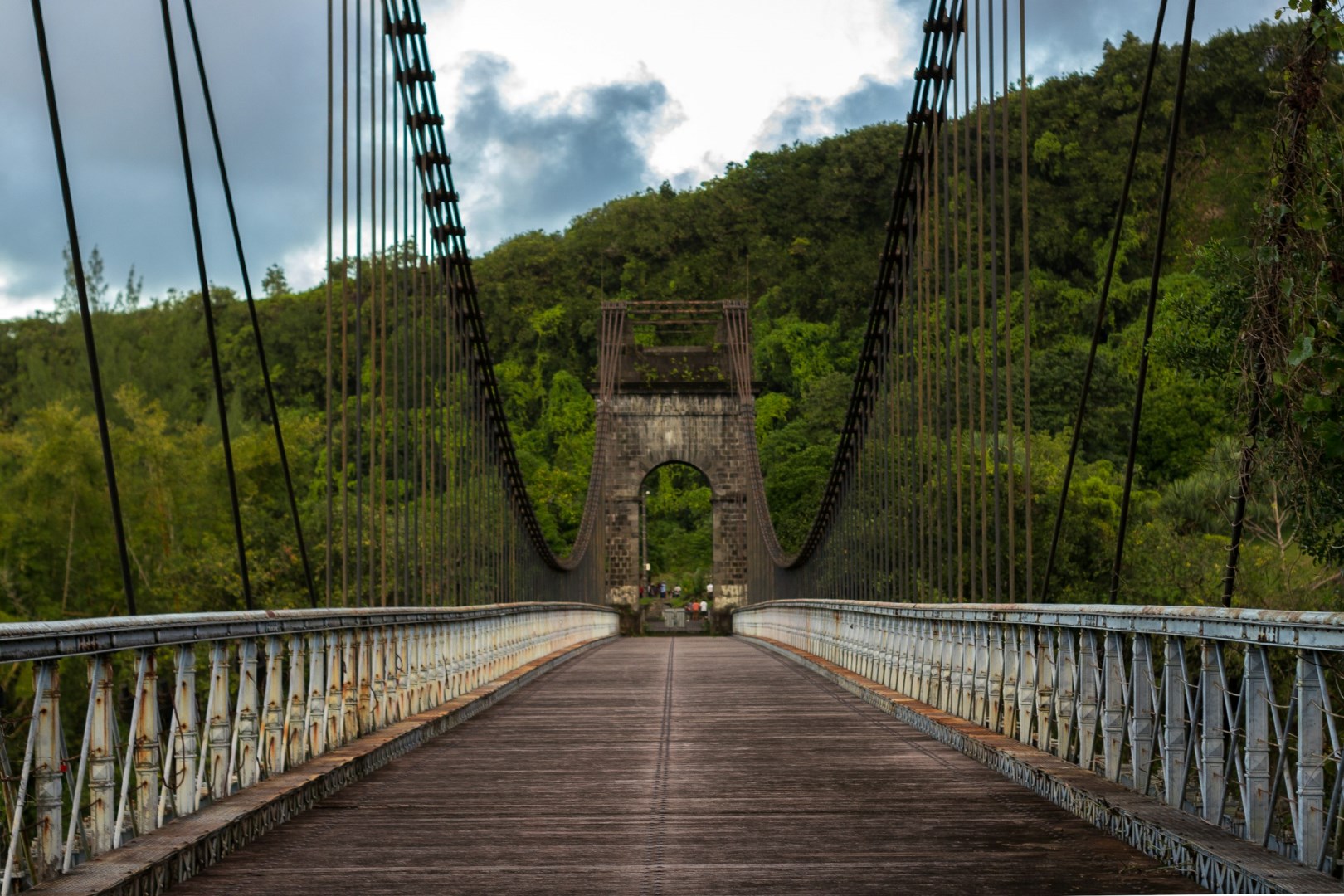
Saint-Benoît
Saint-Benoît is a commune on the eastern side of Réunion, a French island in the southwestern Indian Ocean. Facing the sea and extending inland toward the volcanic highlands, it lies in one of the island’s wetter regions, where frequent rainfall supports dense vegetation and productive farmland.
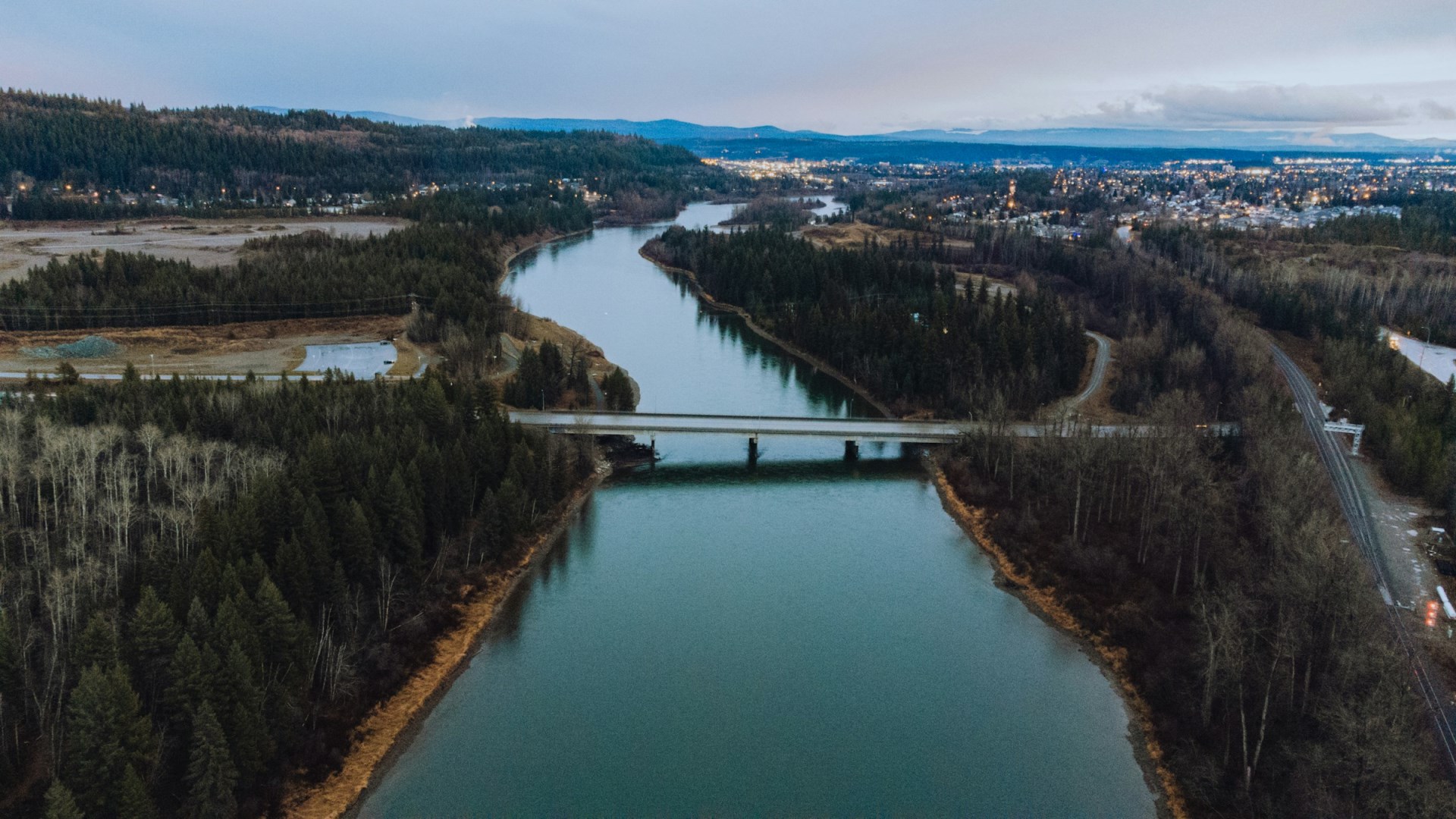
Prince George
Prince George is a city in north-central British Columbia located where the Nechako and Fraser Rivers meet. Its position between the Interior and northern regions has made it an important transportation, forestry, education, and service centre. The city is surrounded by forests, lakes, rivers, and rolling terrain, with the surrounding landscape reflecting the transition between several ecological zones.

Dominica
Dominica, known as the “Nature Island of the Caribbean,” is a haven for eco-tourists and adventure seekers. Nestled between the French islands of Guadeloupe and Martinique, this lush island boasts a remarkable landscape of volcanic mountains, dense rainforests, and stunning waterfalls. Dominica’s most iconic natural wonder is the Boiling Lake, the second-largest hot spring in the world.
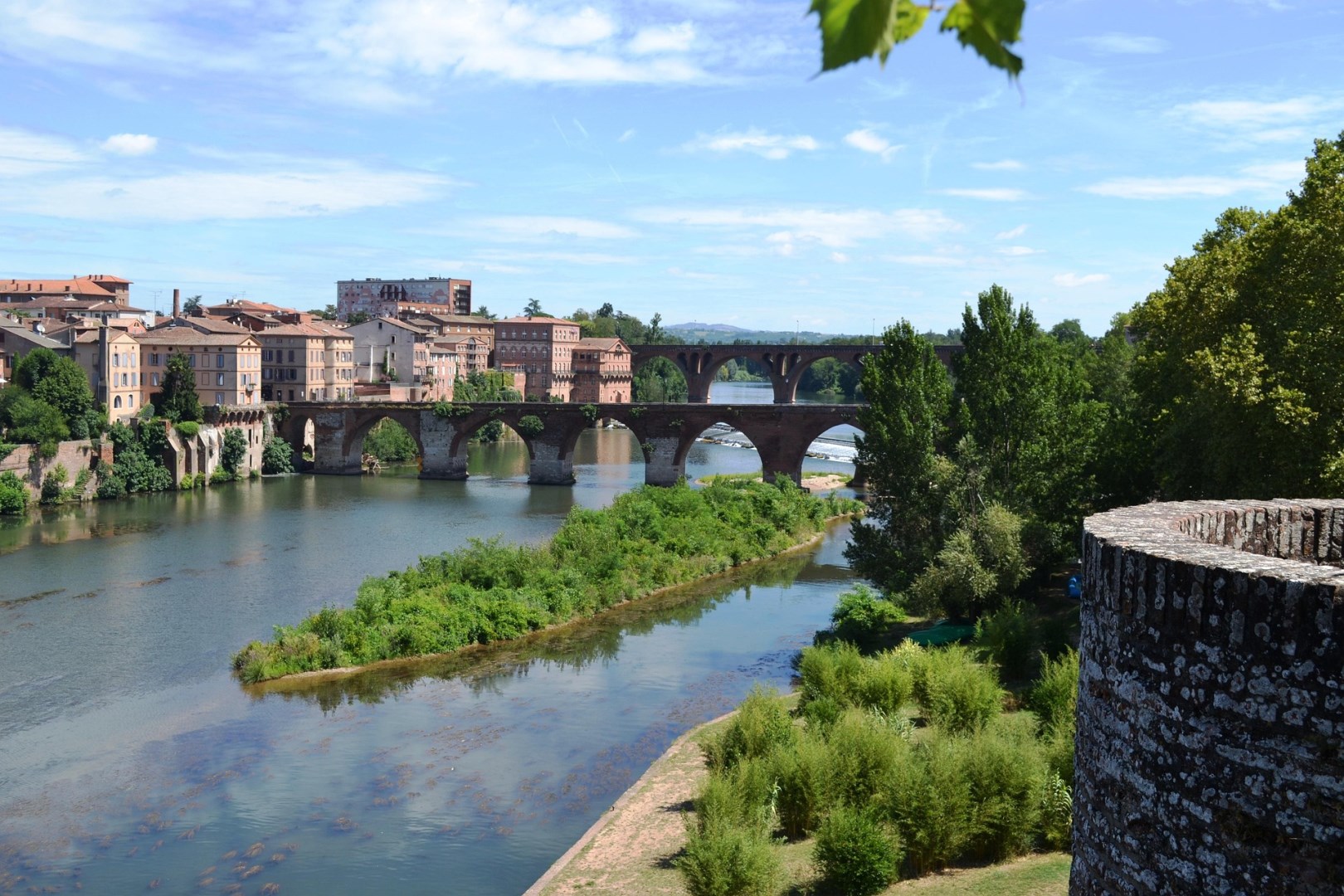
Albi
Albi is a city on the River Tarn in southwestern France, known for its distinctive red-brick architecture and compact historic centre. Its Episcopal City, a UNESCO World Heritage Site, brings together the imposing Sainte-Cécile Cathedral, the former Berbie Palace, the Saint-Salvi quarter, and the Pont-Vieux. The city is often called “Albi la rouge” because of the warm tones of its brick buildings.

Rousse
Rousse, Bulgaria, often referred to as "Little Vienna," sits gracefully on the banks of the Danube River. Known for its rich history, stunning architecture, and vibrant culture, Rousse offers a glimpse into Bulgaria's past while embracing the future. The city's central square, Svoboda (Freedom) Square, is a great starting point for exploring.
