
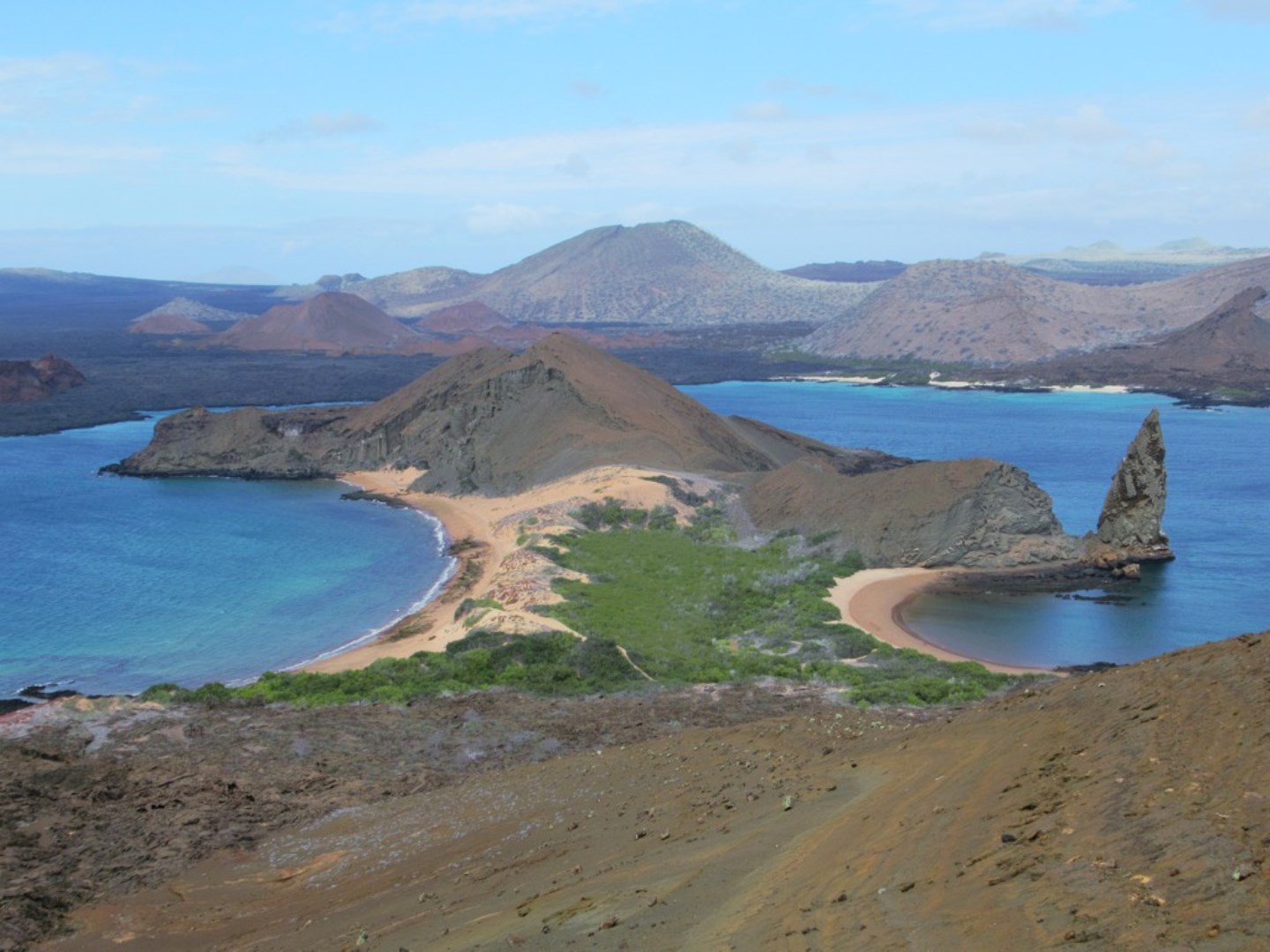
Sullivan Bay
Sullivan Bay, located on the eastern shore of Santiago Island in Ecuador’s Galápagos archipelago, offers a landscape that feels almost otherworldly at first glance. Instead of lush greenery, visitors are greeted by wide stretches of hardened lava. These black, rippled fields tell a story written in fire, where molten rock once flowed freely before cooling into intricate patterns that can still be traced today.
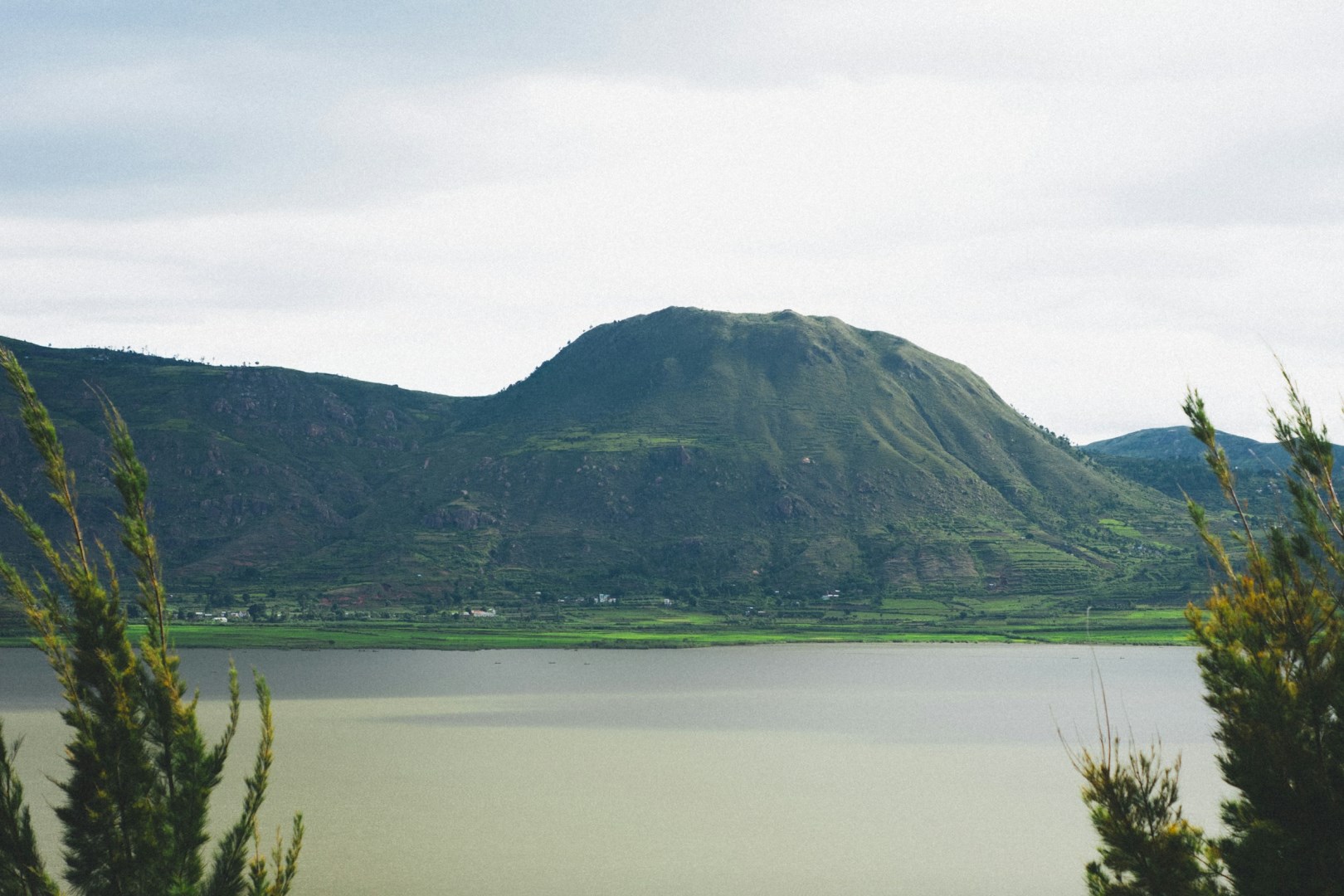
Ampefy
Ampefy is a highland town in central Madagascar, situated in the Itasy region west of Antananarivo. The area is known for its volcanic landscape, with Lake Itasy forming the center of a region shaped by ancient eruptions. Rolling hills, fertile farmland, volcanic cones, and streams surround the lake, creating a landscape that differs from Madagascar’s drier western and southern regions.
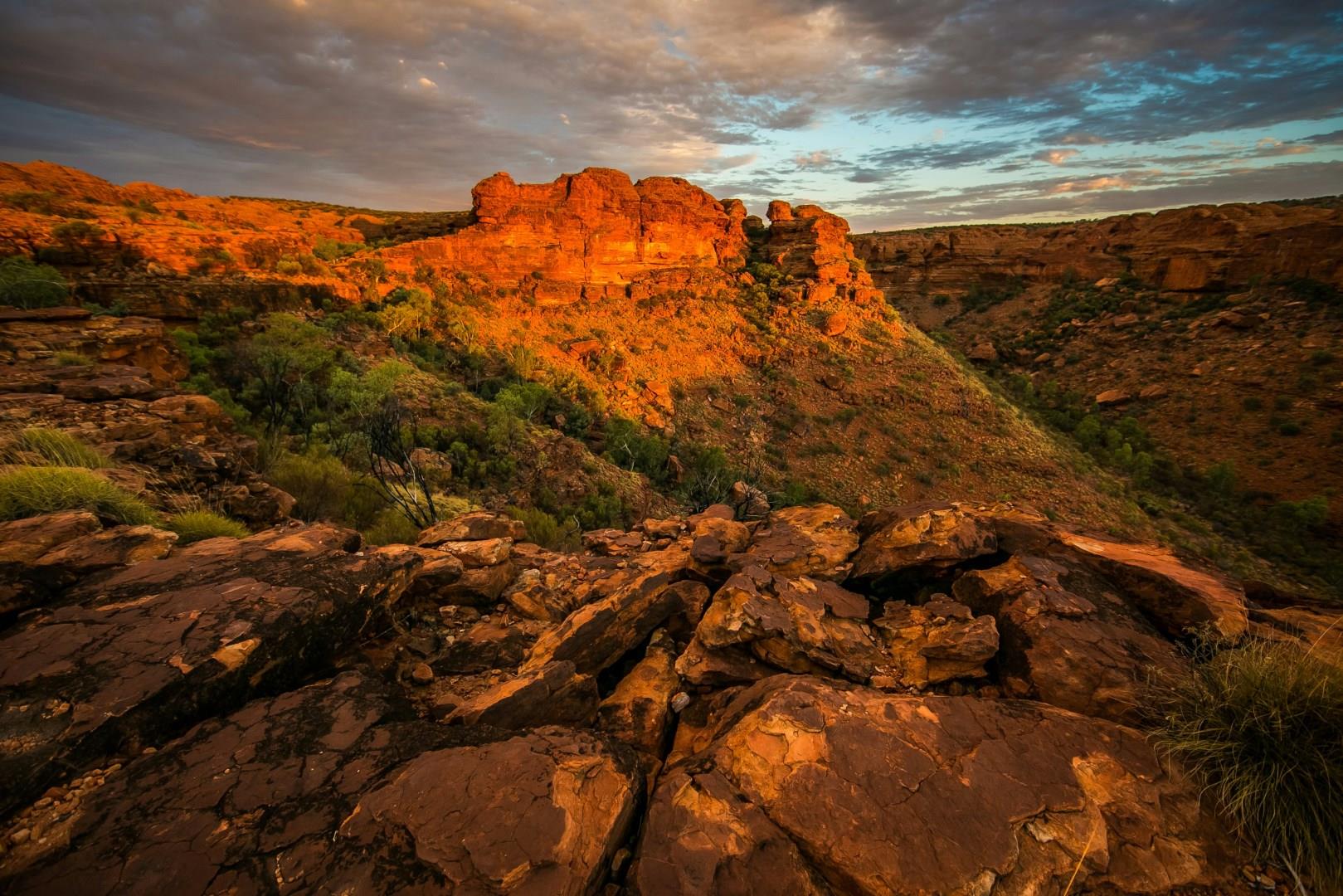
Kings Canyon
Kings Canyon, located in Australia’s Northern Territory within Watarrka National Park, is one of the Red Centre’s most striking natural landmarks. Carved over millions of years, the canyon holds deep cultural significance for the Anangu people, particularly the Luritja, for whom the area remains a sacred landscape tied to creation stories, ceremony, and traditional knowledge.
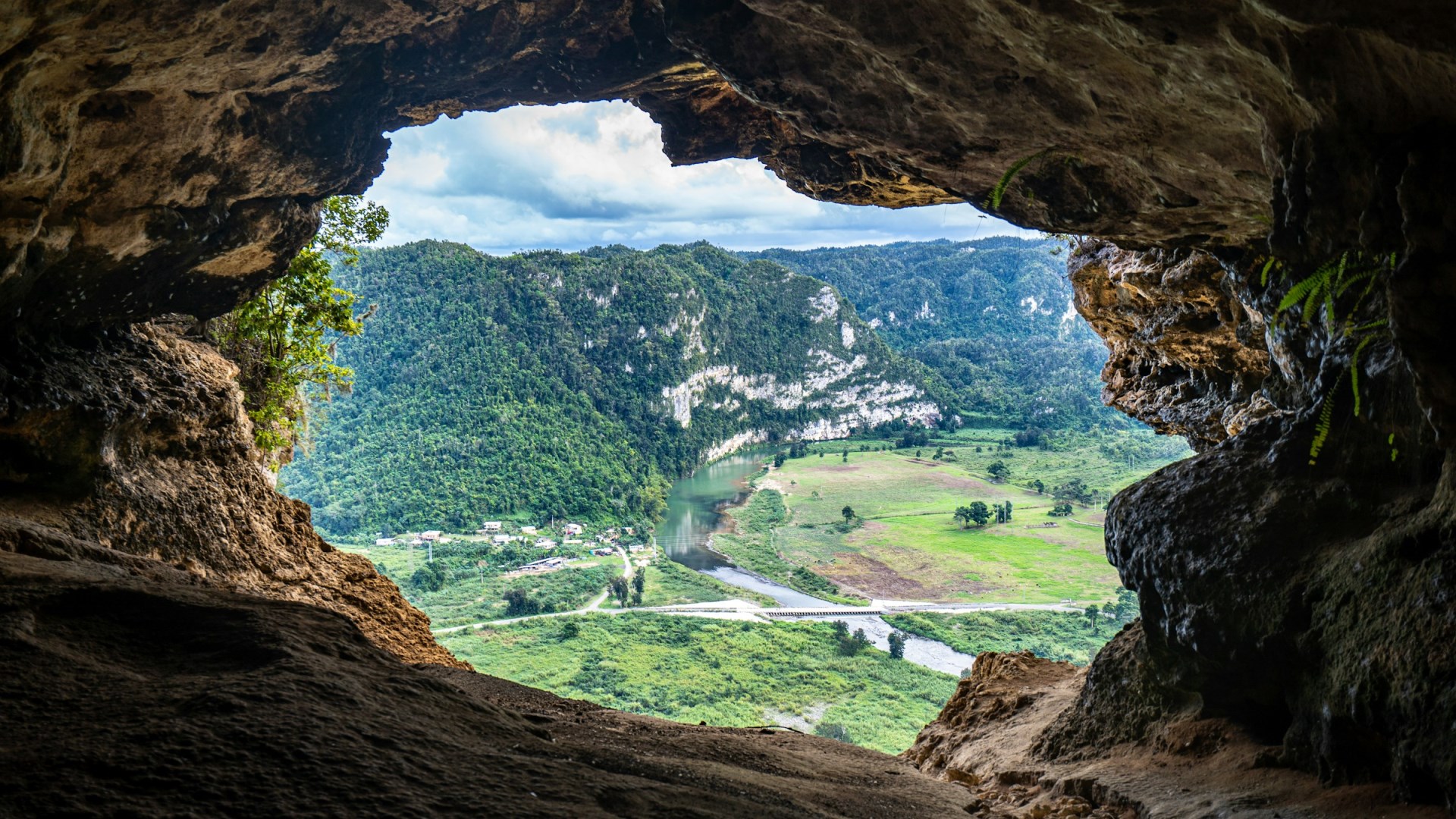
Arecibo
Arecibo is a coastal municipality on the north coast of Puerto Rico, where the Atlantic Ocean meets the island’s northern karst region. It is known for a varied landscape of beaches, limestone hills, caves, sinkholes, forests, and rivers, including the Río Grande de Arecibo and Río Tanamá.
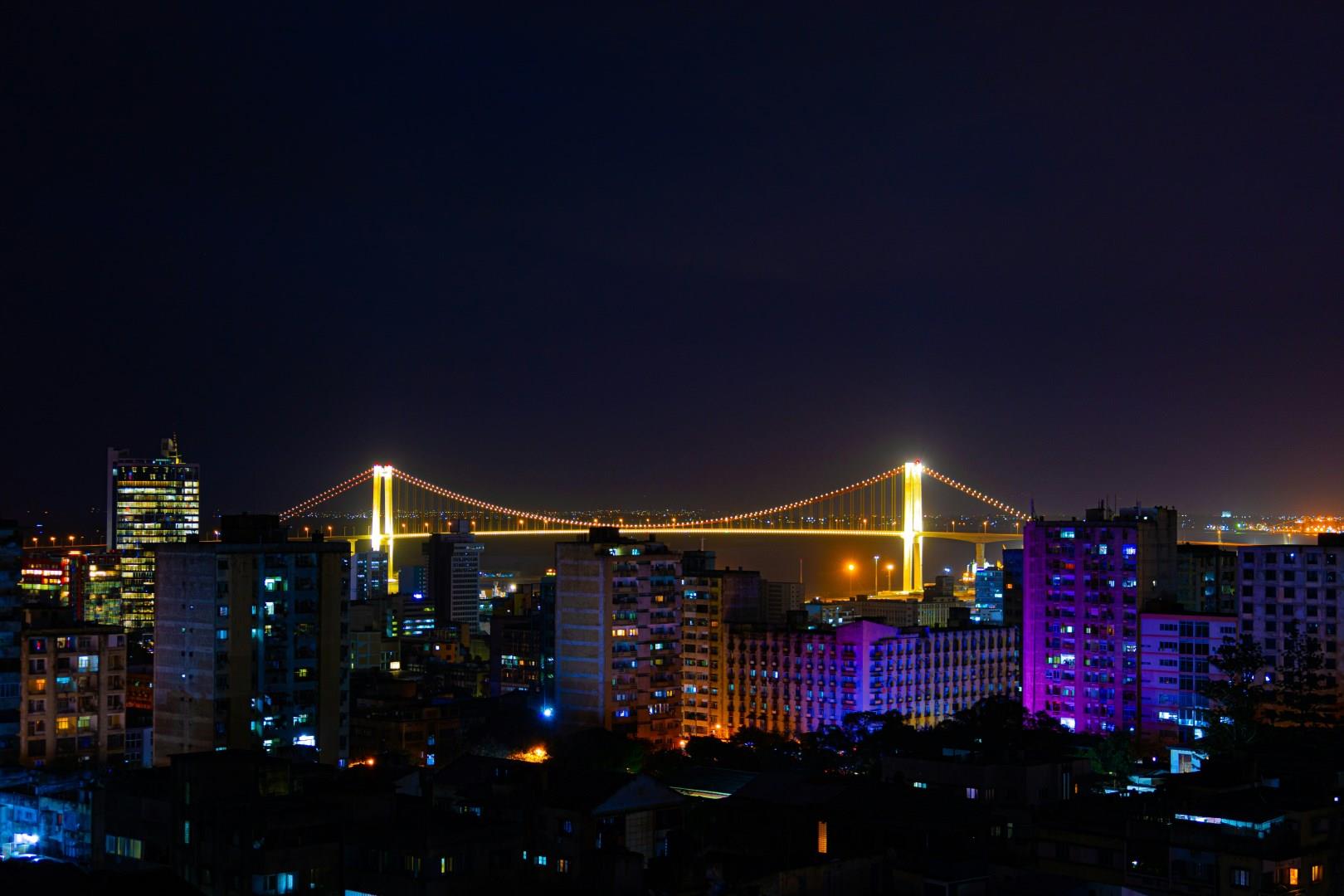
Maputo
Maputo, Mozambique’s capital, grew from a modest colonial port into a city shaped by trade, migration, and independence.
