

Istanbul
Istanbul is a city built on layers of empire. Spanning two continents, it was once the capital of three major empires: Roman, Byzantine, and Ottoman. Visitors walking through the Sultanahmet district can witness this timeline firsthand, from the Roman-era Hippodrome to the Byzantine mosaics of Hagia Sophia, and the towering minarets of the Blue Mosque. At nearby Topkapi Palace, rooms still display the jeweled swords, ceremonial robes, and handwritten Qurans once used by Ottoman sultans.
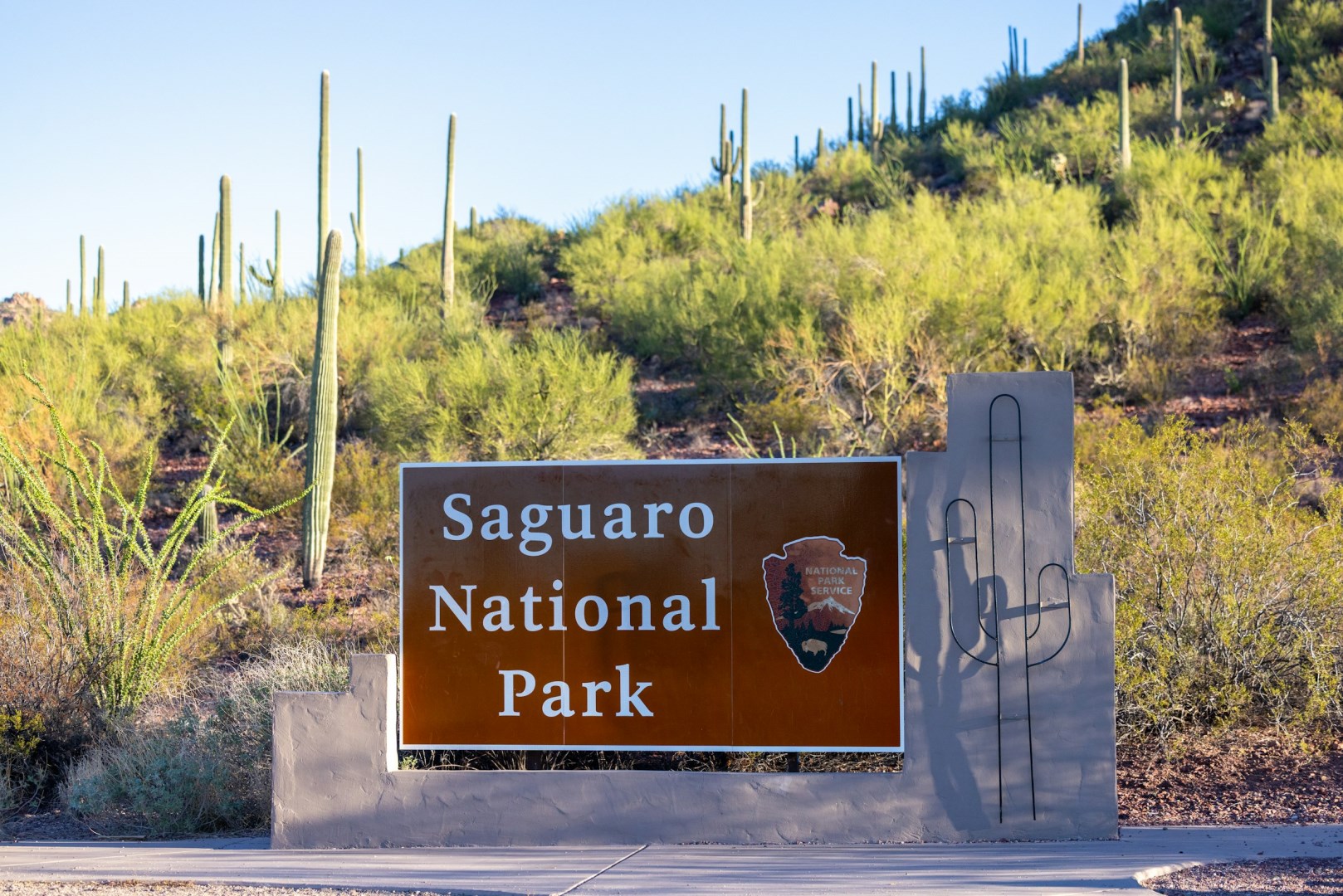
Saguaro National Park
Just outside of Tucson lies Saguaro National Park, which is home to hundreds of saguaro cacti, the iconic symbol of the old West. There are endless scenic hikes and wildlife habitats, and the Arizona-Sonora Desert Museum isn't to be missed. The star of the park, of course, are the cacti themselves, and there are few more beautiful sights than seeing them silhouetted against the beauty of a magnificent desert sunset.

Brussels
Brussels, the vibrant capital of Belgium, offers a perfect blend of medieval charm and modern sophistication. At its heart lies the iconic Grand Place, a UNESCO World Heritage Site known for its stunning Gothic and Baroque guildhalls.
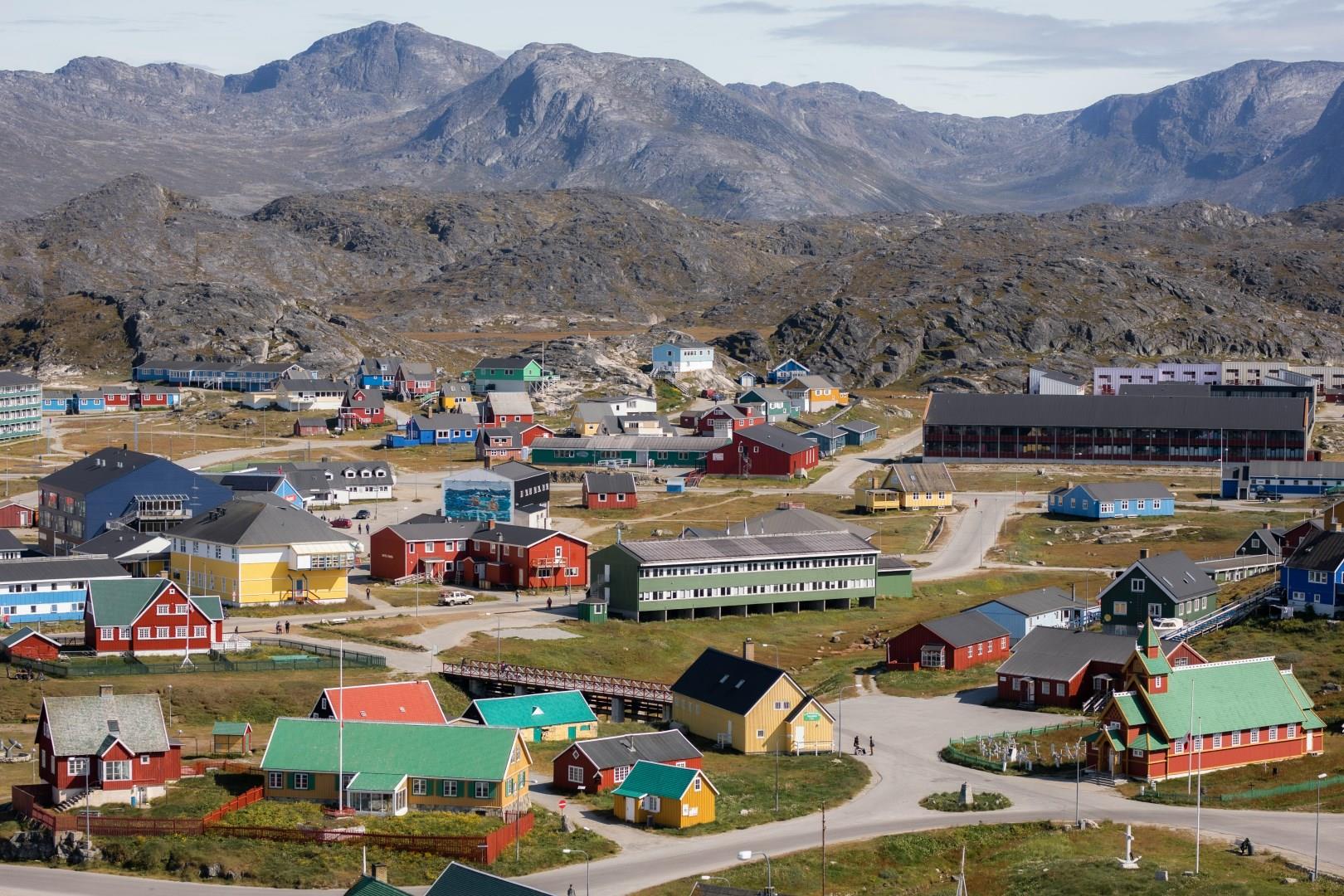
Paamiut
Paamiut lies on Greenland’s southwest coast, where the Labrador Sea meets a rocky, fjord-cut shoreline. Established in the 18th century as a Danish trading post and mission, the town developed around fishing and sealing, activities that continue to shape daily life.
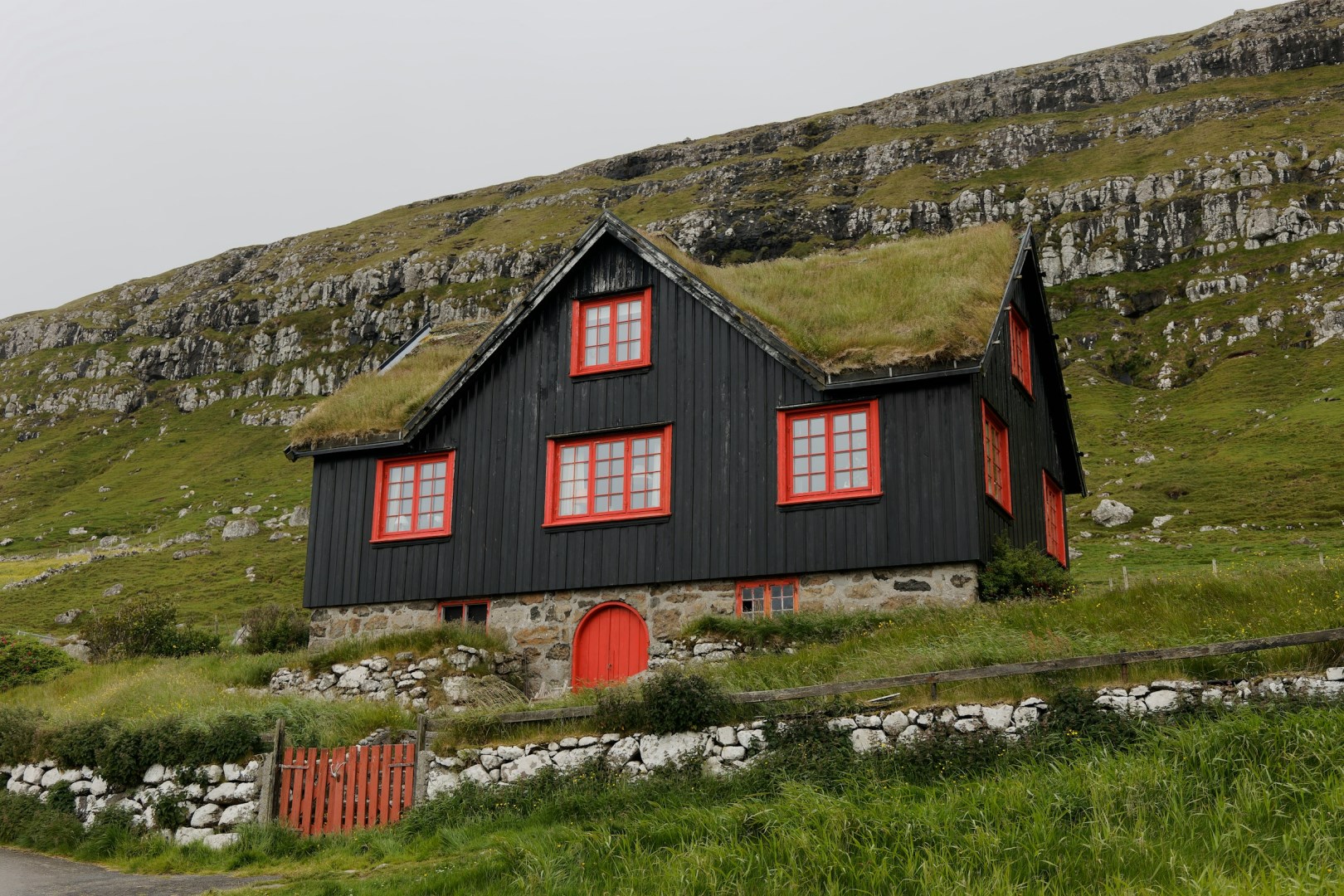
Streymoy
Streymoy is the largest and most populated island in the Faroe Islands, forming a central part of the archipelago and home to the capital, Tórshavn. Its landscape combines steep mountains, deep fjords, grassy valleys, and exposed coastal cliffs, with settlements concentrated along sheltered shorelines. The island is connected to neighboring islands by bridges, tunnels, ferries, and causeways, making it an important center for travel across the Faroes.
