

St. Lawrence River
From its natural wonders to its historic charm, the St. Lawrence River invites visitors to explore its endless possibilities. Whether by land or water, this iconic river promises a journey filled with discovery and unforgettable moments.
Fort William
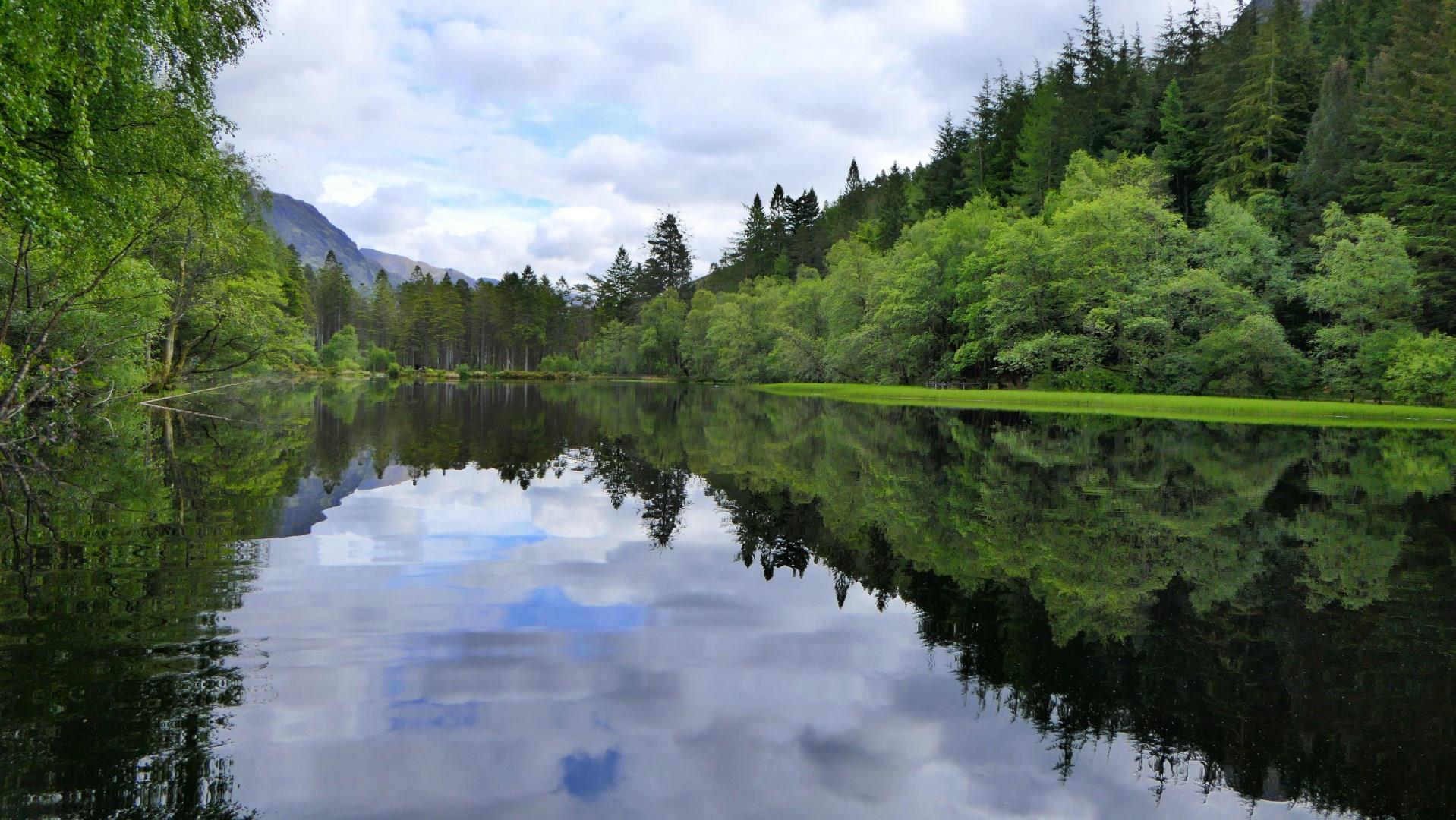
Fort William, located on the western edge of the Scottish Highlands, is often referred to as the “Outdoor Capital of the UK,” but there’s more here than rugged landscapes. Ben Nevis draws hikers from across the world, but visitors don’t need to climb to its summit to experience the scenery. Not far from town, Glen Nevis offers film fans a familiar view, scenes from *Braveheart*, *Harry Potter*, and *Highlander* were all filmed in this dramatic valley.

Rhode Island
Rhode Island may be the smallest state in the U.S., but it offers an outsized variety of experiences, from colonial history to coastline escapes. Founded in 1636 by Roger Williams as a haven for religious freedom, the state still reflects its independent spirit. In Providence, travelers can visit the John Brown House Museum to explore the city’s role in early American commerce, or walk Benefit Street, lined with preserved 18th- and 19th-century homes.
Toulouse
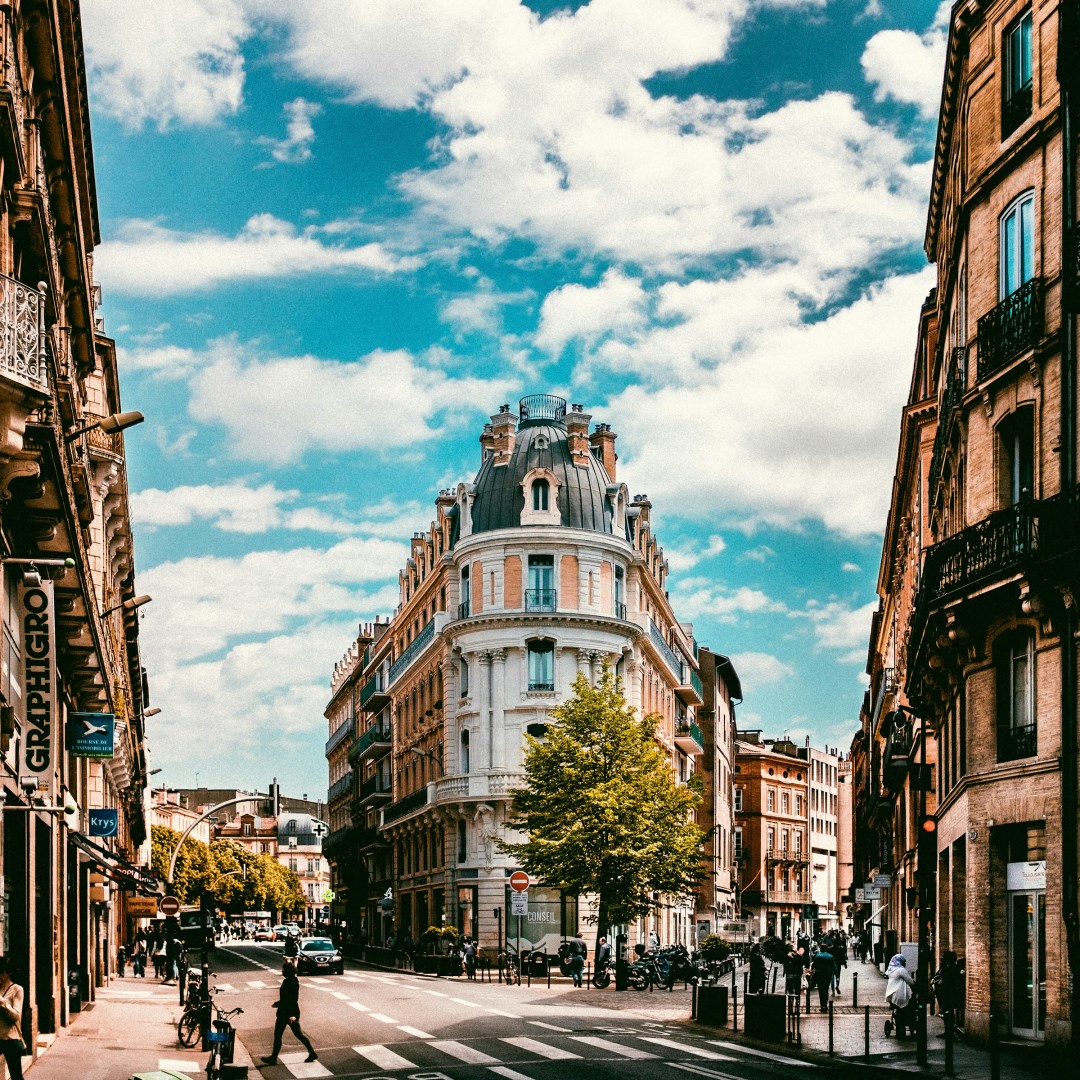
A religious center since the 4th century, it has numerous churches and religious sites. It is the fourth largest city in France, located in southern France near the border with Andorra.
Zihuatanejo
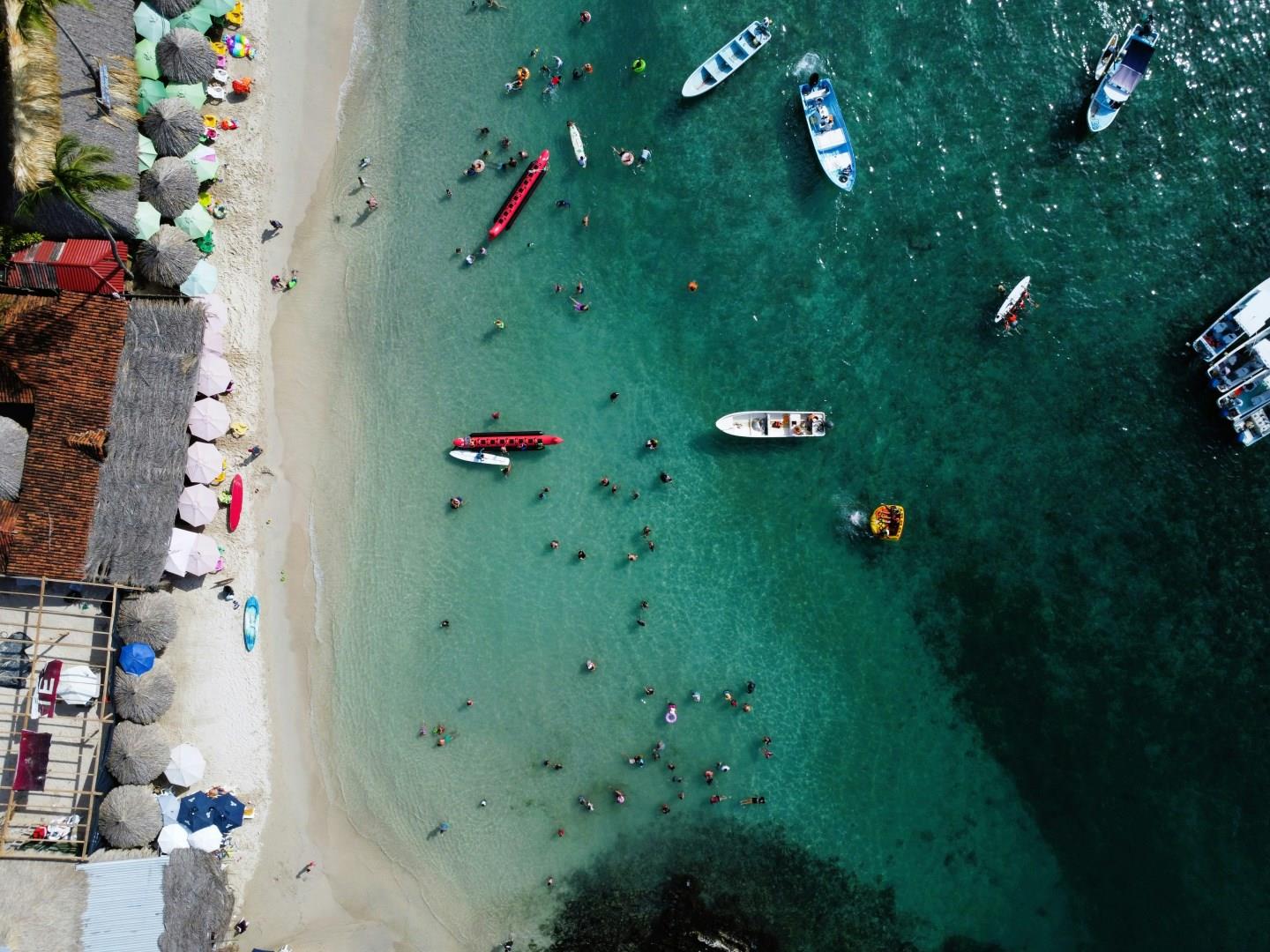
Zihuatanejo, a charming coastal town on Mexico’s Pacific coast, invites travelers with its blend of serene beaches and vibrant local culture. Nestled on the Bay of Zihuatanejo, the town offers a picturesque escape with its stunning shoreline, where the gentle waves lap against golden sands. The tranquil atmosphere of Playa La Ropa, one of the town’s most renowned beaches, is perfect for sunbathing, swimming, and savoring fresh seafood from beachfront restaurants.
