

Key West
Beaches, margaritas and relaxed vibes are all part of visiting the island city of Key West, where summer never ends.
McMurdo Station
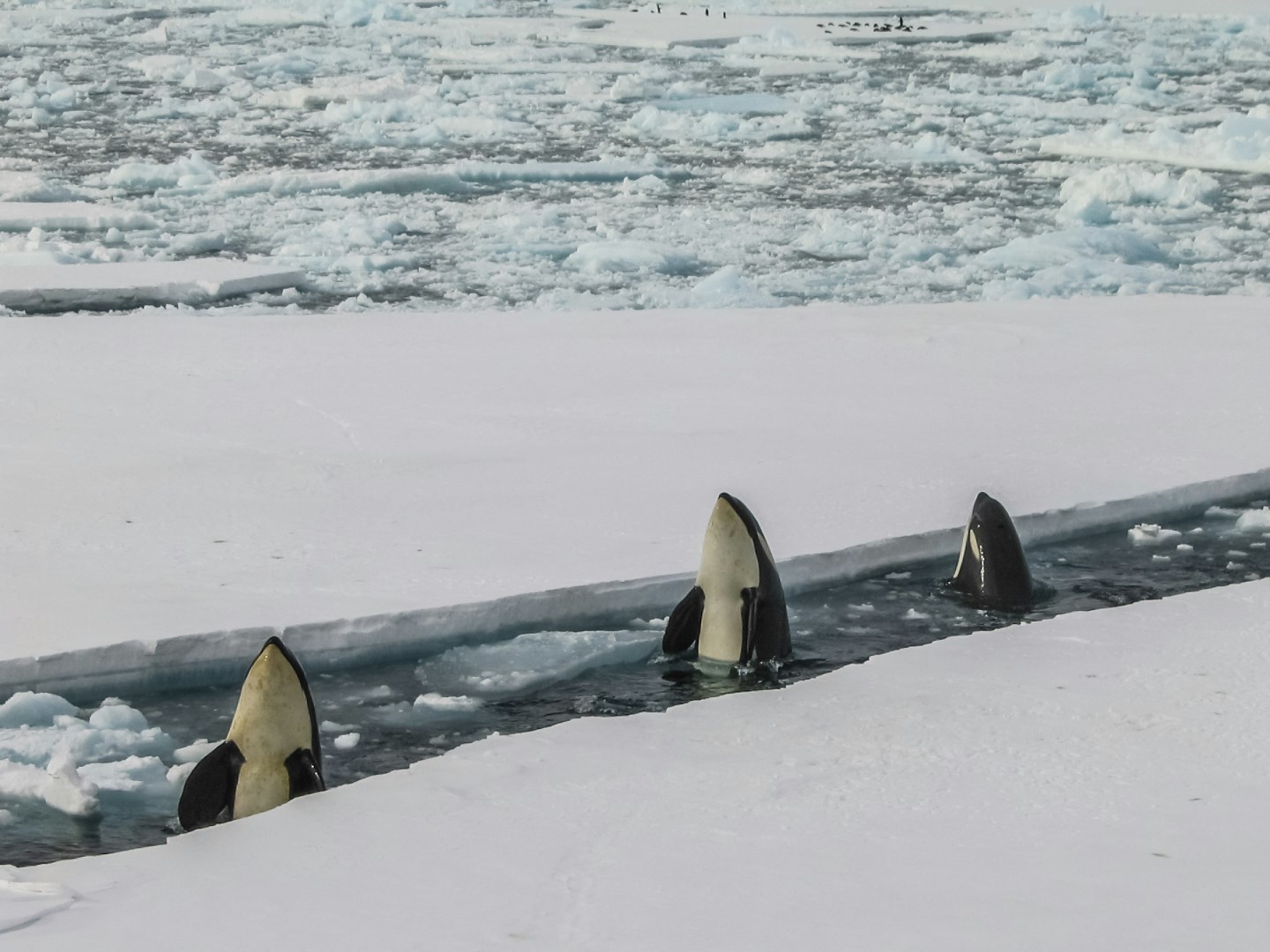
McMurdo is distinctive not only for its scientific role but also for the unusual scale of daily life in Antarctica. The station has a power plant, medical facilities, dining services, workshops, communications systems, and specialized vehicles used to support research in extreme conditions. Nearby Scott Base, operated by New Zealand, provides another important Antarctic research presence on Ross Island. McMurdo also supports flights and overland journeys to remote parts of the continent.

Kings Wharf
King's Wharf is the largest and most active port in Bermuda, with a high volume of cruise ship and ferry traffic. Shopping, restaurants and museums are close by.
Saint-Denis
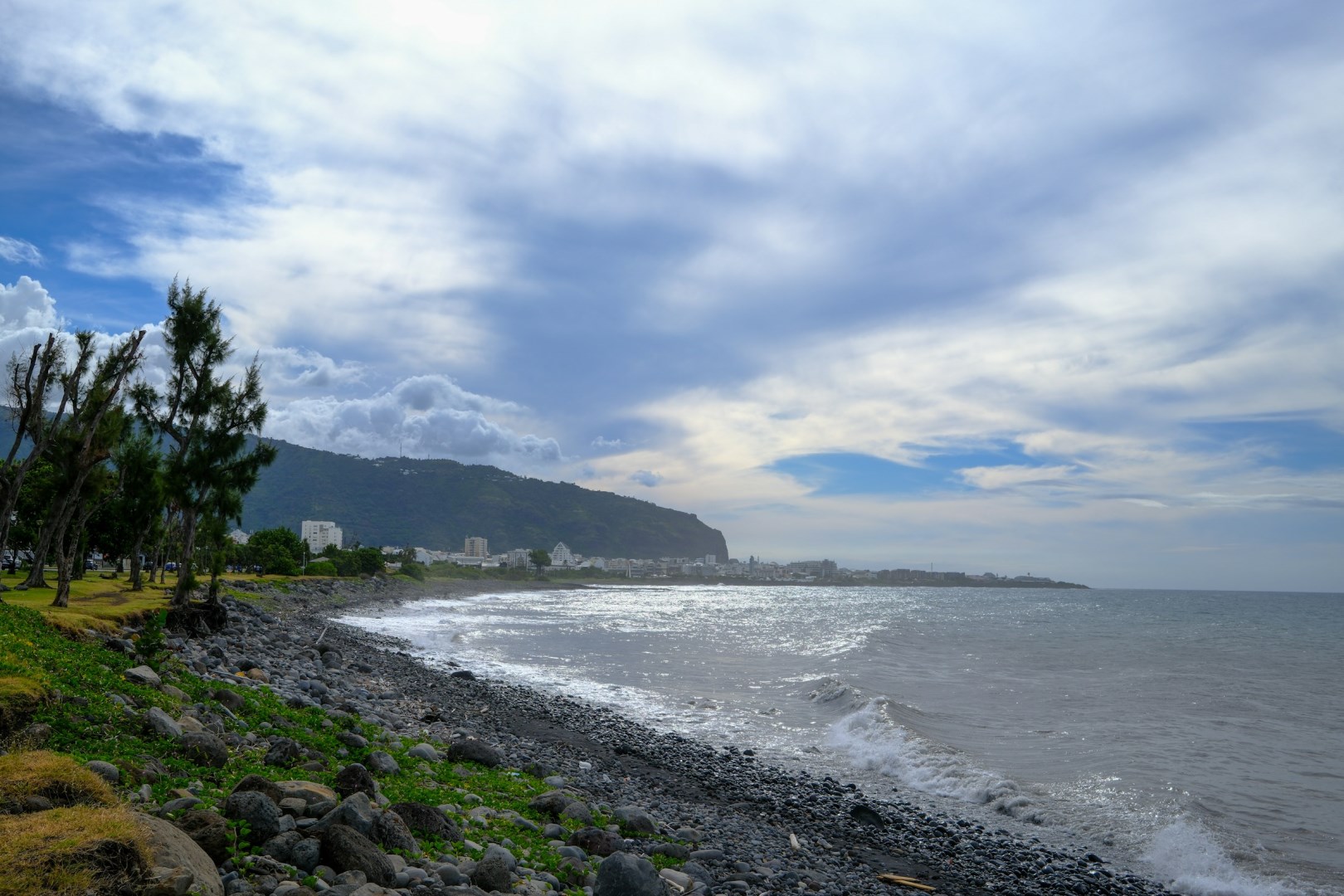
Saint-Denis is the capital and largest city of Réunion, a French island in the southwestern Indian Ocean.
Kaohsiung
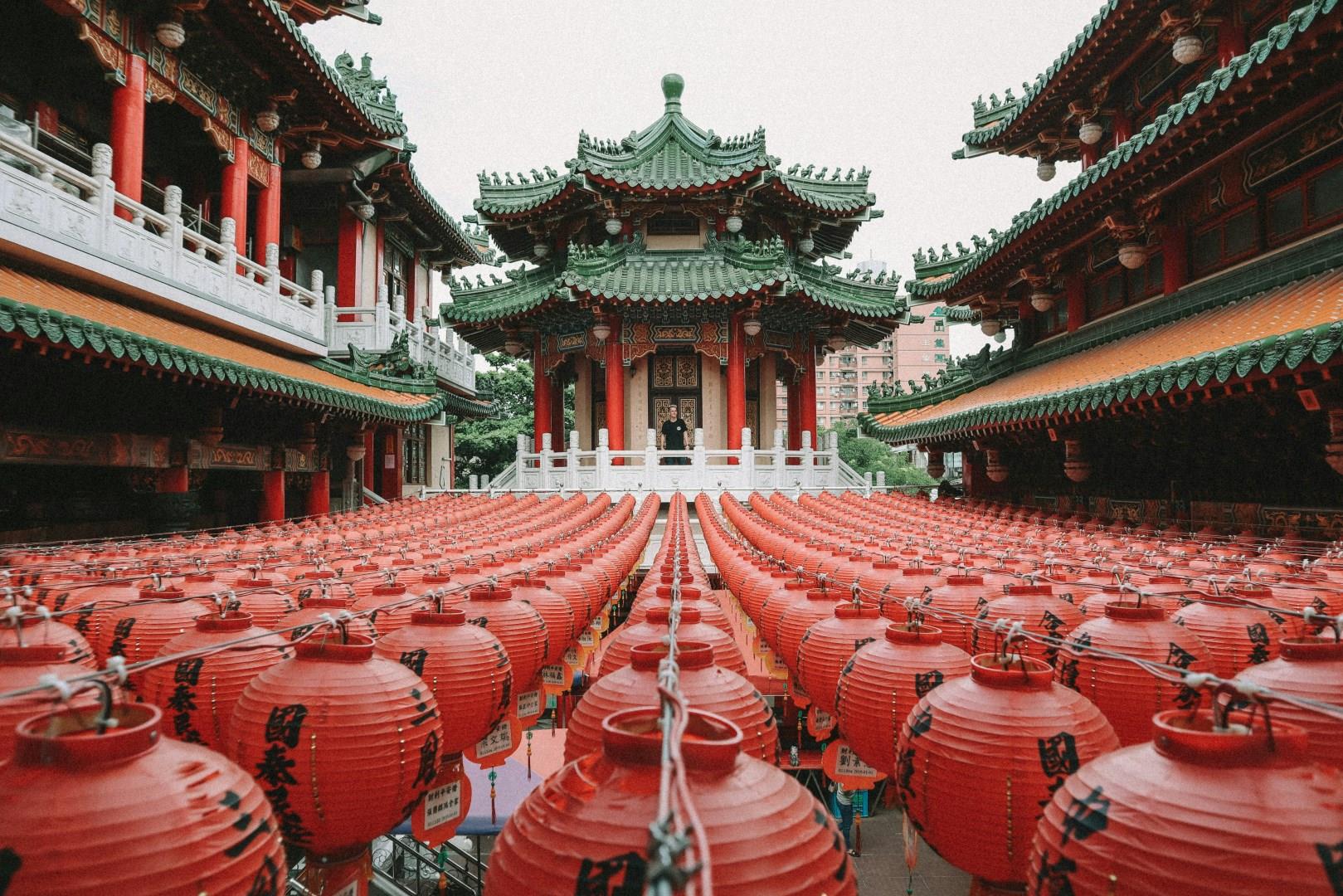
Kaohsiung sits on Taiwan’s southern coast and rises from one of the island’s busiest harbors into a city that rewards slow exploration and lively discovery. History and local belief surface at the Dragon and Tiger Pagodas beside Lotus Pond in Zuoying District. These twin pagodas that are connected to the shore by a zigzag bridge, invite visitors to walk through the dragon’s mouth and out the tiger’s, a practice locals associate with turning bad luck into good fortune.
