
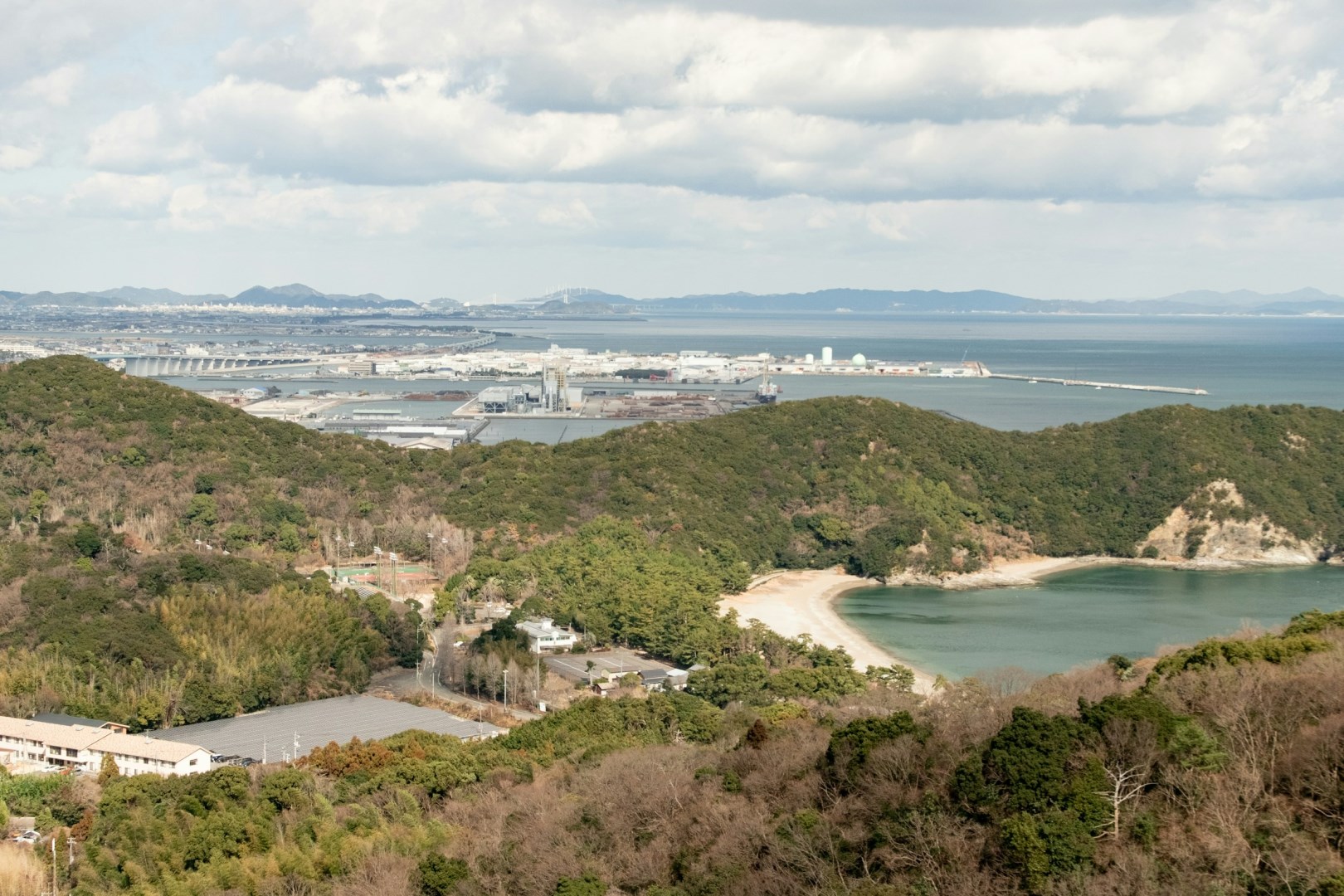
Tokushima
Tokushima is the capital of Tokushima Prefecture on the eastern side of Shikoku, where several rivers meet the sea and mountains rise beyond the urban area. The city is closely identified with Awa Odori, a traditional dance that fills streets with performers and musicians during its annual festival. Tokushima also serves as a useful base for exploring the wider prefecture, including the Naruto Strait, the Iya Valley, and sections of the Shikoku pilgrimage.

Nakuru
Nestled in Kenya's Rift Valley, Nakuru is a city that captivates with its stunning natural beauty and vibrant wildlife. The city is renowned for Lake Nakuru National Park, a UNESCO World Heritage Site known for its extraordinary flocks of flamingos that once numbered in the millions. Although flamingo populations fluctuate, the lake remains a sanctuary for other bird species and wildlife, including black and white rhinos, giraffes, and lions.
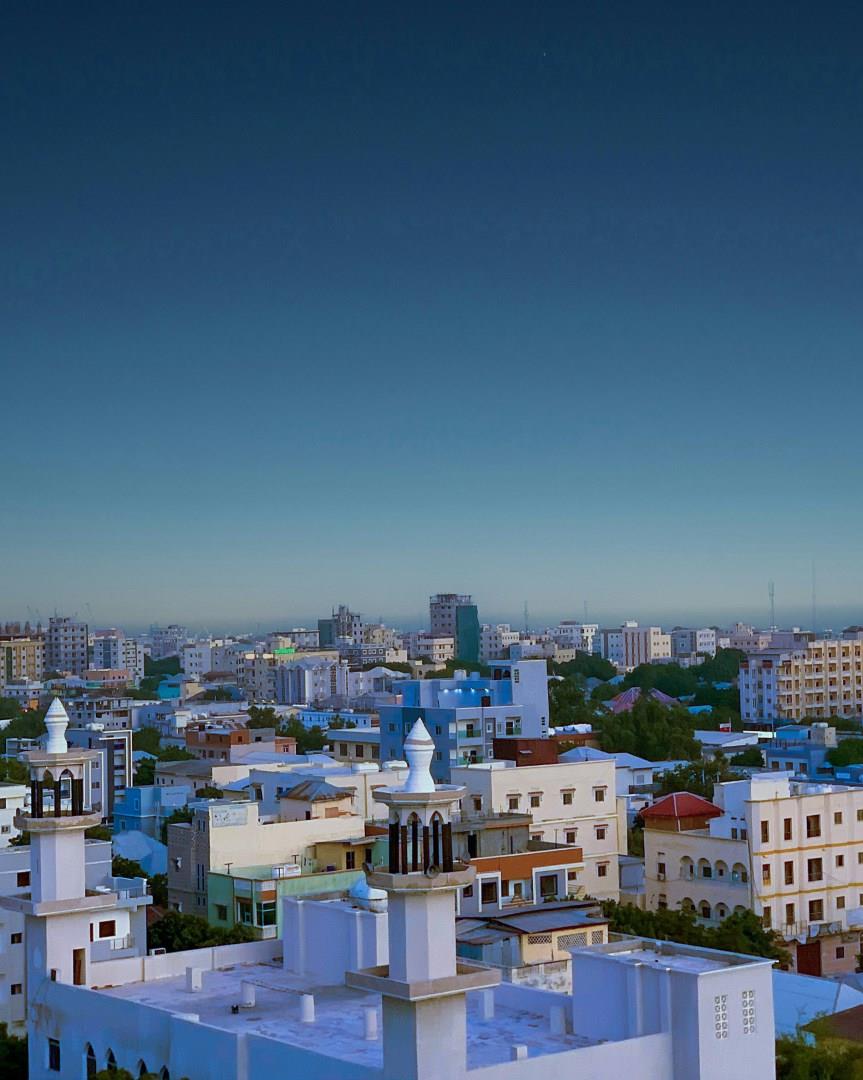
Mogadishu
Mogadishu, the capital of Somalia, is a city with a story that spans more than a thousand years. Its coastal setting has long shaped its character, blending African, Arab, and Persian influences that can still be seen in its culture and architecture today.
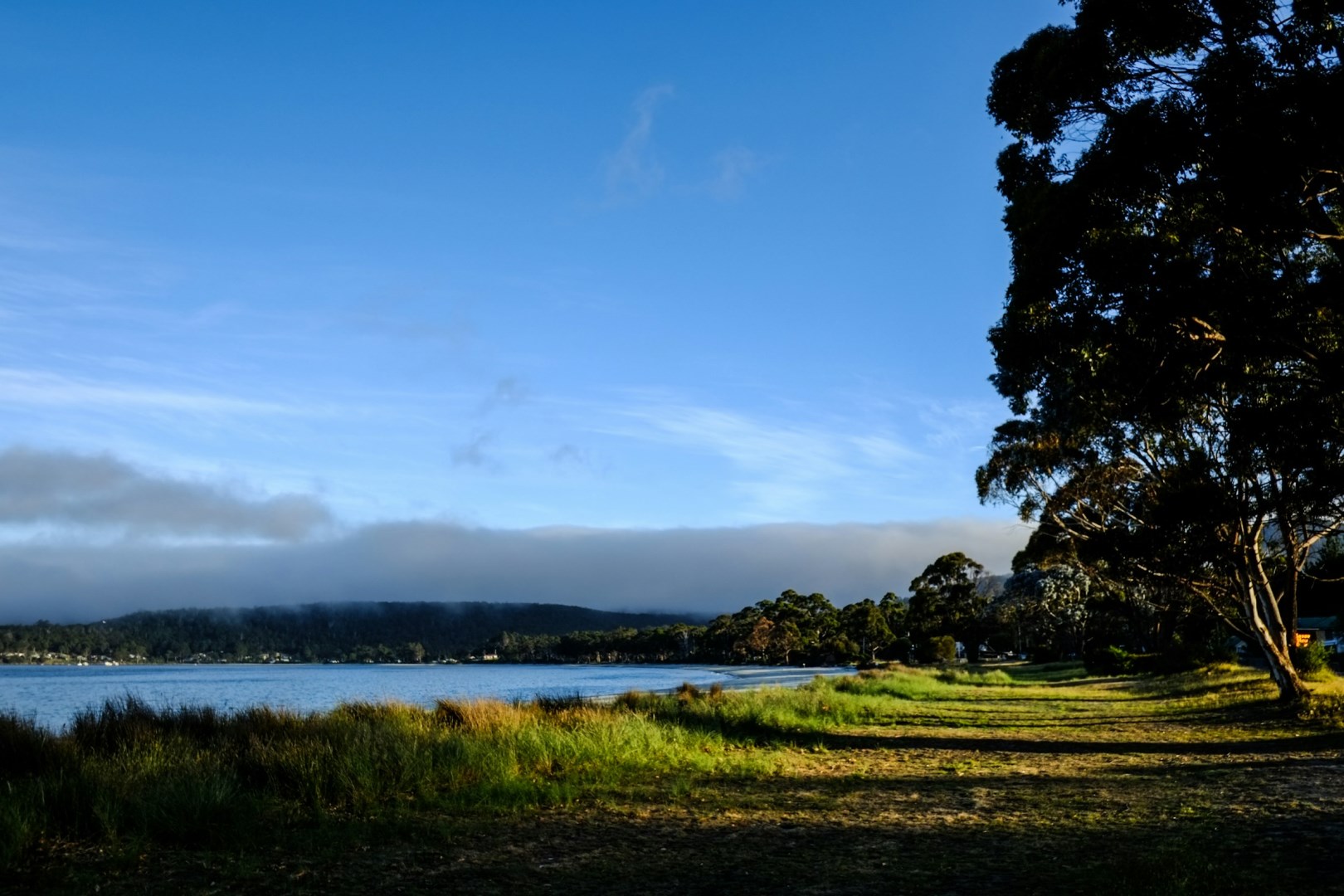
Bruny Island
Bruny Island is an island destination off the south-east coast of Tasmania, separated from the mainland by the D’Entrecasteaux Channel and reached by a short vehicle ferry from Kettering. The island consists of North Bruny and South Bruny, connected by a narrow isthmus known as The Neck. Its landscape includes beaches, sheltered bays, forests, farmland, cliffs, and coastal heath.

Gumbane
Gumbane is a rural community in southern Mozambique, in Inhambane Province, where sandy soils, woodland and cultivated plots shape much of the surrounding landscape.
