
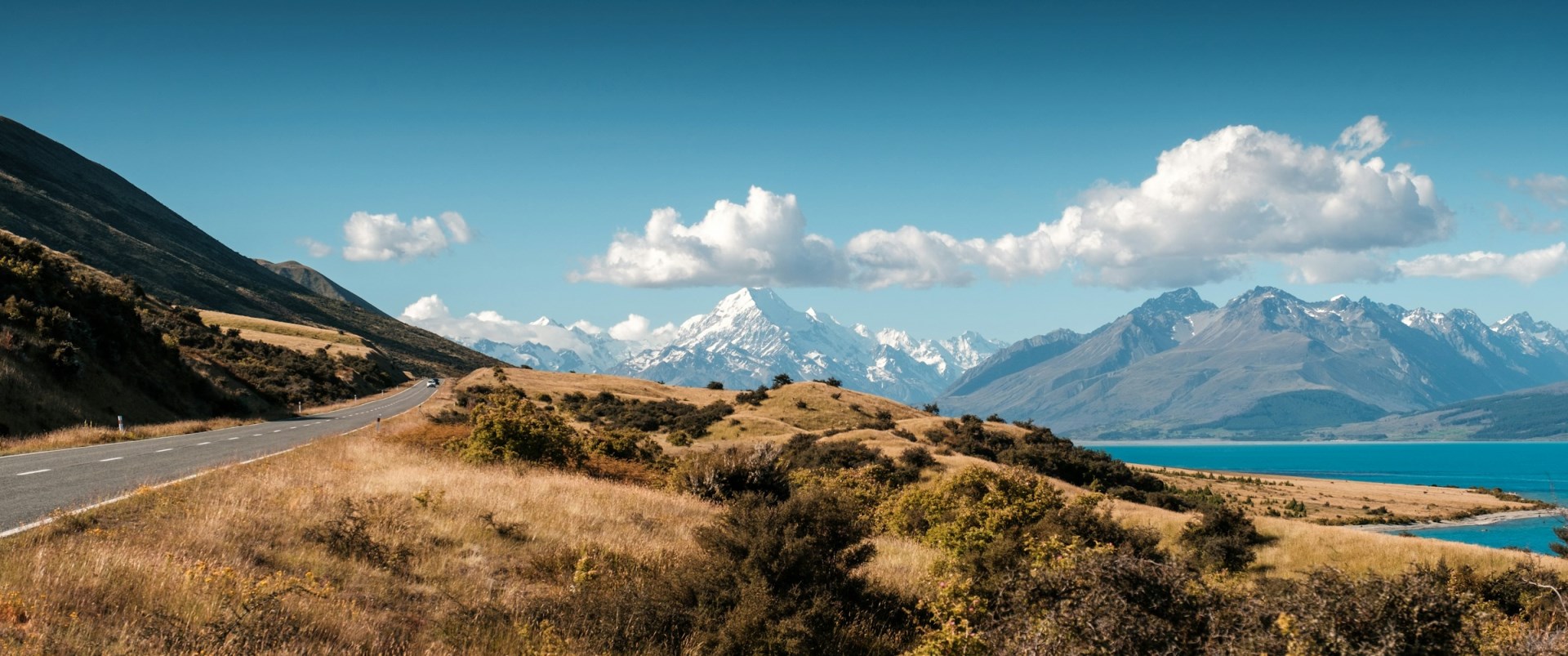
Mount Cook
Highest mountain in New Zealand, located on the South Island, it stands 12,349 ft

Dominica
Dominica, known as the “Nature Island of the Caribbean,” is a haven for eco-tourists and adventure seekers. Nestled between the French islands of Guadeloupe and Martinique, this lush island boasts a remarkable landscape of volcanic mountains, dense rainforests, and stunning waterfalls. Dominica’s most iconic natural wonder is the Boiling Lake, the second-largest hot spring in the world.
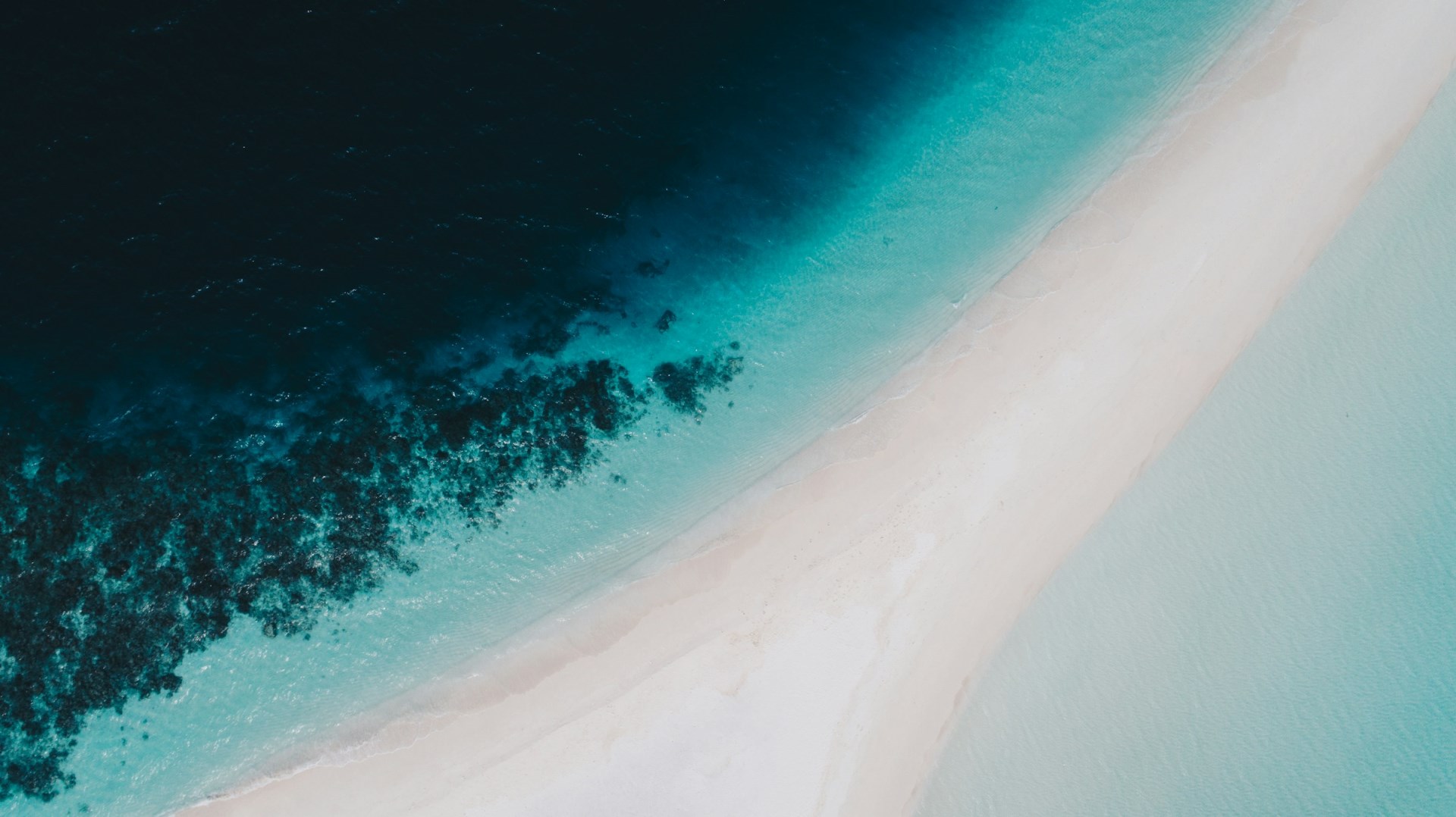
South Malé Atoll
South Malé Atoll, also known as Kaafu Atoll, lies immediately south of Malé and is among the most accessible island regions in the Maldives. Its islands range from established local communities to private resort islands, surrounded by lagoons, coral reefs, sandbanks, and channels. Maafushi, Gulhi, Guraidhoo, and Thulusdhoo are well-known inhabited islands in the wider Malé atoll region, while resort islands provide a different style of stay.
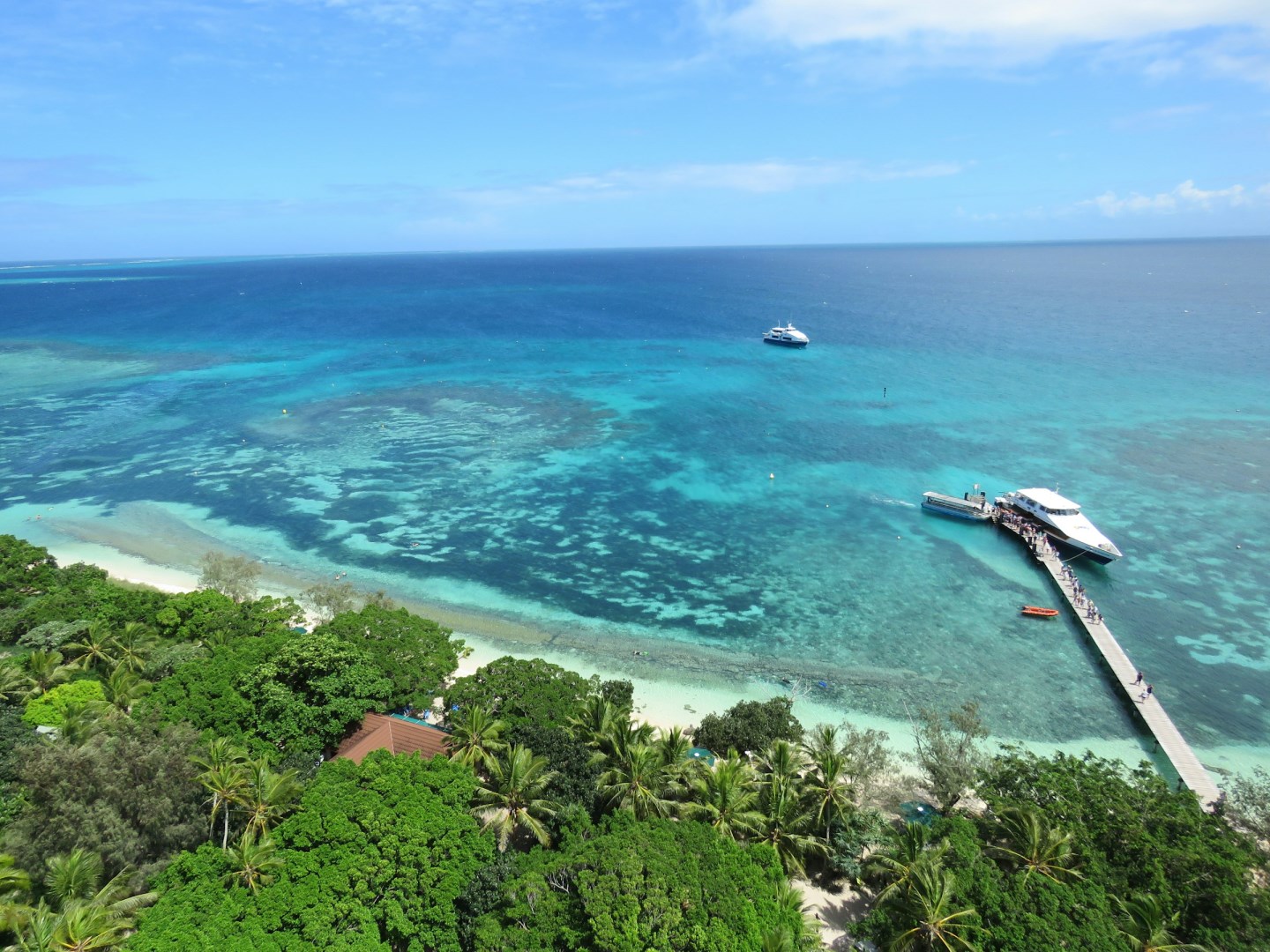
Amédée Islet
Amédée Islet, known locally as Îlot Amédée, is a small coral islet in the lagoon off the southern coast of New Caledonia. It lies within the New Caledonian Lagoon, a UNESCO World Heritage site recognized for its extensive reef systems and marine habitats. The islet is surrounded by shallow turquoise waters, coral reefs, and sandy beaches, while low vegetation covers much of its interior. Its most recognizable landmark is the Amédée Lighthouse.

Shanghai
Shanghai is a city where contrasting timelines meet at every corner. Once a small fishing village along the Huangpu River, it grew rapidly during the 19th century into a major trading port. Today, its skyline tells a story of that transformation. On one side, the Bund’s colonial-era buildings stand tall in limestone and granite; on the other, the futuristic towers of Pudong, like the Shanghai Tower and Jin Mao, stretch into the clouds.
