
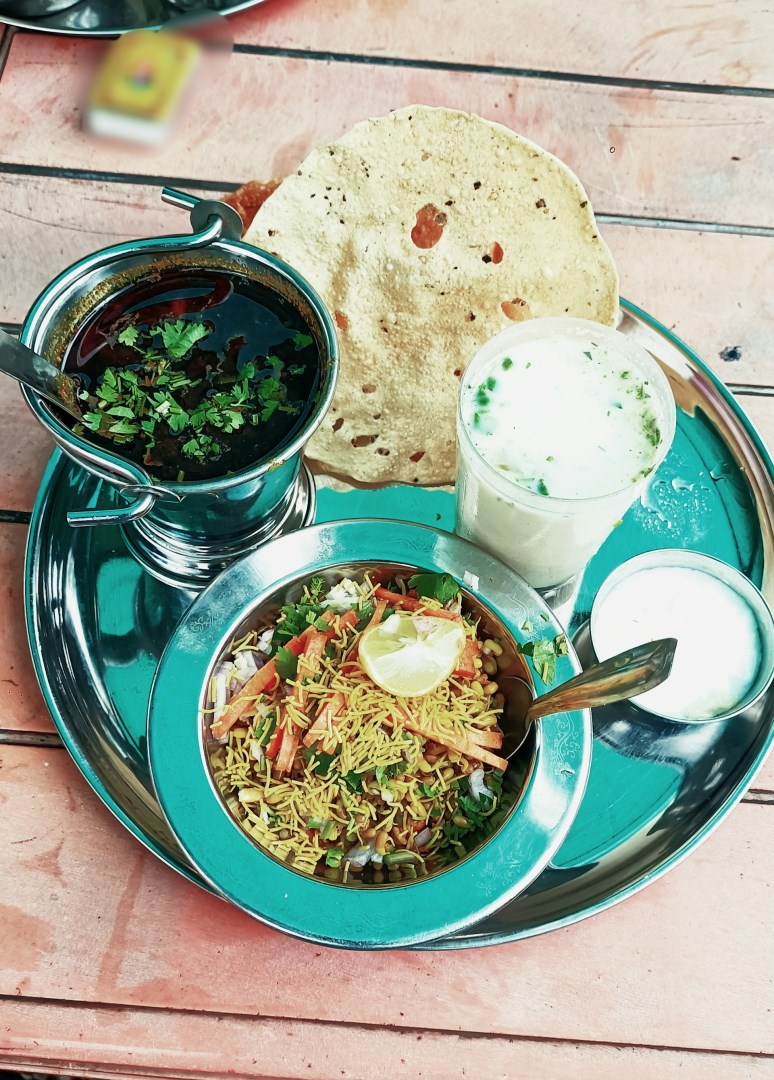
Aurangabad
Aurangabad, now officially known as Chhatrapati Sambhajinagar, is a historic city in Maharashtra’s Deccan region, surrounded by dry hills, agricultural land, and the basalt landscapes of the Deccan Plateau. It is best known as a gateway to some of India’s most important rock-cut monuments, including the UNESCO-listed Ajanta and Ellora Caves. The city itself combines Mughal-era architecture, Buddhist cave sites, historic gateways, and traditional craft industries. I
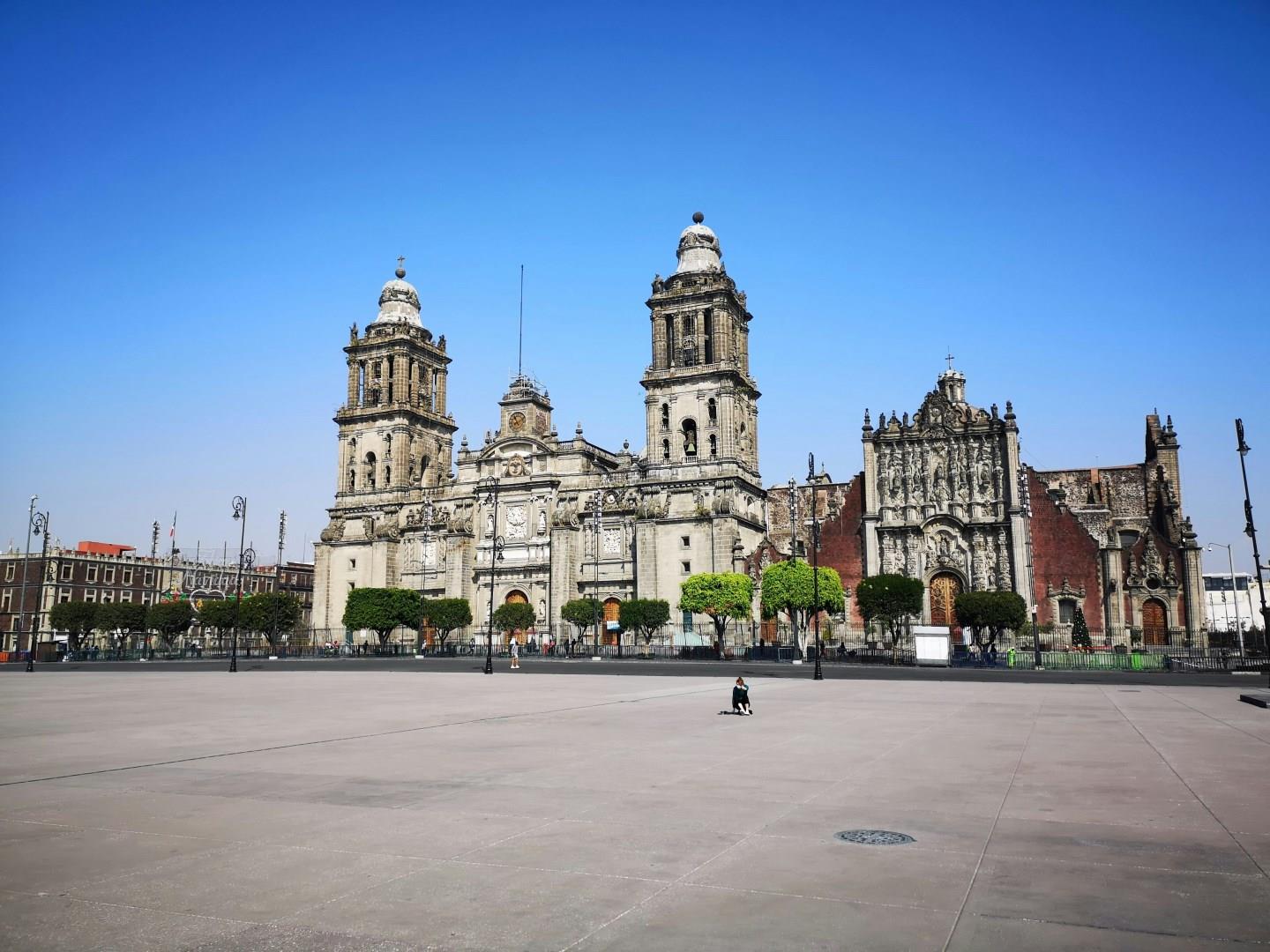
Mexico City
Mexico City sits on the high plateau of central Mexico, layered with more than seven centuries of history and culture. Built atop the ruins of the Aztec capital Tenochtitlán, the city reflects a continuous dialogue between Indigenous foundations, Spanish colonial influence, and modern urban life.
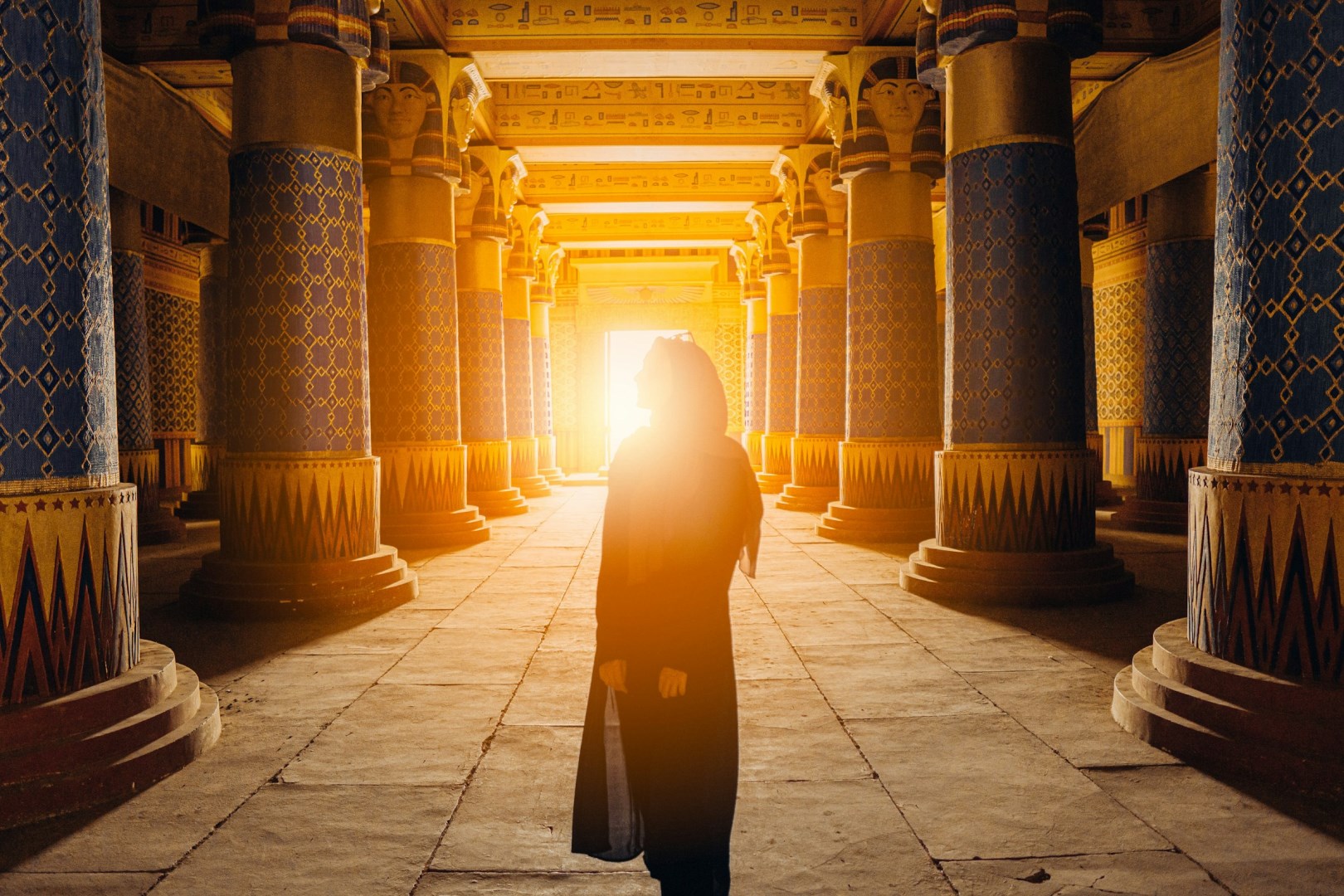
Ouarzazate
The whole south of Morocco is summarized in the historical, traditional and exotic sounding word "Ouarzazate". In Ouarzazate everything is calm, beautiful and fresh - the very image of the authentic south of Morocco, where time has stood still for centuries. The town has been located in three different places during its existence, two of them still inhabited
today.
today.
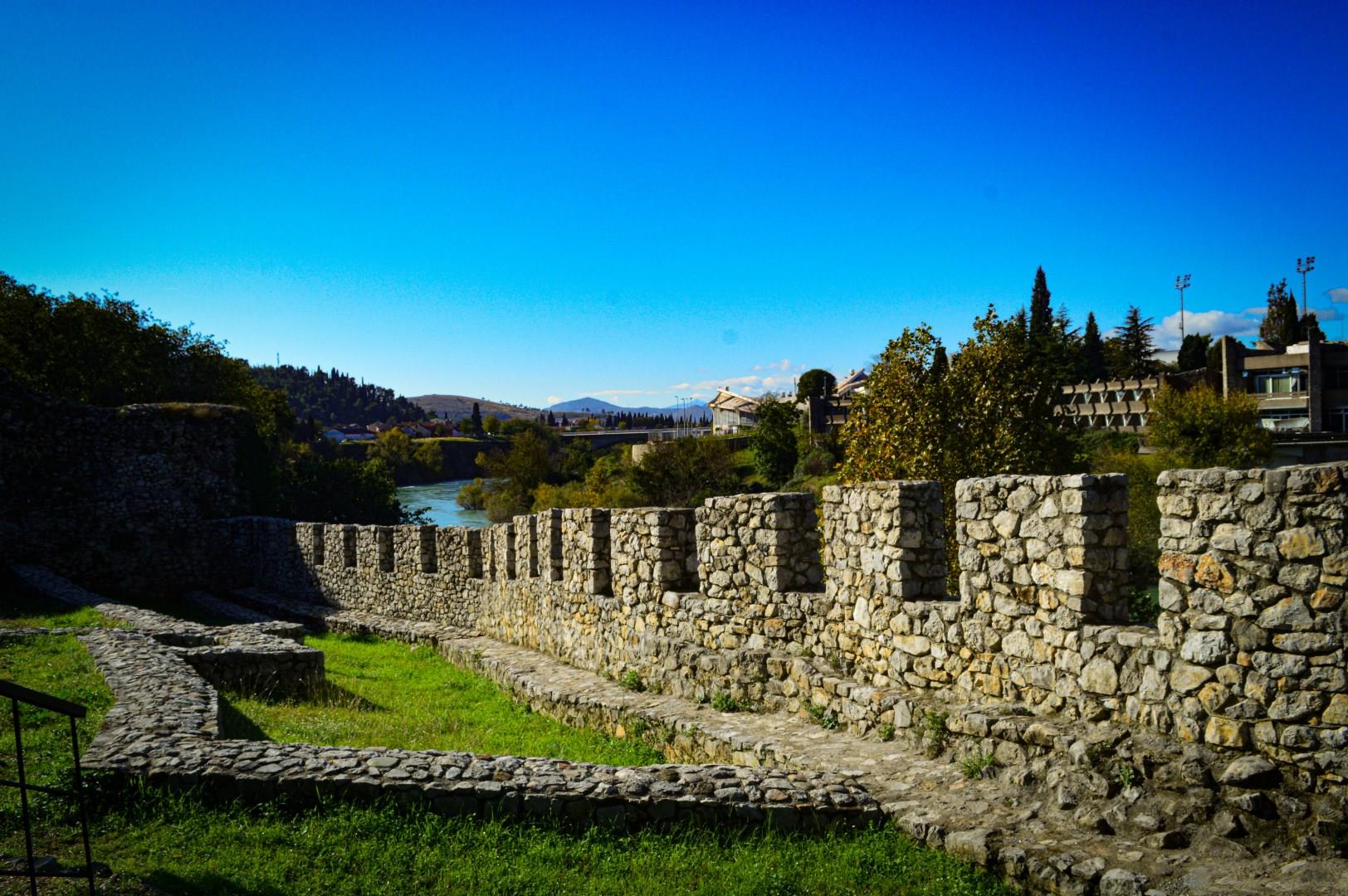
Podgorica
Podgorica, the capital of Montenegro, showcases the country’s contrasting landscapes and deep-rooted history. Although much of the city was rebuilt after World War II, traces of its Roman and Ottoman past still remain. Visitors can explore the ruins of Doclea, a Roman settlement just outside the city, where surviving columns and mosaics give a glimpse into life nearly two millennia ago.

Main River
The Main River winds through the heart of Germany, offering a scenic journey through picturesque towns, rolling vineyards, and historic cities.
