

El Tunco
El Tunco is a small coastal village in the department of La Libertad, on El Salvador's central Pacific coast. It is named for the distinctive rock formation that sits offshore and is often described as resembling a pig, giving the beach its local name. The shoreline consists of dark volcanic sand, rocky outcrops, and strong Pacific surf, while low hills and tropical vegetation surround the village.
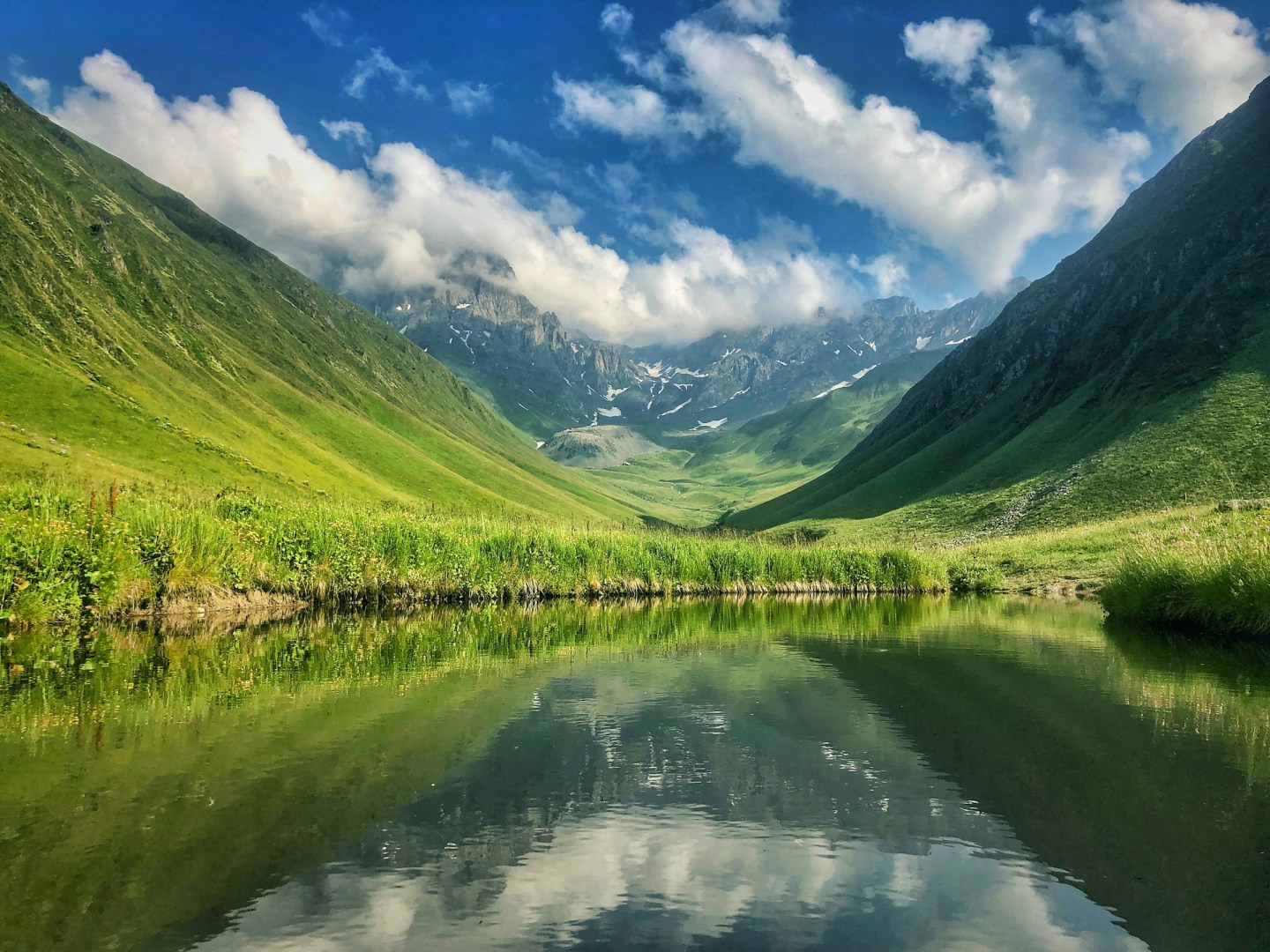
Juta
Juta is a small mountain village in northern Georgia's Kazbegi Municipality, set at roughly 2,150 meters above sea level in the Greater Caucasus. The settlement lies in the Sno Valley beneath the Chaukhi Massif, a group of steep, jagged peaks that form one of the area's defining landscapes. Juta is reached by a mountain road from the village of Sno and is surrounded by alpine meadows, rocky slopes, streams, and high peaks.

St. George's
St. George’s, the capital of Grenada, is a picturesque harbor town nestled within the rim of an extinct volcano. Its horseshoe-shaped Carenage, lined with pastel-colored colonial buildings, offers a postcard-perfect introduction to the island.

Novi Sad
Novi Sad, Serbia’s second-largest city, sits along the banks of the Danube River and has long served as a cultural meeting point in the Balkans. Its centerpiece is Petrovaradin Fortress, a massive 18th-century stronghold nicknamed the "Gibraltar on the Danube." The fortress is known not just for its historic architecture but also for its network of underground tunnels and the iconic clock tower where the hands are reversed, meaning the large hand shows the hour.

Salzburg
Nestled in the foothills of the Eastern Alps, Salzburg, Austria, exudes a timeless charm that combines Baroque splendor, musical heritage, and breathtaking natural beauty. The city is famously known as the birthplace of Wolfgang Amadeus Mozart, one of the world's greatest composers. Visitors can immerse themselves in the life and works of Mozart by visiting his birthplace, now a museum, on Getreidegasse, a picturesque street lined with wrought-iron signs and colorful facades.
