
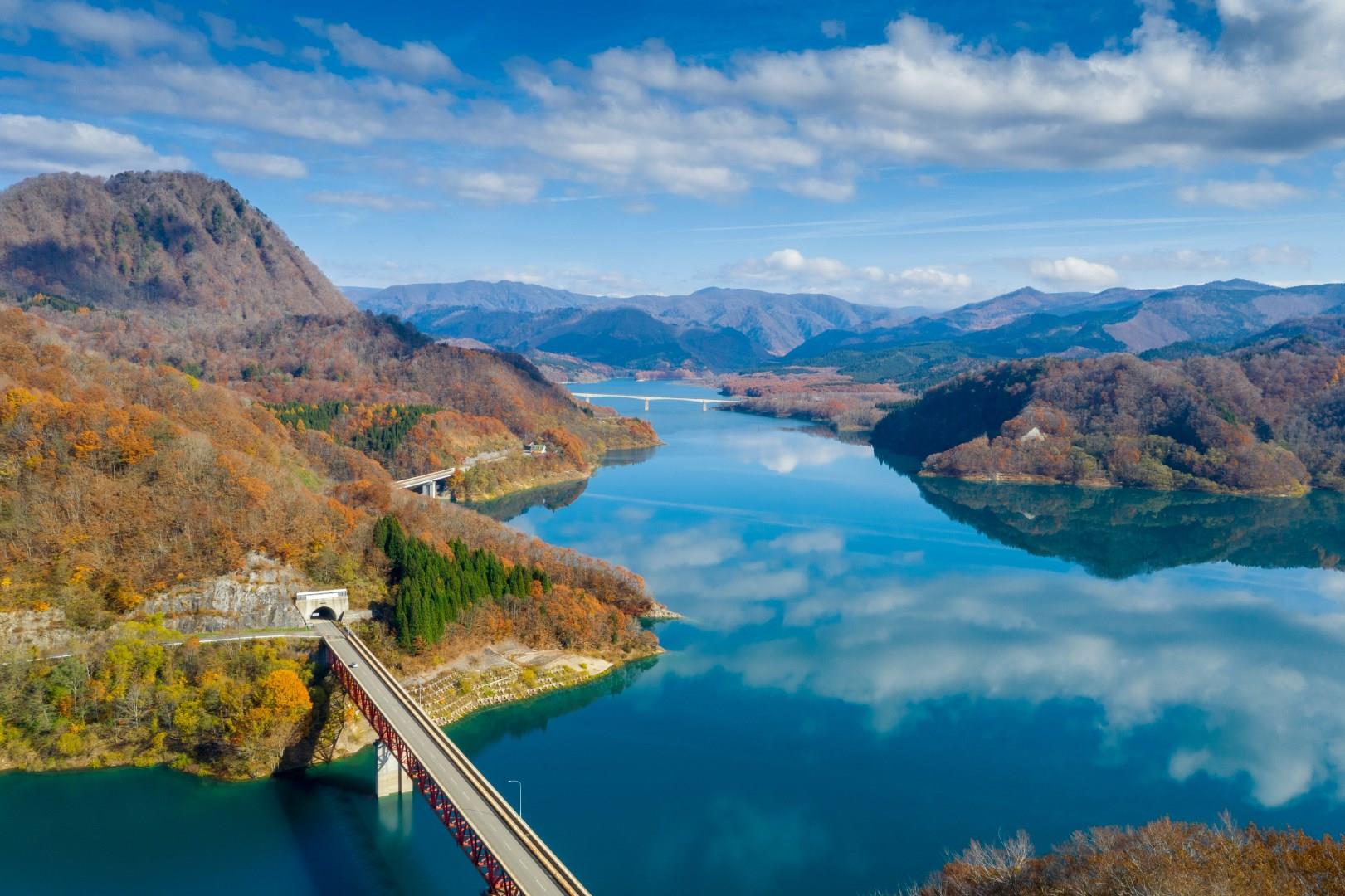
Akita
Akita sits in the northern part of Japan’s Tōhoku region and offers travelers experiences rooted in long-held traditions, lively festivals, and scenic valleys. Its capital city blends seasonal appeal with cultural offerings, from Senshu Park, once the site of Kubota Castle, where cherry blossoms and lotuses draw locals and visitors alike, to the Akita Museum of Art, a striking building designed by famed architect Tadao Ando that displays works including pieces by Tsuguharu Foujita.
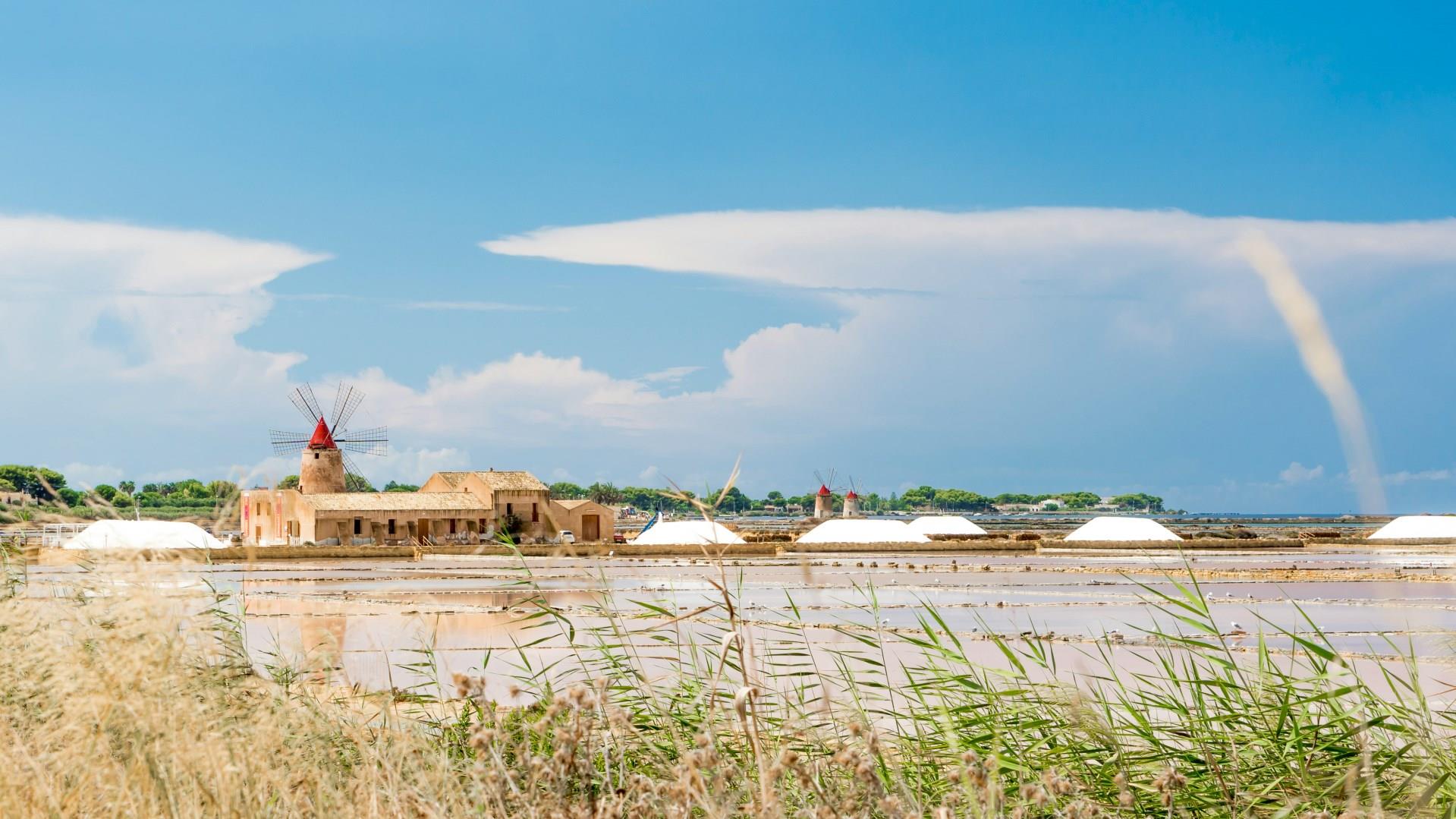
Marsala Sicily
Marsala is a coastal city in western Sicily with a long history shaped by trade, conquest, and winemaking. Founded by the Phoenicians in the 4th century BCE, it later passed through Roman, Arab, Norman, and Spanish hands, each leaving traces in the city’s layout and culture.
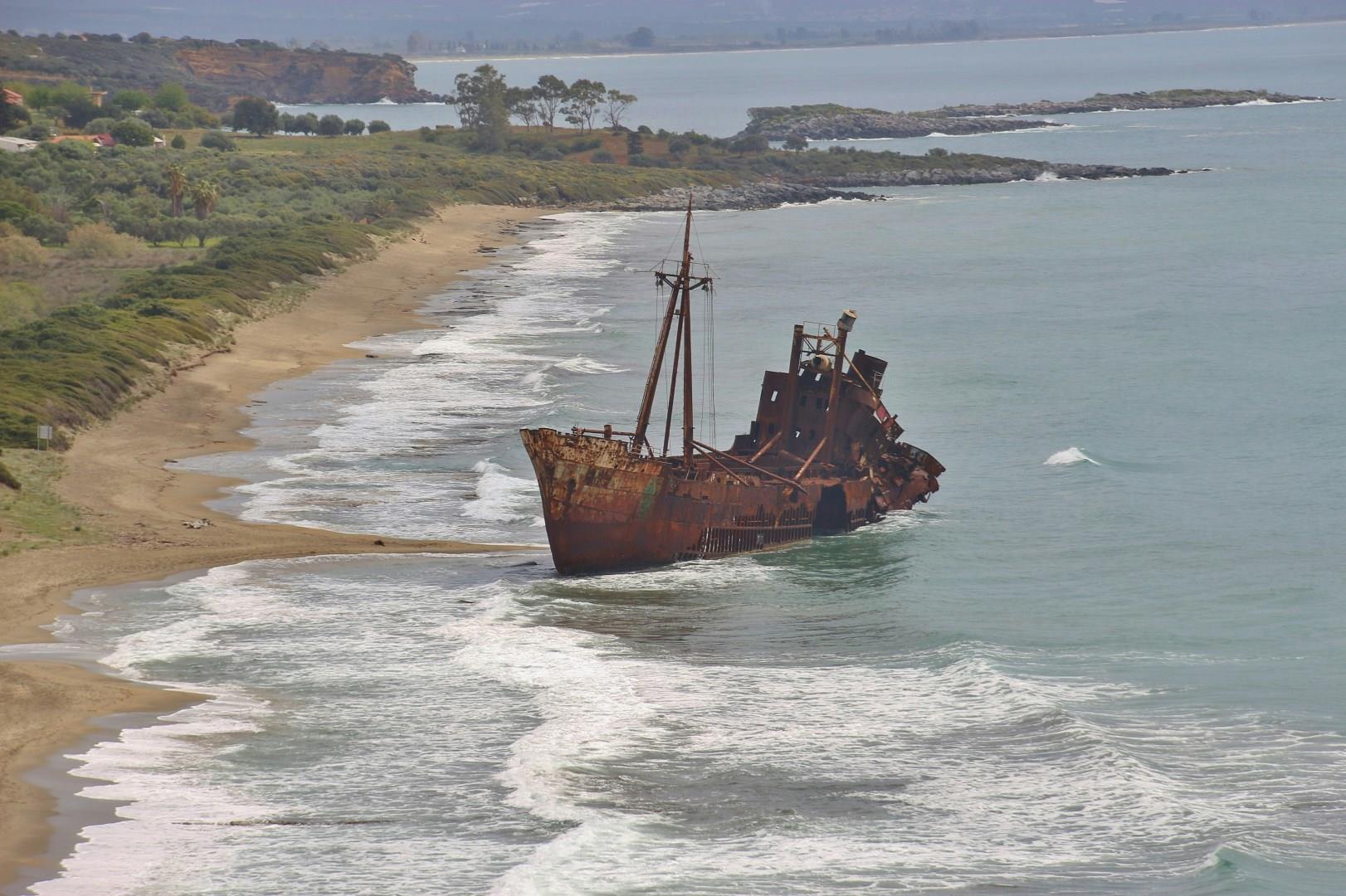
Gythion
Greece’s southern coastline is home to Gythion, a historic port town nestled in the Peloponnese region. Once the naval base of ancient Sparta, Gythion has played a key role in maritime history for centuries. Today, its harbor is lined with colorful neoclassical buildings and fishing boats, creating a picture of daily life that remains connected to its seafaring roots. Just offshore lies Cranae Island, linked to the mainland by a stone causeway.
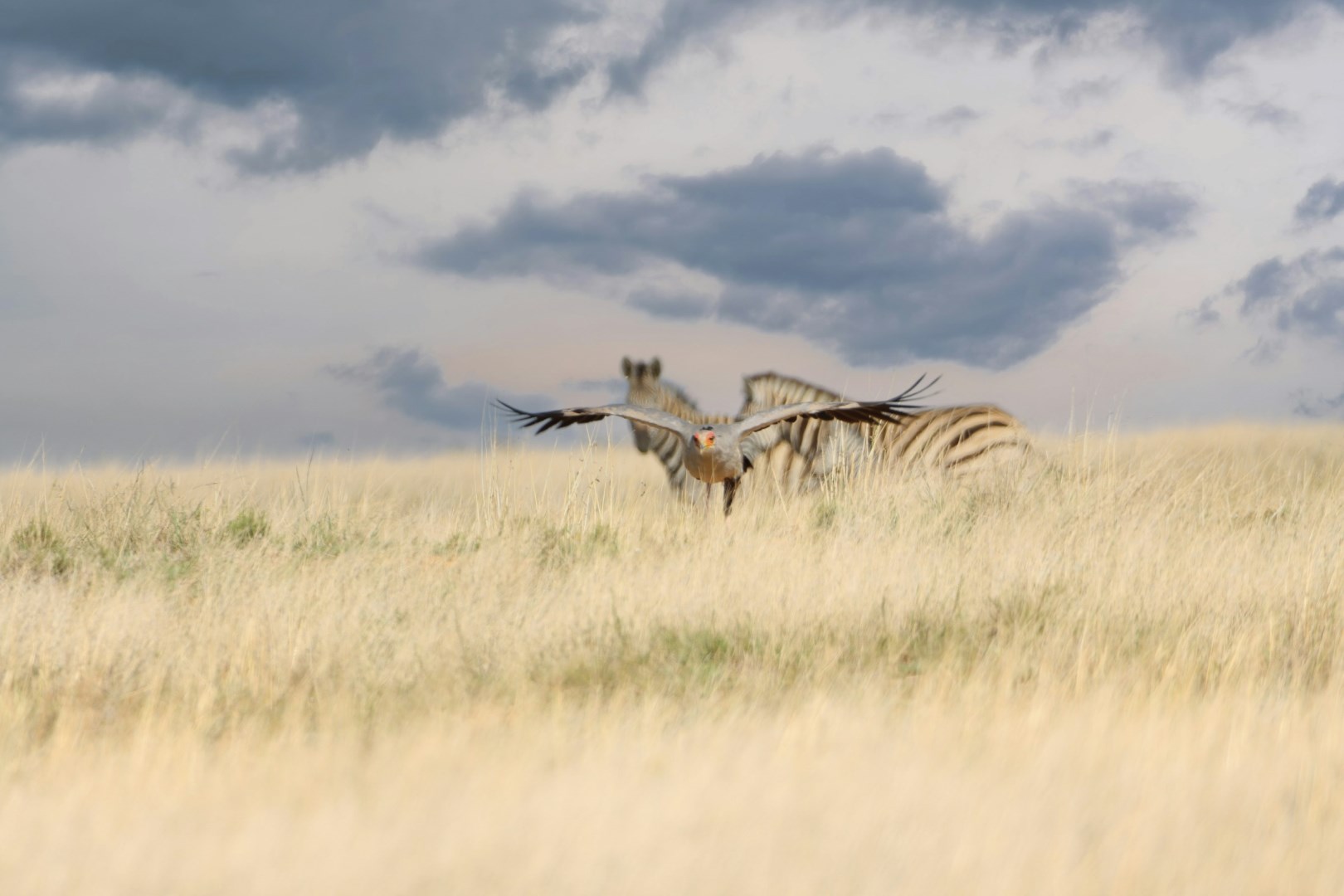
Bloemfontein
Bloemfontein is the capital of the Free State province and South Africa’s judicial capital, located near the geographic centre of the country. Known locally as Bloem, the city is often called the “City of Roses,” a reference to the many rose gardens found around its streets and parks. Its character comes from a combination of government institutions, historic sandstone buildings, museums, universities, and open spaces.
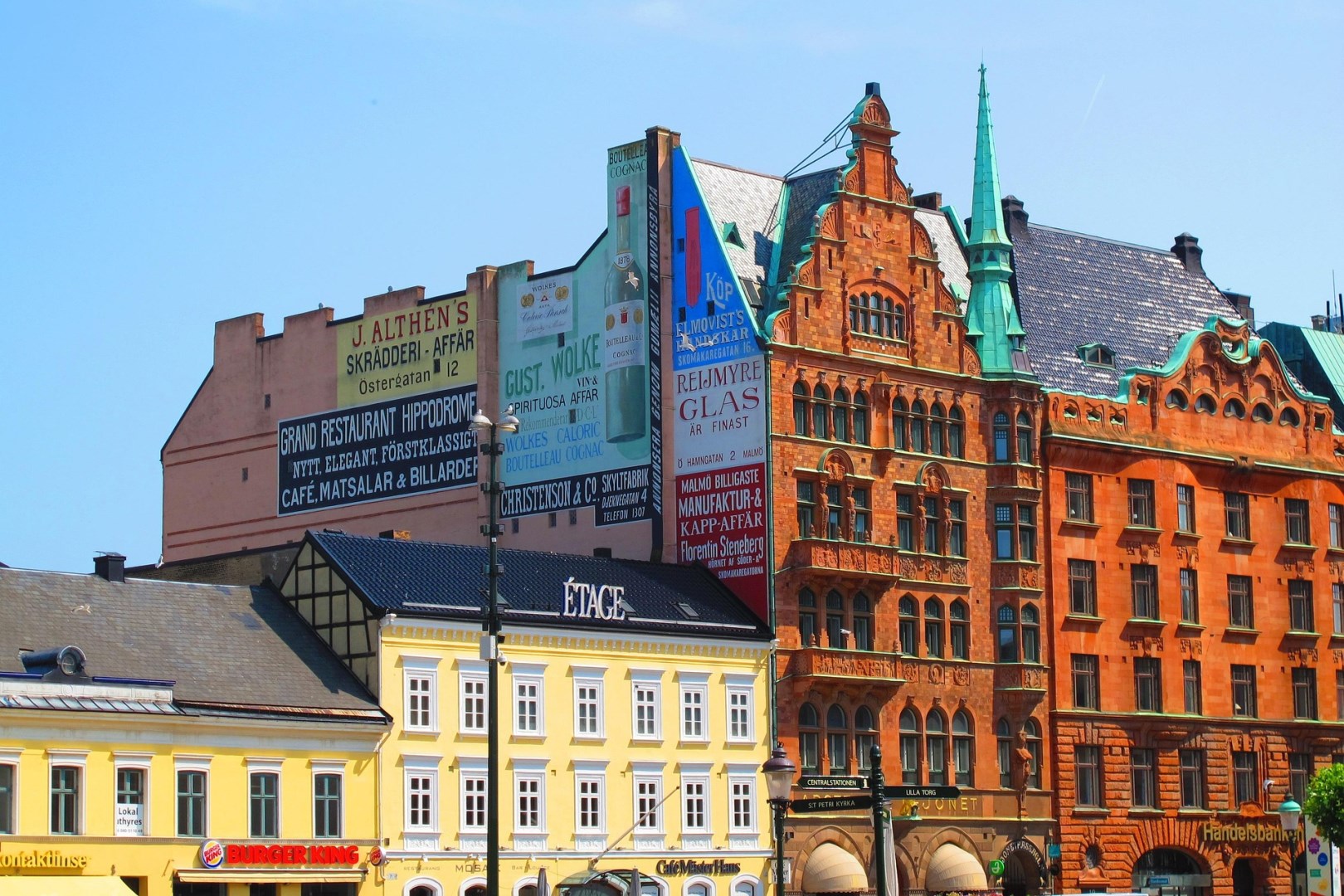
Malmö
Malmö is Sweden’s third-largest city, located in the southern province of Skåne beside the Öresund Strait. Its position opposite Copenhagen has made it an important port, trading center, and meeting place, while the city today combines historic neighborhoods with modern architecture and extensive parks.
