
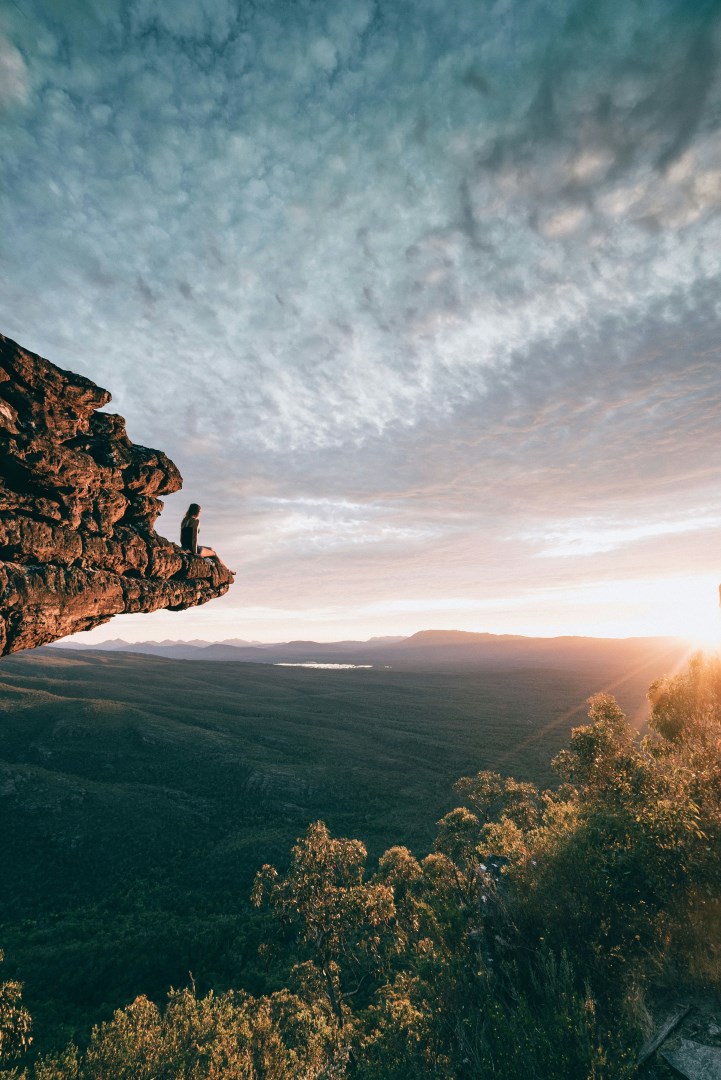
Grampians National Park
Grampians National Park, known as Gariwerd by the Traditional Owners, is a mountainous landscape in western Victoria defined by sandstone ranges, rocky escarpments, forests, waterfalls, and broad valleys. The park forms part of the Grampians-Gariwerd region and contains some of Victoria’s most extensive areas of protected native habitat.
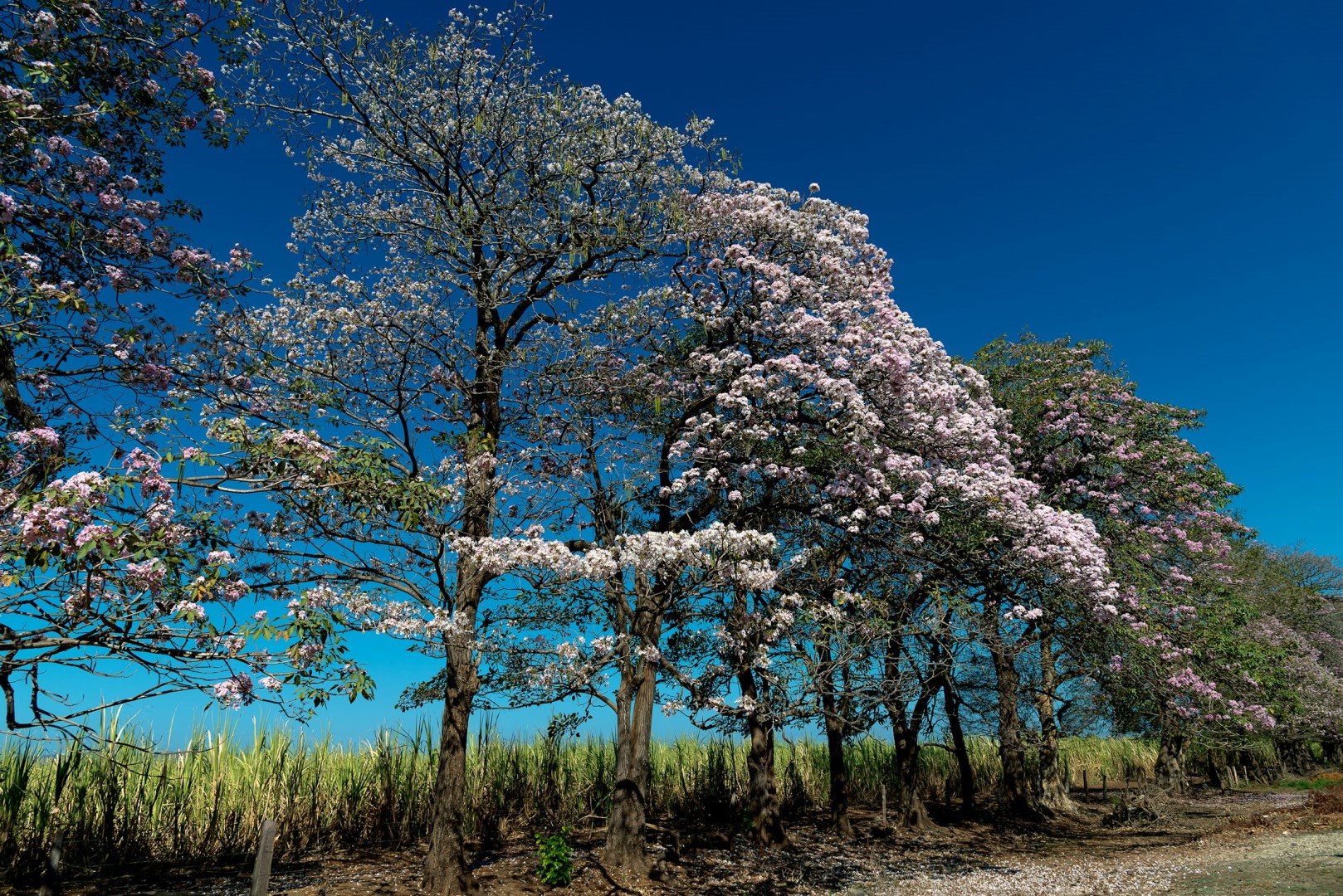
Liberia
This Northern Costa Rica city is known for its volcanoes (both active and inactive), the Catholic church Ermita de La Agonía, and the Museo del Sabanero.
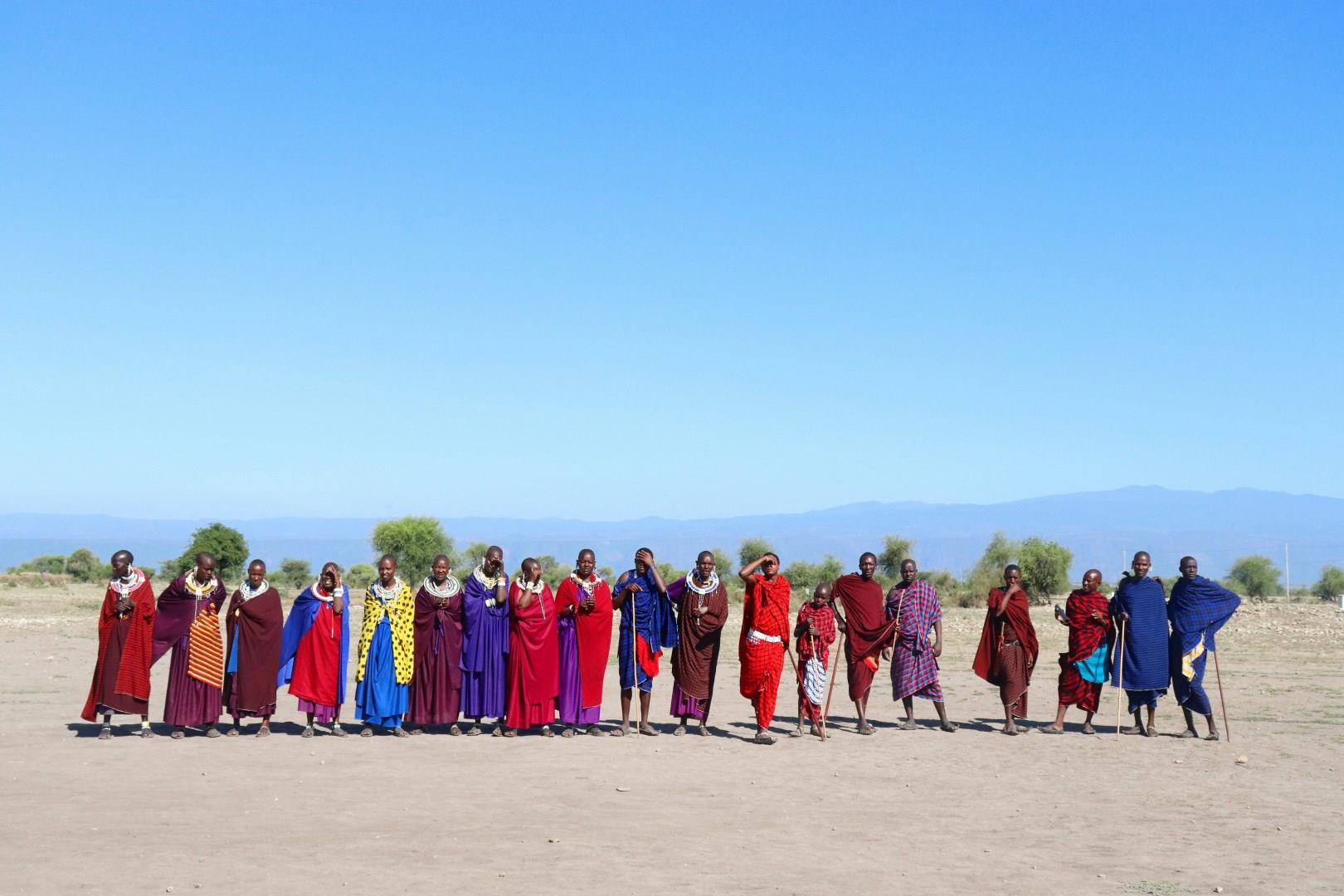
Karatu
Karatu, located in northern Tanzania between Lake Manyara and the Ngorongoro Crater, is more than just a stopover for safari-goers. This highland town, surrounded by rolling farmland and volcanic hills, offers travelers a closer look at daily life in the region. The area is home to the Iraqw people, known for their terraced farming, traditional homesteads, and unique language unrelated to most other East African tongues.

Eryri National Park (Snowdonia)
Snowdonia, a majestic national park in North Wales, offers a stunning tapestry of natural beauty and adventure. At its heart is Mount Snowdon, the highest peak in Wales, reaching 1,085 meters (3,560 feet). The mountain is accessible via several well-marked trails, with the Snowdon Mountain Railway providing a scenic ride to the summit. From the top, panoramic views stretch over rugged landscapes and, on clear days, to the distant peaks of Ireland.
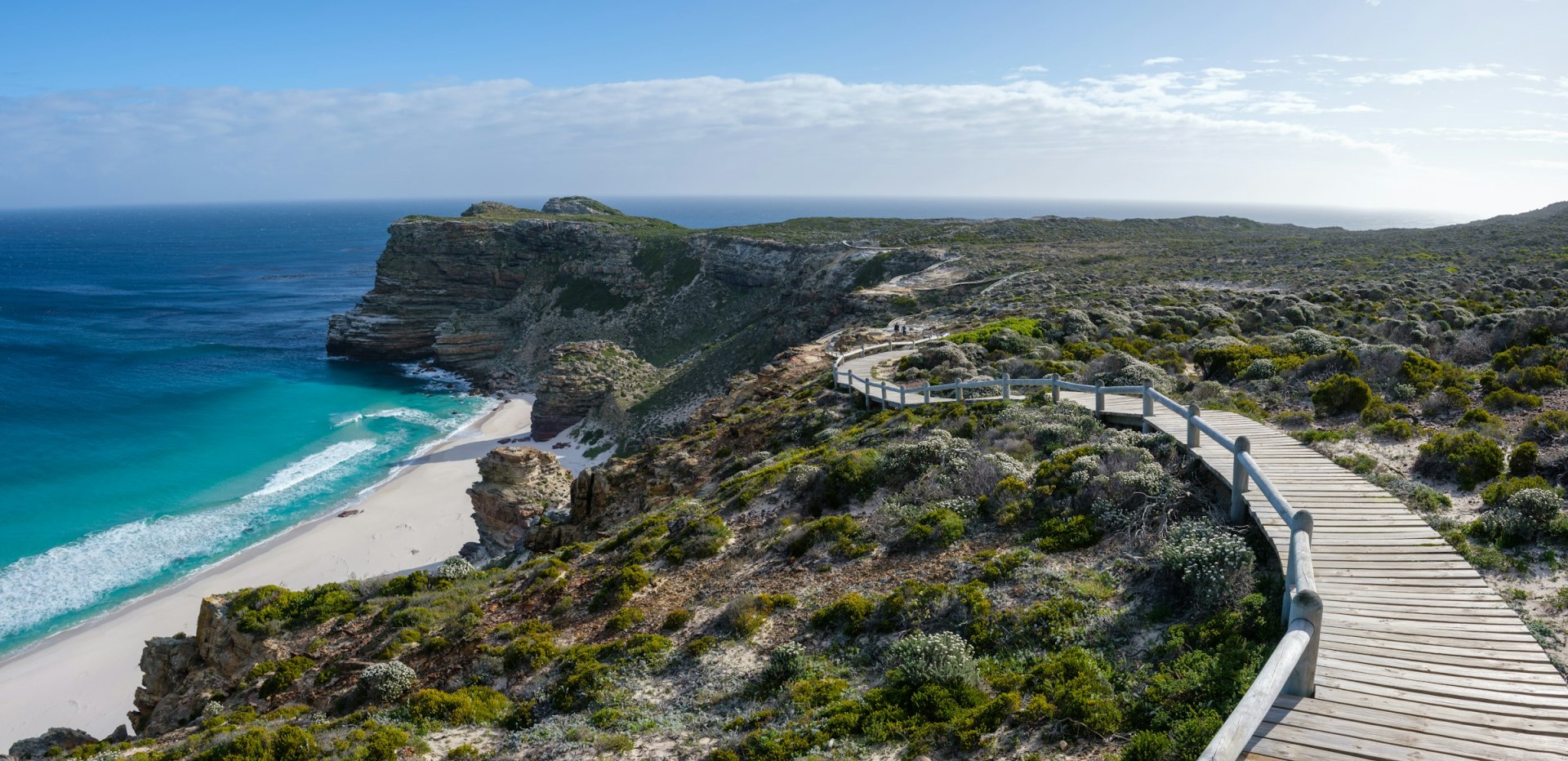
Cape Peninsula
Cape Peninsula is the mountainous, coastal region extending south from Cape Town into the Atlantic Ocean and False Bay. Its landscape combines Table Mountain, rocky headlands, sandy beaches, forests, and open fynbos-covered slopes. Table Mountain National Park runs along much of the peninsula, protecting the mountain chain and coastline from Signal Hill to Cape Point.
