
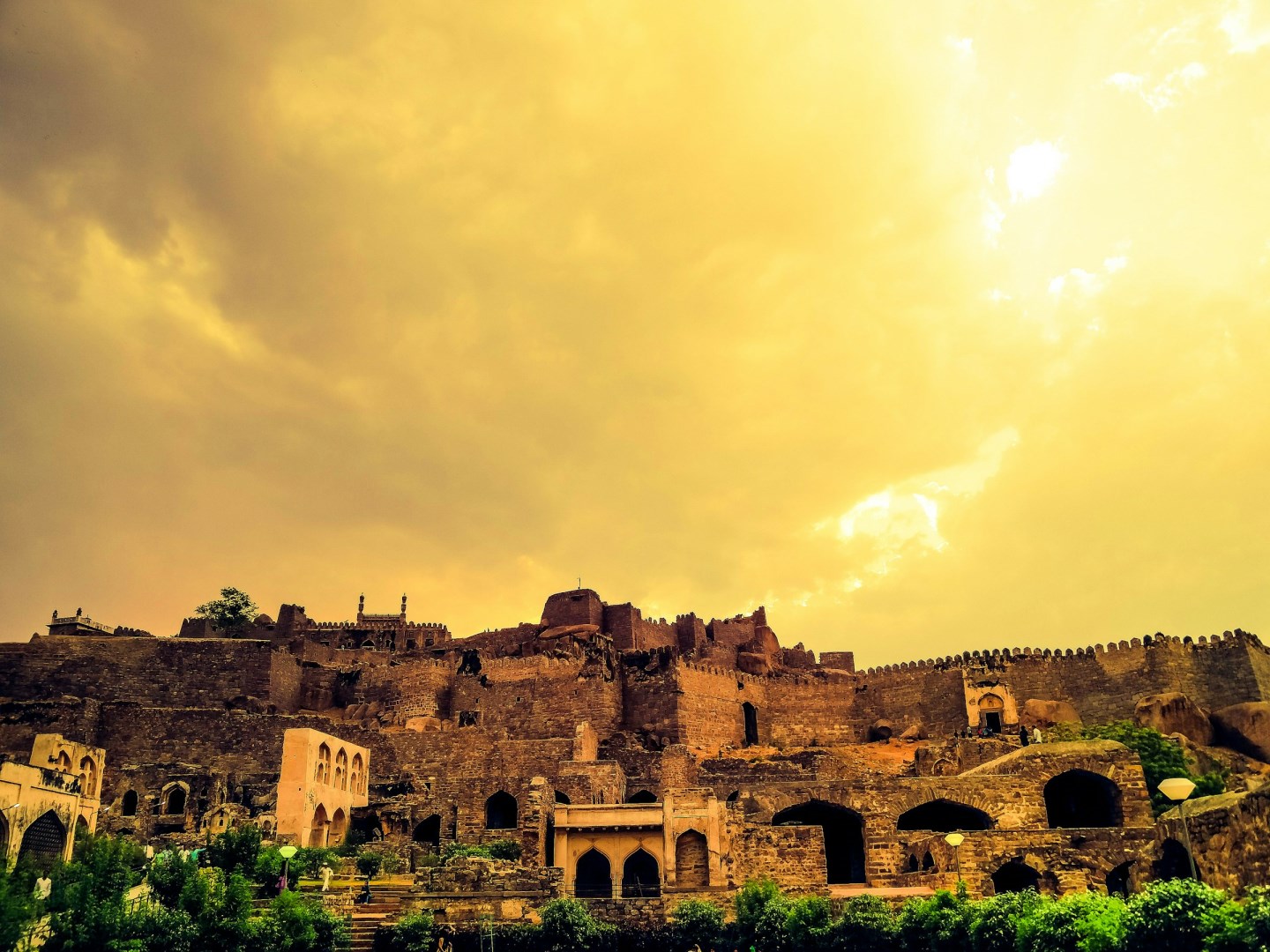
Hyderabad
Hyderabad is the capital of Telangana in southern India, built around the Musi River and shaped by a long history of Deccan kingdoms, Islamic architecture, Hindu traditions, and modern technology. The city combines historic neighborhoods with expanding business districts, universities, markets, and residential areas. Its older quarters are centered around landmarks such as Charminar and the Mecca Masjid, while newer Hyderabad is known for its technology and pharmaceutical industries. Granite out
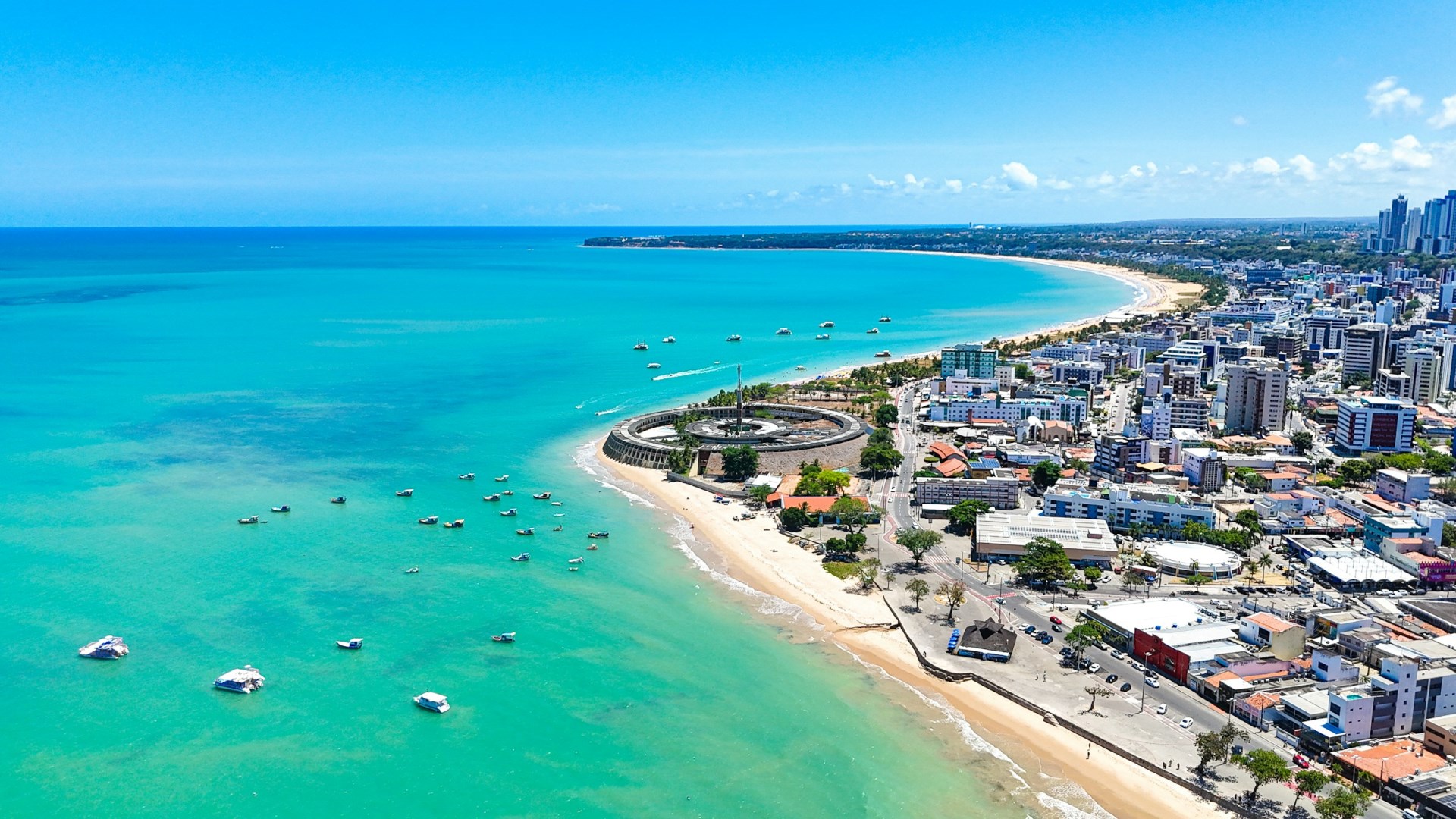
João Pessoa
João Pessoa is the capital of Paraíba on Brazil’s northeastern coast, with an urban landscape that extends from the historic center to a long Atlantic waterfront. Its beaches include Tambaú, Manaíra, Cabo Branco, and Bessa, while the Sanhauá River borders the older part of the city. João Pessoa is also known for its abundant public greenery, including parks, tree-lined areas, and the Jardim Botânico Benjamim Maranhão.
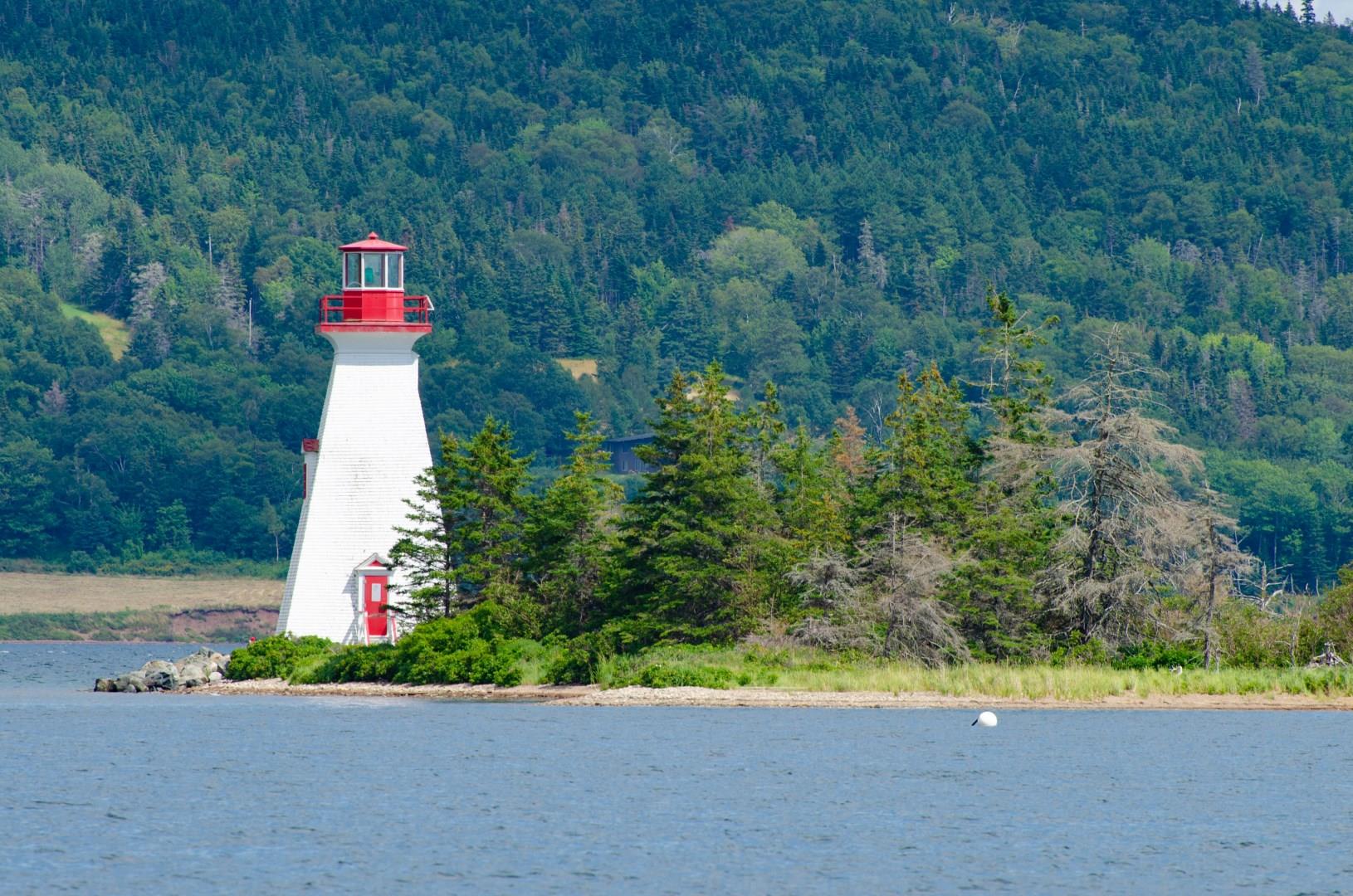
Baddeck, Cape Breton Island
Baddeck sits along the calm waters of the Bras d’Or Lake on Cape Breton Island in Nova Scotia, a village with deep roots and stories to tell. Its name comes from an Indigenous word thought to mean “place with an island near,” a nod to nearby Kidston Island and the long history of the Mi’kmaq people in the area. A highlight for many visitors is the Alexander Graham Bell National Historic Site, where the legacy of one of history’s most inventive minds comes alive.
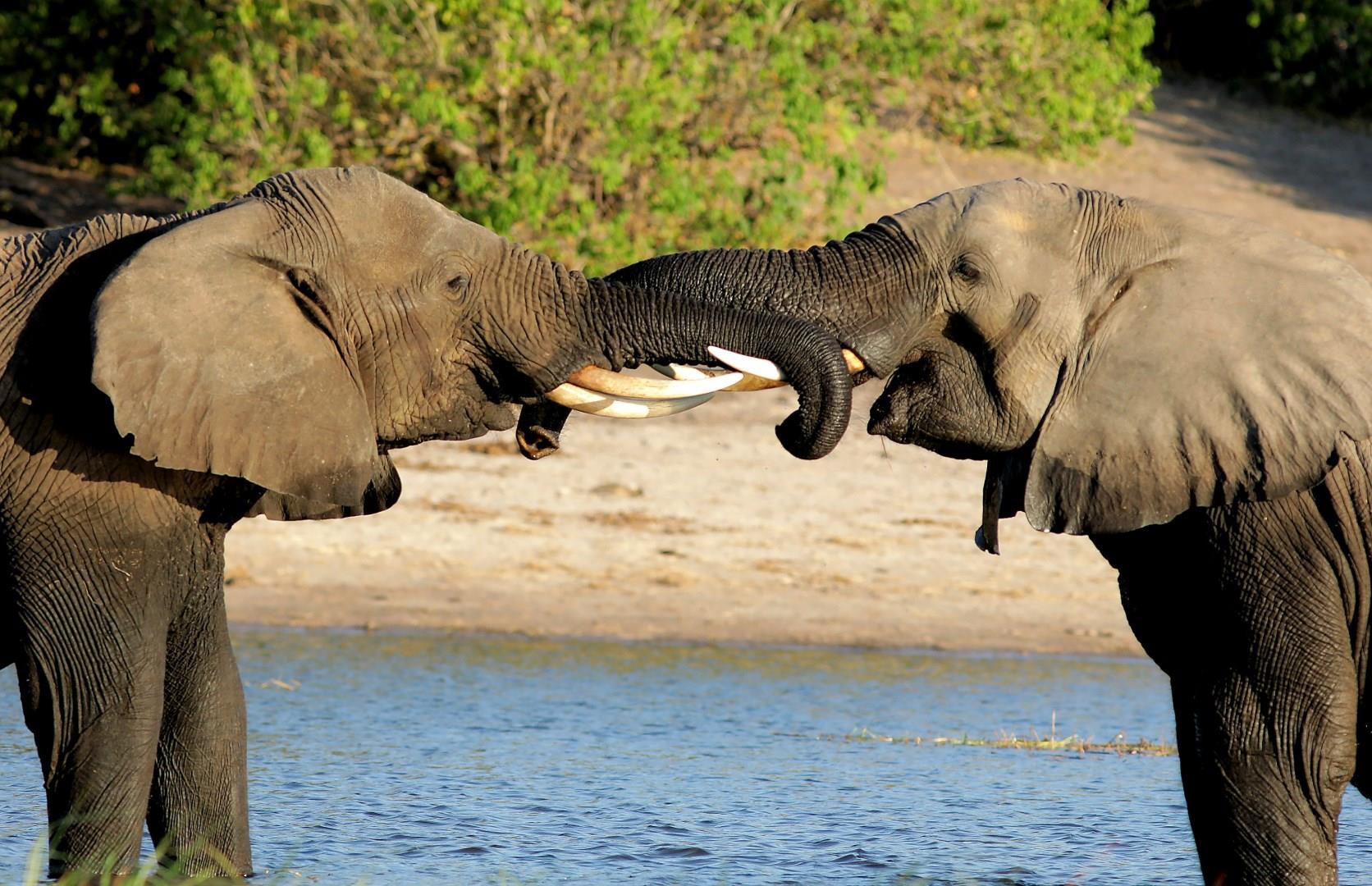
Kasane
Kasane sits at Botswana’s northeastern edge, where the Chobe River meets the borders of Namibia, Zambia, and Zimbabwe. Its development is closely tied to river transport, regional trade, and wildlife management.

Giza
Giza, Egypt, is a destination that embodies the mysteries and grandeur of ancient civilization, drawing millions of visitors every year to marvel at its iconic monuments. At the heart of Giza stands the Giza Plateau, home to the legendary Pyramids of Giza — the Great Pyramid of Khufu, the Pyramid of Khafre, and the Pyramid of Menkaure.
