
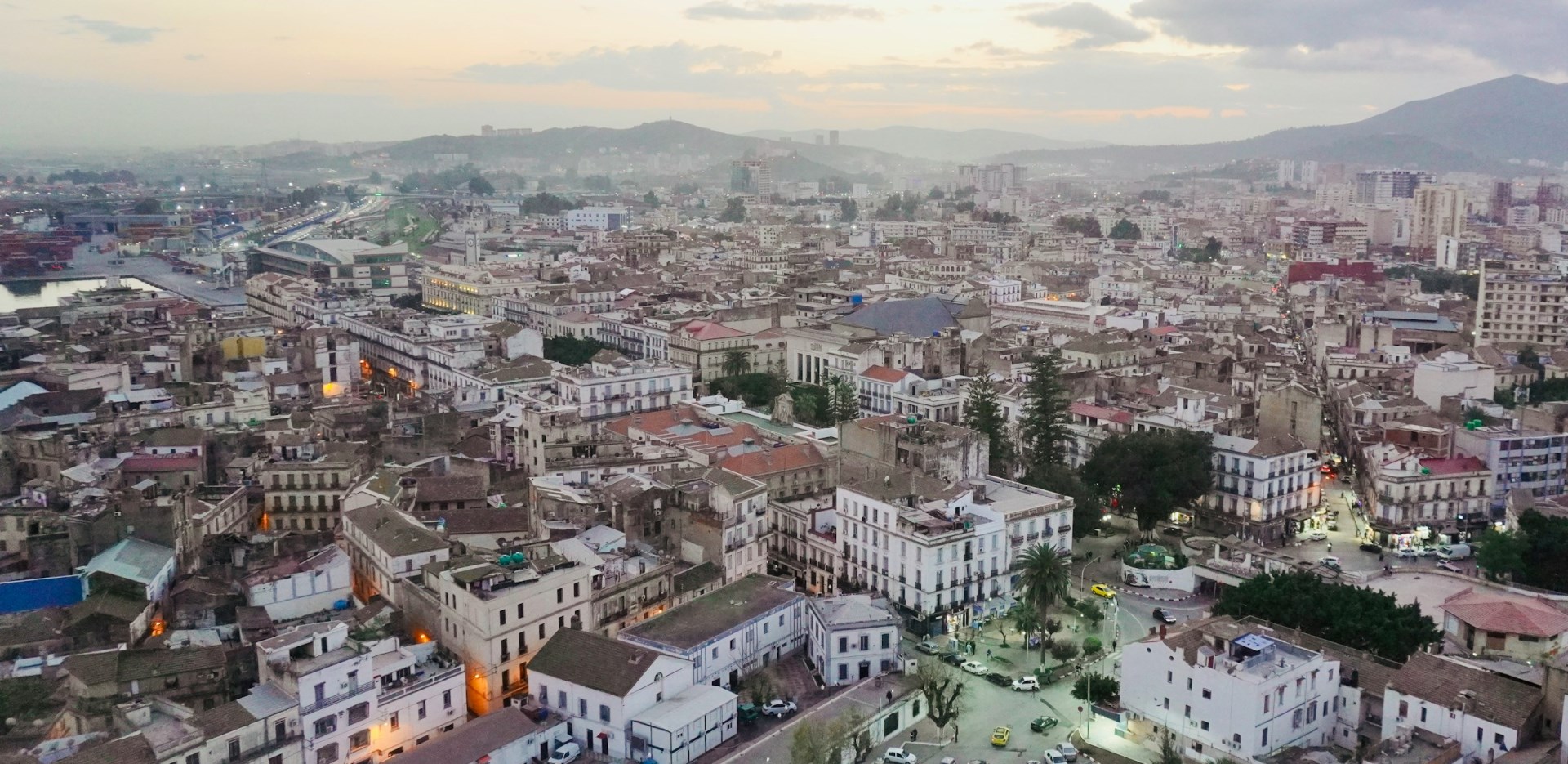
Annaba
Annaba is a coastal city in northeastern Algeria, set along the Mediterranean near the forested hills of the Edough Mountains. Its identity combines a working port, sandy beaches, historic neighborhoods, and the archaeological remains of ancient Hippo Regius. The city is also closely associated with Saint Augustine, who served as bishop of Hippo, giving Annaba an important place in the religious and intellectual history of North Africa.
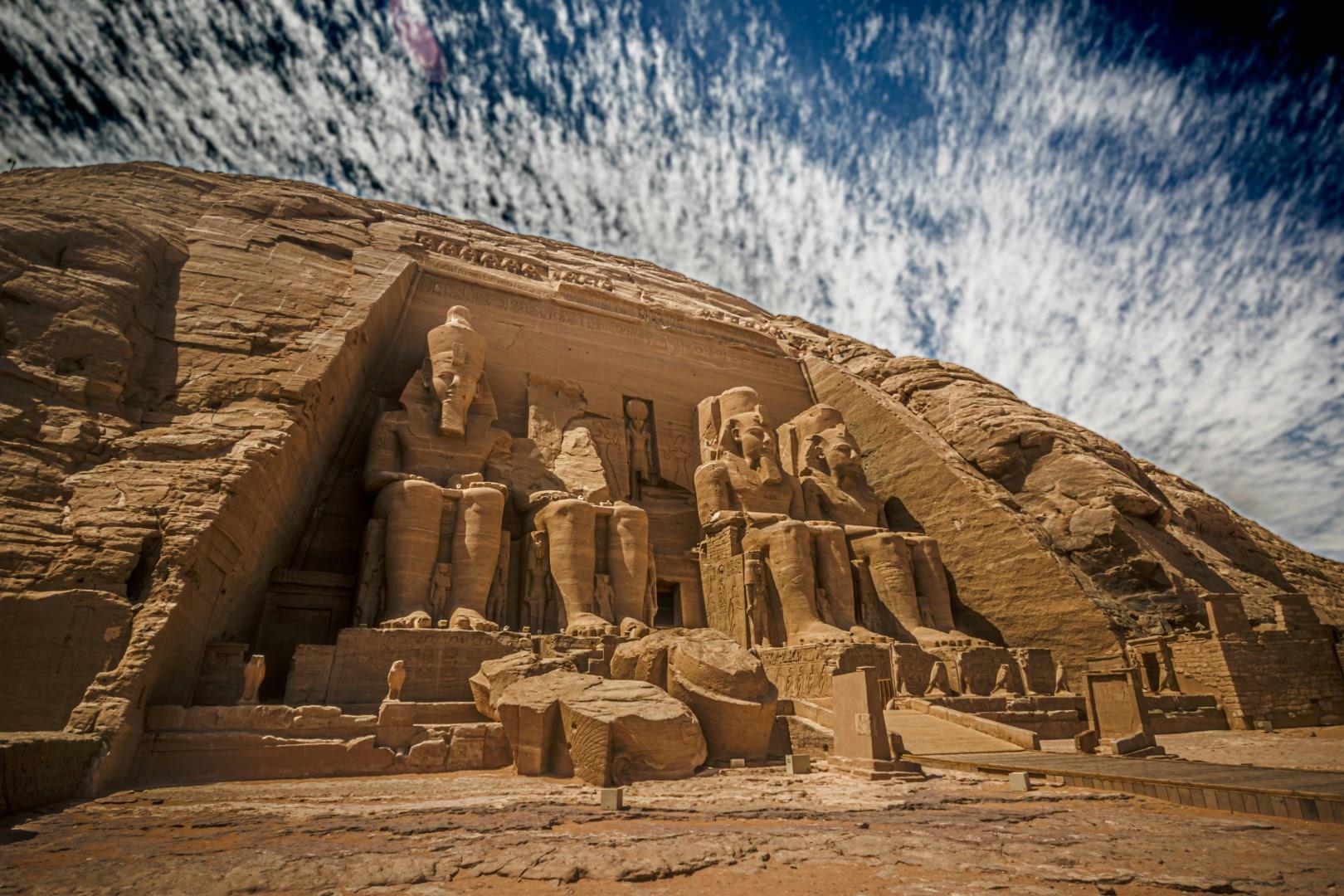
Abu Simbel
Abu Simbel, in southern Egypt near the border with Sudan, is one of the most awe-inspiring archaeological sites of the ancient world. Built during the reign of Pharaoh Ramses II in the 13th century BCE, the twin temples were carved directly into the sandstone cliffs overlooking the Nile. The Great Temple, with its four colossal statues of Ramses II seated at the entrance, was designed not only to honor the pharaoh but also to project his power to neighboring Nubia.
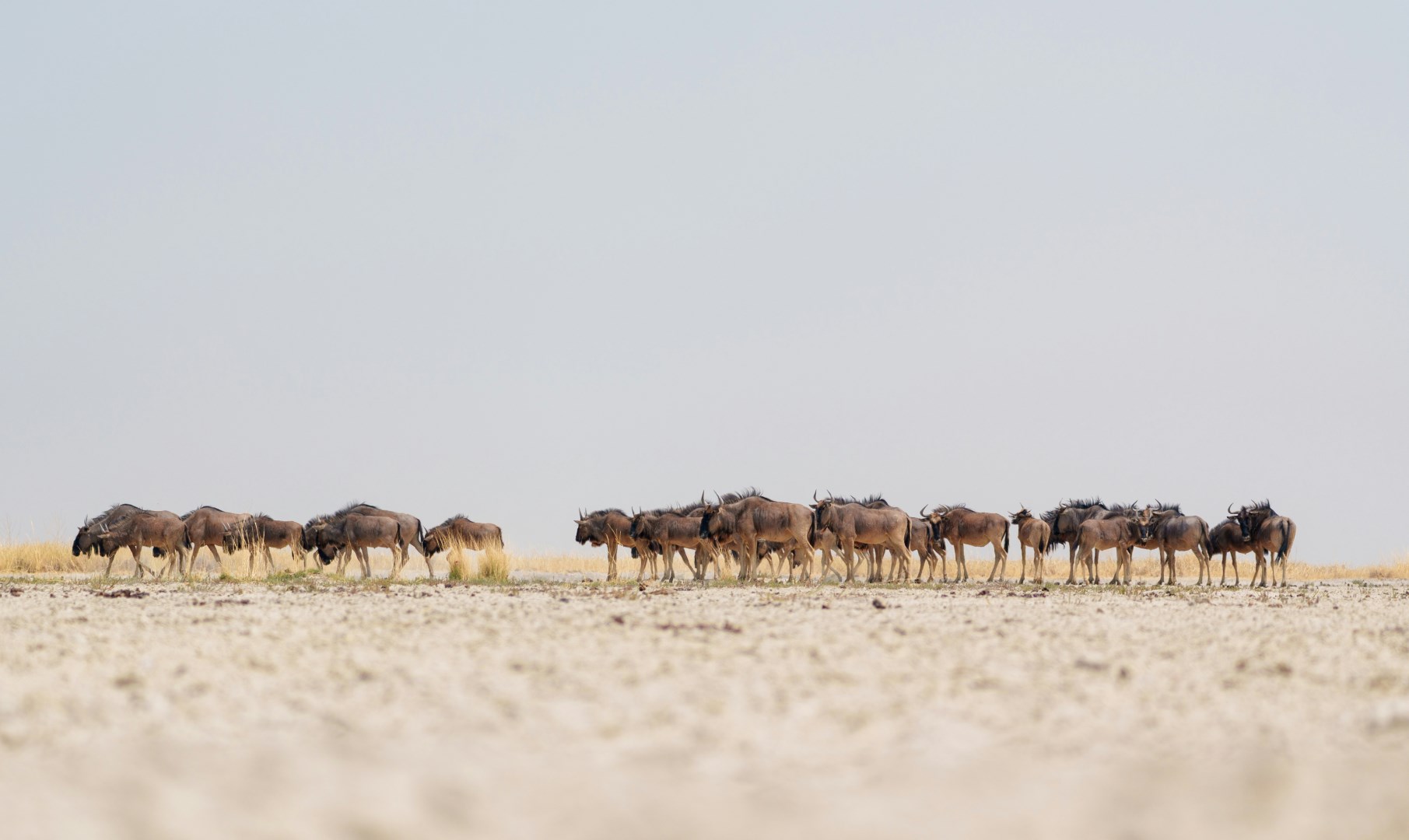
Makgadikgadi Pans National Park
Makgadikgadi Pans National Park lies in northeastern Botswana and forms part of one of the largest salt flat systems in the world. The landscape is defined by wide open pans, sandy tracks, grasslands, and scattered baobab trees that rise from the dry terrain.
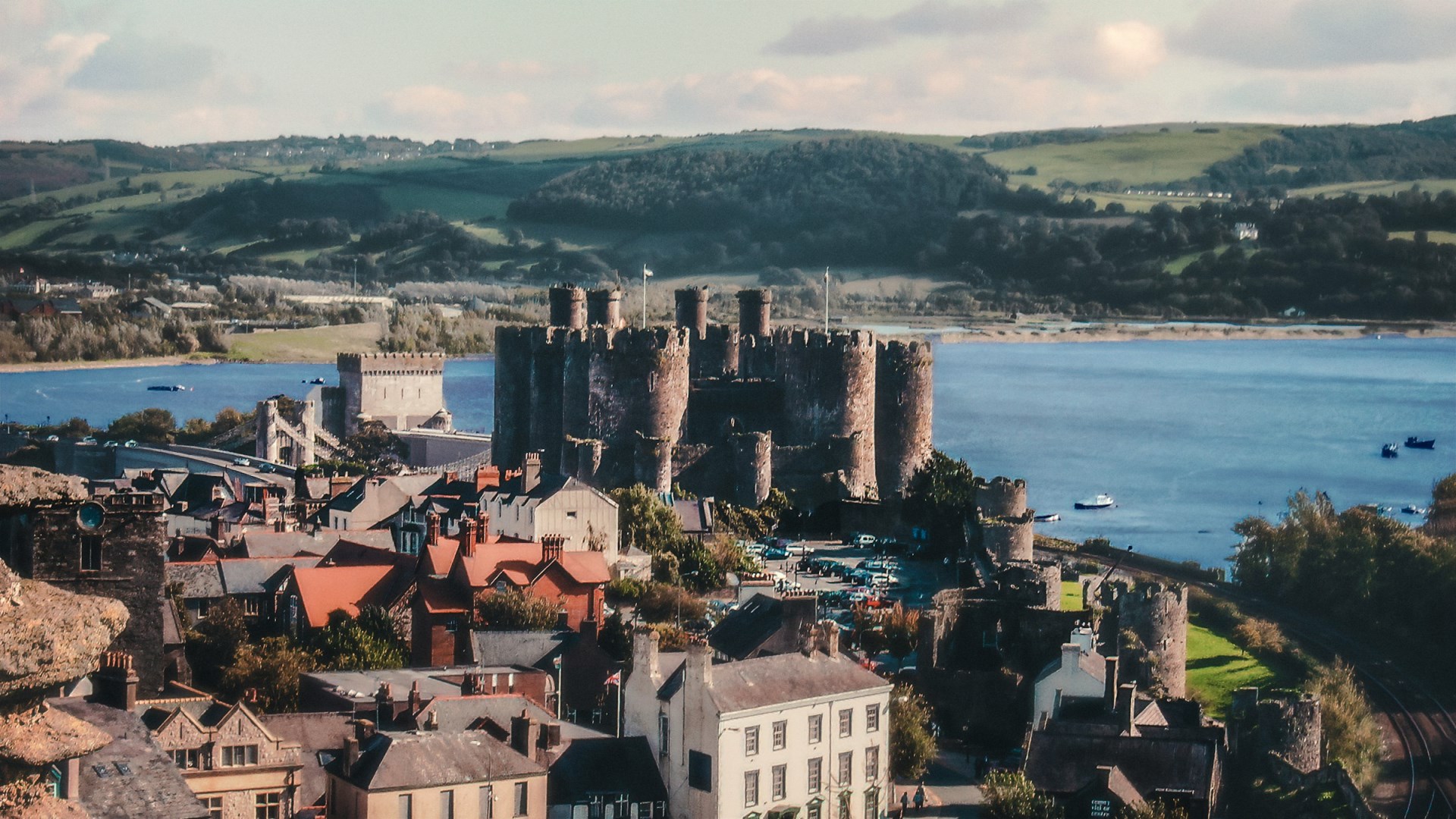
Conwy
Located approximately 50 miles west of Chester, along the northern Welsh coast, is the beautiful small town of Conwy. In 1283, King Edward I set out to build a series of magnificent castles, of which Conwy was one of the largest. In addition, the town was fortified with walls which still exist today, making this one of the finest surviving fortified medieval towns in the world.
