
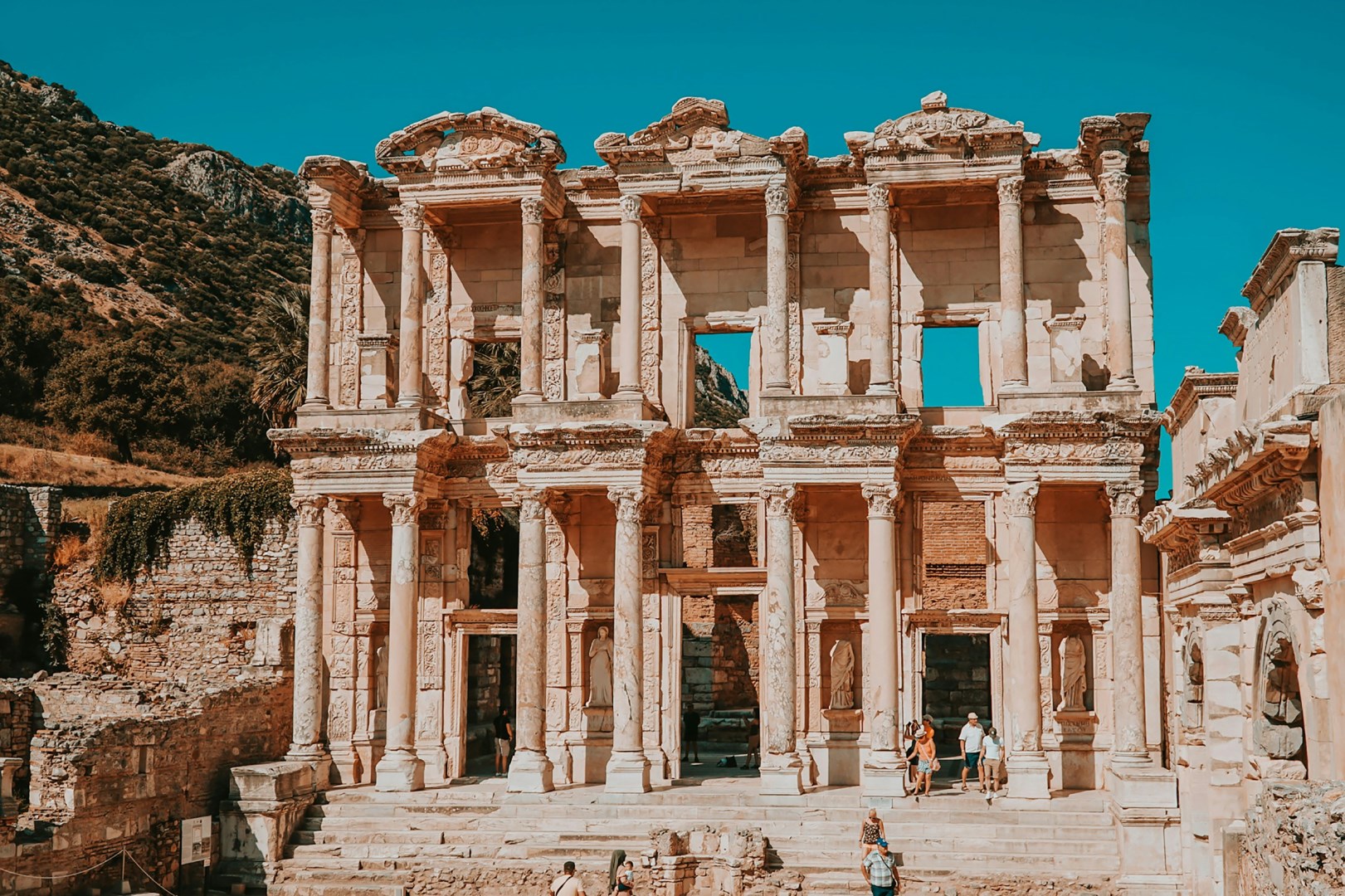
Ephesus
Once the commercial center of the ancient world, Ephesus is an archaeological splendor and an essential stop on any visit to Turkey. The city, whose wealth and patronage support its splendid architectural program, was dedicated to the goddess Artemis.

Vanuatu
Vanuatu, a chain of 83 islands in the South Pacific, offers travelers an experience that’s both bold and deeply rooted in custom. Once known as the New Hebrides, Vanuatu blends ancient Melanesian traditions with dramatic landscapes shaped by volcanic activity. On Tanna Island, visitors can stand at the rim of Mount Yasur, one of the world’s most accessible active volcanoes, and watch fiery eruptions light up the night sky.
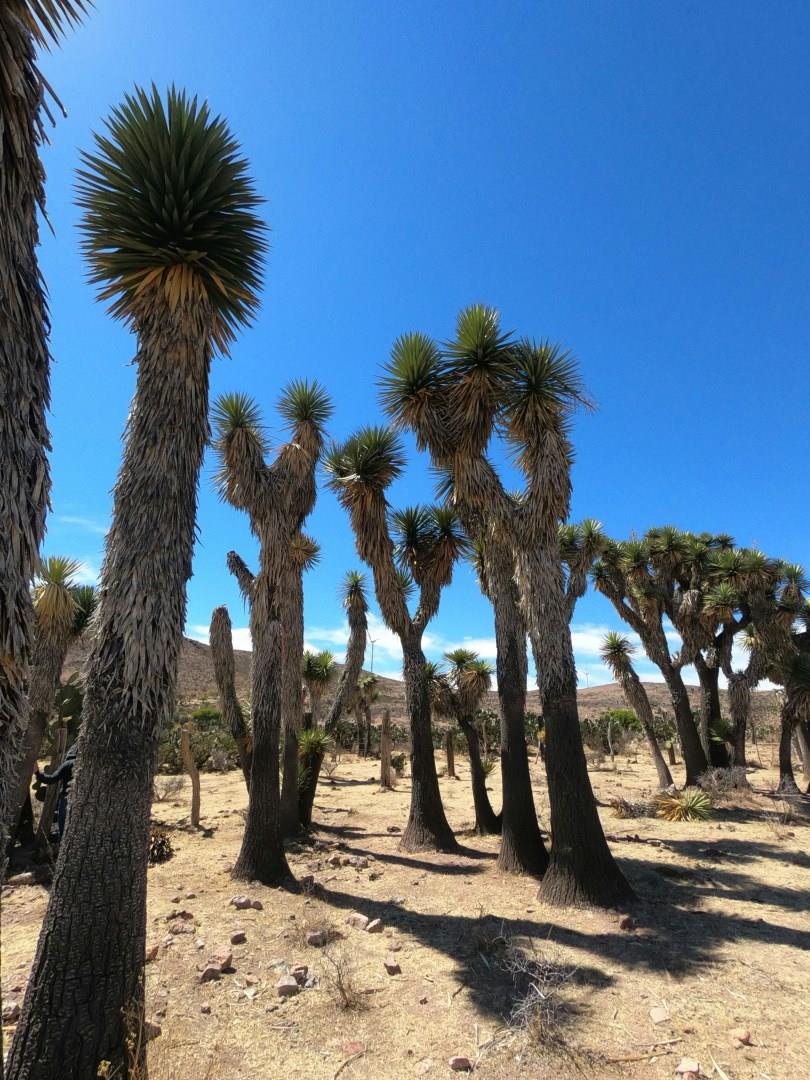
Zacatecas
Zacatecas, built into the slopes of a narrow ravine in north-central Mexico, is a city with a deep mining past and a striking skyline. The historic center, a UNESCO World Heritage Site, is known for its pink cantera stone buildings, narrow alleys, and impressive baroque facades. The Cathedral Basilica of Zacatecas, completed in 1752, stands as one of the most detailed examples of Mexican baroque architecture, with hundreds of carved figures covering its sandstone exterior.
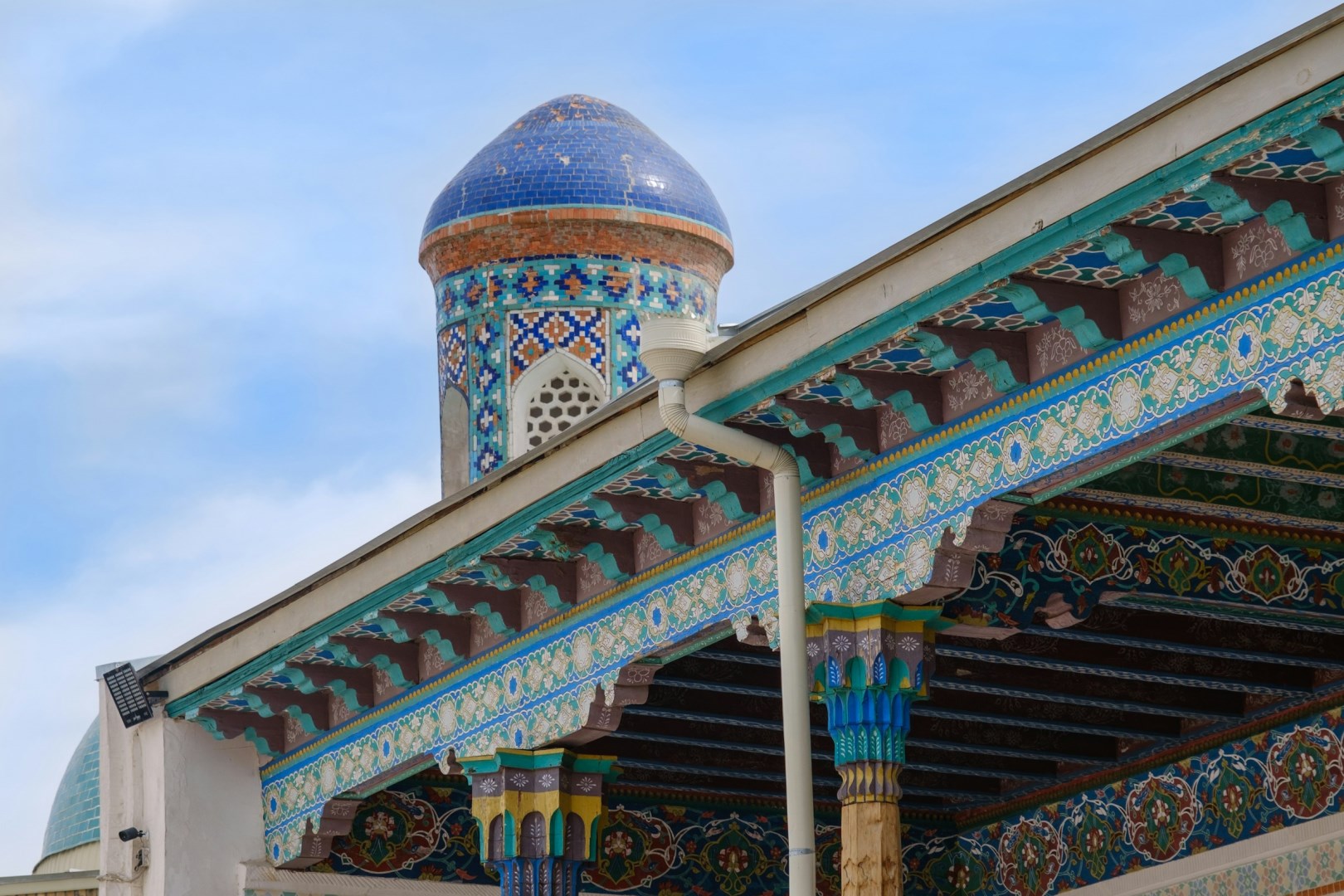
Kokand
Kokand is a historic city in the eastern part of Uzbekistan’s Fergana Valley, known for its connection with the former Kokand Khanate and its long tradition of trade, scholarship, and craftsmanship. The city developed as an important center along regional routes linking the Fergana Valley with other parts of Central Asia. Today, Kokand combines broad streets and modern neighborhoods with mosques, madrasas, mausoleums, and palace architecture.
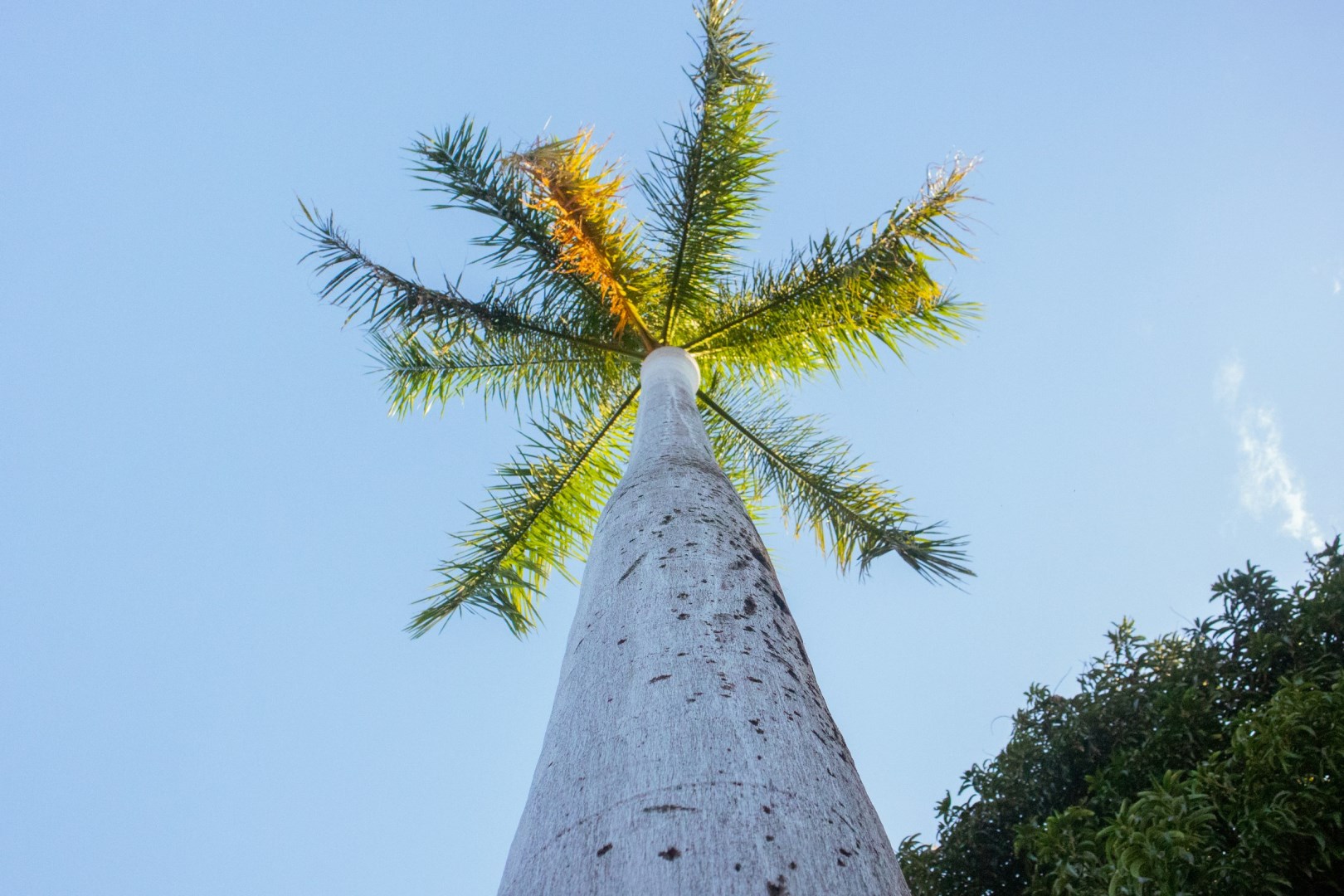
Managua
While an earthquake in 1972 left few buildings intact in downtown Managua, new areas are building up. Managua has excellent restaurants, nice hotels, and is a good base for day tours into the countryside.
