

Spain
Spain offers a wide range of experiences shaped by centuries of layered history and regional diversity. From the Moorish palaces of Andalusia to the Roman aqueduct in Segovia and the Gaudí-designed landmarks of Barcelona, each city reflects a different chapter in Spain’s past. In Granada, the Alhambra still stands as a masterpiece of Islamic architecture, with detailed carvings, hidden courtyards, and panoramic views of the Sierra Nevada mountains.
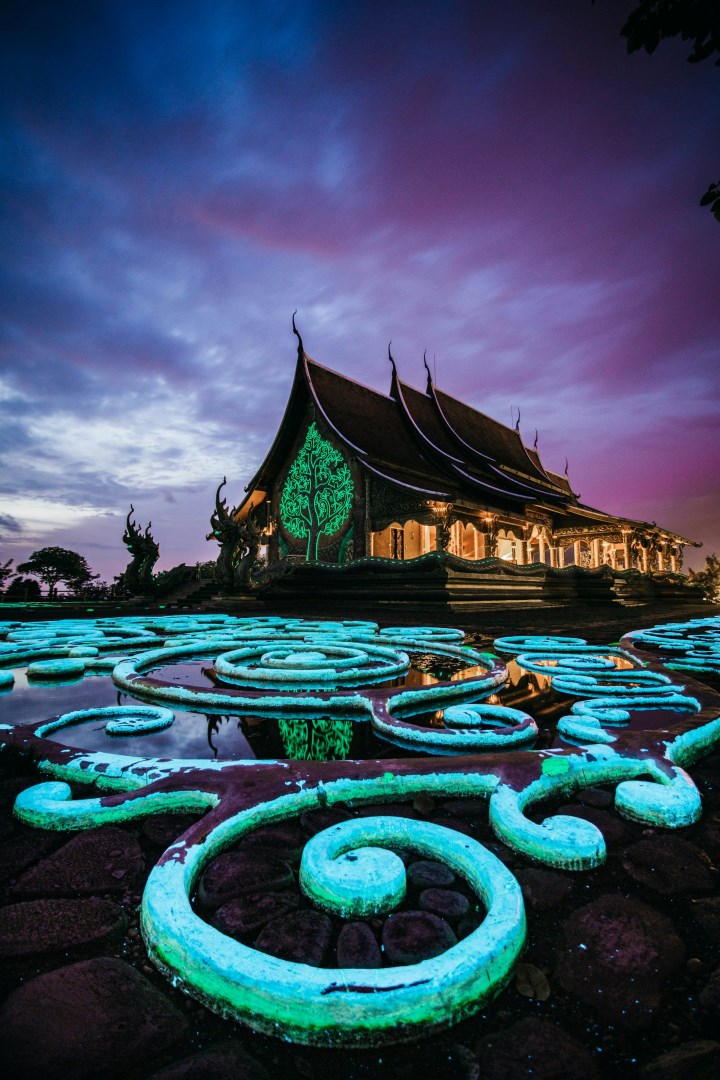
Chong Mek
Chong Mek is a small border town in Sirindhorn District of Ubon Ratchathani Province in northeastern Thailand, situated near the crossing into Laos. Its location at the edge of the Dong Phayayen–Khao Yai forest region and close to the Mekong basin gives the area a mix of wooded hills, agricultural land, and cross-border commerce.
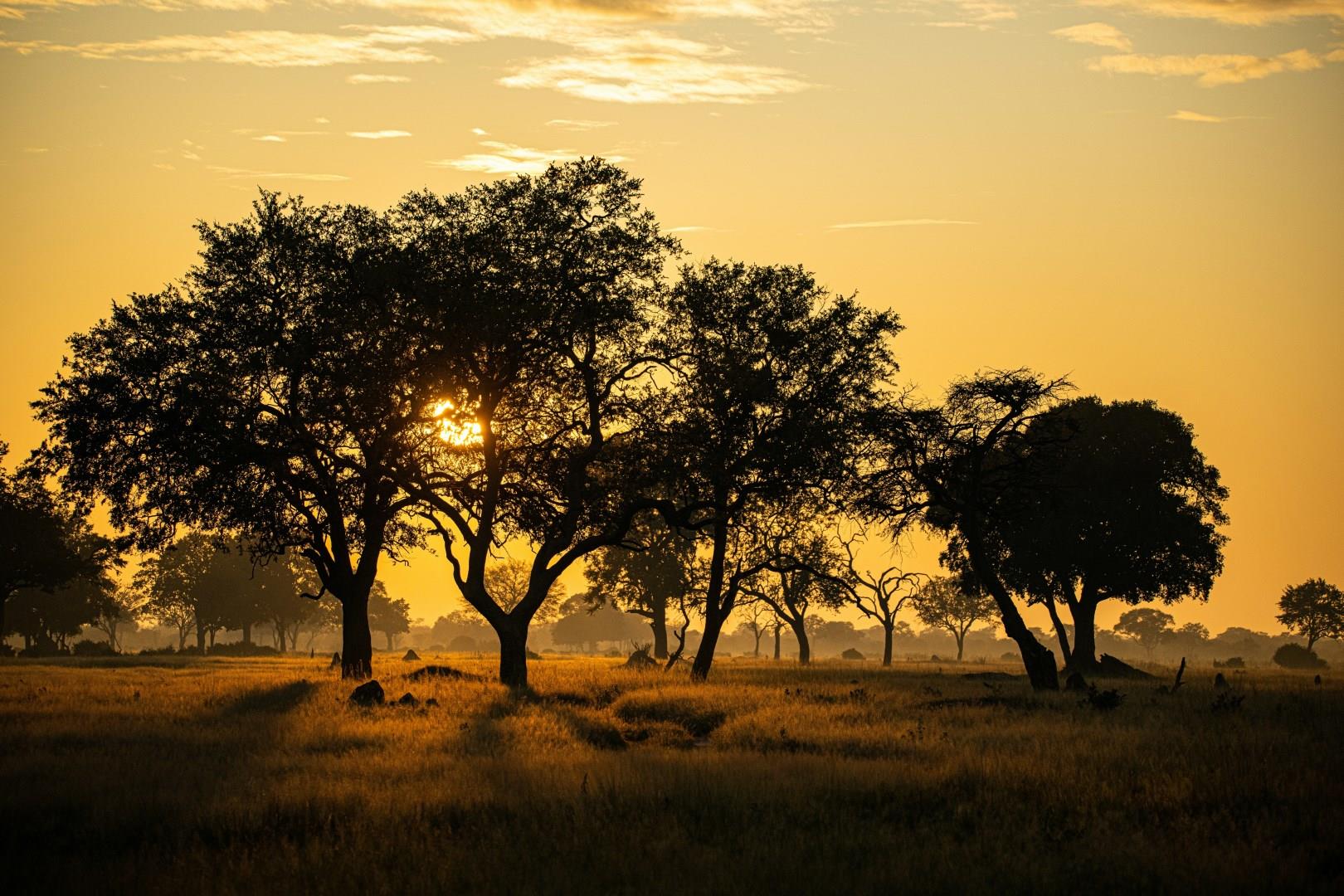
Hwange National Park
Hwange National Park, located in western Zimbabwe, is the country’s largest protected area and one of Africa’s premier wildlife reserves. Covering more than 14,600 square kilometers, it is renowned for its extraordinary diversity of animals and habitats.
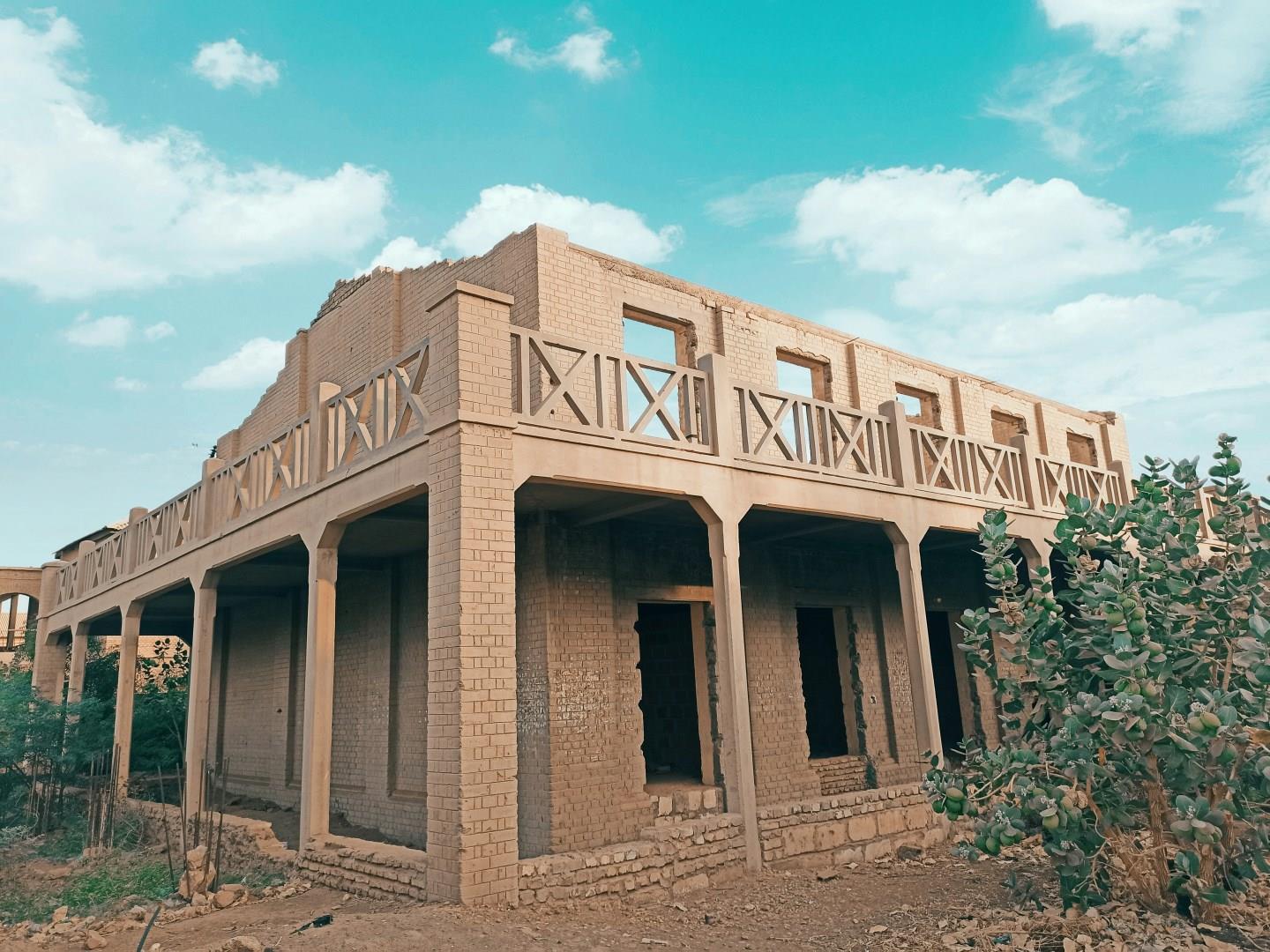
Sudan
Sudan, located in northeastern Africa, is a country of diverse landscapes, from the vast Sahara Desert in the north to the fertile Nile Valley in the center. The Nile River, one of the world’s longest, runs through the country, shaping both its agriculture and history.
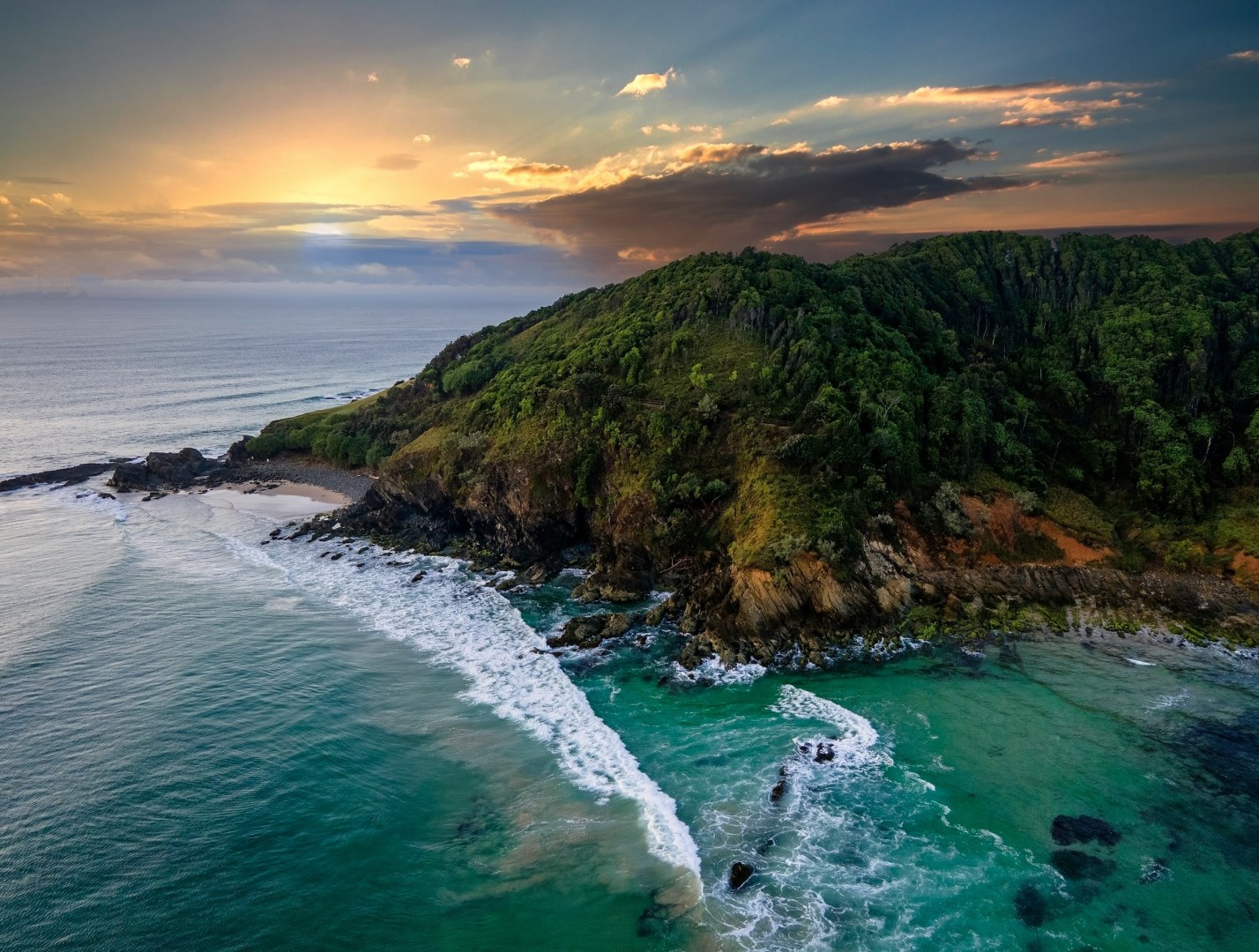
Byron Bay
Byron Bay lies on the far north coast of New South Wales, Australia, where wide beaches meet the deep blue Pacific and the point of land known as Cape Byron marks the easternmost tip of the mainland. Standing tall above the coastline, the Cape Byron Lighthouse has guided ships since 1901 and now greets walkers and sightseers who take the scenic cliff-top path for views stretching toward whales during their migration season.
