
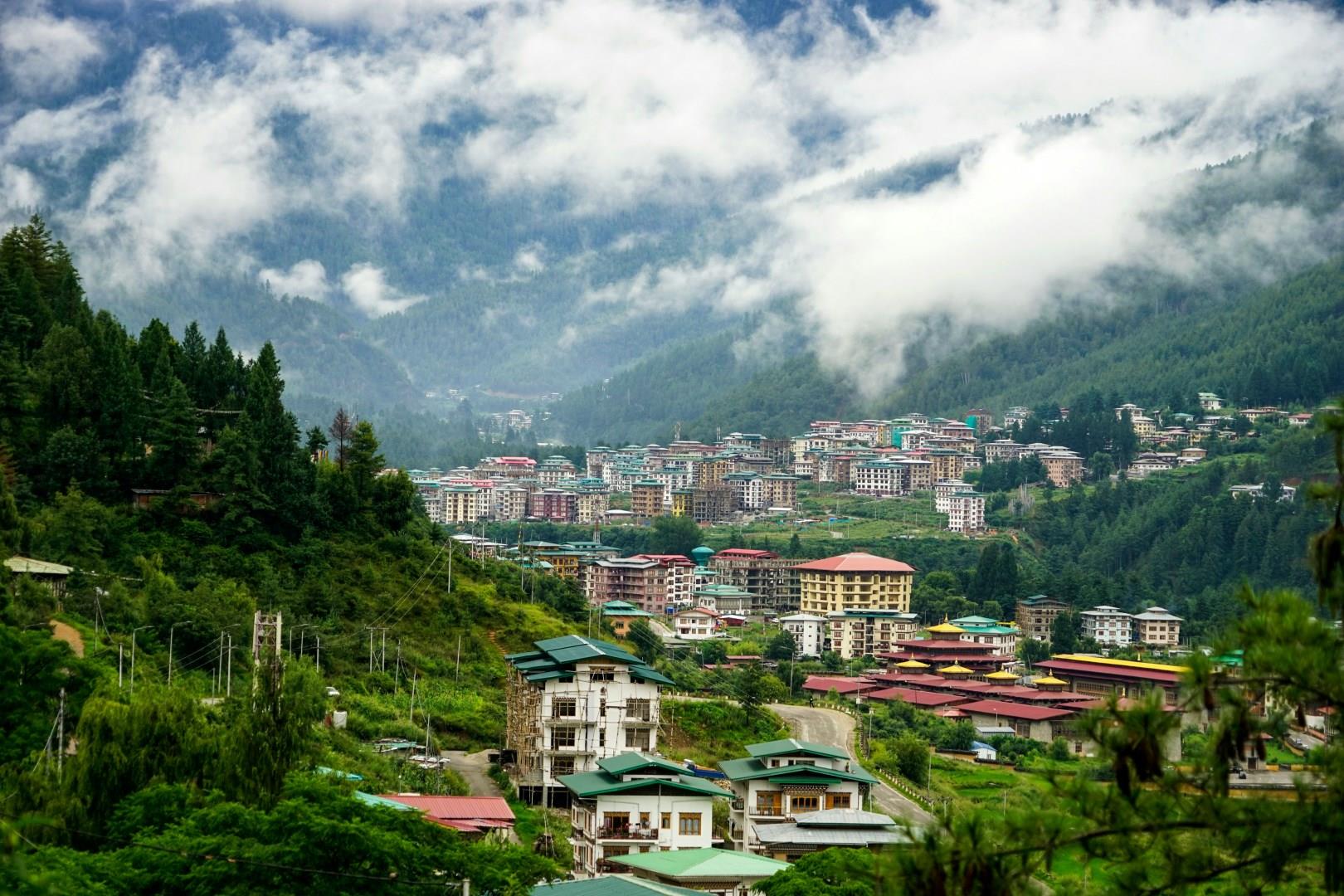
Thimpu
Thimphu, the capital of Bhutan, is a city where tradition and modern life meet in unexpected ways. Streets are lined with traditional Bhutanese architecture, colorful prayer flags, and shops selling handicrafts, while government offices and modern facilities operate alongside centuries-old temples.
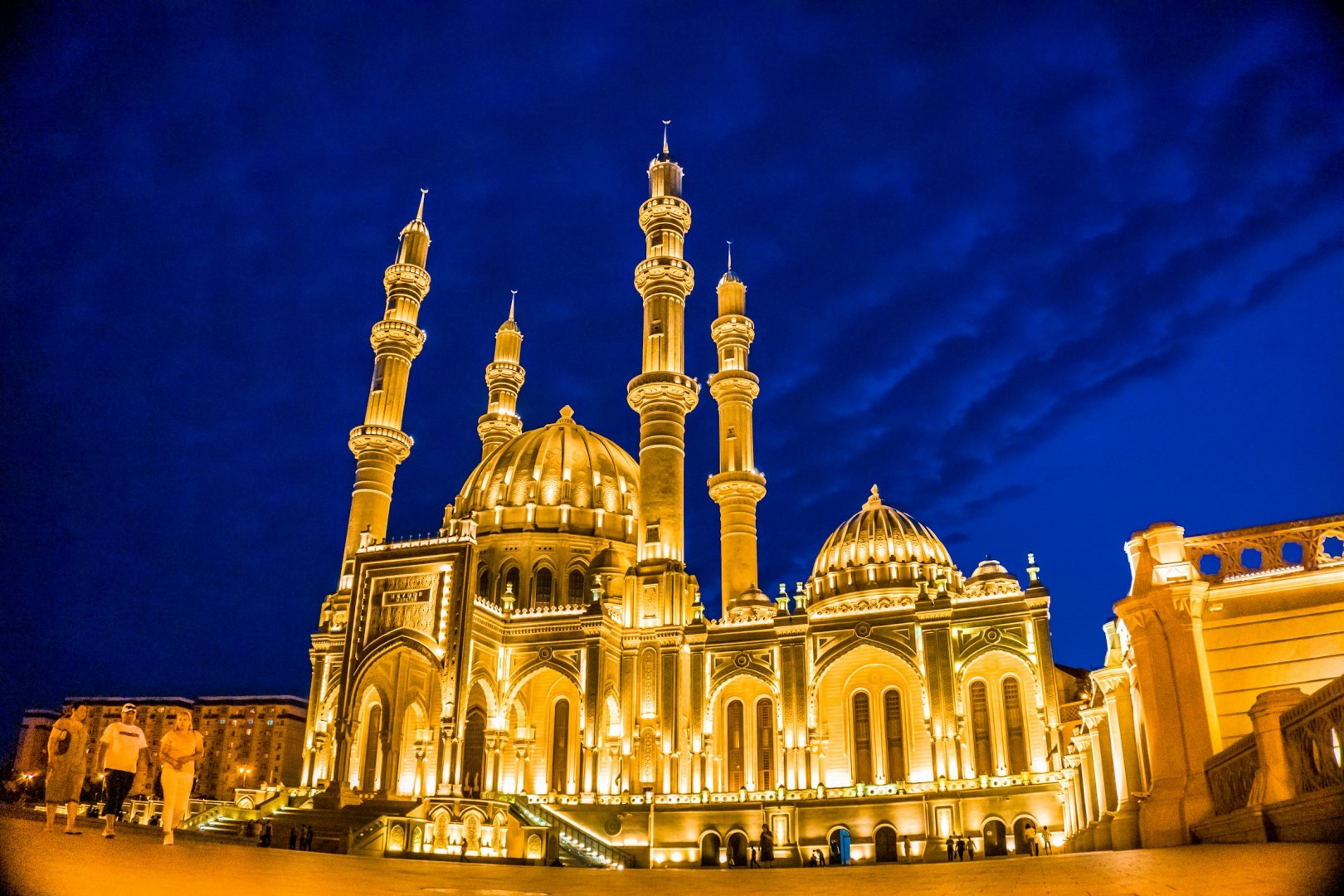
Baku
Baku, the capital of Azerbaijan, rises on the shores of the Caspian Sea as a city of striking contrasts. Its futuristic skyline, defined by the Flame Towers, glows each evening in waves of light, while the UNESCO-listed Old City preserves centuries of history within its fortified walls.
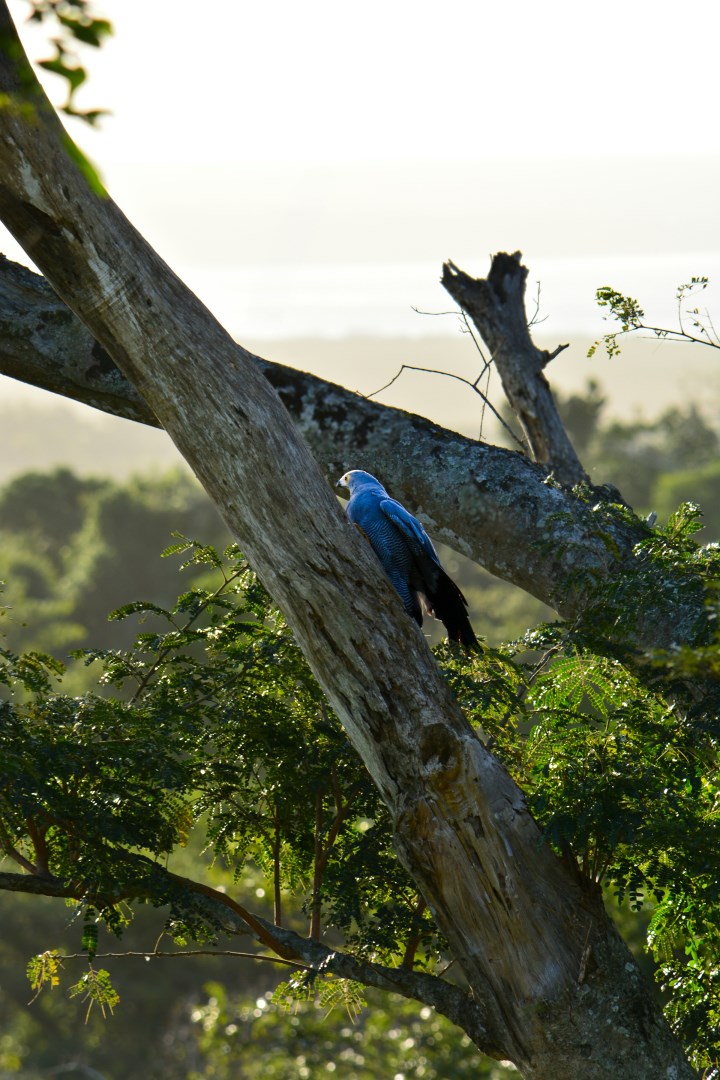
St. Lucia
St Lucia is a small coastal town in northern KwaZulu-Natal, positioned beside the St Lucia Estuary and within the iSimangaliso Wetland Park. The town is surrounded by a landscape of wetlands, coastal forests, grasslands, dunes, lakes, and the Indian Ocean. Its location makes it a base for exploring one of South Africa’s most diverse protected areas, where freshwater and marine environments occur close together.
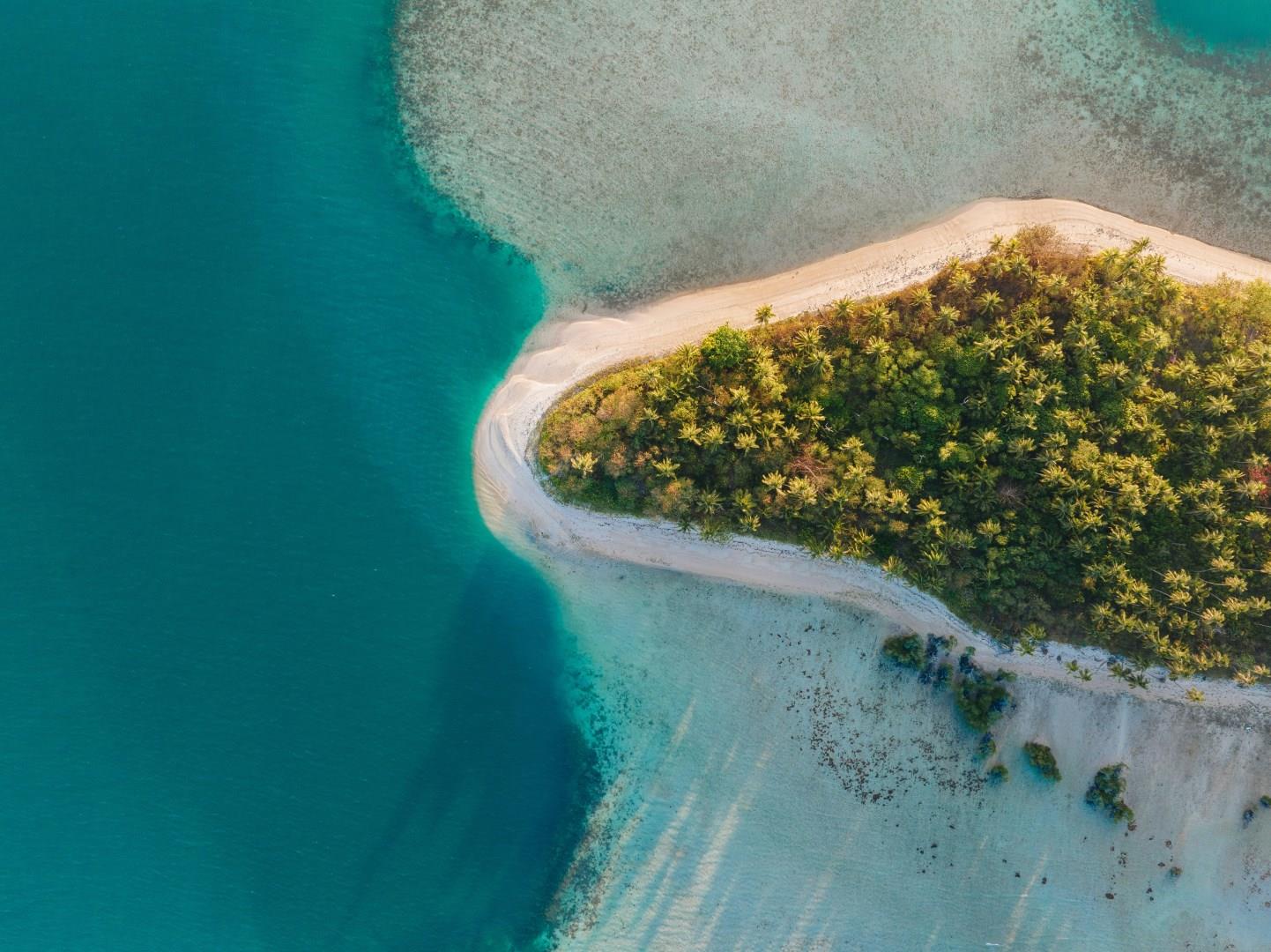
Palawan Island
Palawan Island stretches along the western edge of the Philippines, shaped by seafaring routes, Indigenous cultures, and relative isolation from the country’s major urban centers.
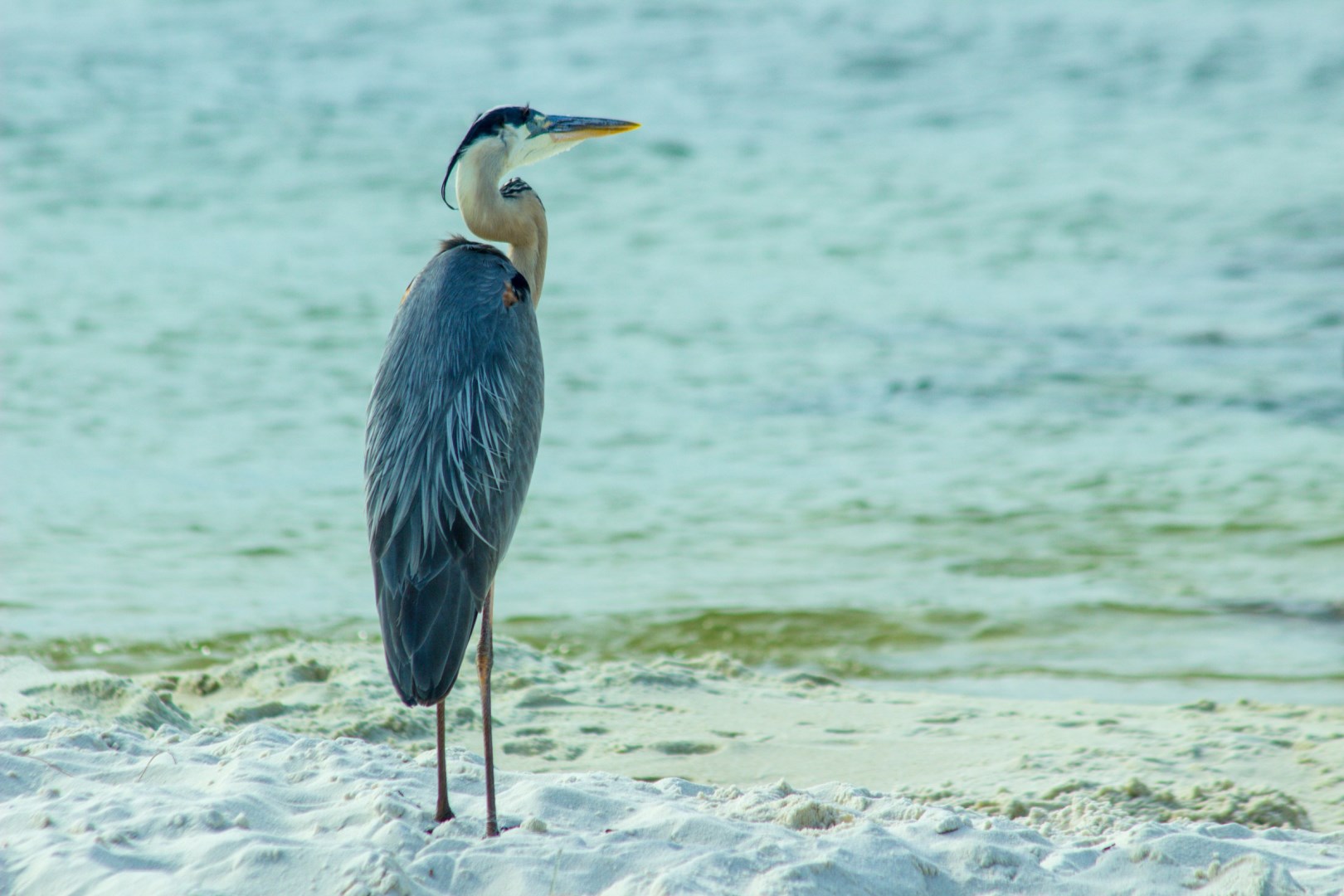
Pensacola
Pensacola is a coastal city in Florida’s western Panhandle, situated around Pensacola Bay near the Gulf of Mexico. Its deep natural harbor has shaped the city’s identity as a port, naval centre, and coastal community. Downtown Pensacola contains historic streets, museums, restaurants, and public squares, while Pensacola Beach lies across the bay on Santa Rosa Island. The city is also closely associated with naval aviation, earning recognition as the “Cradle of Naval Aviation.”
