
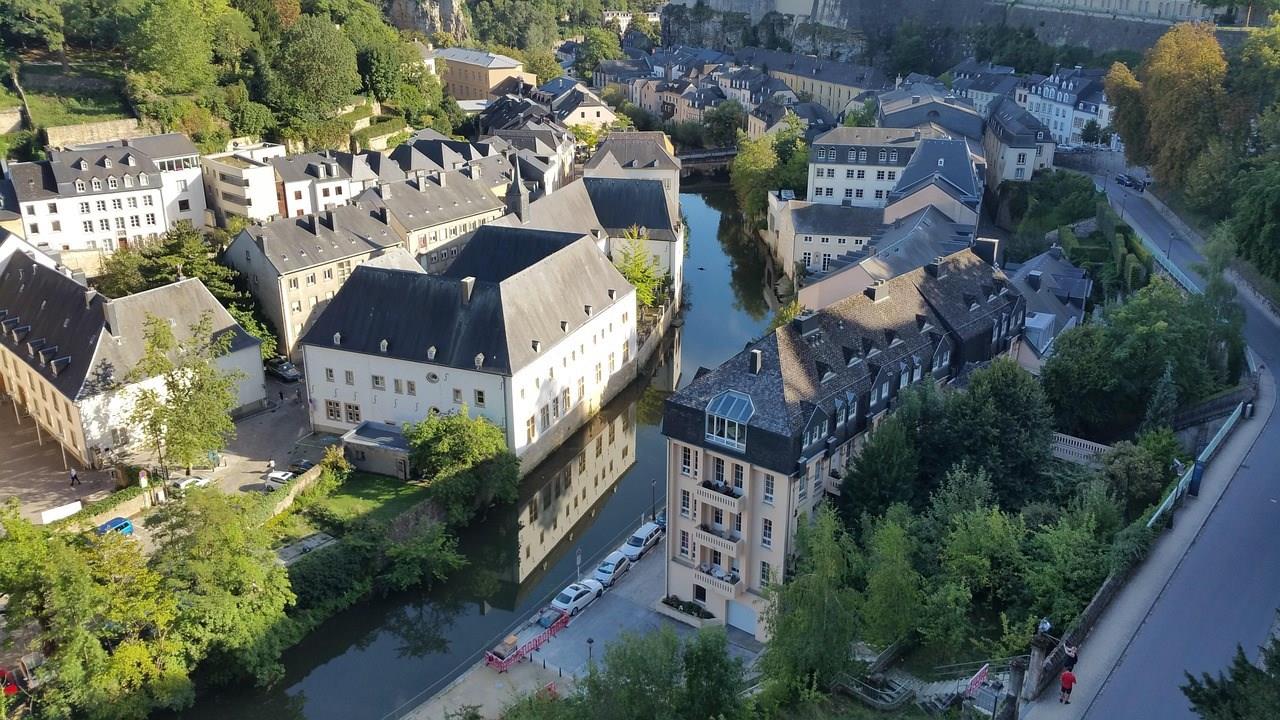
Luxembourg
Luxembourg, a small yet influential country in the heart of Europe, offers visitors a rich blend of historic sites and contemporary culture. The capital city, Luxembourg City, is famous for its dramatic cliffs and ancient fortifications that have earned it a UNESCO World Heritage status. Walking through the old quarters, visitors can explore the casemates that reveal layers of the city’s military past.
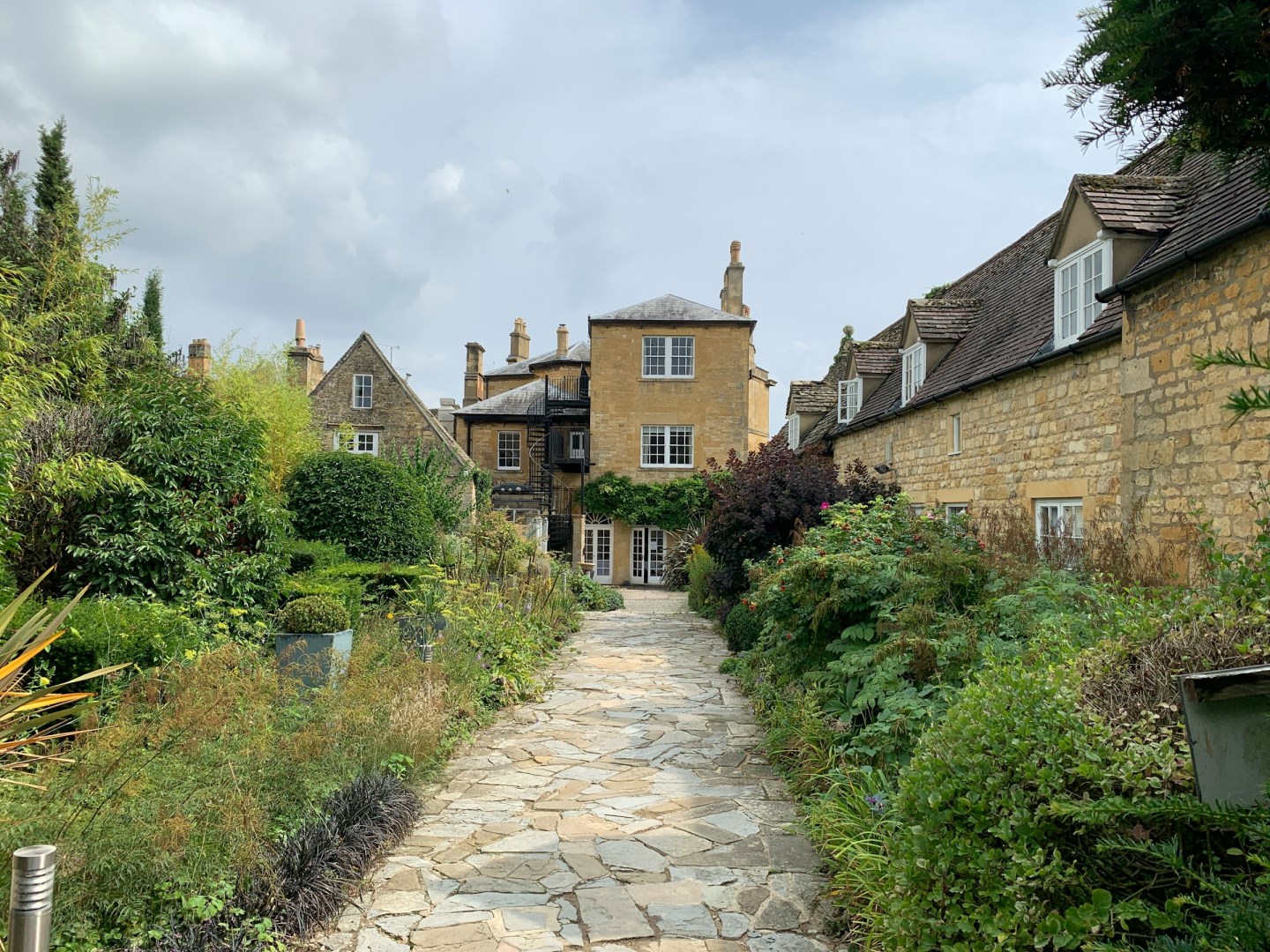
Chipping Campden
Chipping Campden is a historic market town in the Cotswolds of Gloucestershire, surrounded by gently rolling farmland and limestone villages. Its main street is lined with honey-colored stone buildings, many dating from the medieval and early modern periods, giving the town a distinctive architectural character. The Market Hall, built as a shelter for local traders, is one of its best-known landmarks.
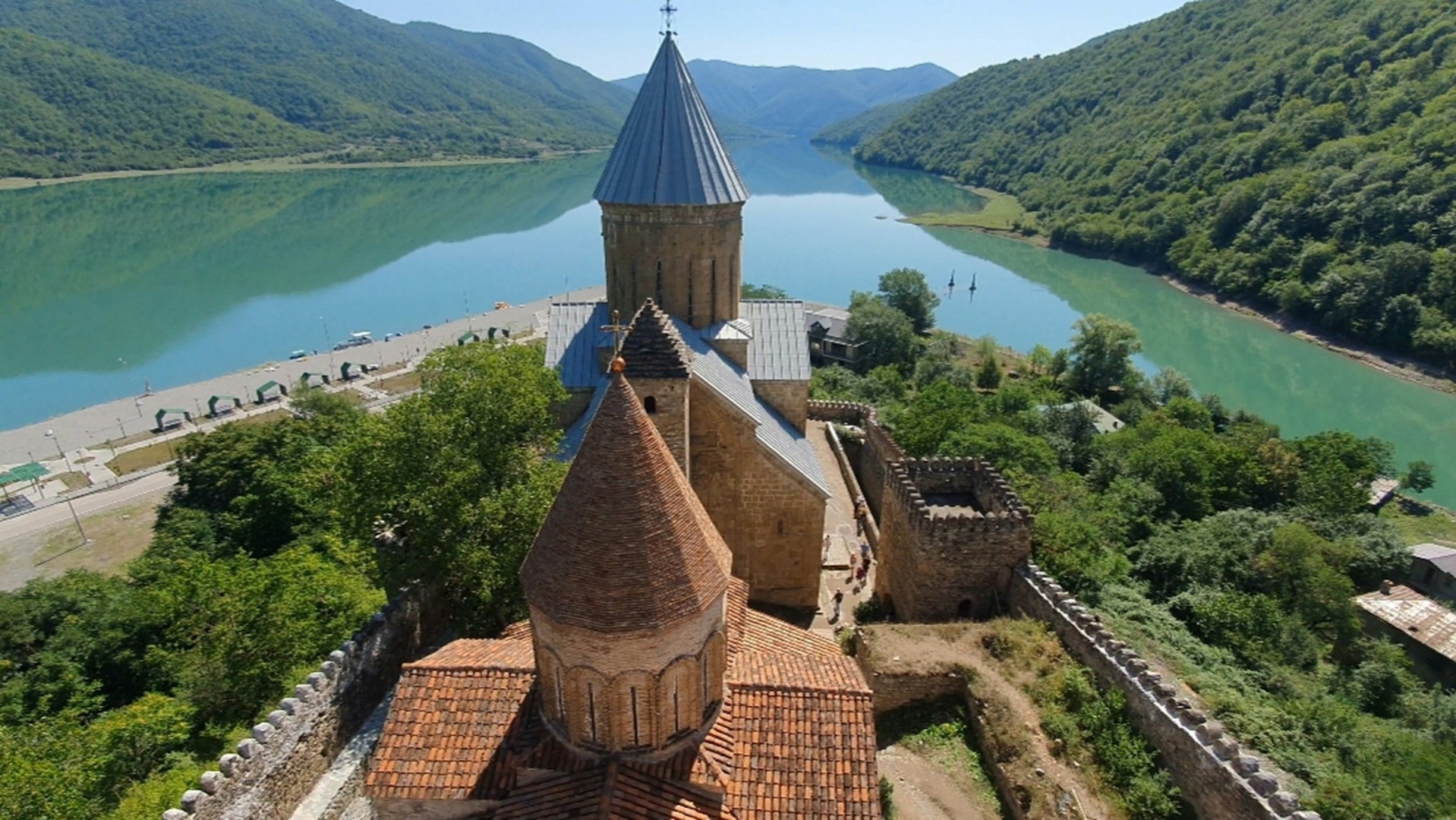
Ananuri
Ananuri is a historic fortified complex in northern Georgia, set beside the Zhinvali Reservoir on the Aragvi River. Its stone walls, towers, churches, and defensive structures rise above the reservoir and the surrounding wooded mountains, creating one of the most recognizable historic landscapes along the Georgian Military Highway.
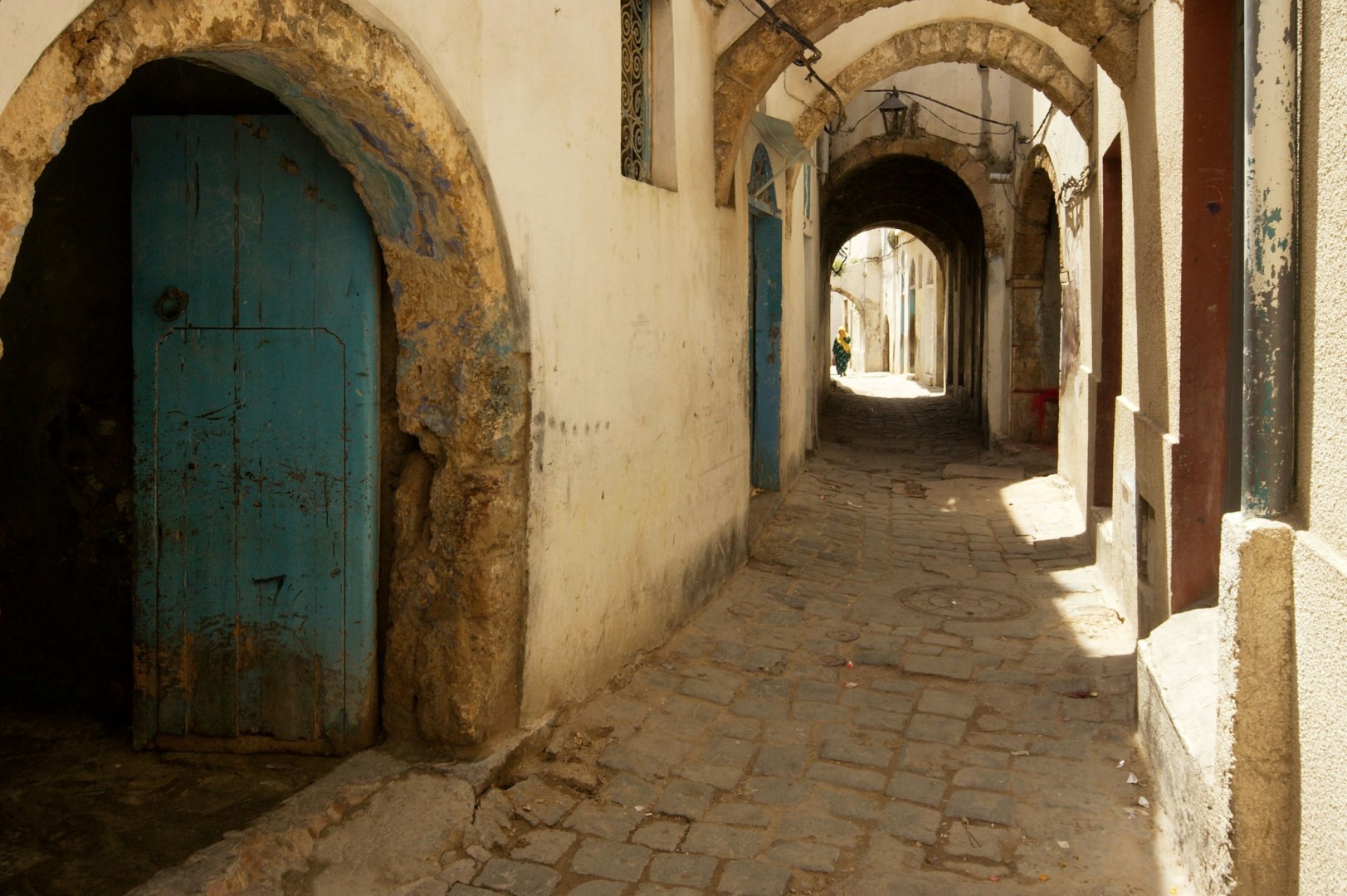
Bizerte
Bizerte is a coastal city in northern Tunisia, situated on the Mediterranean Sea around a lagoon and a network of canals connecting the city with Lake Bizerte. It is known for its working fishing harbour, historic waterfront, and proximity to some of northern Tunisia’s most important natural areas.

Chiconi
Chiconi is a coastal commune on the western side of Grande-Terre, the main island of Mayotte. It faces the island’s broad lagoon and includes the neighboring village of Sohoa, with the coastline shaped by beaches, mangroves, and sheltered bays. Chiconi has a strong connection to fishing and maritime activity, while its location provides views across the lagoon toward nearby islands.
