
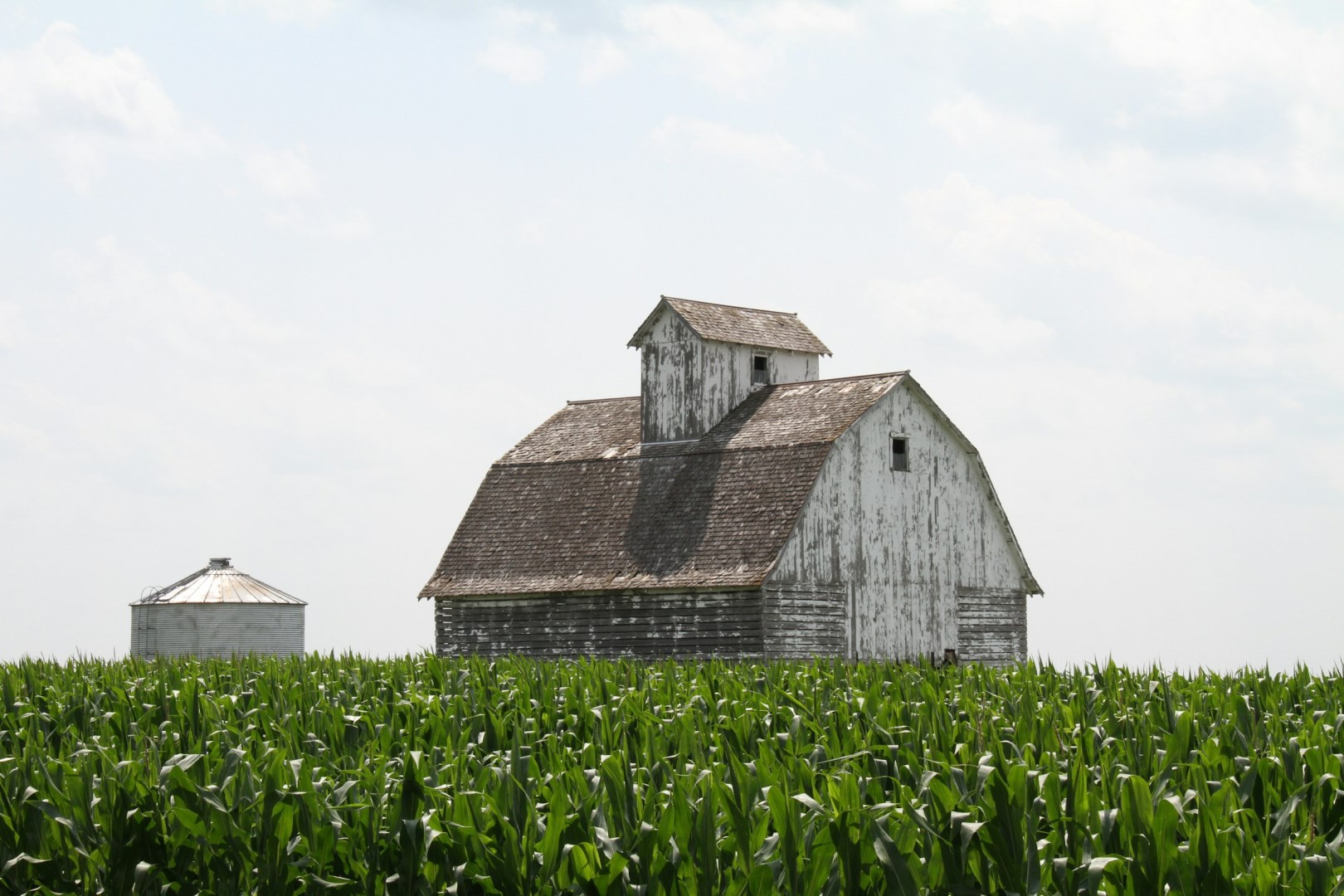
Iowa
Iowa, often overshadowed by its larger neighbors, offers a delightful array of attractions for visitors seeking a blend of natural beauty and cultural experiences. Des Moines, the state capital, is a vibrant hub with something for everyone. The Pappajohn Sculpture Park showcases large-scale works by renowned artists, set against the backdrop of downtown’s skyline. Nearby, the Science Center of Iowa engages visitors with interactive exhibits and an impressive IMAX theater.
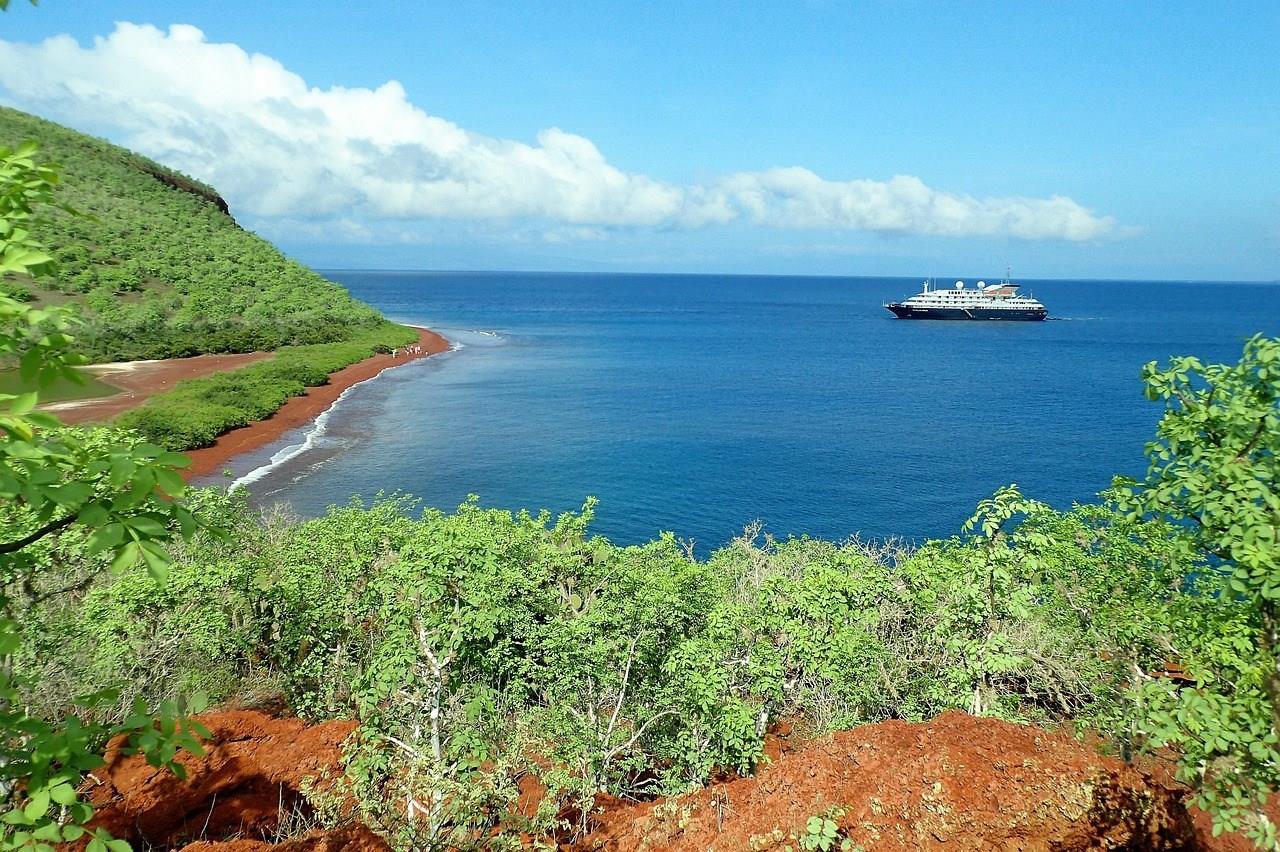
Rabida Island
Rábida Island is one of the most visually striking islands in the Galápagos, known for its deep red volcanic shoreline and quiet, unspoiled atmosphere. Located near the center of the archipelago, the island is geologically young, with iron-rich lava giving its beaches a dramatic rust-colored hue.
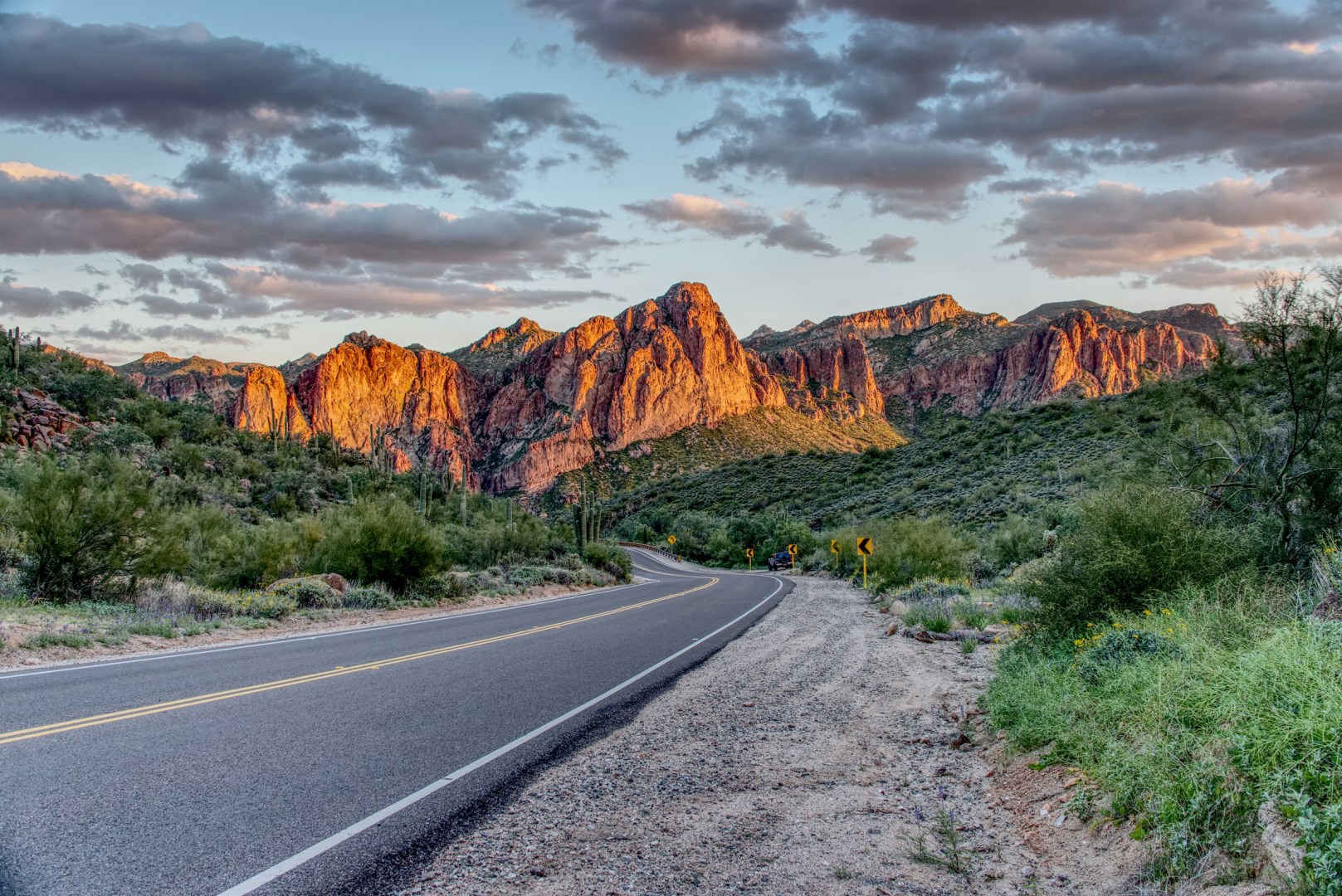
Mesa
Mesa is a city in Maricopa County in the East Valley of the Phoenix metropolitan area, set against the Sonoran Desert and the lower slopes of the Superstition Mountains. Its landscape combines developed neighborhoods with desert parks, citrus groves, canals, and broad mountain views. Mesa has grown into one of Arizona’s larger cities while retaining connections to agriculture and the Salt River Valley.

Makarska
Makarska, nestled along the stunning Dalmatian Coast of Croatia, is a gem that blends natural beauty with vibrant culture. The town is renowned for its picturesque setting between the Biokovo Mountain range and the azure waters of the Adriatic Sea. The Makarska Riviera boasts some of Croatia's most beautiful beaches, such as Punta Rata, known for its fine pebbles and crystal-clear water.
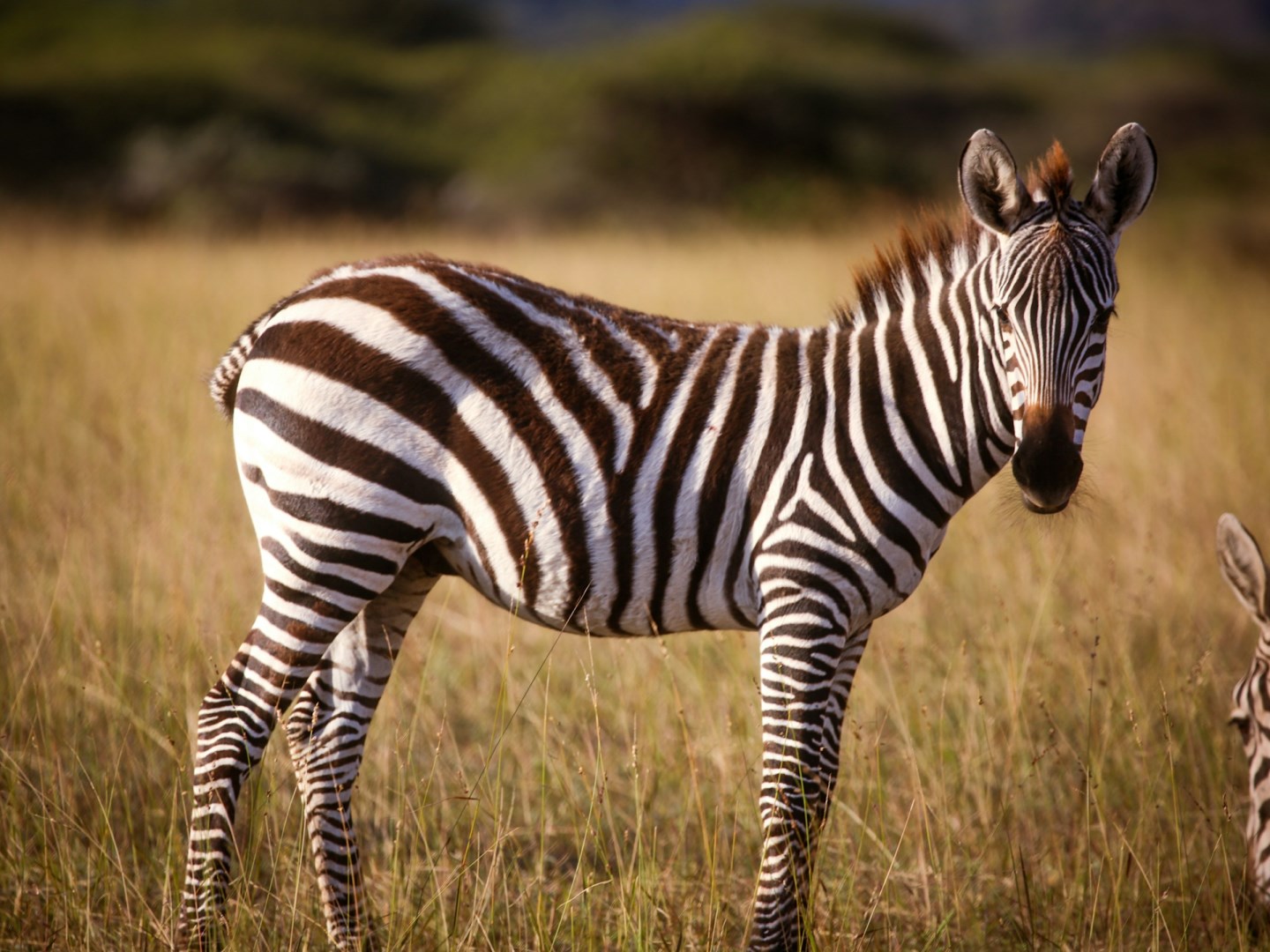
Chyulu Hills National Park
Chyulu Hills National Park lies in southeastern Kenya between Amboseli and Tsavo, forming a long range of volcanic hills covered by grassland, shrubland, and patches of montane forest. The hills rise from the surrounding plains and are shaped by relatively recent volcanic activity, with lava flows, cones, caves, and other geological features visible across the landscape.
