
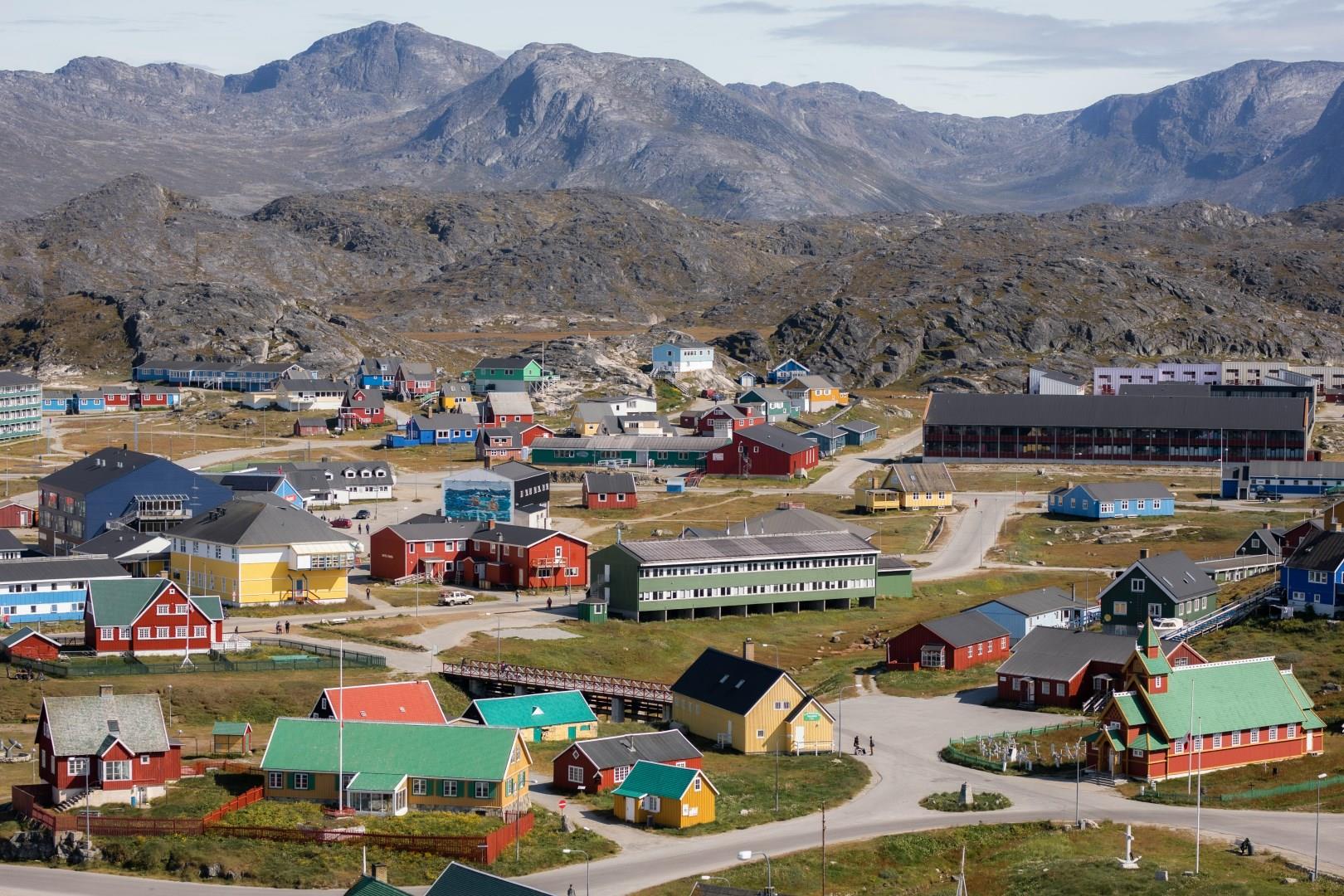
Paamiut
Paamiut lies on Greenland’s southwest coast, where the Labrador Sea meets a rocky, fjord-cut shoreline. Established in the 18th century as a Danish trading post and mission, the town developed around fishing and sealing, activities that continue to shape daily life.

Pigeon Forge
Nestled in the heart of the Smoky Mountains, Pigeon Forge, Tennessee, is a charming destination that combines natural beauty with family-friendly attractions. This small town, known for its close proximity to the Great Smoky Mountains National Park, offers visitors an array of outdoor adventures, including hiking, fishing, and wildlife viewing.
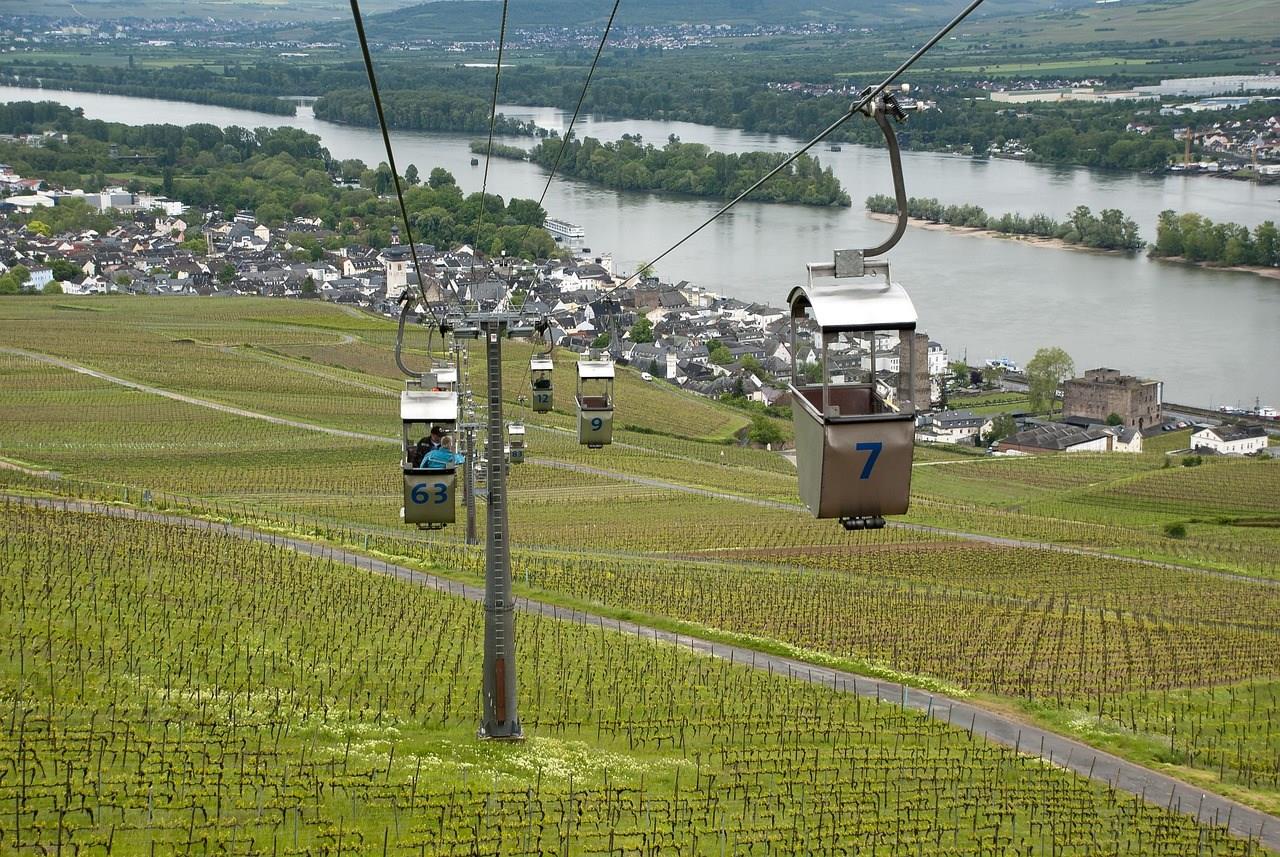
Rüdesheim
This city in the Rhine Gorge is known for its winemaking, dramatic landscapes and 15-minute cable car ride to the Niederwald Monument (celebrating the German victory over France in 1871).
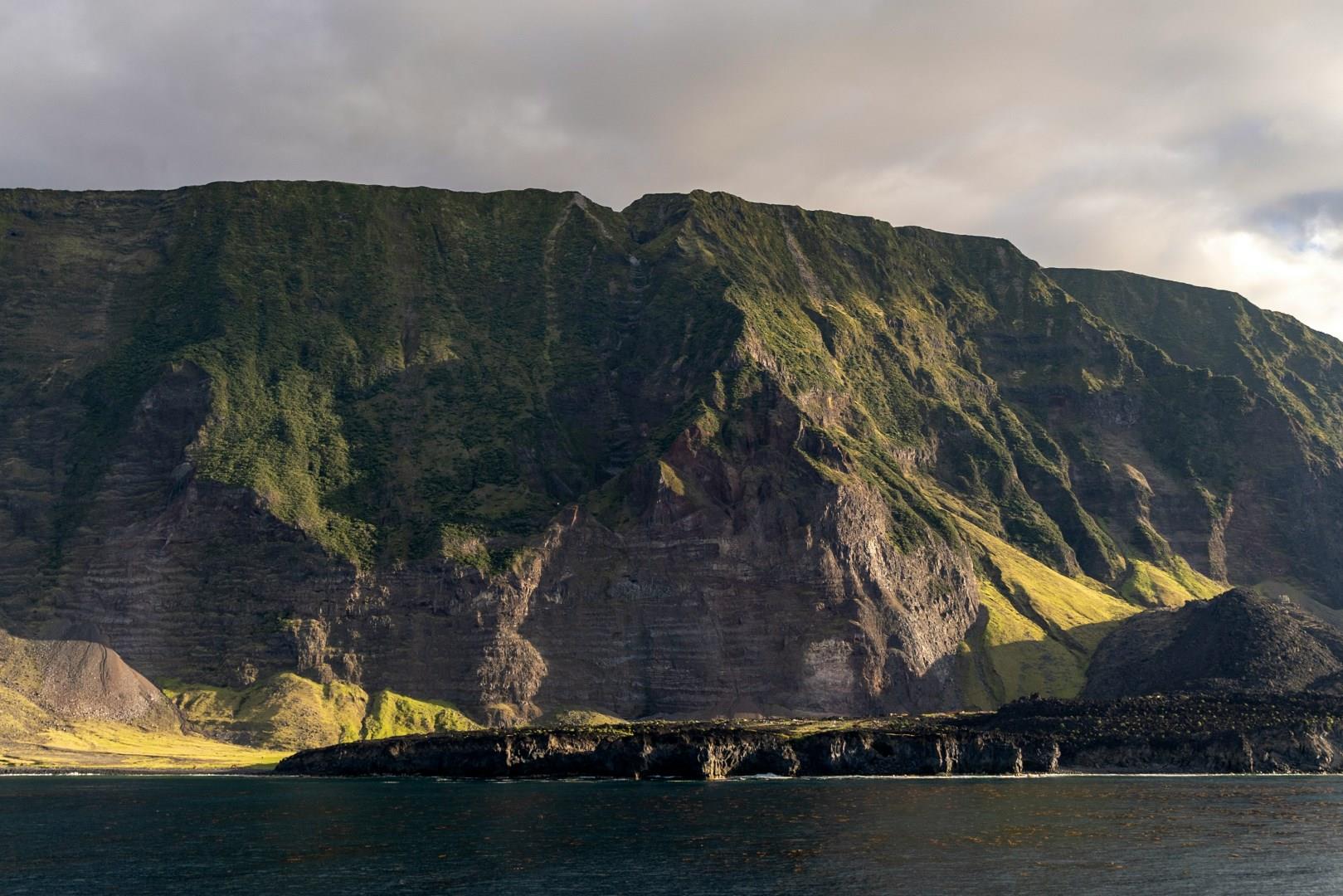
St. Helena
St. Helena is a remote island in the South Atlantic Ocean, known for its dramatic cliffs, volcanic landscapes, and rich history. It is most famous as the place where Napoleon Bonaparte spent his final years in exile, and visitors can explore Longwood House and other historic sites that tell the story of this period.
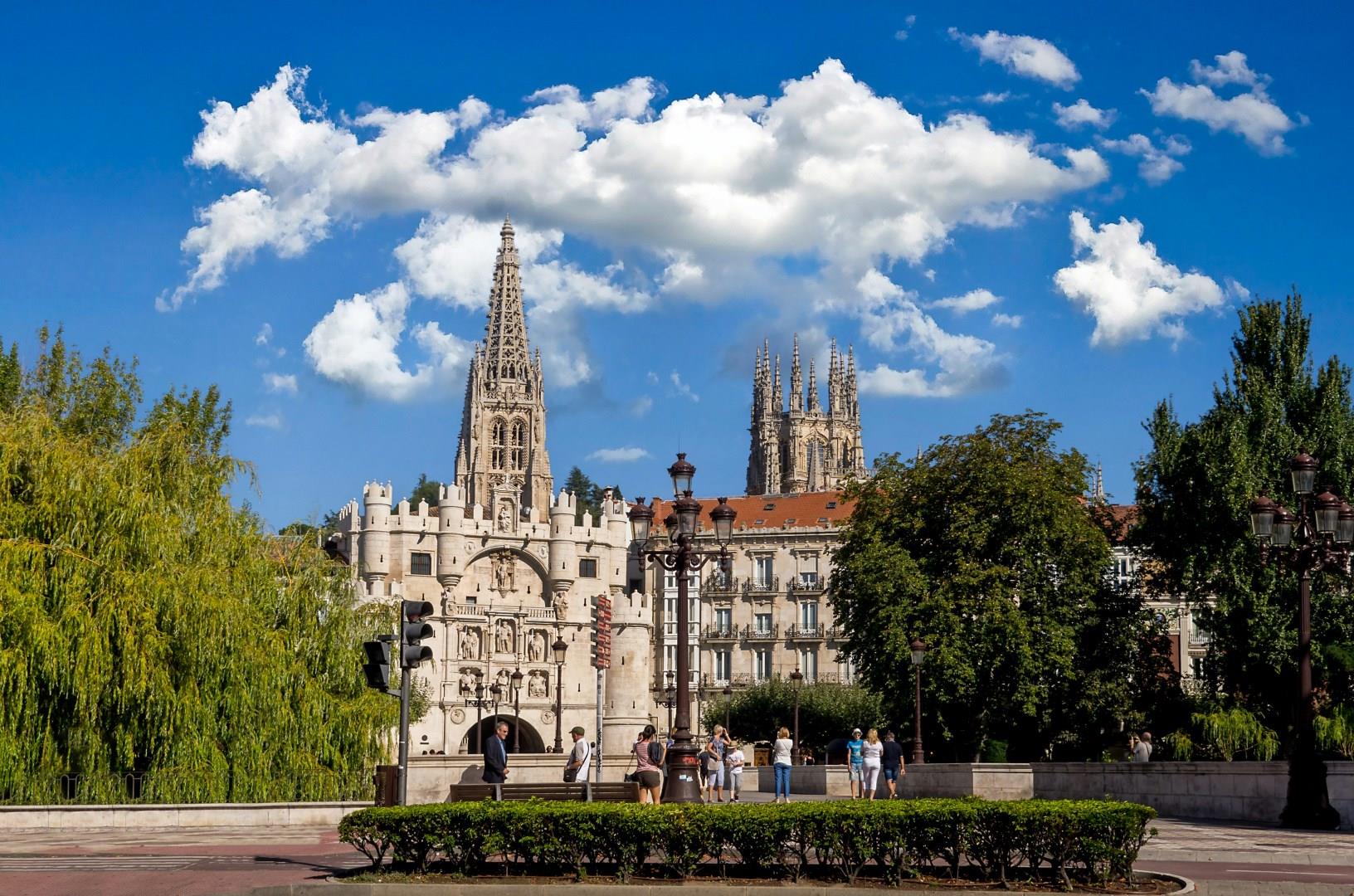
Burgos
Burgos, located in northern Spain, is a city where medieval heritage is still part of daily life. At its heart stands the Burgos Cathedral, a UNESCO World Heritage Site and one of the most striking examples of Gothic architecture in Europe. Construction began in 1221 and continued for over 300 years, resulting in a cathedral that features elaborate spires, stained glass, and the tomb of El Cid, Spain’s legendary military leader.
