
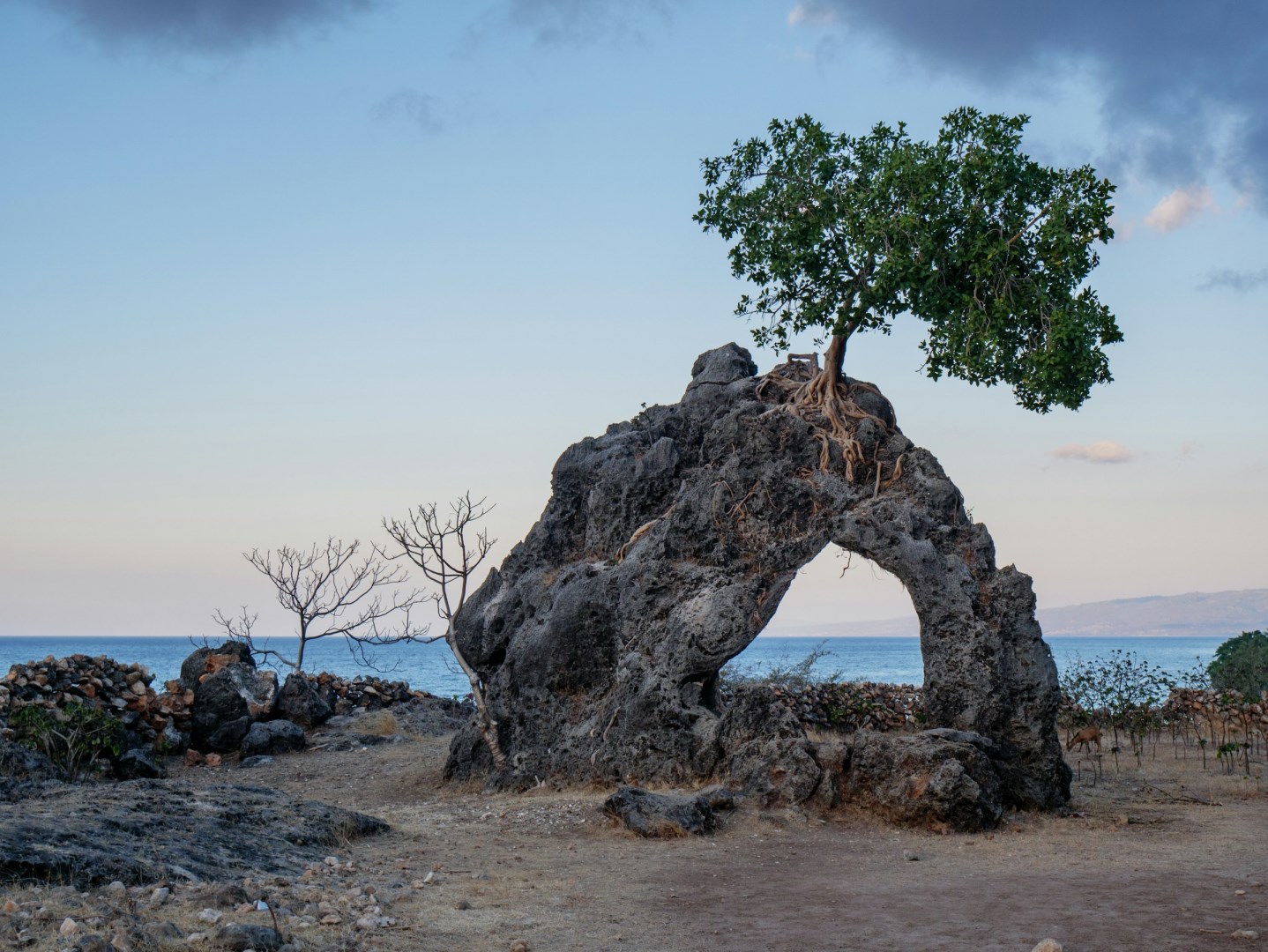
Baucau
Baucau is Timor-Leste's second-largest city, located on the country's north coast on a plateau above the Ombai Strait. The city is surrounded by limestone hills, agricultural land, and tropical vegetation, with a cooler climate than the low-lying coastal plain below. Baucau is divided broadly into the older Vila Nova area and the historic Vila Velha, where colonial-era buildings, churches, and public spaces remain.
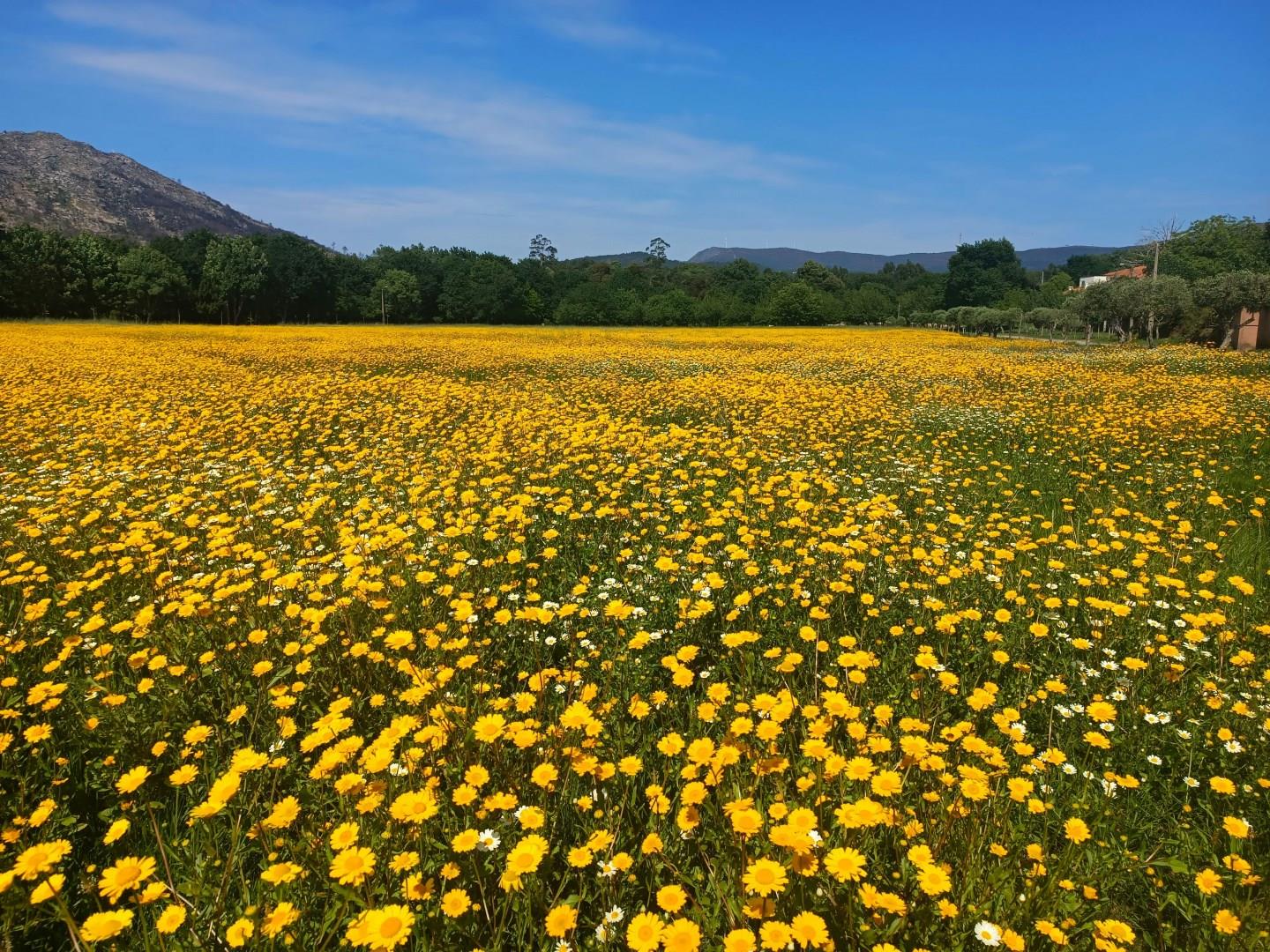
Caminha
Caminha sits at Portugal’s northern edge, where the Minho River meets the Atlantic and marks the border with Spain. Its history is closely tied to defense and trade, visible in remnants of medieval walls and a compact historic center that once guarded the river mouth.

Dominica
Dominica, known as the “Nature Island of the Caribbean,” is a haven for eco-tourists and adventure seekers. Nestled between the French islands of Guadeloupe and Martinique, this lush island boasts a remarkable landscape of volcanic mountains, dense rainforests, and stunning waterfalls. Dominica’s most iconic natural wonder is the Boiling Lake, the second-largest hot spring in the world.
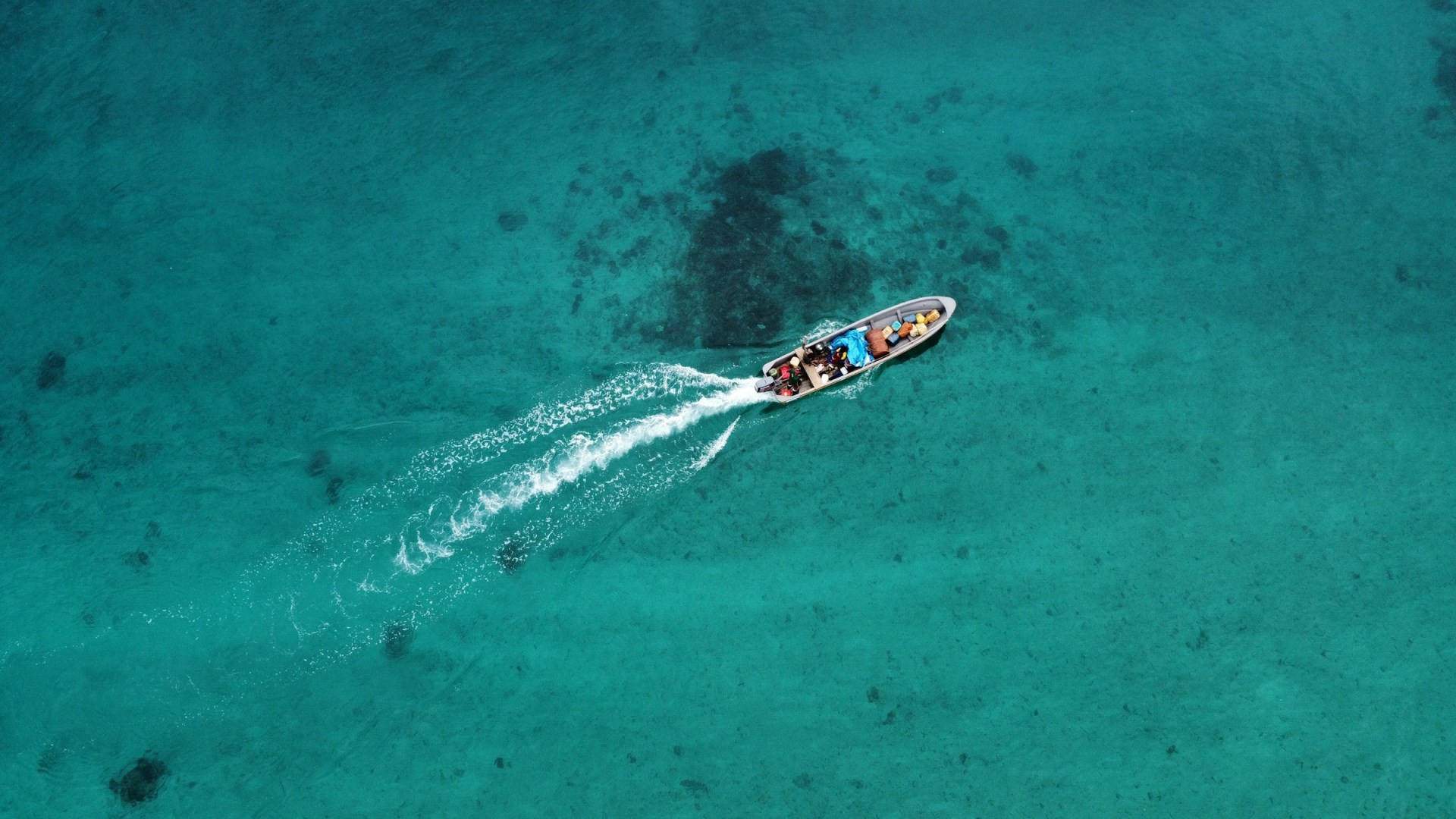
Milne Bay
Milne Bay is a large, island-dotted body of water in southeastern Papua New Guinea and the center of a province with one of the country’s most complex coastal landscapes. The bay extends around the southeastern tip of New Guinea and includes numerous islands, reefs, channels, and sheltered coves.
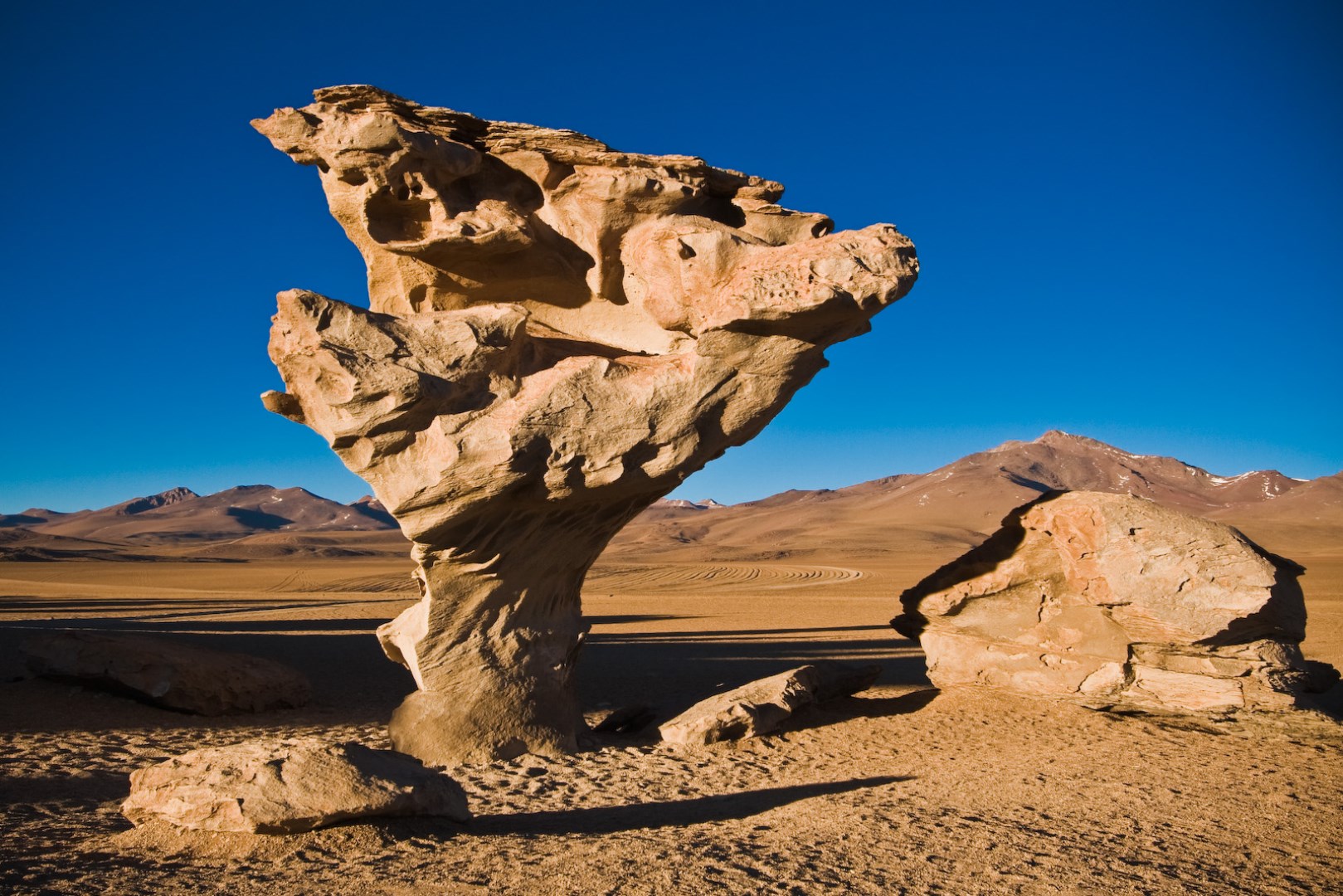
Siloli
Siloli is a remote desert area in southwestern Bolivia, within the Eduardo Avaroa Andean Fauna National Reserve in the Potosí Department. It forms part of the high-altitude landscapes of the southern Altiplano, where volcanic mountains, dry valleys, and expanses of sand and rock dominate the terrain. The area is known for its exceptionally arid conditions and unusual geological formations.
