
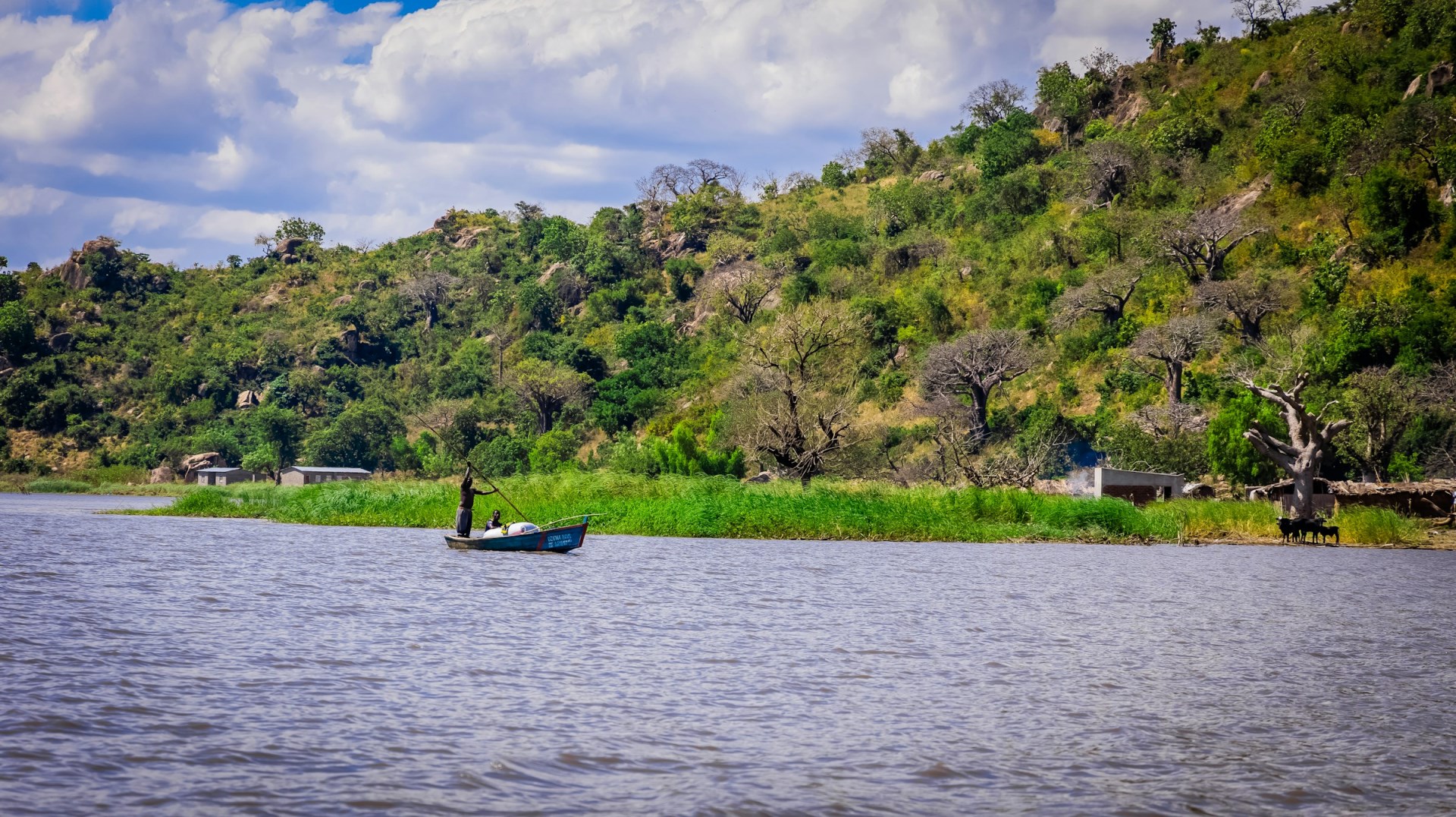
Njalo Island
Njalo Island is a small inhabited island in Lake Chilwa, in southern Malawi’s Phalombe District. Situated in the lake’s open waters, it is part of a wetland landscape shaped by changing water levels, shallow channels, marshes, and seasonal fishing activity. The island is home to a close-knit community whose daily life is closely connected to the lake. Fishing provides an important source of food and income, while boats are essential for transport between the island and mainland communities.
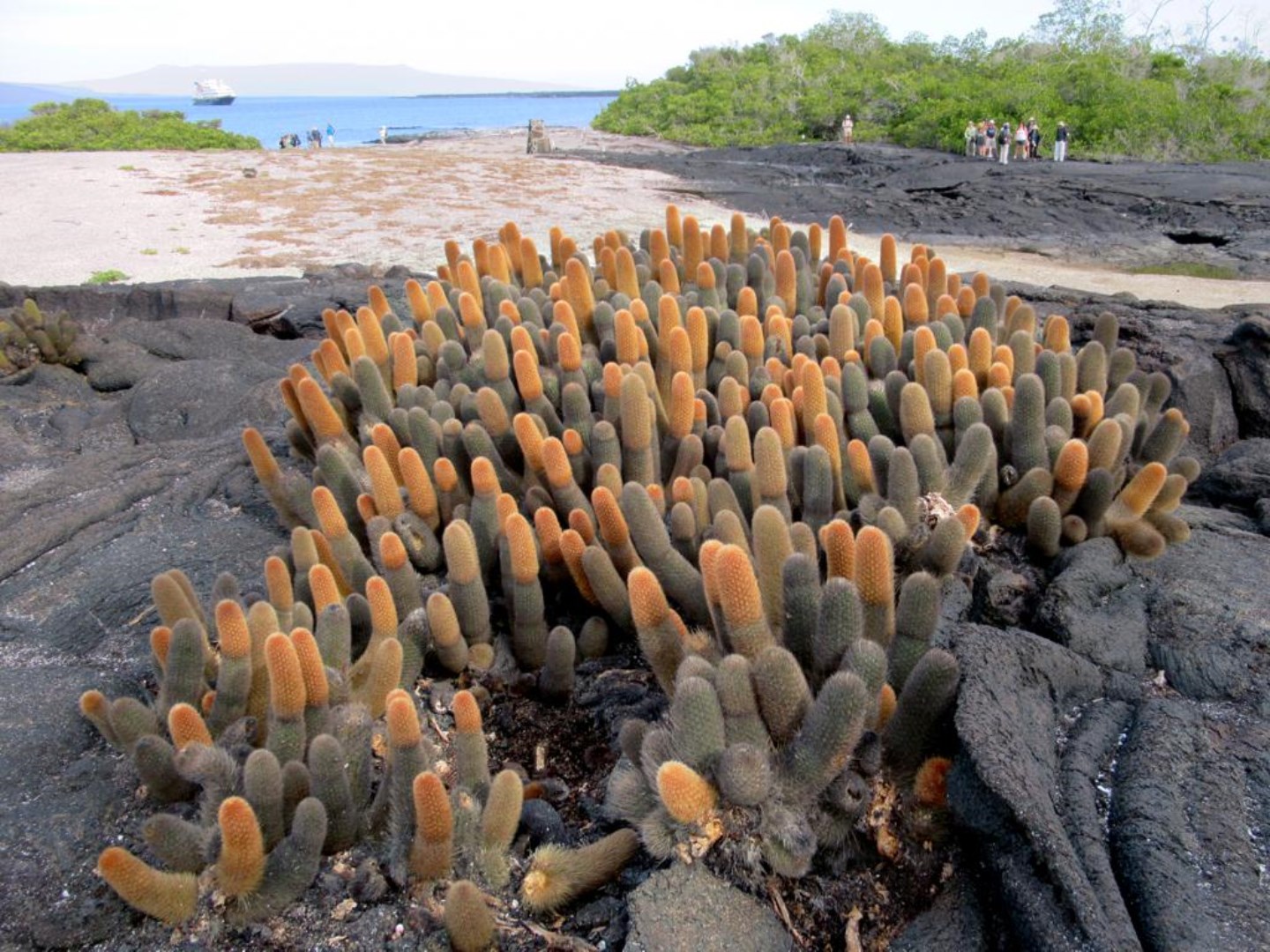
Punta Espinosa
Punta Espinosa is located on Fernandina Island in Ecuador’s Galápagos archipelago, an island shaped by recent volcanic activity and isolated landscapes. The site is known for its dark lava fields, sparse vegetation, and large populations of marine iguanas resting along the shoreline.
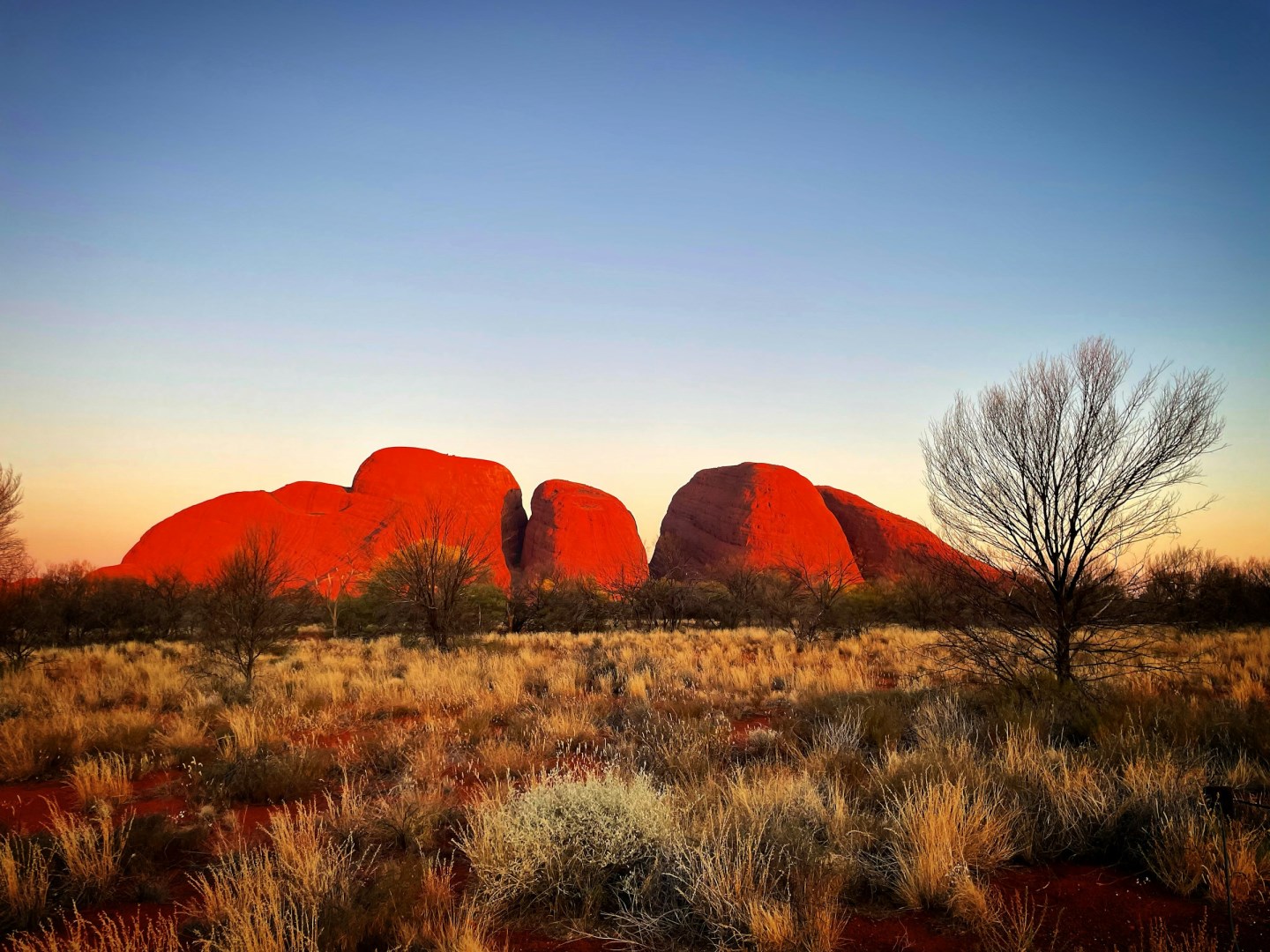
Kata Tjuta
Kata Tjuṯa is a group of large rock domes in the Red Centre of Australia, within Uluṟu-Kata Tjuṯa National Park in the Northern Territory. Located about 40 kilometres west of Uluṟu, the formation rises prominently from the surrounding desert plain and consists of 36 domes spread across a broad area. Its name means “many heads” in the local Aṉangu languages.
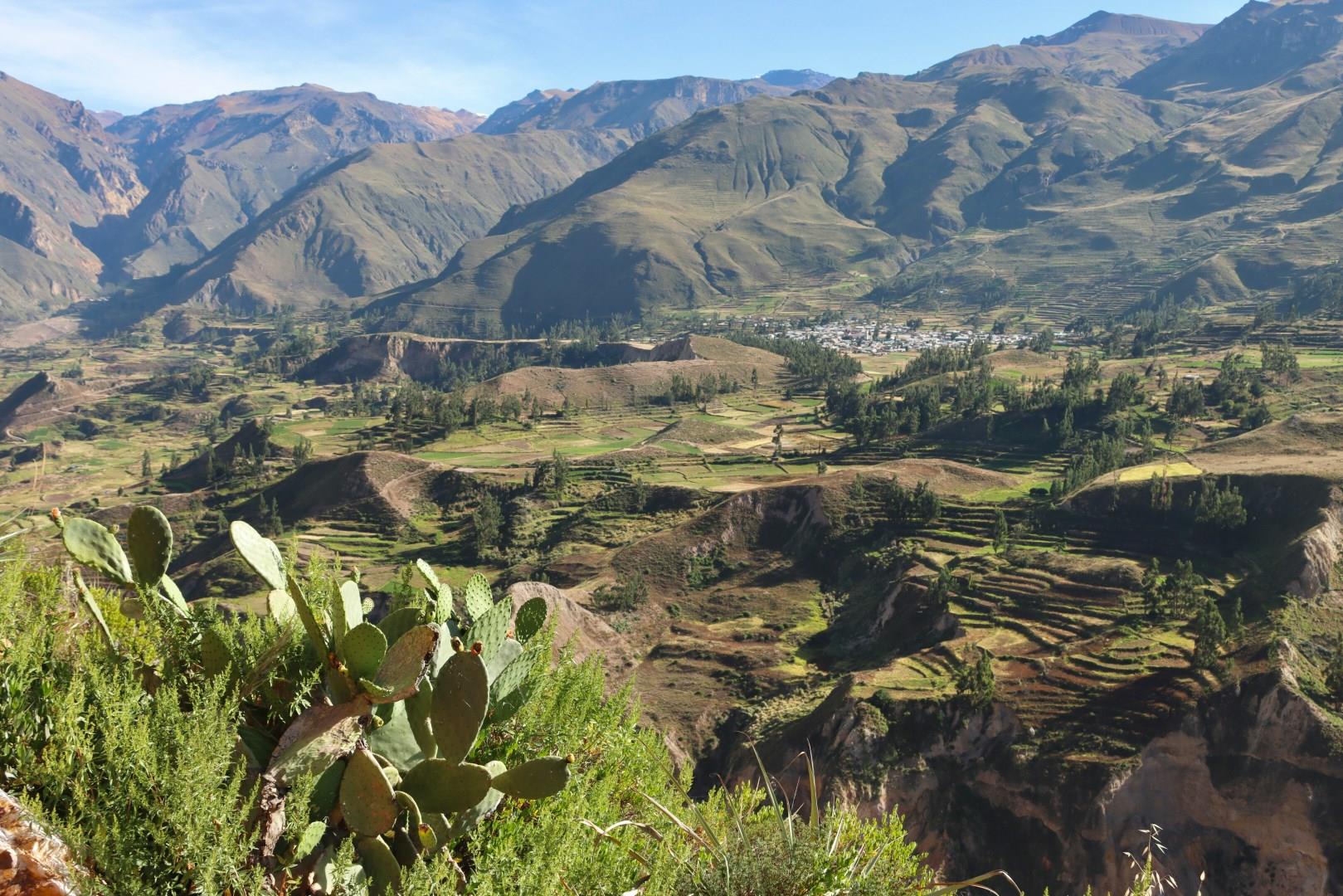
Colca Canyon
Colca Canyon, located in southern Peru’s Arequipa region, is one of the deepest canyons in the world, twice as deep as the Grand Canyon in some areas. What makes it stand out even more is how human settlements have coexisted with the landscape for centuries. Along its walls, pre-Inca agricultural terraces still hold crops like corn and quinoa. One of the main draws of the canyon is the opportunity to see Andean condors in flight.
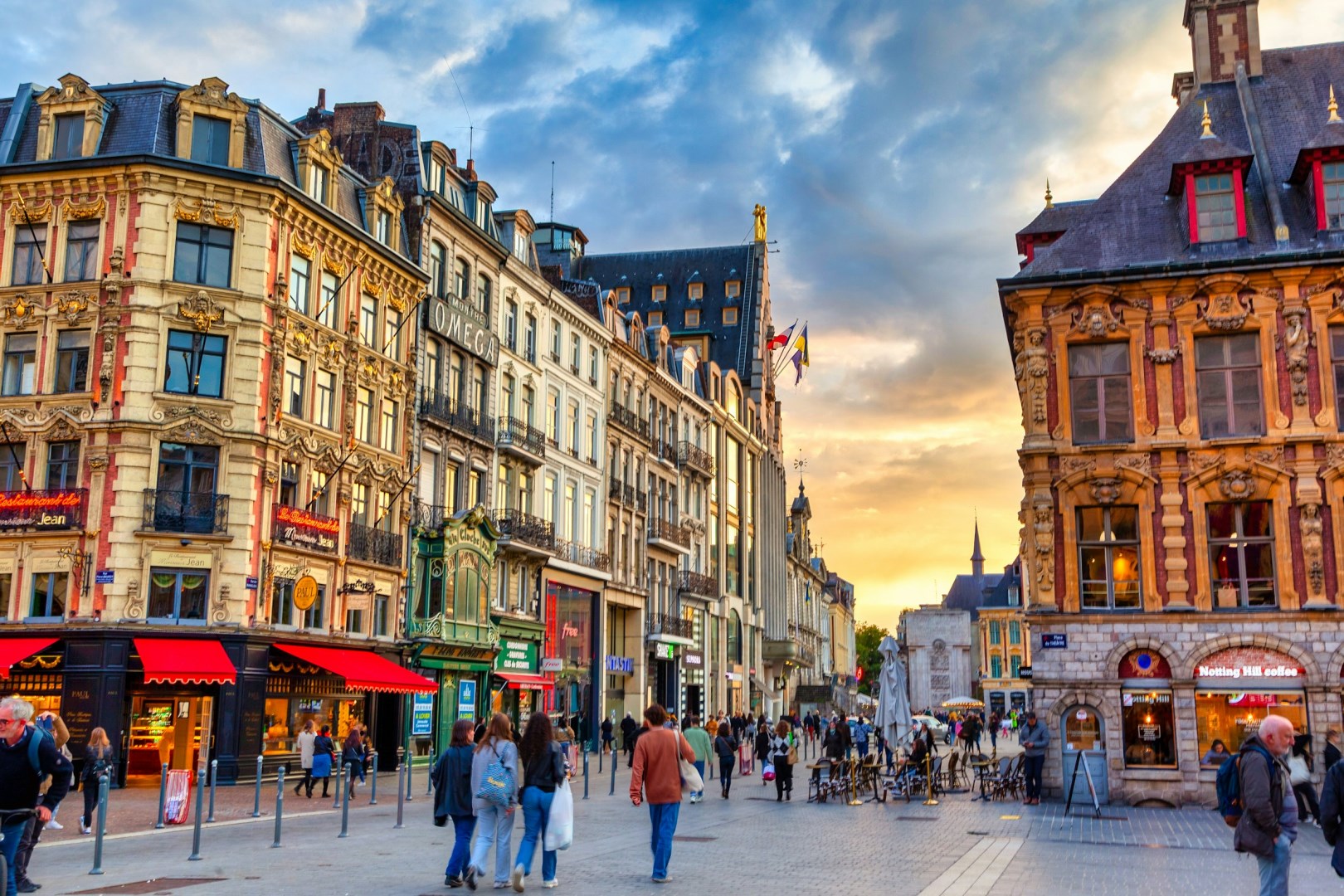
Lille
Lille, the lively capital of France’s Hauts-de-France region, is a city where Flemish charm meets French sophistication. Once an important industrial hub, Lille has reinvented itself as a cultural and artistic center without losing its historic character.
