
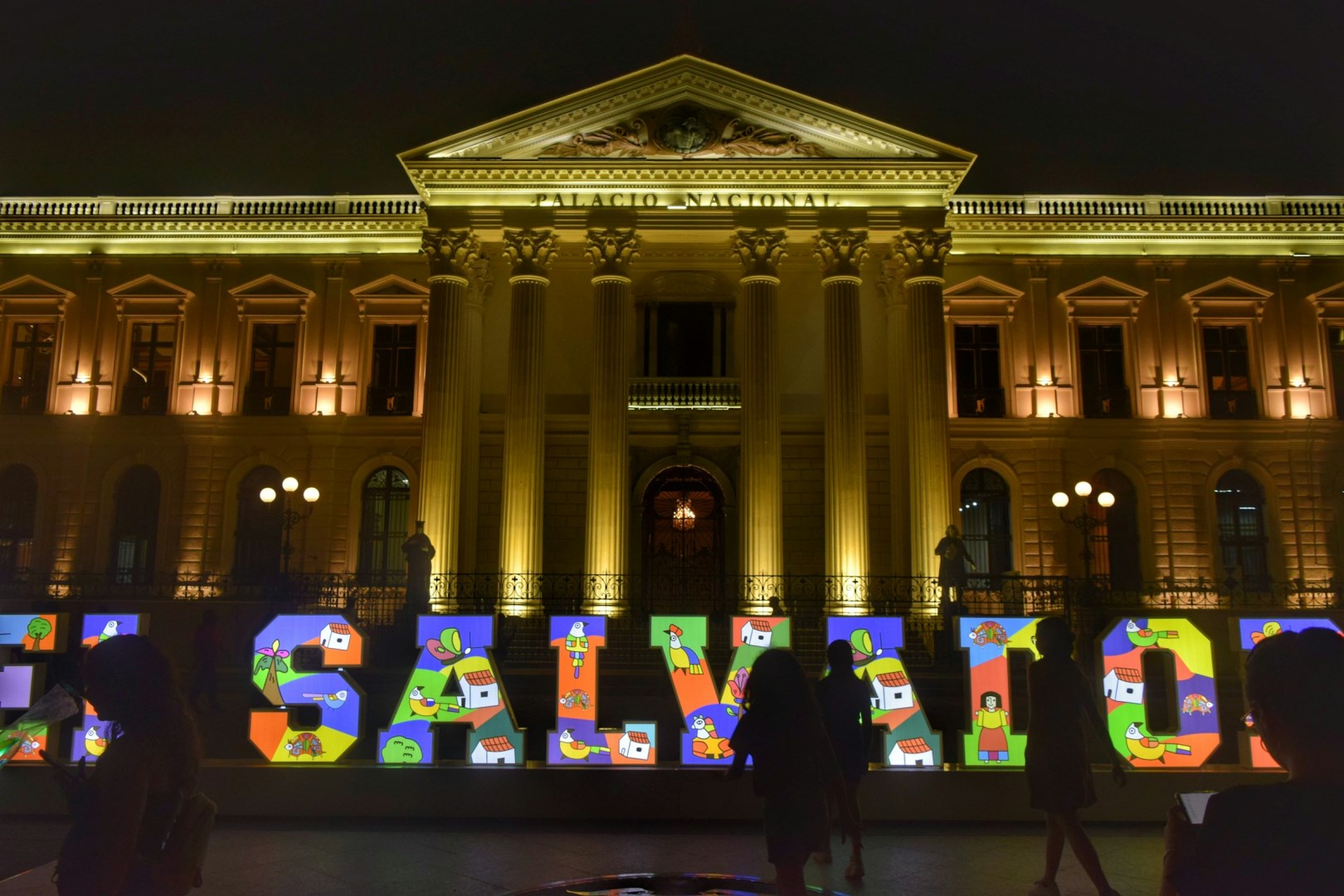
San Salvador
El Salvador's capital and largest city lies in a valley at the foot of the large San Salvador volcano. Shanty towns abound and the streets are lined with people selling everything.
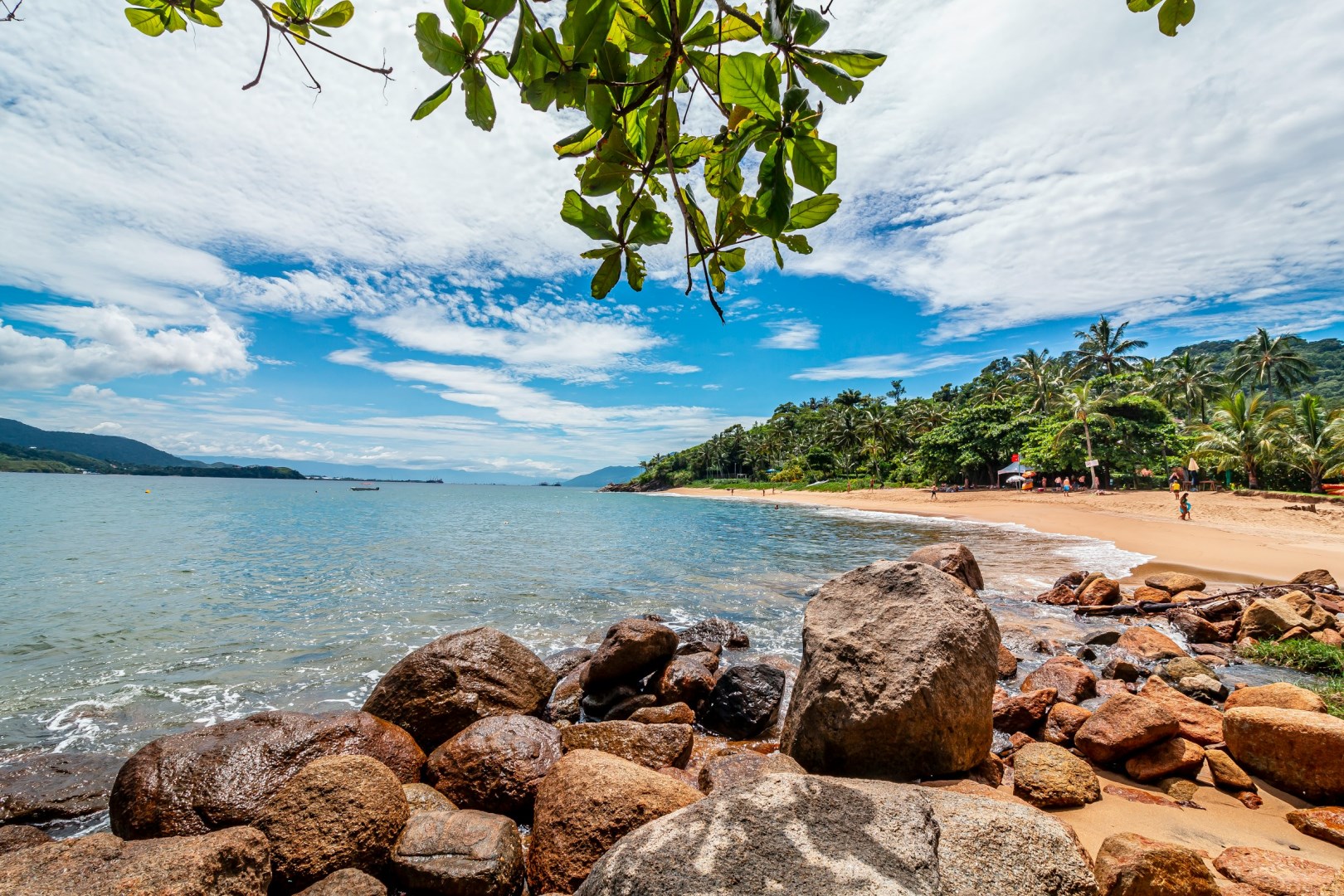
Ilhabela
Ilhabela is an archipelago municipality on the northern coast of São Paulo, separated from the mainland by the São Sebastião Channel. Its main island combines a developed coastal area with extensive Atlantic Forest, while smaller islands and islets form part of the same municipality. The town is known for sailing, beaches, waterfalls, and maritime activities, and it holds the official title of National Capital of Sailing.
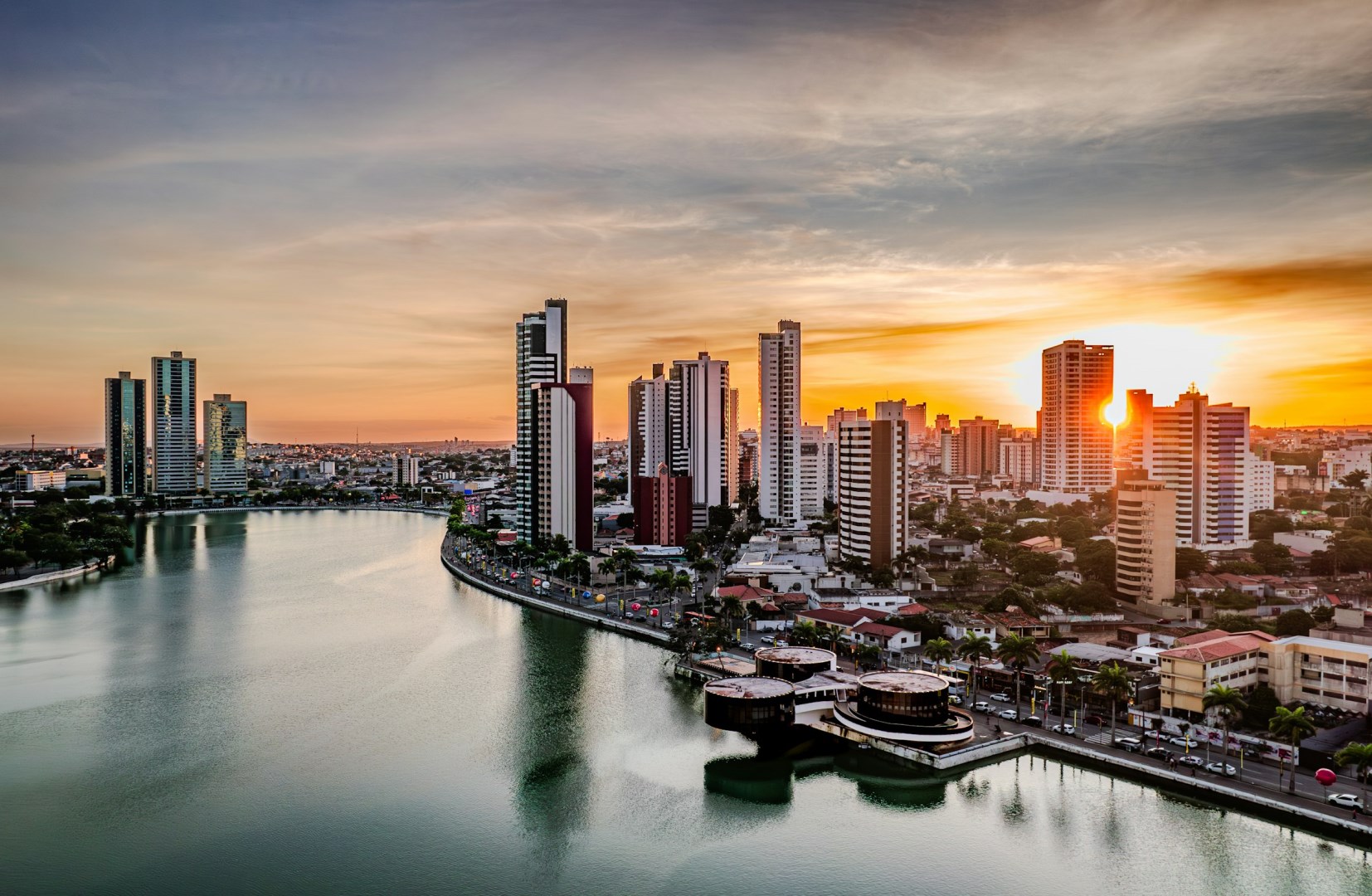
Campo Grande
Campo Grande is the capital of Mato Grosso do Sul in central-western Brazil and an important urban gateway to the southern Pantanal and destinations such as Bonito. The city is often known as Cidade Morena, a reference to the reddish soil found across the region. Its broad avenues, parks, and low-density neighborhoods reflect its location on the edge of the Brazilian interior, where urban life meets ranching country and cerrado landscapes.
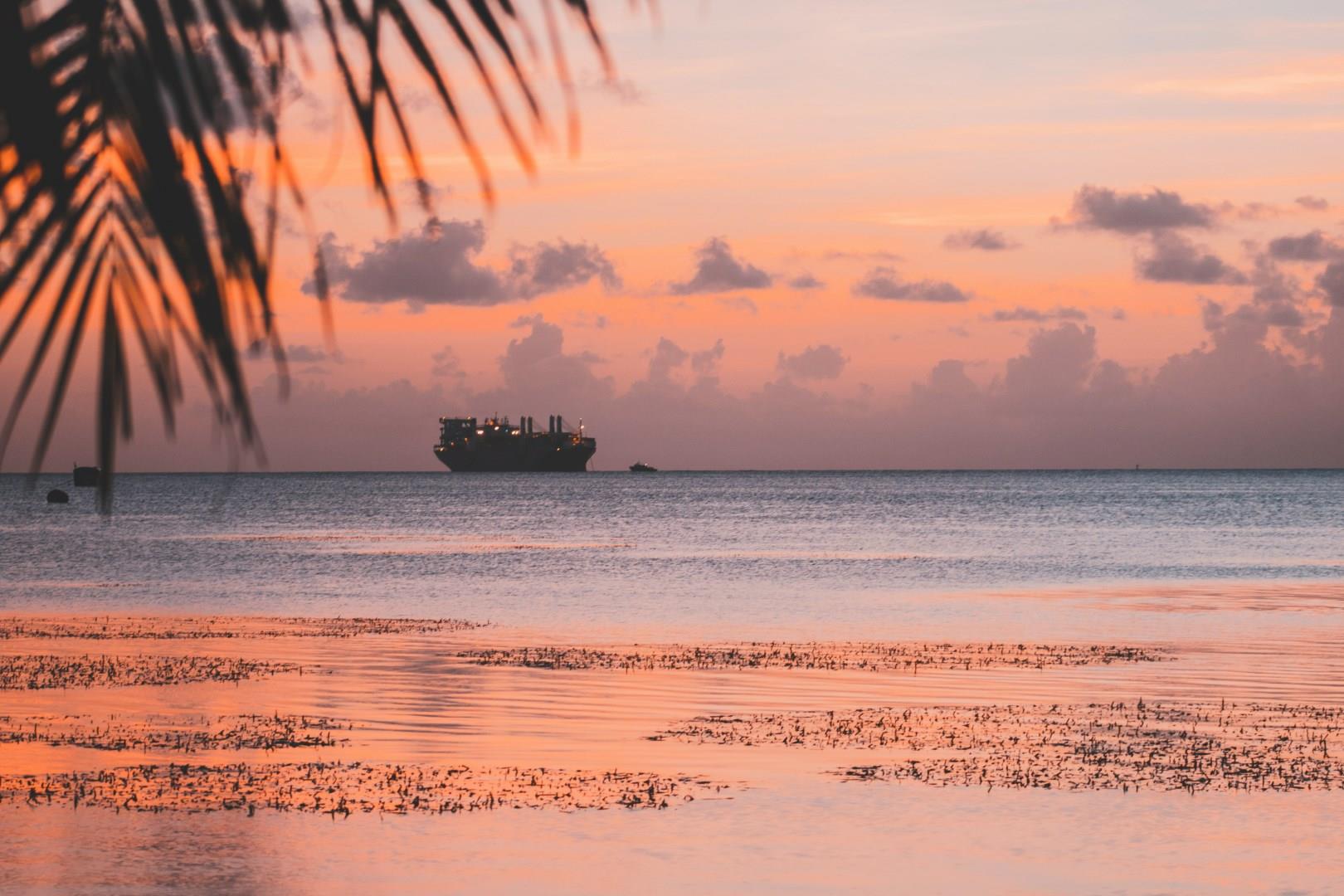
Saipan Island
Saipan, the largest of the Northern Mariana Islands, offers a rare combination of deep historical roots, island traditions, and dramatic landscapes. Located in the western Pacific, this U.S. territory was once the site of one of the most pivotal battles in the Pacific during World War II. Visitors today can explore the remains of bunkers, tanks, and hidden caves at sites like Suicide Cliff, Last Command Post, and the American Memorial Park.
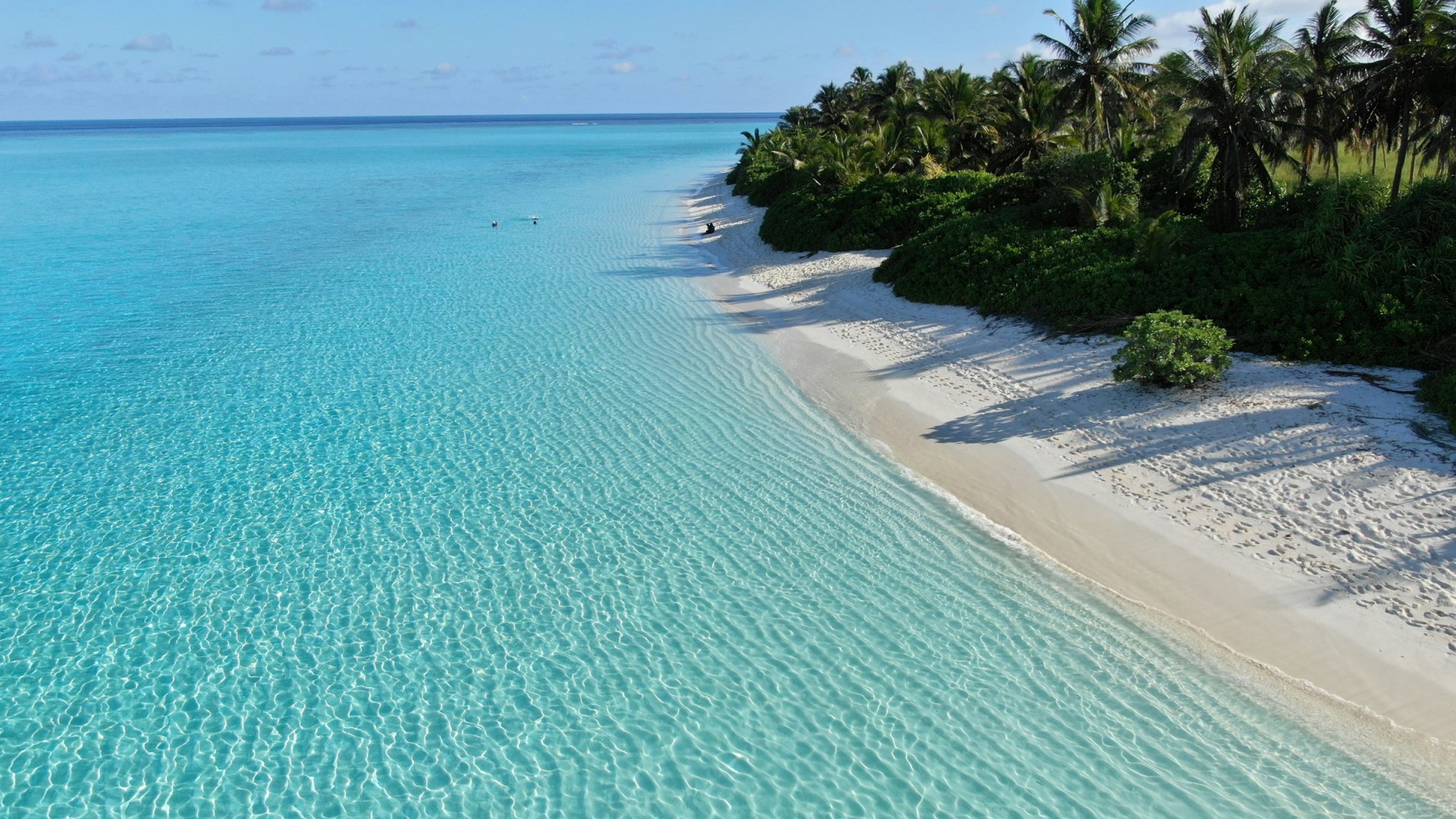
Thoddoo
Thoddoo is a local island in the North Ari Atoll of the Maldives, distinguished by its unusually strong agricultural tradition. While coral reefs, beaches, and lagoons surround the island, much of its interior is covered by productive farmland, with watermelon, papaya, eggplant, chili, drumstick, breadfruit, and other crops cultivated for local consumption and markets. The island’s broad green interior sets it apart from many smaller Maldivian islands where available land is more limited.
