
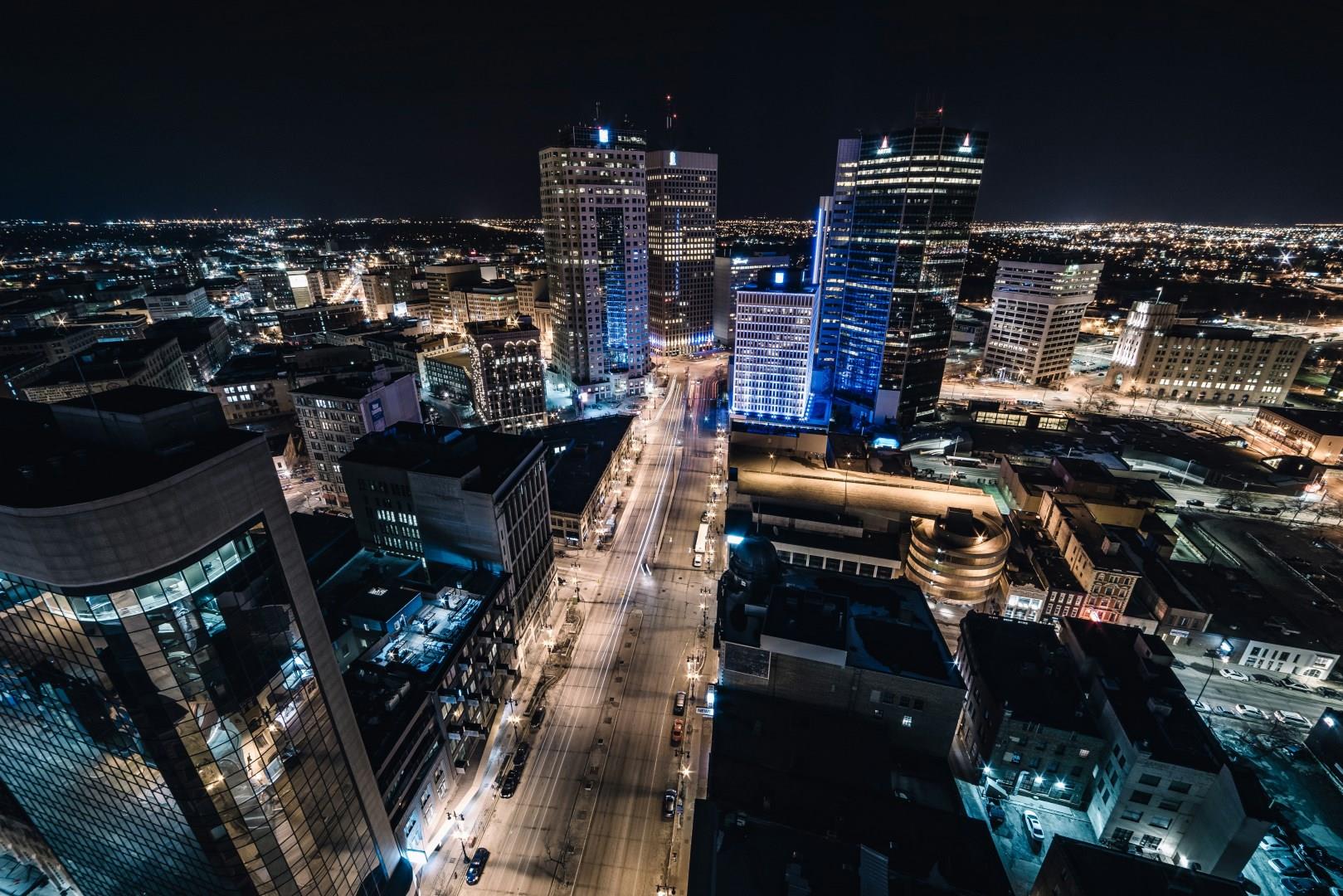
Winnipeg
Winnipeg sits at the meeting point of the Red and Assiniboine rivers, a location that has shaped its role as a gathering place for thousands of years. Long before it became a modern city, the area was central to Indigenous trade networks, a legacy that remains visible today through institutions like The Forks and the Canadian Museum for Human Rights.
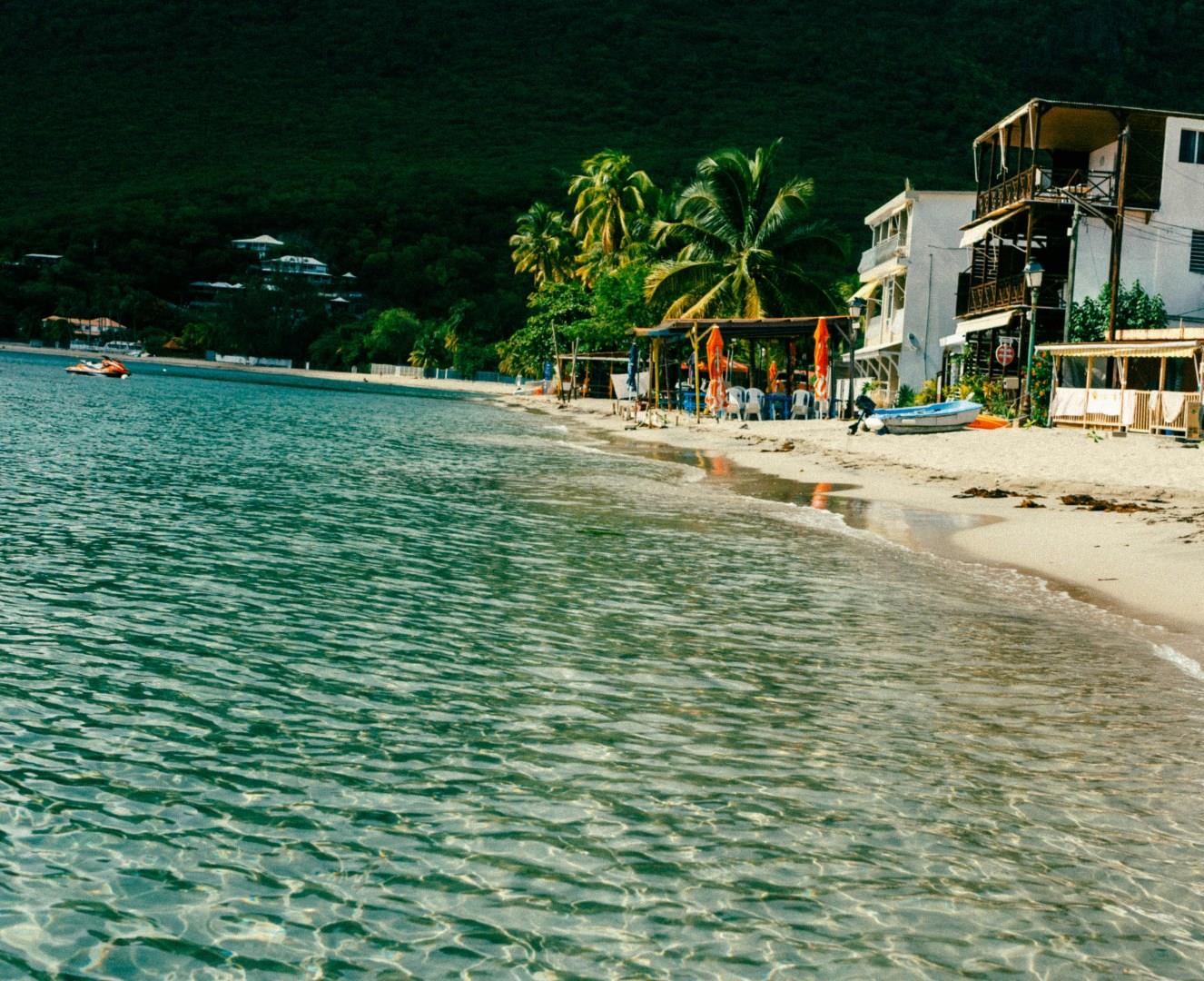
Les Anses-d'Arlet
Les Anses-d’Arlet, a charming fishing village on Martinique’s southern coast, is known for its picture-perfect blend of Caribbean warmth and local tradition. Its centerpiece is a white-sand beach backed by brightly painted houses and the landmark Church of St. Henry, whose steeple aligns beautifully with the sea when viewed from the pier.
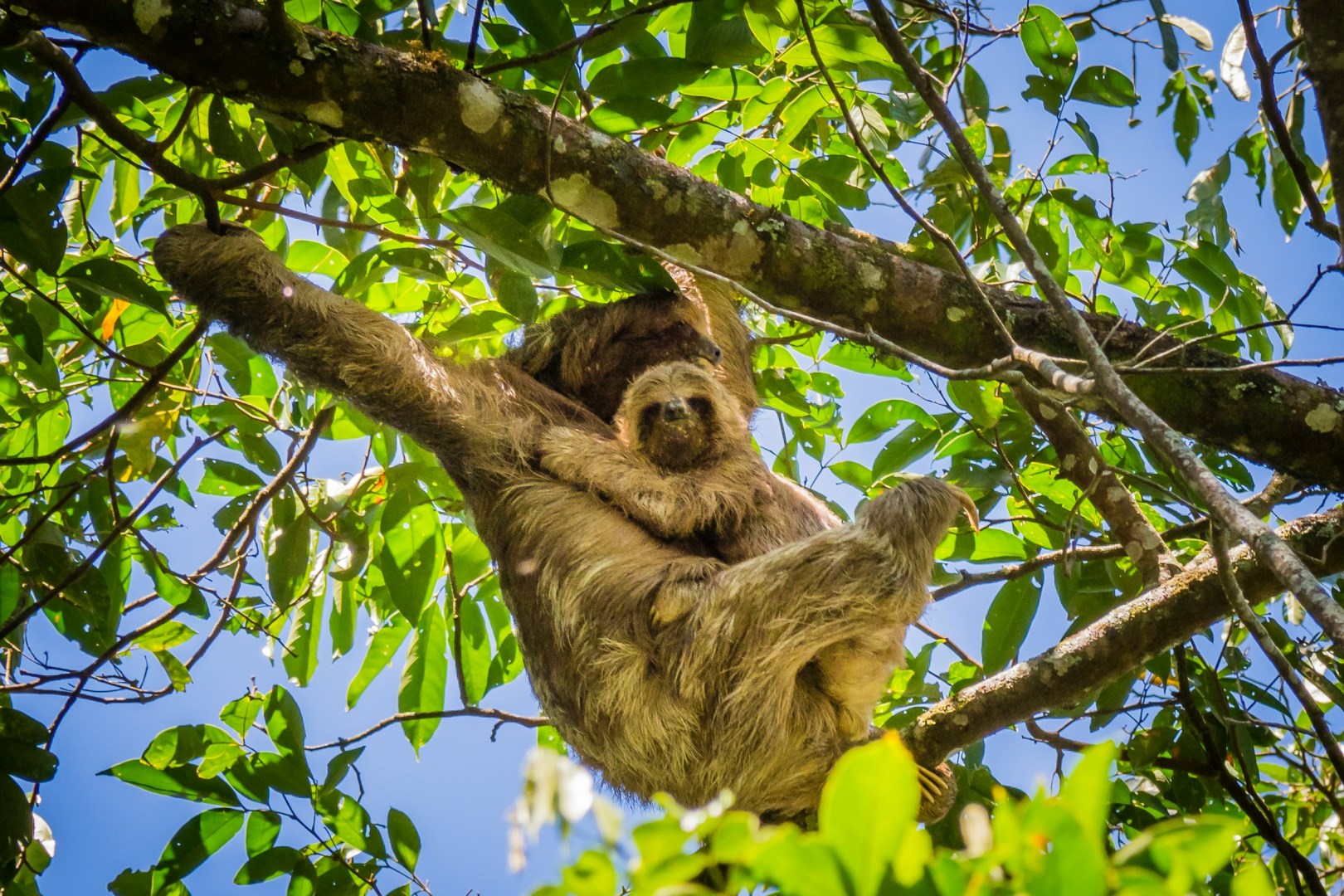
Matagalpa
Matagalpa is a mountain city in northern Nicaragua, surrounded by forested hills and agricultural land. Known as one of the country's principal coffee-growing areas, it sits in a cool, elevated landscape where coffee plantations, pine forests, and cloud forest environments are common.
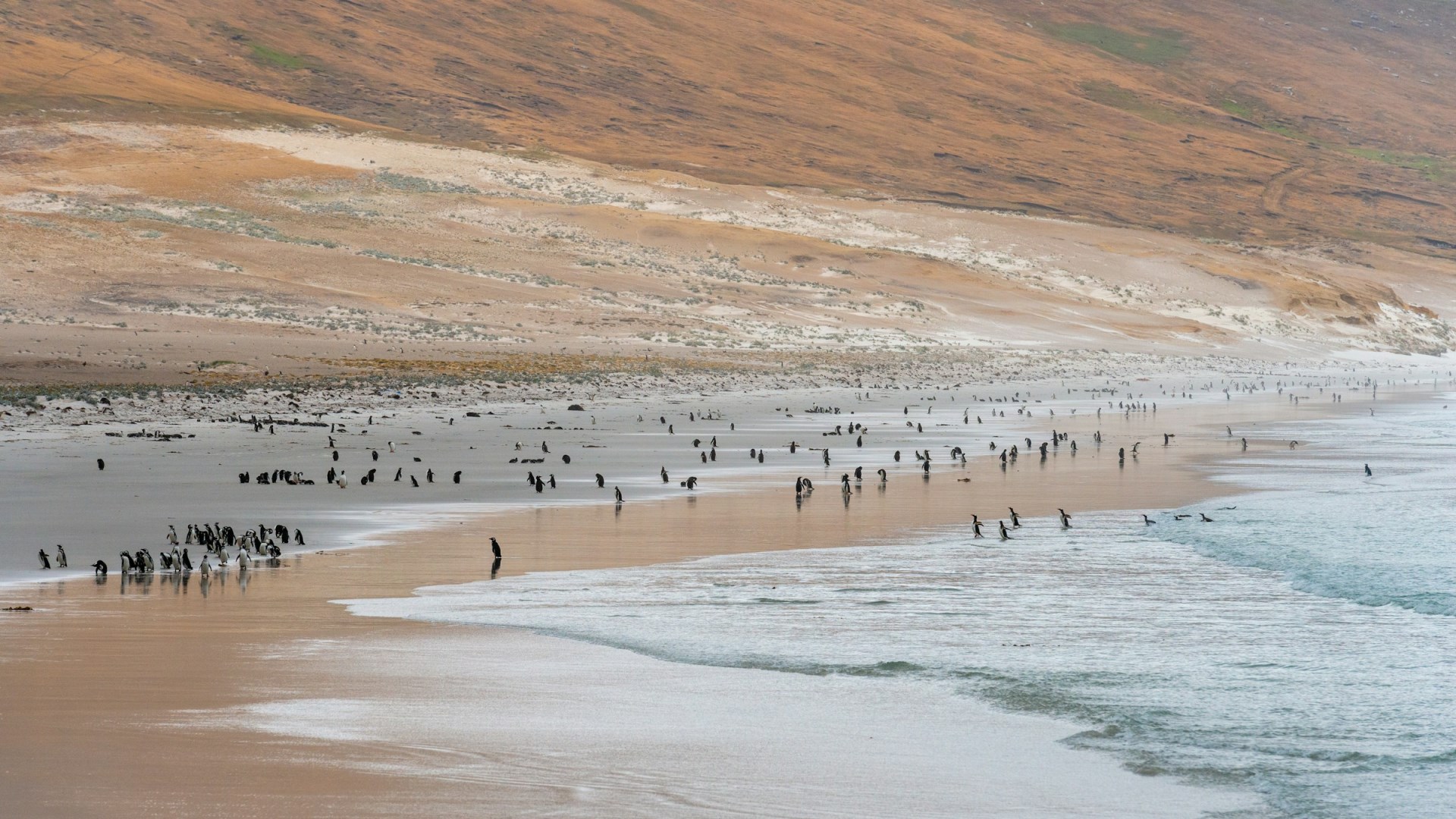
Saunders Island
Saunders Island, located in the northwestern part of the Falkland Islands, is a haven for wildlife enthusiasts and history buffs alike. This remote and rugged island, covering over 49 square miles, offers visitors the chance to experience nature at its most pristine. Saunders Island is one of the few places in the world where you can observe five species of penguins, Gentoo, King, Magellanic, Rockhopper, and the occasional Macaroni, all in one location.
Eureka
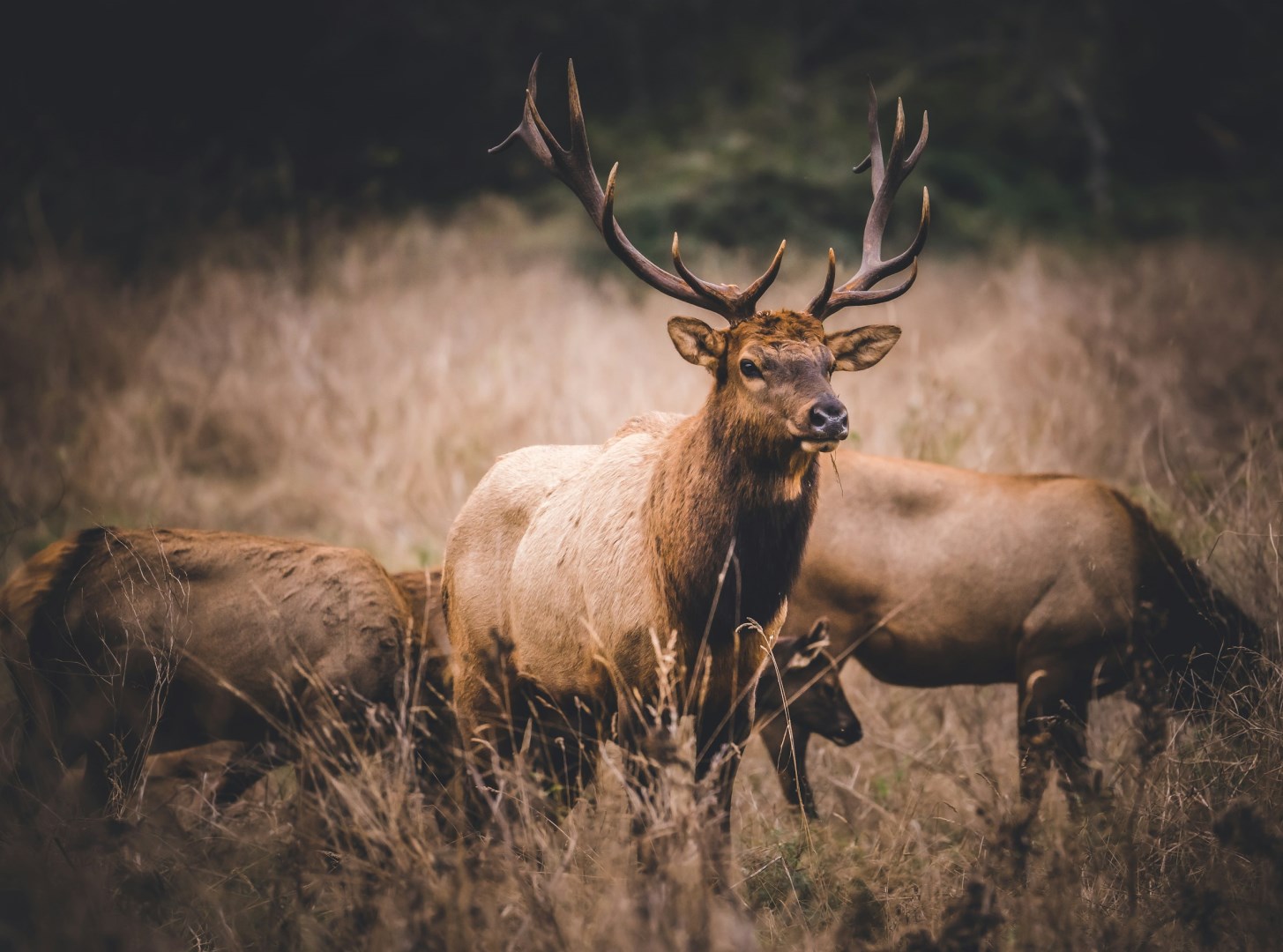
Eureka is a coastal city in Northern California and the largest urban center on Humboldt Bay. It lies between the Pacific Ocean and the forested hills of the Coast Ranges, with redwood country extending inland and wetlands surrounding parts of the bay. Eureka developed as a port and commercial center for the timber industry, and its historic downtown retains many Victorian-era buildings.
