
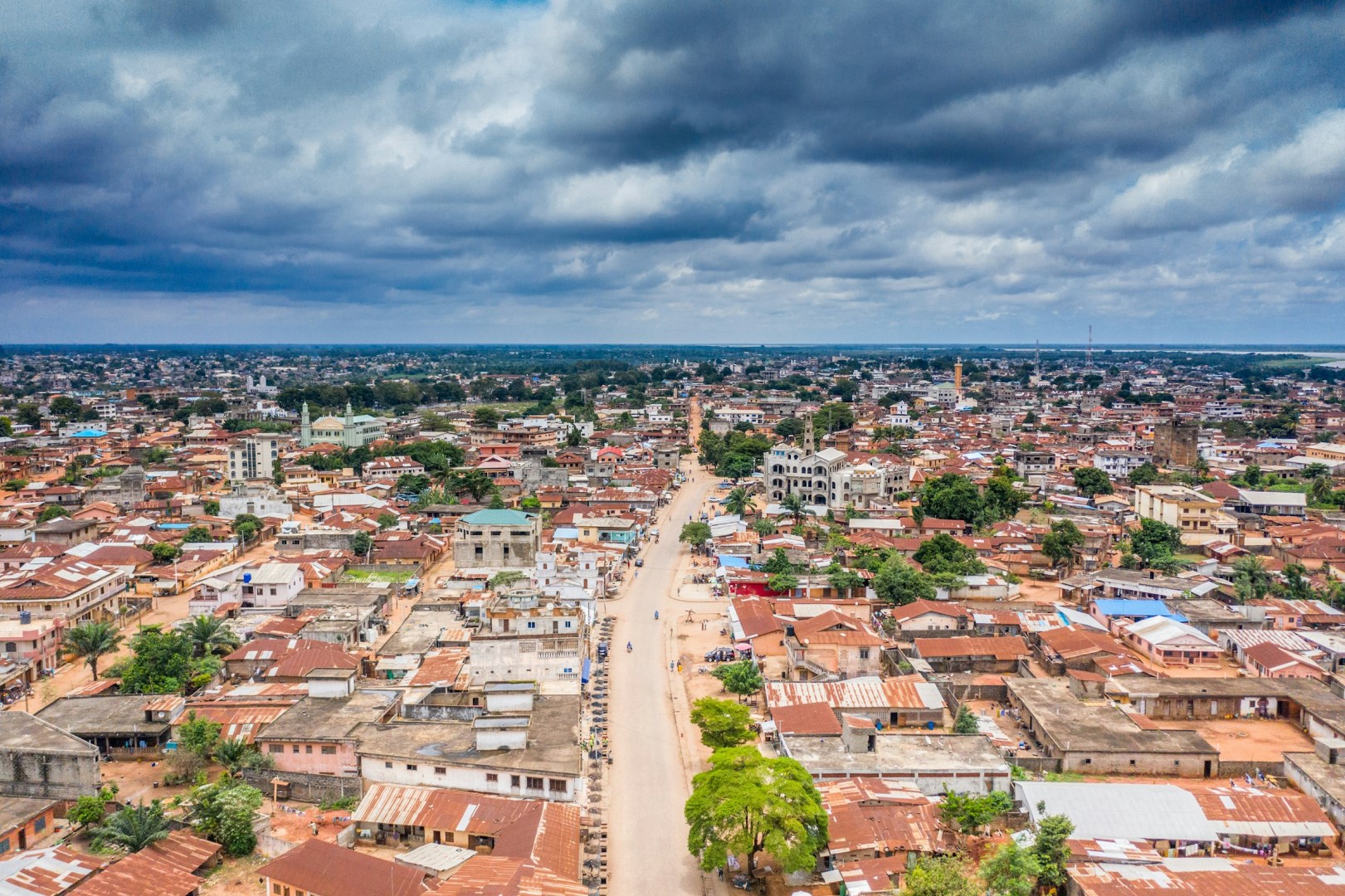
Porto-Novo
Porto-Novo is the political capital of Benin, located in the country's southeast near the Porto-Novo Lagoon and not far from the Nigerian border. The city is known for its combination of Yoruba heritage, royal traditions, and Afro-Brazilian architecture. Historic neighbourhoods contain distinctive buildings with decorated facades, while markets, workshops, museums, and religious sites remain part of everyday urban life.
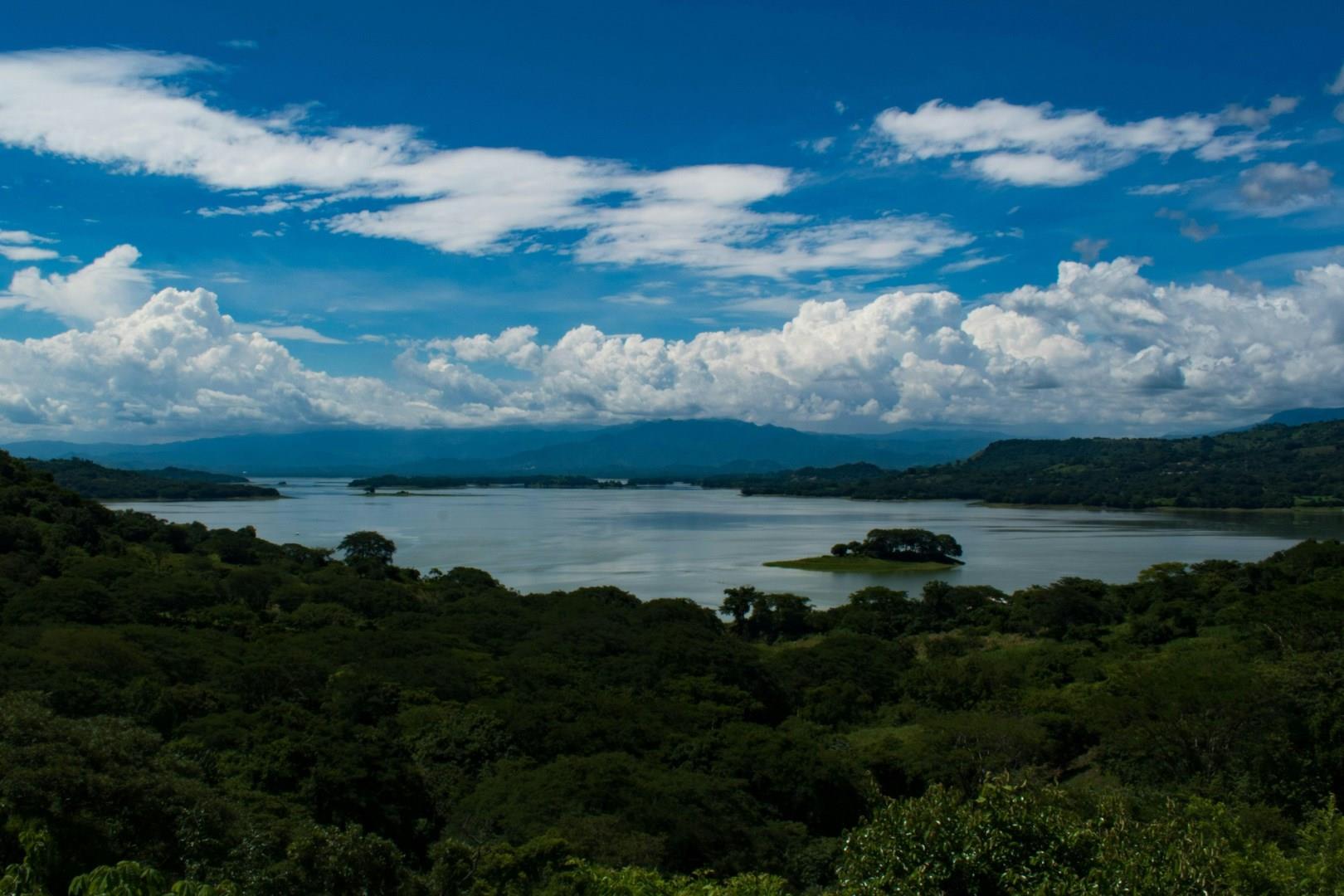
Suchitoto
Suchitoto, located in the Cuscatlán department of El Salvador, is a hilltop town known for its cobblestone streets and scenic views of Lake Suchitlán. Once an important center for indigo production, the town still celebrates its dye-making history through artisan workshops where visitors can learn to create textiles using natural indigo. The name “Suchitoto” comes from the Nahuatl language and means “place of flowers and birds,” a nod to the area’s diverse birdlife and surrounding vegetation.
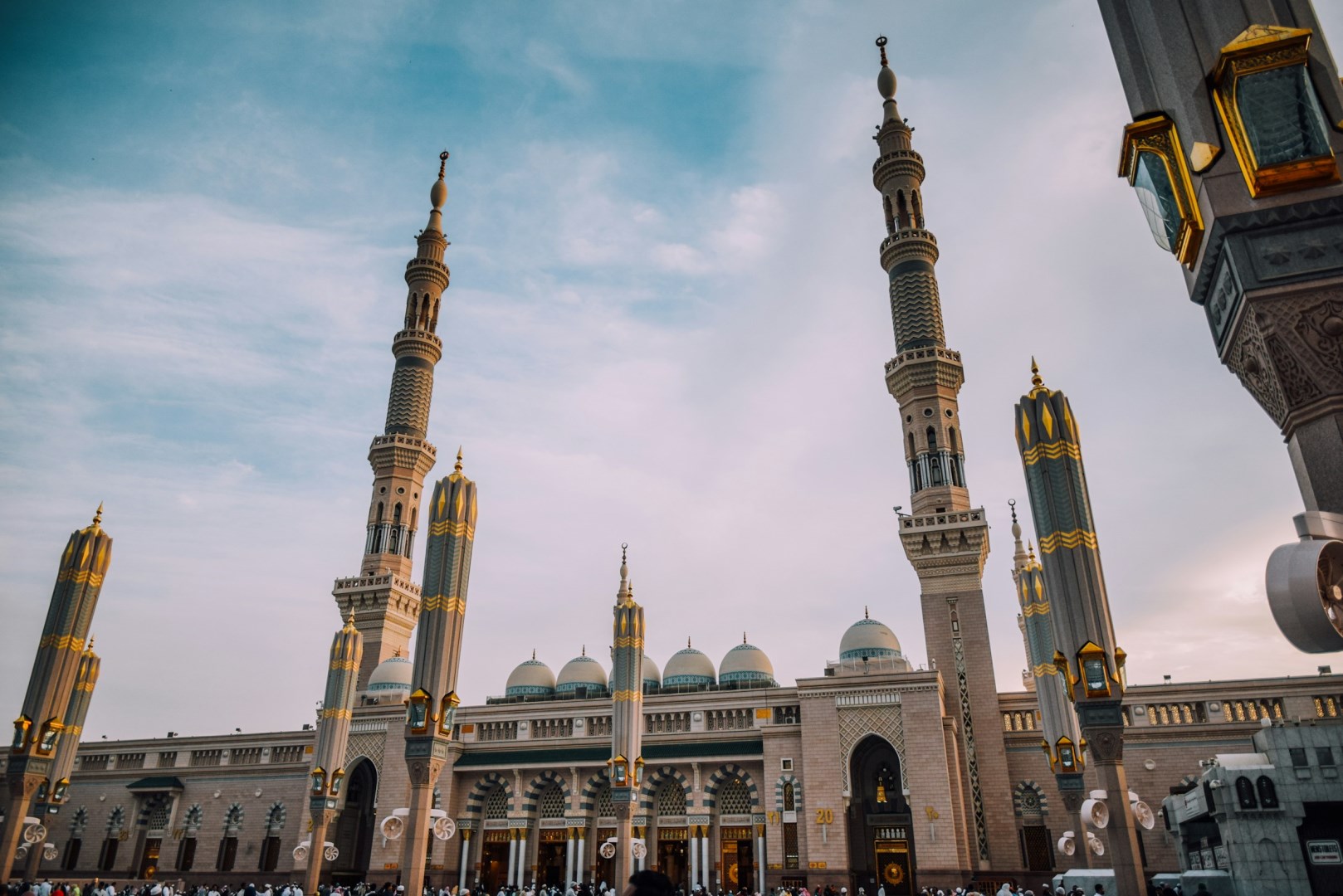
Madinah
Madinah, officially Al Madinah Al Munawwarah, is a city in western Saudi Arabia with a central place in Islamic history and religious life. The city developed around an oasis and is surrounded by volcanic hills and rocky terrain, giving its urban landscape a distinct setting. At its heart stands Al Masjid an Nabawi, the Mosque of the Prophet Muhammad, which is one of the most important religious sites in Islam.
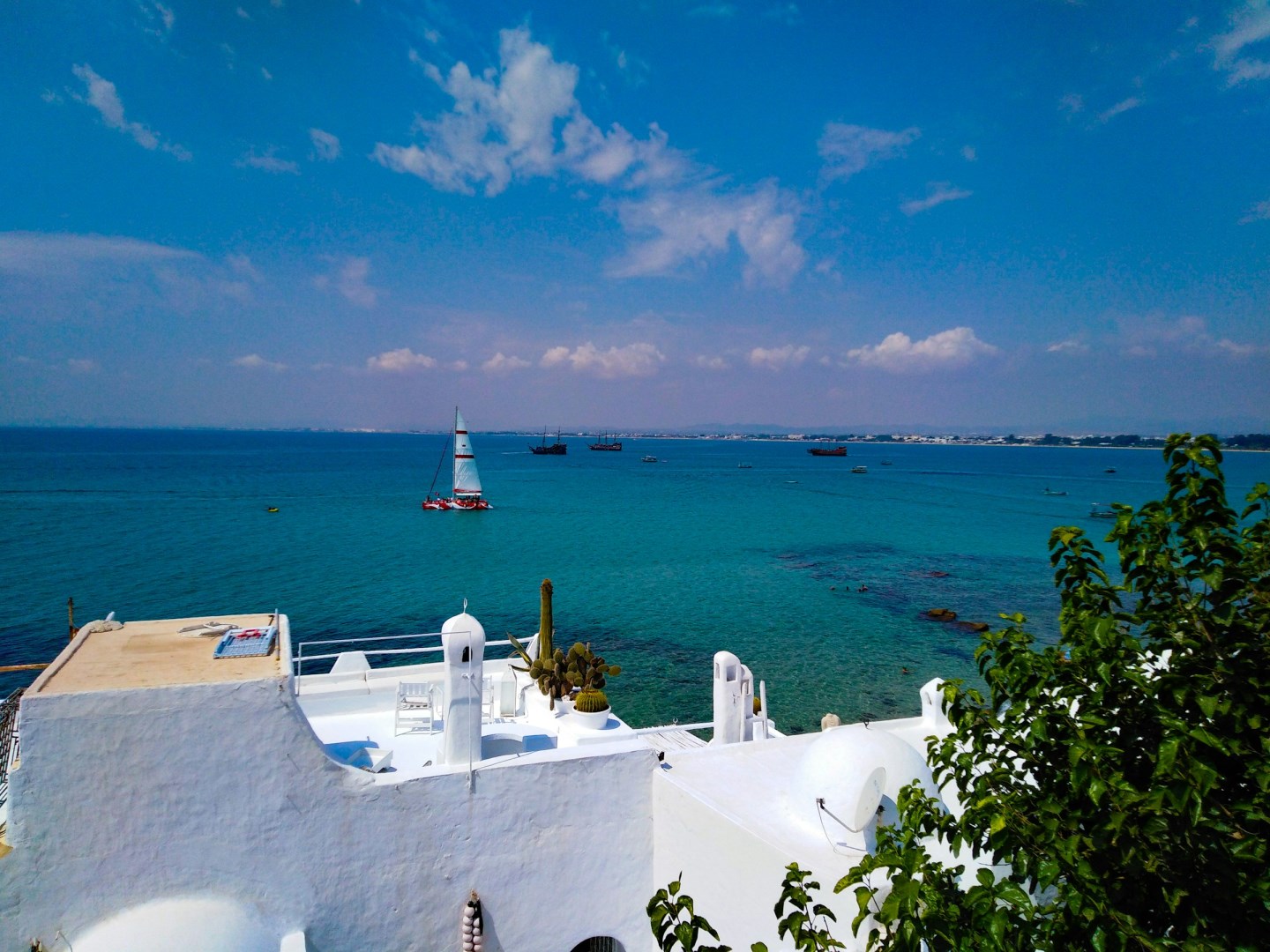
Hammamet
Hammamet is a coastal town on Tunisia’s Cap Bon peninsula, known for its sandy beaches, whitewashed houses, jasmine gardens, and historic medina beside the Mediterranean. The town combines a long-established fishing and agricultural identity with a major seaside tourism district, including Yasmine Hammamet to the south.

Santarem
Santarém is a city in central Brazil, located where the Tapajós River meets the Amazon. Its position at this confluence has made it a hub of riverine trade and cultural exchange for centuries, blending Indigenous traditions with Portuguese colonial influence.
