
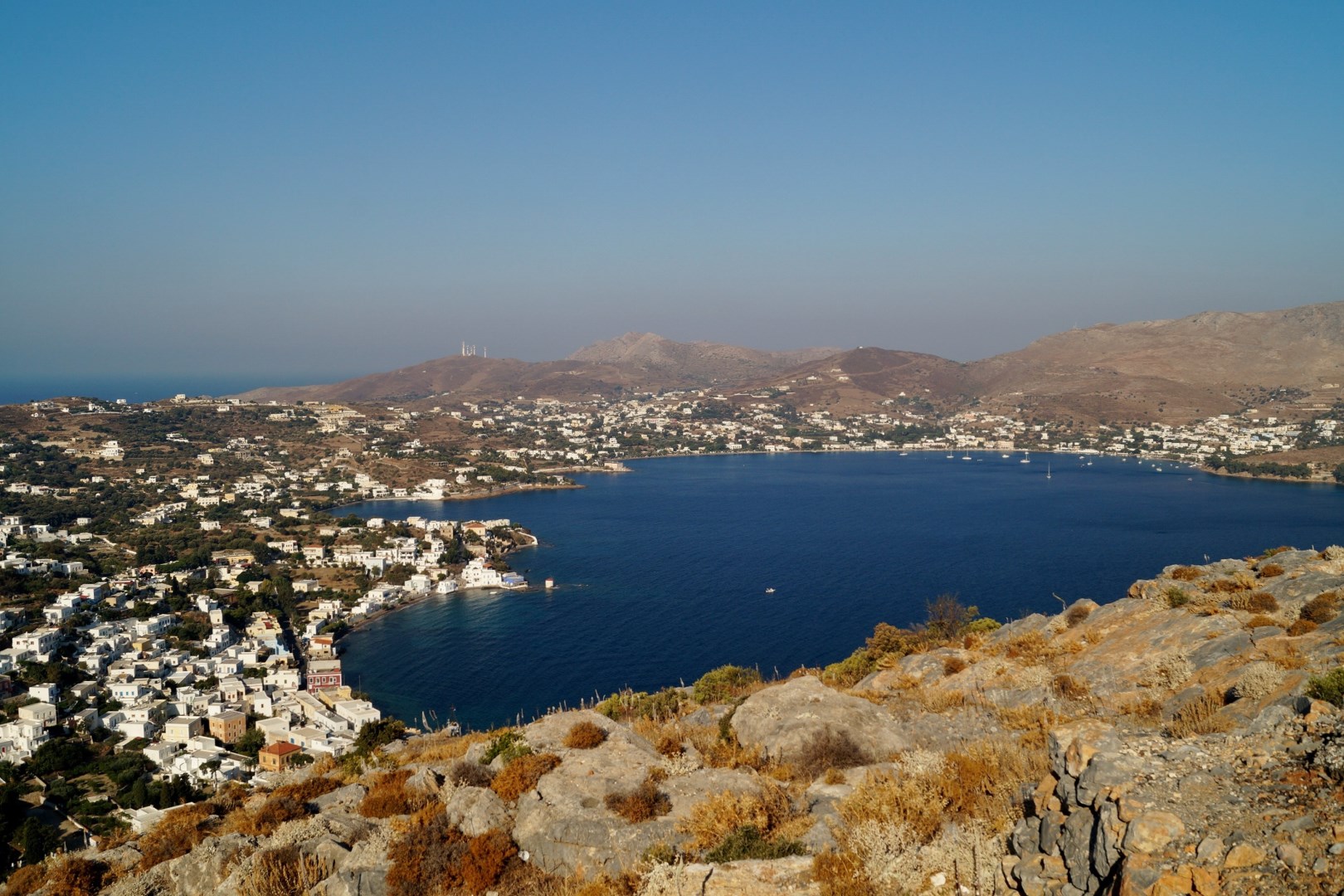
Leros Island
Leros Island, Greece, rests quietly in the Aegean Sea, offering a combination of sun-drenched beaches and historical landmarks that invite exploration. The main town, Agia Marina, spreads along a natural harbor, where fishing boats and small yachts sway gently against the backdrop of colorful houses climbing the hillside. Winding streets reveal a mix of architecture, from traditional whitewashed homes to neoclassical buildings.
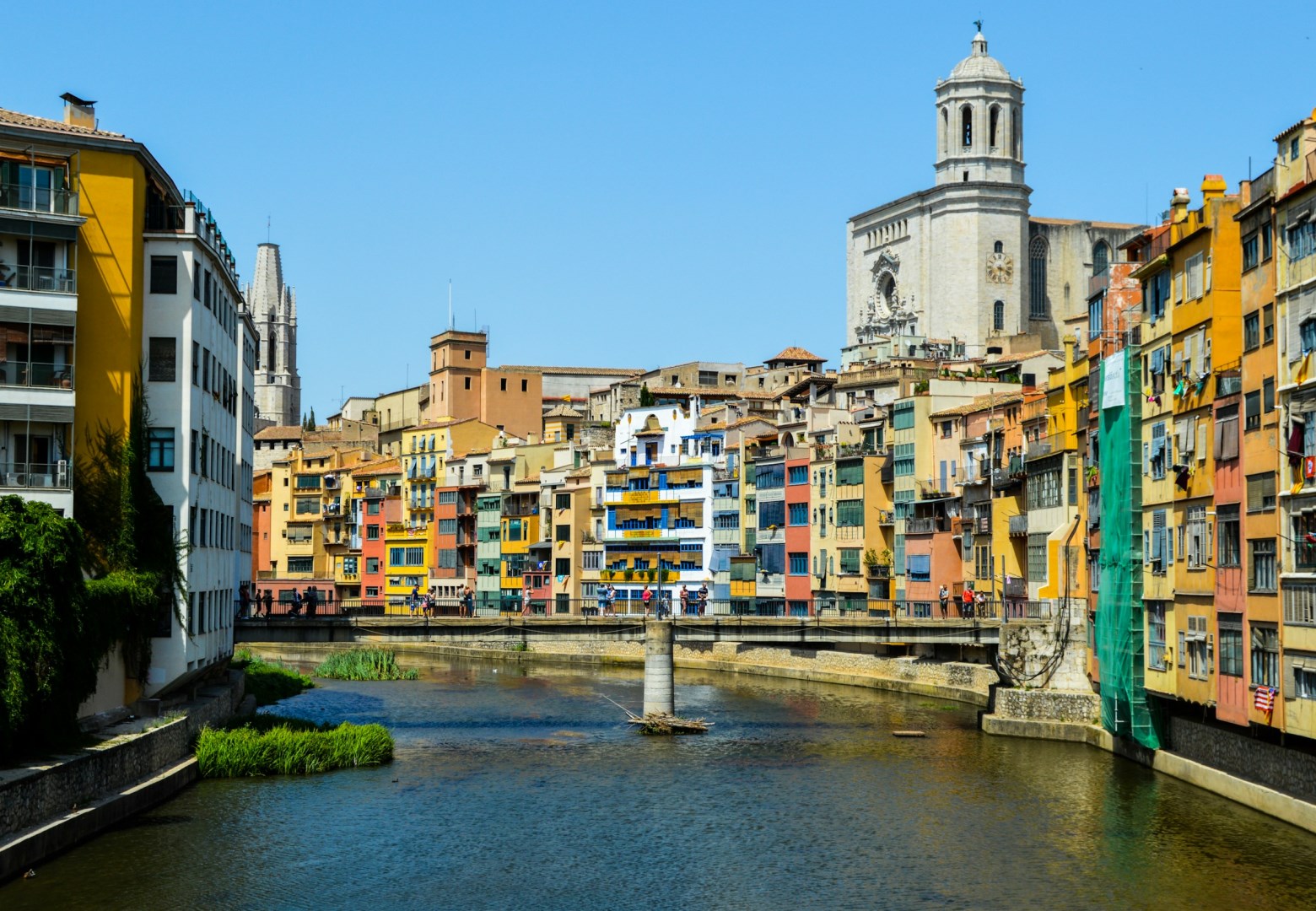
Girona
Town walls encapsulate this city, making for fantastic viewpoints all around. Visitors can also walk across the Pont de les Peixateries Velles bridge, designed by Gustave Eiffel. When leaving, it is a must to find El Cul de la Lleona, a lioness statue, and kiss her bottom. Tradition dictates that doing so will ensure a return trip in your future!

Slovenia
>Slovenia, tucked between the Alps and the Adriatic Sea, is a small country with a strong sense of identity and an impressive variety of landscapes. Its capital, Ljubljana, is known for its walkable center and mix of Baroque, Secessionist, and modern architecture. The Ljubljanica River runs through the city and is lined with open-air cafés and artisan shops.
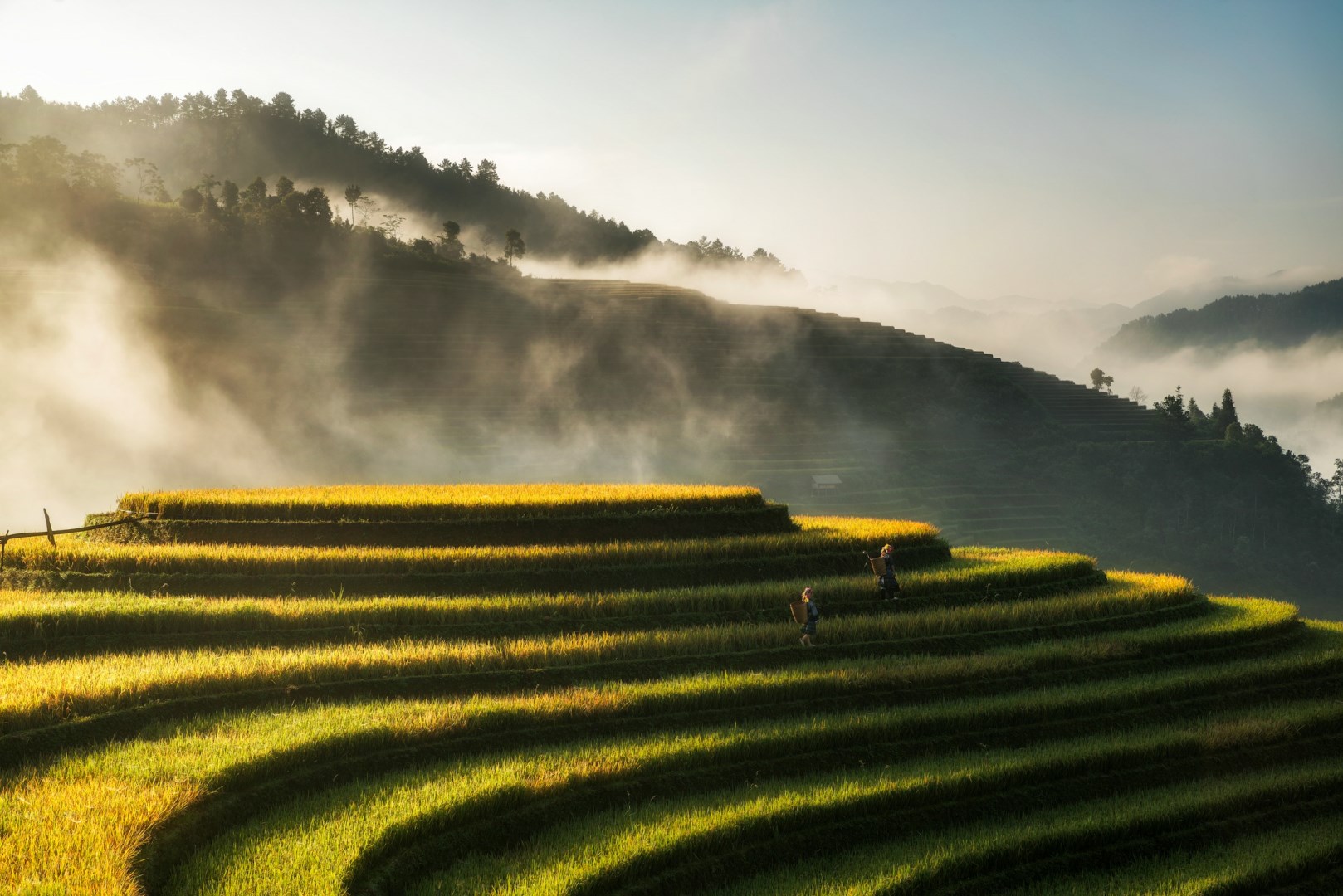
Mù Cang Chải
The scenic Mu Cang Chai rice terraces are one of the most popular tourist and photographer locations in the world! The best time to visit is from Mid-September to Mid-October during the season when the rice fields are ready for harvest.

Granada
Granada, nestled at the foot of the Sierra Nevada mountains in southern Spain, is a city where history and culture converge in a mesmerizing blend. The jewel of Granada is the Alhambra, a stunning palace and fortress complex that dates back to the 13th century. This UNESCO World Heritage Site is a testament to the city's Moorish past, showcasing intricate Islamic art and architecture.
