
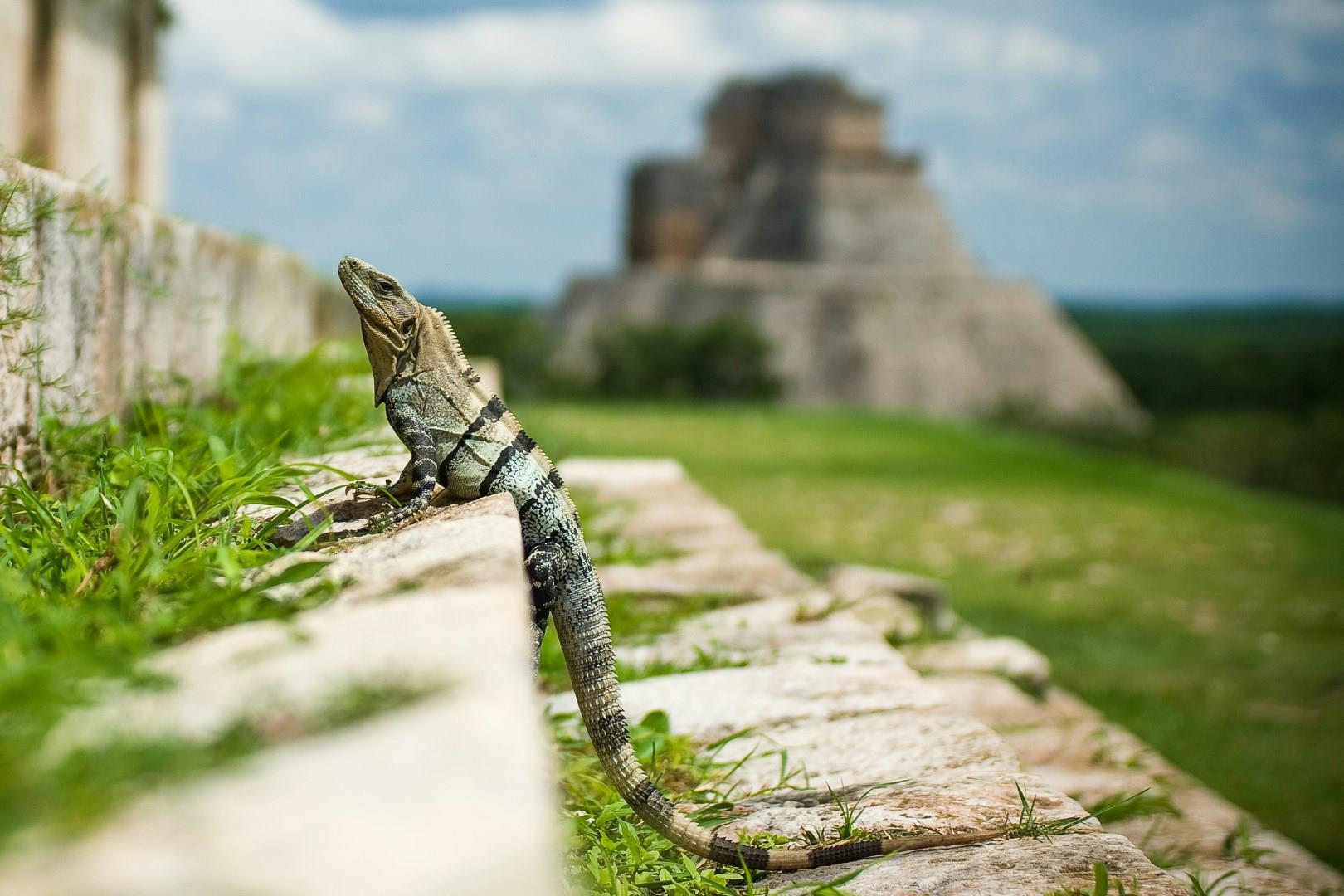
Uxmal
Uxmal, located about 80 kilometers south of Mérida in the Puuc region of Yucatán, is one of the most architecturally refined ancient Maya cities. Unlike other major Maya sites built with steep pyramids and narrow passageways, Uxmal is known for its smooth limestone structures, wide plazas, and intricate stone mosaics. One unique experience available to visitors is the nightly light and sound show, which uses colored projections to highlight carvings and narrate local legends and Maya cosmology.
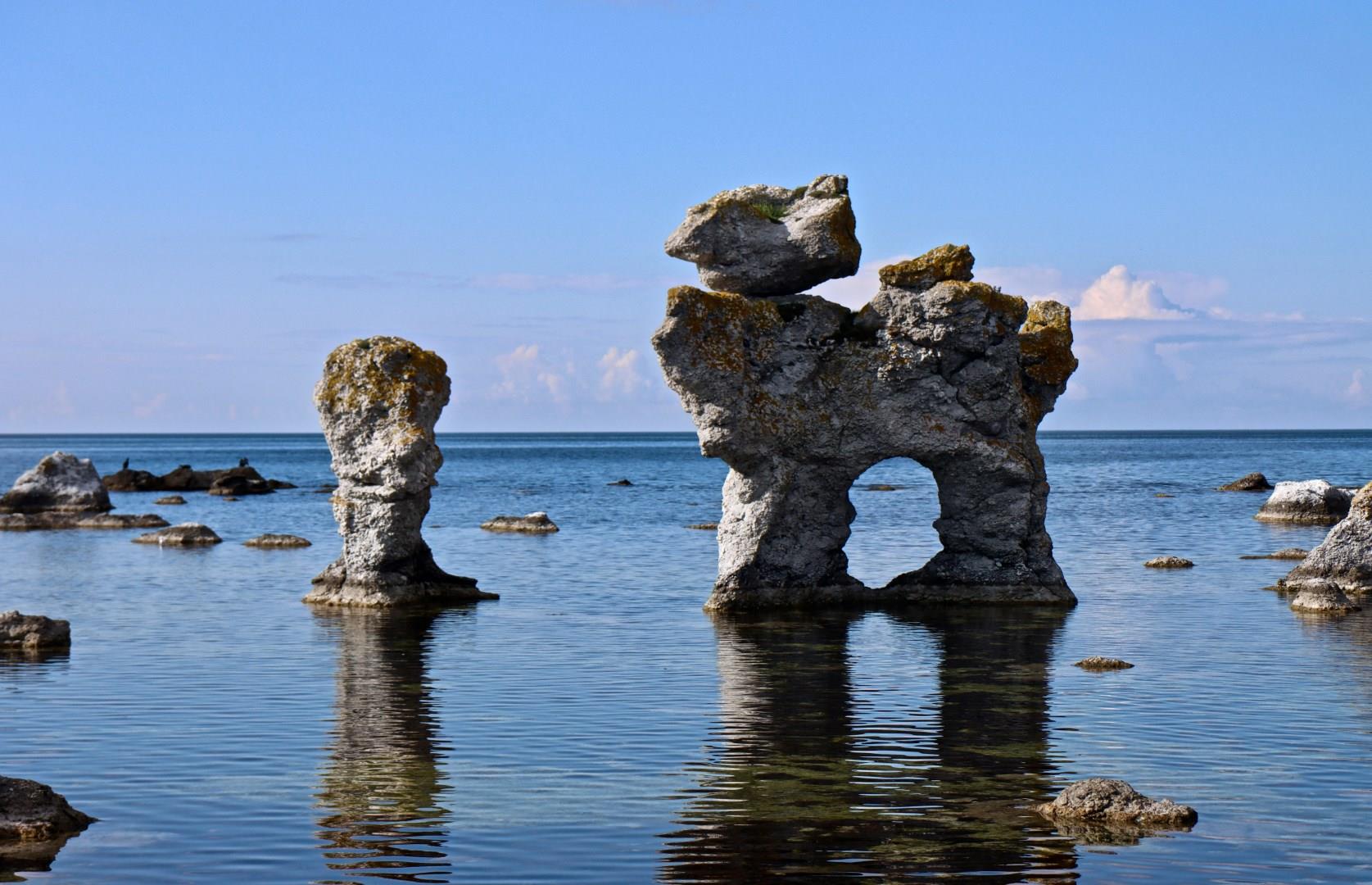
Gotland
Gotland, Sweden’s largest island, sits in the Baltic Sea and feels like a world of its own. Its main town, Visby, is a UNESCO World Heritage site and one of the best-preserved medieval towns in Northern Europe. Surrounded by a 3.5-kilometer stone wall with original towers still intact, Visby once served as a key Hanseatic trading hub. Visitors can walk along cobbled streets lined with rose-covered cottages, explore Gothic church ruins, and climb up the city wall for views over the harbor.
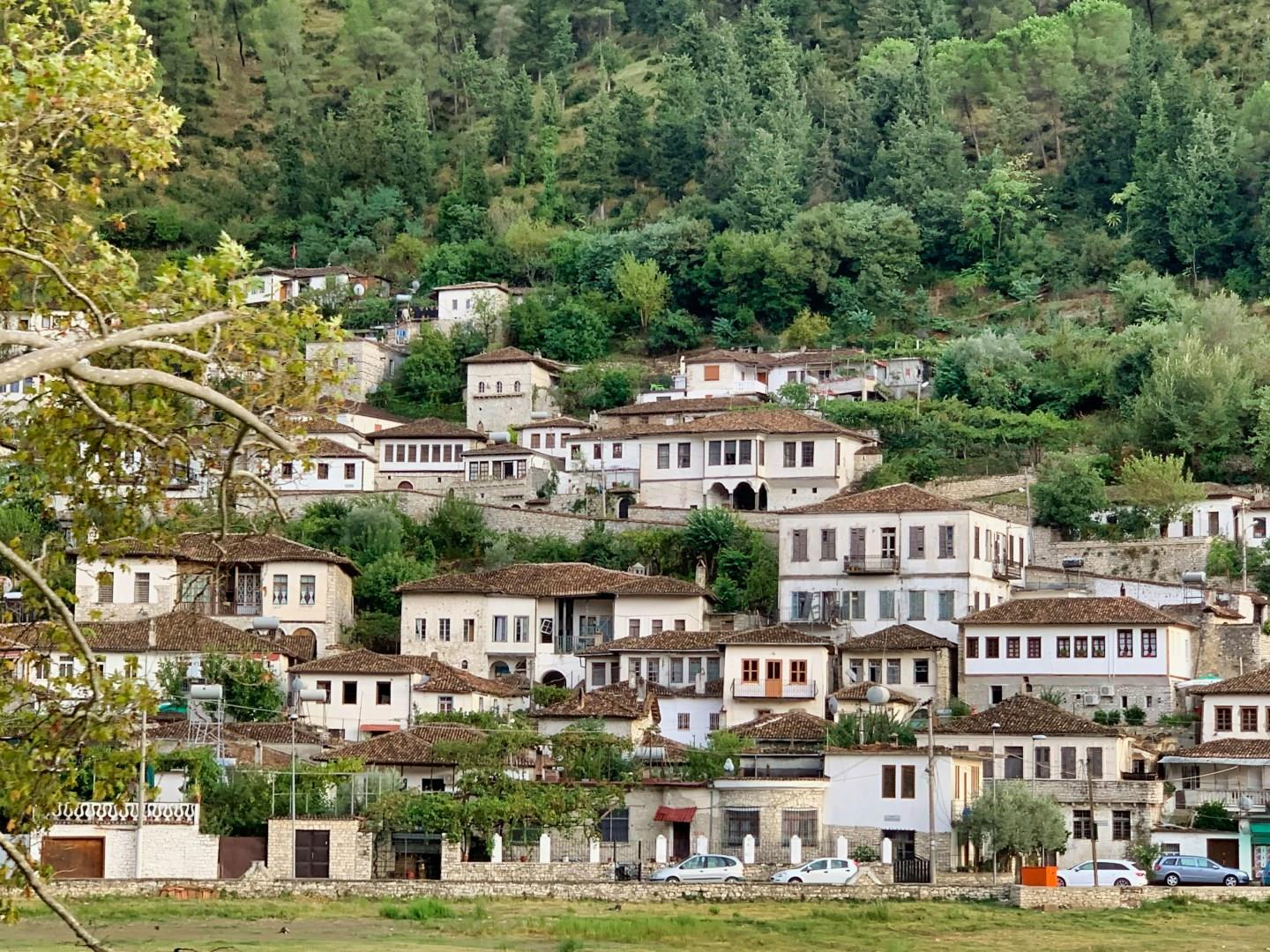
Berat
Berat, set along the Osum River in central Albania, is a city shaped by centuries of continuity and coexistence. Known as the City of a Thousand Windows, its white Ottoman-era houses climb the hillside toward a hilltop fortress, creating a striking and harmonious skyline.
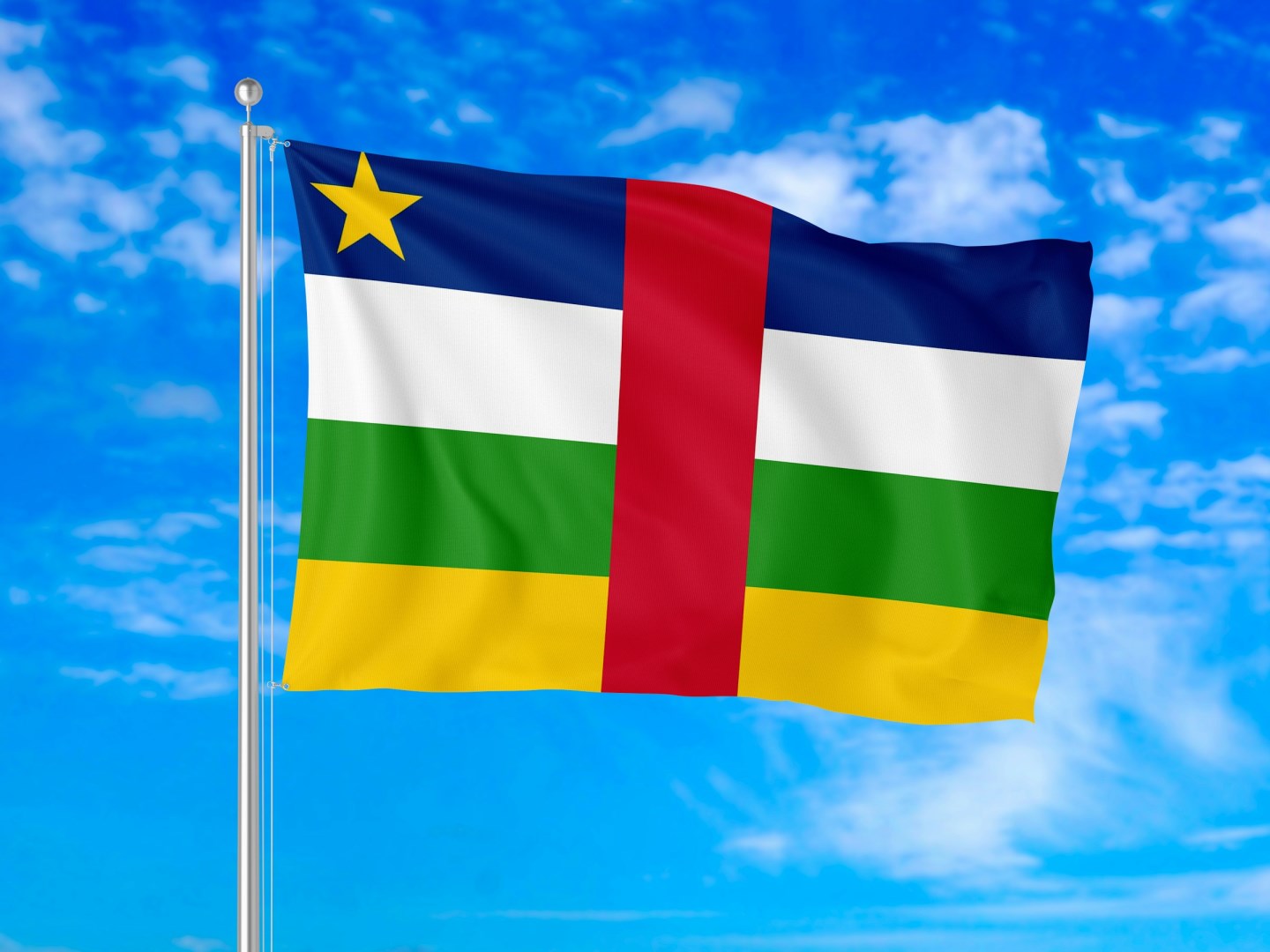
Central African Republic
Central African Republic, republic in central Africa, bordered on the north by Chad, on the east by Sudan, on the south by Zaire and the Republic of the Congo, and on the west by Cameroon. The landlocked nation has an area of 622,436 sq. km (about 240,323 sq. mi). Bangui is the capital and largest city.
Western Sahara
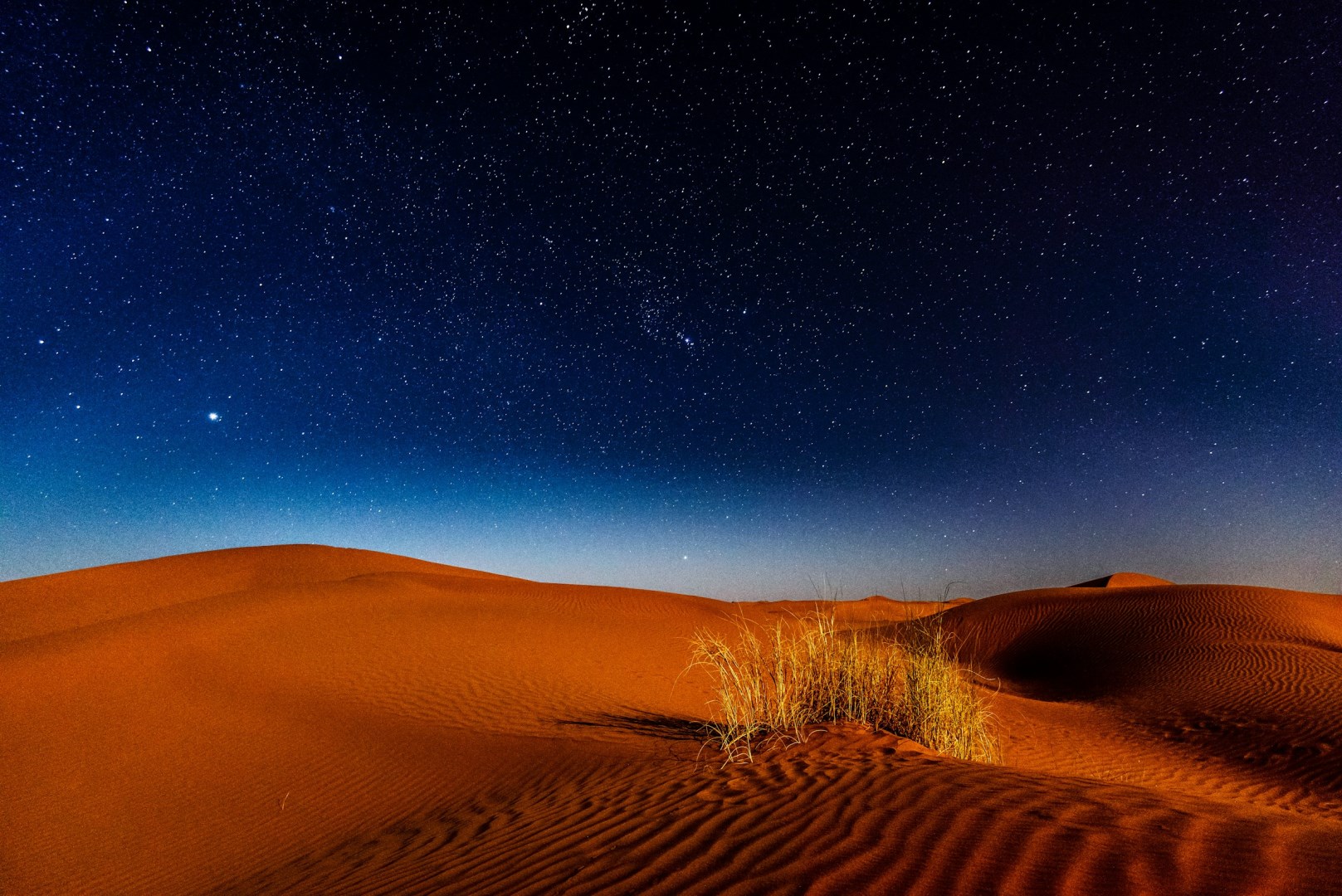
Western Sahara, (formerly Spanish Sahara), northwestern Africa, former overseas province of Spain partitioned in 1976 between Mauritania and Morocco, and since 1979, occupied entirely by Morocco.
